Neuroendovascular Treatment Recovery: Hospital Stay, Activity Limits, and Follow-Up
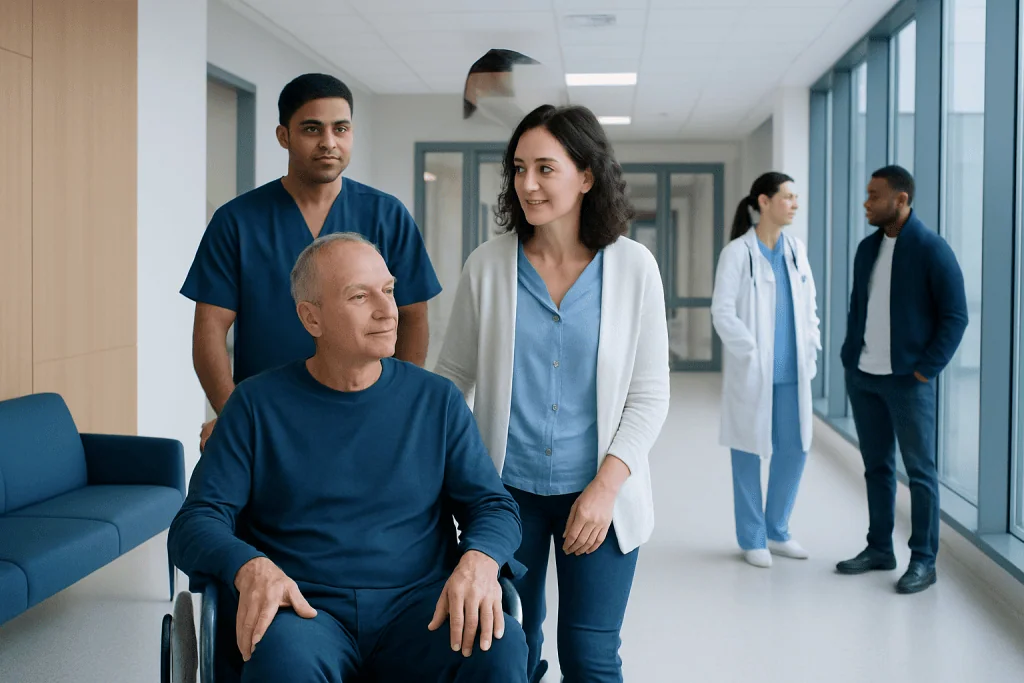
Most patients stay in the hospital for observation after a neuroendovascular procedure, though the exact length depends on the condition treated and the complexity of the procedure. Mild fatigue, bruising at the catheter entry site, and temporary activity limits are common during early recovery.
Key Takeaways
- Most patients stay in the hospital for observation after a neuroendovascular procedure, though the exact length depends on the condition treated and the complexity of the procedure.
- Mild fatigue, bruising at the catheter entry site, and temporary activity limits are common during early recovery.
- Follow-up appointments and imaging are important to confirm that blood vessels are healing well and that the treated area remains stable.
- Patients should seek urgent medical attention for severe headache, new weakness, trouble speaking, chest pain, heavy bleeding, or worsening confusion.
- Recovery instructions may differ depending on whether the procedure treated an aneurysm, stroke, arteriovenous malformation, or another vascular problem.
Neuroendovascular treatment recovery is often smoother than recovery after open brain surgery, but it still requires careful monitoring, rest, and follow-up. Understanding what to expect after the procedure can help patients and families feel more prepared and confident during healing.
Overview of Neuroendovascular Treatment Recovery
Neuroendovascular treatment is a minimally invasive way to diagnose or treat blood vessel conditions affecting the brain, head, neck, or spinal circulation. Instead of opening the skull, specialists guide a thin catheter through a blood vessel, often starting in the wrist or groin, to reach the target area. These procedures may be used for conditions such as brain aneurysm, stroke caused by a blocked artery, arteriovenous malformations, fistulas, or narrowed blood vessels.
Because the treatment is performed from inside the blood vessels, recovery is often faster than with open surgery. Even so, the brain and blood vessels need time to heal, and careful observation is essential in the first hours and days after the procedure. The care team watches for bleeding, changes in blood pressure, neurological symptoms, and reactions related to contrast dye or blood-thinning medicines.
Each patient’s recovery is different. Some people go home the next day, while others need a longer hospital stay because of the underlying condition, the urgency of treatment, or the need for intensive monitoring. A person treated after an emergency stroke, for example, may have a more complex recovery than someone who had a planned procedure for an unruptured aneurysm.
What to Expect During the Hospital Stay

Immediately after the procedure, patients are usually taken to a recovery area, high-dependency unit, or intensive care setting for close monitoring. Nurses and doctors check blood pressure, heart rate, oxygen levels, alertness, limb strength, speech, and the catheter entry site. If the catheter was placed through the groin, the patient may need to lie flat for a period of time. If the wrist was used, movement restrictions may be shorter.
It is common to feel sleepy, tired, thirsty, or mildly nauseated after sedation or anesthesia. Some patients also notice minor soreness or bruising where the catheter entered the body. Headache can occur in some cases, especially depending on the condition treated, but severe or worsening pain should always be reported promptly.
The hospital stay may be brief after a straightforward planned procedure, but it can be longer if the procedure was performed urgently or if the patient has other medical conditions. The team may perform repeat neurological examinations, blood tests, and in some cases follow-up imaging before discharge. Before going home, patients usually receive written instructions about medicines, wound care, activity, and warning signs to watch for.
Common Recovery Symptoms at Home

Once at home, many patients experience gradual improvement over several days to weeks. Tiredness is one of the most common symptoms. The body is recovering not only from the procedure itself, but also from stress, hospitalization, anesthesia, and in some cases the original neurological event. It is often helpful to pace activities and allow extra time for rest.
Mild bruising, tenderness, or a small lump at the catheter site can happen, especially after groin access. A small amount of discomfort with movement may also occur. Many people feel well enough to walk around the home soon after discharge, but strenuous exercise, heavy lifting, and activities that strain the abdomen or arms are usually limited for a short period.
Some patients also notice temporary headache, mild dizziness, or reduced concentration. These symptoms do not always mean a serious problem, but they should be mentioned during follow-up, especially if they are persistent. New weakness, confusion, speech difficulty, vision changes, fainting, heavy bleeding, or a rapidly enlarging swelling at the puncture site are not expected recovery symptoms and need urgent evaluation.
Activity Limits and Daily Care After the Procedure
Activity restrictions are designed to lower the risk of bleeding from the catheter site and support safe healing. Most patients are advised to avoid heavy lifting, strenuous exercise, intense bending, or forceful pushing and pulling for several days or longer, depending on the specific procedure. Driving may also be restricted for a period of time, especially if the person had a neurological event such as stroke, seizure, or significant sedation.
Walking is usually encouraged as a gentle way to regain strength and support circulation. However, it is best to increase activity gradually rather than trying to resume a full routine immediately. If there is any uncertainty about work, travel, stair climbing, sports, or sexual activity, the safest approach is to ask the treating team for individualized guidance.
Daily care also includes protecting the catheter entry site. Patients are often told to keep the area clean and dry, avoid soaking in baths or swimming until cleared, and watch for redness, warmth, drainage, bleeding, or increasing swelling. Good hydration may be encouraged after contrast-based procedures, unless a doctor has advised fluid restriction because of heart or kidney concerns.
- Rest when tired, but avoid staying in bed all day unless specifically instructed.
- Take prescribed medicines exactly as directed, including blood thinners or antiplatelet drugs if prescribed.
- Avoid smoking and limit alcohol, as both can interfere with vascular health and healing.
- Ask before restarting supplements or non-prescription medicines, especially those that may affect bleeding.
Medicines, Follow-Up Visits, and Imaging
Medication instructions after neuroendovascular treatment can vary widely. Some patients need antiplatelet medicines after stent placement, while others may need blood pressure treatment, pain relief, or medicines related to stroke prevention. It is important not to stop or change any prescription without medical advice, because doing so may increase the risk of clotting or bleeding.
Follow-up visits are a central part of recovery. During these appointments, the doctor reviews symptoms, checks neurological function, evaluates the catheter site, and discusses return to normal activities. Patients who underwent treatment for vascular conditions may also need repeat imaging to ensure the treated blood vessel remains stable and open.
Imaging follow-up may include CT, MRI, MRA, CTA, or catheter angiography, depending on the condition and the procedure performed. For example, patients treated with aneurysm treatment or embolization may need scheduled scans over time to confirm long-term results. Those treated urgently for stroke may also have close neurological follow-up after stroke treatment to monitor recovery and reduce the risk of future events.
When Recovery May Take Longer
Not all recoveries follow the same timeline. A longer or more difficult recovery may happen when the underlying condition itself caused brain injury or neurological symptoms before treatment. For instance, a patient treated after a major stroke may need rehabilitation for speech, movement, swallowing, or cognition, even if the blood vessel procedure was technically successful.
Recovery can also be affected by age, frailty, kidney disease, diabetes, heart disease, smoking, or the need for multiple procedures. Some treatments involve devices such as stents, coils, or flow diverters, and these may require more prolonged monitoring and longer medication courses. In these situations, the goal is not only healing from the puncture site but also protecting the treated blood vessel and supporting overall brain recovery.
Emotional recovery matters as well. It is not unusual to feel anxious after a diagnosis involving the brain or blood vessels. Patients may worry about recurrence, imaging results, or returning to normal life. Clear communication, regular follow-up, and support from family, rehabilitation specialists, and mental health professionals can all help during this period.
When to Call a Doctor or Seek Urgent Care
Most people recover without major problems, but certain warning signs need prompt medical attention. Patients should contact their doctor right away if they develop increasing pain, redness, warmth, drainage, or significant swelling at the catheter site. Fever, worsening headache, repeated vomiting, or symptoms that do not fit the expected recovery pattern should also be reported.
Urgent or emergency care is needed for signs that may suggest bleeding, stroke, or another serious complication. These include sudden weakness or numbness, facial drooping, trouble speaking, loss of balance, confusion, seizures, vision loss, chest pain, fainting, shortness of breath, or uncontrolled bleeding from the entry site. A severe new headache, especially if abrupt or unlike previous headaches, also needs immediate evaluation.
Before discharge, patients should know whom to call during office hours and after hours. They should also understand which symptoms require emergency services rather than waiting for a scheduled appointment. Near the end of recovery planning, some patients may benefit from continued specialist care at experienced centers; Acibadem International’s multidisciplinary specialists and JCI-accredited hospitals diagnose and treat neurovascular conditions for international patients, including advanced interventional neuroradiology procedures.
Frequently asked questions
How long is the hospital stay after neuroendovascular treatment?
The hospital stay can range from a short observation period to several days, depending on the reason for the procedure and the patient’s overall condition. Planned, uncomplicated procedures may involve a shorter stay, while emergency treatment for stroke or bleeding often requires longer monitoring.
Is recovery from neuroendovascular treatment easier than open brain surgery?
In many cases, yes. Because neuroendovascular treatment is minimally invasive and usually performed through a blood vessel in the wrist or groin, recovery is often faster and involves less physical trauma than open surgery. However, the underlying brain or blood vessel condition can still make recovery more complex.
When can normal activities be resumed?
Light activity such as walking is often possible soon after discharge, but strenuous exercise and heavy lifting are usually restricted for a period of time. The exact timeline depends on the catheter entry site, the type of treatment performed, and whether the patient had neurological symptoms before the procedure.
What symptoms are normal after going home?
Mild fatigue, bruising, tenderness at the catheter site, and sometimes a mild headache can occur during early recovery. These symptoms should gradually improve. Severe headache, new weakness, speech difficulty, confusion, chest pain, or heavy bleeding are not considered normal and need urgent medical attention.
Why are follow-up scans needed after treatment?
Follow-up imaging helps doctors confirm that the treated blood vessel remains stable and that the result of the procedure is holding over time. It can also help detect recurrence, narrowing, device-related issues, or the need for further treatment before symptoms develop.
Will medicines be needed after the procedure?
Many patients need medicines after neuroendovascular treatment, but the type depends on the condition treated and the devices used. Some may need antiplatelet therapy, blood pressure control, or stroke-prevention medicines. It is important to follow the treatment plan exactly and ask before stopping any medication.
References
- World Health Organization
- American Stroke Association
- National Institute of Neurological Disorders and Stroke
- Society of NeuroInterventional Surgery
- Radiological Society of North America
This article is for general information only and is not a substitute for professional medical advice. Please consult a qualified doctor about your individual situation.
Joint and spine care in Turkey — expert assessment & treatment
JCI-accredited · board-certified surgeons · reply within 24h
Add us as a Preferred Source to see more of our trusted health content across Google Search, AI Overviews and Discover.
Check your numbers in seconds
BMI, calories, due date, blood pressure and 30+ more clinical calculators — free, instant, doctor-reviewed ranges.

More from the Health Library



Related Specialists

Assoc. Prof. Dr. İzzet Doğan
Medical Oncology
Fzt. Neslihan Yıldızdağı
Pediatric Rehabilitation
Dr. Yusuf Gençten
Urology
Prof. Dr. S. Tolga Aydoğ
Physical Medicine & Rehabilitation