Neurogastroenterology Tests: Manometry, Transit Studies, and What Results Mean

Neurogastroenterology tests assess movement, pressure, coordination, and sensation in the digestive tract. Manometry tests are commonly used for the esophagus, anorectum, and sometimes the small bowel or colon.
Key Takeaways
- Neurogastroenterology tests assess movement, pressure, coordination, and sensation in the digestive tract.
- Manometry tests are commonly used for the esophagus, anorectum, and sometimes the small bowel or colon.
- Transit studies show how quickly food or stool moves through the stomach and intestines.
- Results are interpreted together with symptoms, medical history, and other tests rather than in isolation.
- Most of these tests are low risk and are done without surgery.
- Preparation instructions matter because food, laxatives, and some medicines can affect results.
Neurogastroenterology tests help doctors understand how the nerves and muscles of the digestive tract are working. These tests are often used when routine endoscopy or imaging does not fully explain symptoms such as swallowing difficulty, reflux, nausea, bloating, constipation, or fecal incontinence.
Overview of neurogastroenterology tests
Neurogastroenterology tests are specialized studies that evaluate how the digestive tract moves and how well its nerves and muscles work together. They are different from tests that look mainly at structure, such as endoscopy, ultrasound, or CT scans. A person may have normal-looking anatomy but still have symptoms caused by abnormal motility, pressure patterns, sensation, or coordination.
These tests are often recommended for ongoing symptoms that are difficult to explain, including trouble swallowing, chest discomfort related to swallowing, persistent reflux, nausea, vomiting, early fullness, abdominal bloating, severe constipation, and difficulty with bowel control. They can also help doctors distinguish between conditions that can feel similar but require different treatment approaches.
Common examples include esophageal manometry, anorectal manometry, gastric emptying studies, wireless motility capsule testing, and colonic transit studies. In some cases, doctors also use pH or impedance monitoring to assess reflux, especially when symptoms overlap with motility problems. The goal is not simply to name a test result, but to understand how the digestive system is functioning in daily life.
Why these tests may be recommended
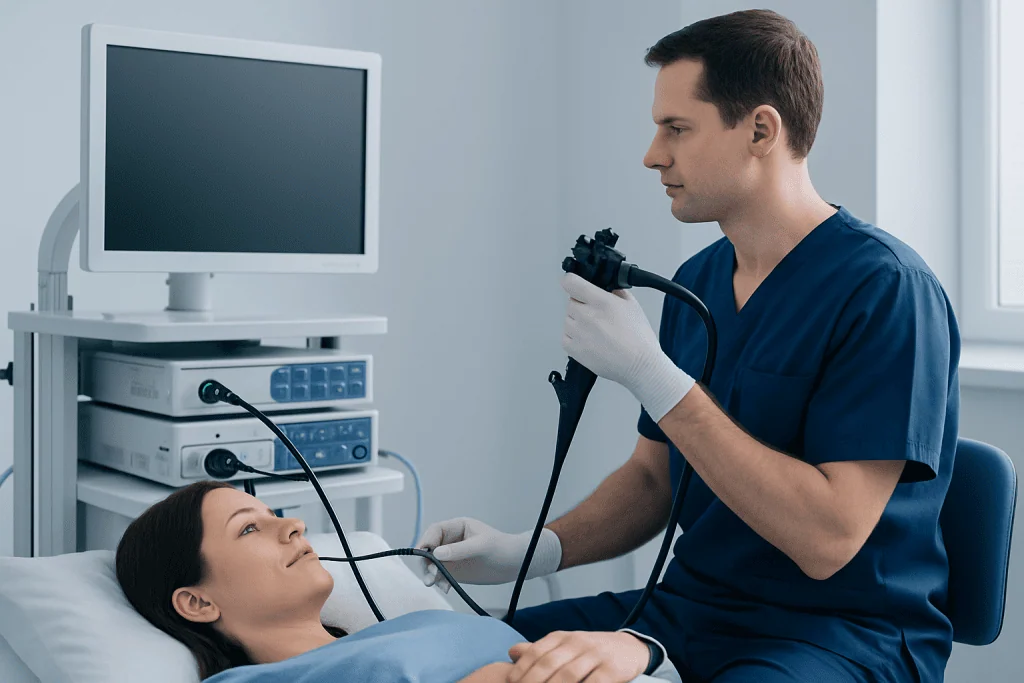
A doctor may consider neurogastroenterology testing when standard evaluation does not fully explain symptoms or when treatment has not helped as expected. For example, a person with swallowing difficulty may need esophageal manometry to see whether the esophagus is squeezing normally and whether the lower esophageal sphincter relaxes properly. Someone with long-term constipation may need anorectal testing or a transit study to clarify whether the problem is related to slow movement through the colon, difficulty emptying the rectum, or both.
These studies can also guide treatment decisions. They may help identify disorders such as achalasia, ineffective esophageal motility, gastroparesis, pelvic floor dyssynergia, or slow-transit constipation. In some situations, the findings help avoid unnecessary procedures by showing that symptoms are due to a functional or motility disorder rather than a blockage or other structural disease.
Doctors usually choose tests based on the main symptom pattern. A person with upper digestive symptoms may need different testing than someone with constipation or fecal incontinence. Because several conditions can overlap, results are most useful when reviewed by clinicians experienced in neurogastroenterology.
Types of tests: manometry and transit studies

Manometry measures pressure and muscle coordination inside the digestive tract. In esophageal manometry, a thin catheter passed through the nose into the esophagus records swallowing patterns and sphincter function. This test is commonly used before some reflux procedures and when doctors suspect motility conditions such as achalasia. Anorectal manometry uses a small tube in the rectum to measure anal sphincter pressure, rectal sensation, and coordination during pushing.
Transit studies evaluate how quickly material moves through the digestive system. A gastric emptying study usually involves eating a small meal containing a safe tracer so a scanner can measure how fast the stomach empties. This is commonly used when symptoms suggest gastroparesis. Colonic transit studies may use markers seen on X-ray or a wireless motility capsule to estimate how slowly or normally stool moves through the colon.
Other related studies may be used in selected cases. These can include balloon expulsion testing, defecography, pH-impedance monitoring for reflux, and antroduodenal or colonic manometry in complex motility disorders. Depending on the findings, a doctor may discuss treatments such as esophageal manometry evaluation as part of a broader plan or consider options linked to the underlying condition, such as achalasia treatment or gastroparesis treatment.
- Esophageal manometry: swallowing function and esophageal pressure patterns
- Anorectal manometry: rectal sensation, sphincter strength, and coordination
- Gastric emptying study: stomach emptying speed
- Colonic transit study: movement through the large intestine
- Wireless motility capsule: transit and pressure information across multiple regions
How to prepare and what to expect during testing
Preparation varies by test, but patients are usually asked not to eat or drink for a period beforehand. Some medicines may need to be paused temporarily because they can change motility or pressure readings. These may include laxatives, antidiarrheal medicines, opioid pain medicines, and certain drugs used for reflux, nausea, or muscle spasm. Patients should only stop medicines if the healthcare team specifically advises it.
Most neurogastroenterology tests are outpatient procedures and do not require surgery. Esophageal manometry usually takes less than an hour. A numbing gel may be used in the nose, and the patient swallows small amounts of water while the catheter records pressure. Anorectal manometry is also relatively brief and may include simple pushing, squeezing, and balloon sensation tasks. Gastric emptying studies and some transit tests can take several hours, and a few require images or X-rays over more than one day.
These tests can feel unfamiliar, but they are generally well tolerated. Mild gagging, nasal discomfort, bloating, or temporary cramping can occur with some procedures. The care team will explain each step, answer questions, and help the patient stay as comfortable as possible throughout the process.
What the results can mean
Results from neurogastroenterology tests describe patterns of function rather than a simple positive-or-negative answer. For example, esophageal manometry may show normal contractions, weak contractions, spasm-like activity, or poor relaxation of the lower esophageal sphincter. Anorectal testing may suggest low resting pressure, reduced rectal sensation, or a coordination problem during attempted bowel movements. Transit studies may show delayed stomach emptying, normal transit, or slow movement through parts of the colon.
Abnormal results do not always match symptom severity exactly. Some people with clear symptoms have only mild test changes, while others have notable abnormalities with fewer complaints. This is one reason specialists interpret findings alongside the full clinical picture, including symptom timing, diet, previous surgeries, medication use, neurologic conditions, diabetes, thyroid disease, and psychological stressors that may influence gut-brain function.
It is also important to know that one test may lead to another. For instance, a delayed gastric emptying study might prompt evaluation for causes such as diabetes, medication effects, or prior surgery. A patient with constipation may need both anorectal manometry and transit testing because difficulty evacuating stool and slow colonic movement can exist together. Careful interpretation helps turn test data into a treatment plan that makes sense for the individual.
Treatment options after testing
Treatment depends on the pattern found and on the person’s symptoms and overall health. Some motility disorders respond to diet changes, timed meals, hydration, bowel habit training, and medication adjustments. Others may benefit from prescription medicines that influence movement, secretion, or sensation in the gut. For reflux-related symptoms, management may also include lifestyle changes and, in selected cases, further specialized testing or procedures.
When anorectal manometry shows a coordination problem such as pelvic floor dyssynergia, biofeedback therapy is often an important treatment. This therapy uses guided exercises and feedback to retrain how the pelvic floor and abdominal muscles work during bowel movements. If testing shows weak anal sphincter tone or reduced sensation, treatment may focus on bowel regulation, pelvic floor rehabilitation, and identifying contributing neurologic or structural factors.
Some conditions need procedural or surgical treatment. For example, achalasia may require endoscopic or surgical therapy, while severe cases of gastroparesis or refractory constipation may need more advanced management in selected patients. Near the end of the diagnostic journey, a multidisciplinary center can be helpful. Acibadem International’s specialists and JCI-accredited hospitals diagnose and treat digestive motility disorders for international patients when more comprehensive evaluation is needed.
Self-care, follow-up, and when to seek medical advice
Self-care is most effective when it is tailored to the test findings. General measures may include eating smaller meals, chewing well, staying hydrated, gradually increasing fiber when appropriate, remaining physically active, and following a regular toilet routine. However, these steps are not right for every condition. For example, some people with severe bloating, delayed gastric emptying, or evacuation disorders may need a more individualized plan from a doctor or dietitian.
Follow-up matters because symptoms and motility patterns can change over time. A patient should ask what the results showed, whether they explain the symptoms fully, what treatment is recommended first, and when reassessment is needed. Keeping a symptom diary can be useful, especially when symptoms vary with meals, stress, menstrual cycles, or medications.
Medical advice should be sought promptly if symptoms are worsening, if there is unintentional weight loss, repeated vomiting, progressive trouble swallowing, dehydration, blood in stool, new fecal incontinence, severe abdominal pain, or symptoms that wake a person repeatedly at night. These signs do not always mean a serious condition, but they deserve timely evaluation by a qualified clinician.
Frequently asked questions
Are neurogastroenterology tests painful?
Most are uncomfortable rather than painful. Patients may notice gagging, pressure, bloating, or temporary cramping, depending on the test. The care team usually explains each step carefully and uses techniques to improve comfort.
How long does esophageal manometry take?
Esophageal manometry is usually completed within about 30 to 60 minutes. The exact timing can vary based on preparation, catheter placement, and how many swallowing measurements are needed.
Do abnormal transit study results always mean a serious disease?
No. Transit studies show how quickly material moves through the digestive tract, but delayed or rapid movement can happen for several reasons. Results need to be interpreted together with symptoms, medicines, medical history, and other tests.
Can these tests explain constipation?
Yes, they can often help clarify the cause of chronic constipation. Testing may show slow movement through the colon, trouble coordinating the muscles used for bowel movements, reduced rectal sensation, or a combination of these issues.
What is the difference between manometry and endoscopy?
Manometry measures pressure and muscle coordination, while endoscopy looks at the lining and structure of the digestive tract. They answer different questions, and many patients need both types of evaluation at different points.
Will medications affect the results?
Sometimes they can. Certain medicines change gut movement, sphincter pressure, or bowel function, so the medical team may give specific instructions about which drugs to continue or temporarily stop before testing.
References
- American Gastroenterological Association
- American College of Gastroenterology
- National Institute of Diabetes and Digestive and Kidney Diseases
- European Society of Neurogastroenterology and Motility
- International Foundation for Gastrointestinal Disorders
This article is for general information only and is not a substitute for professional medical advice. Please consult a qualified doctor about your individual situation.
Neurogastroenterology in Turkey — costs, top hospitals & a free quote
JCI-accredited · board-certified surgeons · reply within 24h
Add us as a Preferred Source to see more of our trusted health content across Google Search, AI Overviews and Discover.

Gastroenterology
Diagnosis and treatment of the digestive system and liver, with advanced endoscopy.
46 specialists in this unit