Neuroimmune Disorders: Symptoms That May Point to Autoimmune Brain or Nerve Disease

Neuroimmune disorders can affect thinking, movement, sensation, vision, balance, or behavior. Symptoms may come on suddenly or develop gradually over time.
Key Takeaways
- Neuroimmune disorders can affect thinking, movement, sensation, vision, balance, or behavior.
- Symptoms may come on suddenly or develop gradually over time.
- Diagnosis often involves a neurological exam, blood tests, imaging, and sometimes spinal fluid testing.
- Many neuroimmune conditions are treatable with medicines that calm or redirect the immune response.
- New or worsening confusion, seizures, severe weakness, or rapid vision changes need urgent medical attention.
Neuroimmune disorders happen when the immune system mistakenly targets parts of the nervous system, including the brain, spinal cord, or peripheral nerves. Symptoms can vary widely, but early evaluation may help identify treatable causes and support better recovery.
Overview: What Are Neuroimmune Disorders?
Neuroimmune disorders are conditions in which the immune system mistakenly attacks the nervous system. This may involve the brain, spinal cord, optic nerves, nerve roots, peripheral nerves, or the junction between nerves and muscles. Because the nervous system controls many body functions, these disorders can cause a broad range of symptoms that do not always look obviously related at first.
Some neuroimmune disorders mainly affect the central nervous system, such as autoimmune encephalitis, myelitis, or demyelinating diseases. Others affect the peripheral nervous system and may cause numbness, pain, tingling, weakness, or changes in reflexes. A person may have one main symptom at the beginning, while other features appear later.
These disorders are uncommon compared with more familiar neurological problems, but they are important because many are potentially treatable. Prompt recognition can help reduce inflammation, prevent complications, and improve the chances of recovery. In practice, diagnosis usually requires careful input from specialists in neurology, immunology, radiology, and laboratory medicine.
Symptoms That May Point to Autoimmune Brain or Nerve Disease
The symptoms of neuroimmune disorders depend on which part of the nervous system is affected. Brain involvement may lead to memory problems, confusion, personality change, unusual sleepiness, seizures, hallucinations, speech difficulty, poor coordination, or new psychiatric symptoms. Spinal cord inflammation can cause limb weakness, sensory changes, bowel or bladder problems, or trouble walking.
When peripheral nerves are involved, common symptoms include tingling, burning pain, numbness, loss of balance, muscle weakness, facial weakness, or reduced reflexes. Some people notice symptoms first in the feet or hands, while others develop more widespread problems. Vision changes, double vision, or painful eye movement can occur when the optic nerves are affected.
Possible warning signs include:
- Rapidly developing weakness in the arms or legs
- New numbness or pins-and-needles sensations
- Sudden confusion, memory loss, or behavior change
- Seizures without a known cause
- Balance problems or frequent falls
- Persistent nerve pain or unusual sensitivity
- Bladder or bowel dysfunction with neurological symptoms
- Visual loss or double vision
These symptoms do not always mean a neuroimmune disorder is present. Infections, stroke, metabolic conditions, medication effects, and other neurological diseases can cause similar problems. That is why a structured medical assessment is important rather than self-diagnosis.
Causes and Risk Factors

Neuroimmune disorders develop when immune activity becomes misdirected and damages nervous tissue. In some cases, the immune system creates antibodies that target proteins on nerve cells or supporting cells. In others, inflammation is driven more by immune cells than by a single antibody. Sometimes the cause is clear, but often no single trigger is identified.
Possible triggers or associations may include recent infection, another autoimmune disease, certain tumors, or, more rarely, a reaction after immune activation. Some conditions are linked to well-described antibodies, while others are diagnosed based on the pattern of symptoms, examination findings, imaging, and laboratory results. A family history of autoimmunity may increase susceptibility in some people, but these disorders are not usually inherited in a simple way.
Examples of related conditions include autoimmune encephalitis, inflammatory neuropathies, myelitis, and demyelinating disorders such as multiple sclerosis. In some patients, doctors also evaluate for overlap with myasthenia gravis or other autoimmune neurological diseases. Identifying the specific condition matters because treatment and follow-up can differ from one disorder to another.
How Doctors Diagnose Neuroimmune Disorders
Diagnosis begins with a detailed medical history and neurological examination. Doctors look closely at when symptoms started, how quickly they progressed, whether there were recent infections or autoimmune symptoms, and which parts of the nervous system appear affected. The pattern of weakness, sensory change, reflex findings, speech problems, or cognitive symptoms can provide important clues.
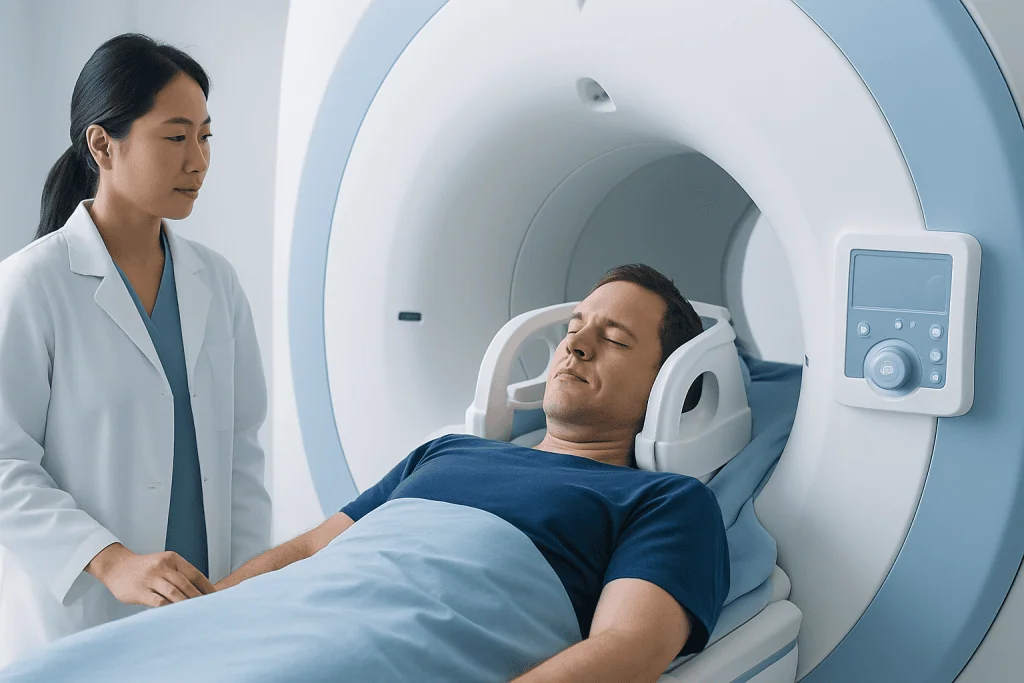
Tests are selected based on the suspected site of inflammation. Brain or spinal imaging is often used to look for inflammation, demyelination, or other structural causes, commonly through MRI. Blood tests may check for inflammation, autoimmune antibodies, infection, vitamin deficiencies, and metabolic problems. A lumbar puncture can help examine cerebrospinal fluid for immune activity, infection, or abnormal cells.
Additional studies may include nerve conduction studies and electromyography when peripheral nerve or muscle involvement is suspected. In selected cases, doctors may request EEG if seizures or unexplained episodes are present, or PET-CT to look for an underlying tumor associated with a paraneoplastic immune process. Diagnosis is often a step-by-step process, and sometimes repeated testing is needed if symptoms evolve over time.
Treatment Options
Treatment depends on the diagnosis, symptom severity, and how quickly the condition is progressing. The main goal is to reduce harmful immune activity and support recovery of the nervous system. Doctors also treat complications such as seizures, pain, sleep disruption, bladder symptoms, or mobility problems.
Immune-directed treatment may include corticosteroids, intravenous immunoglobulin, plasma exchange, or longer-term immunosuppressive medicines. In some antibody-mediated conditions, targeted therapies may be considered when first-line treatment is not enough. If an associated tumor or infection is found, treating that underlying problem is also an essential part of care.
Rehabilitation is often just as important as medical therapy. Physical therapy, occupational therapy, speech therapy, cognitive rehabilitation, and pain management can help people regain independence and function. For complex cases, multidisciplinary neuroimmunology care can help guide diagnosis and monitor response to treatment over time.
Near the end of the care pathway, some international patients may seek evaluation at centers with coordinated expertise. Acibadem International’s multidisciplinary specialists and JCI-accredited hospitals diagnose and treat neuroimmune disorders with individualized assessment and follow-up.
Prevention, Monitoring, and Self-care
Many neuroimmune disorders cannot be fully prevented because the exact trigger is often unknown. However, good general health practices can support overall recovery and reduce avoidable strain on the body. This includes taking medicines exactly as prescribed, keeping follow-up appointments, and reporting any new symptoms early rather than waiting for them to worsen.
People living with a diagnosed neuroimmune condition may benefit from tracking symptoms such as strength, walking ability, bladder changes, vision, memory, or fatigue. A simple symptom diary can help the care team recognize patterns and decide whether treatment is working. Regular monitoring may also include blood tests or imaging, especially when long-term immune therapy is used.
Supportive self-care may include:
- Getting adequate sleep and pacing daily activities
- Following physical therapy or home exercise guidance
- Eating a balanced diet and staying hydrated
- Reducing fall risks at home if balance is affected
- Seeking emotional support for stress, anxiety, or adjustment difficulties
- Discussing vaccinations, infection prevention, and medication safety with a doctor
It is important not to stop immune medicines suddenly unless a doctor advises it. Because these treatments can affect infection risk and other aspects of health, they should be monitored carefully by qualified clinicians.
When to See a Doctor
A person should arrange medical evaluation if they develop unexplained numbness, weakness, vision changes, new balance problems, persistent nerve pain, or concerning changes in memory or behavior. Symptoms that continue to progress over days or weeks deserve prompt attention, especially if they affect walking, speech, bladder control, or daily functioning.
Urgent care is needed for severe or rapidly worsening weakness, sudden confusion, seizures, inability to walk, loss of consciousness, or major vision loss. These symptoms can occur in neuroimmune disorders but also in other serious conditions such as stroke, infection, or toxic-metabolic problems. Early assessment helps doctors rule out emergencies and start treatment sooner if inflammation is present.
Even when symptoms seem mild, it is reasonable to consult a doctor if they are unusual, recurrent, or hard to explain. Neuroimmune disorders are complex, and a careful neurological review is the safest way to understand what is happening and what steps should come next.
Frequently asked questions
What is a neuroimmune disorder?
A neuroimmune disorder is a condition in which the immune system mistakenly attacks part of the nervous system. This can affect the brain, spinal cord, optic nerves, peripheral nerves, or related structures and lead to neurological symptoms.
Are neuroimmune disorders the same as multiple sclerosis?
No. Multiple sclerosis is one type of neuroimmune disease, but the term neuroimmune disorders is broader and includes many other conditions such as autoimmune encephalitis, inflammatory neuropathies, and myelitis. Each condition has its own pattern, tests, and treatment approach.
Can autoimmune brain disease cause psychiatric symptoms?
Yes. Some autoimmune brain disorders can cause confusion, memory problems, personality change, anxiety, agitation, hallucinations, or other psychiatric symptoms. Because these changes can resemble primary mental health conditions, neurological evaluation is important when symptoms are new, severe, or accompanied by seizures or other neurological signs.
How are neuroimmune disorders confirmed?
Doctors usually combine information from the medical history, neurological examination, blood tests, imaging, and sometimes cerebrospinal fluid analysis. Depending on symptoms, nerve tests or EEG may also be used. Confirmation often comes from the overall pattern rather than from a single test alone.
Are neuroimmune disorders treatable?
Many are treatable, especially when identified early. Treatment often aims to reduce inflammation, control the immune response, and support recovery with rehabilitation and symptom management. Response varies by condition and by how much nervous system injury has occurred before treatment begins.
When should someone seek urgent medical help?
Urgent medical care is needed for seizures, sudden confusion, rapidly worsening weakness, inability to walk, severe vision loss, or loss of consciousness. These symptoms may signal a serious neurological problem and should not be ignored.
References
- National Institute of Neurological Disorders and Stroke
- National Institute of Mental Health
- American Academy of Neurology
- Mayo Clinic
- MedlinePlus
This article is for general information only and is not a substitute for professional medical advice. Please consult a qualified doctor about your individual situation.
Joint and spine care in Turkey — expert assessment & treatment
JCI-accredited · board-certified surgeons · reply within 24h
Add us as a Preferred Source to see more of our trusted health content across Google Search, AI Overviews and Discover.