

Neuroinfectious Disease Testing: MRI, Spinal Tap, Blood Work, and What Results Mean

Neuroinfectious disease testing often combines imaging, spinal fluid analysis, and blood tests. No single test gives the full answer; doctors interpret results together with symptoms and examination findings.
Key Takeaways
- Neuroinfectious disease testing often combines imaging, spinal fluid analysis, and blood tests.
- No single test gives the full answer; doctors interpret results together with symptoms and examination findings.
- MRI can show inflammation, swelling, or abscesses, while a spinal tap can detect infection markers directly in cerebrospinal fluid.
- Blood tests may identify the germ, signs of inflammation, or conditions that affect immune response.
- Urgent medical evaluation is important for symptoms such as fever with severe headache, confusion, seizures, or neck stiffness.
Neuroinfectious disease testing helps doctors find infections that affect the brain, spinal cord, or nerves. Common tests include MRI, spinal tap, and blood work, and the results are interpreted together to identify the cause and guide treatment.
Overview
Neuroinfectious disease testing refers to the group of tests used when doctors suspect an infection involving the brain, spinal cord, the tissues around them, or the peripheral nerves. These infections can include meningitis, encephalitis, brain abscess, spinal infections, and certain nerve-related infections. Because the nervous system is delicate, early evaluation is important when symptoms raise concern.
Testing usually includes a medical history, neurological examination, imaging such as MRI or CT, laboratory blood work, and often a spinal tap, also called a lumbar puncture. Each test provides a different piece of information. Rather than relying on one result alone, clinicians compare all findings to understand whether an infection is likely and what type of organism may be responsible.
In many cases, the main goal is to answer a few practical questions quickly: Is there an infection? Where is it located? Is it caused by bacteria, viruses, fungi, parasites, or another process? Is there swelling, bleeding, or pressure that changes how urgently treatment should begin? Clear answers to these questions help doctors choose safe and appropriate care.
When Neuroinfectious Disease Testing Is Needed
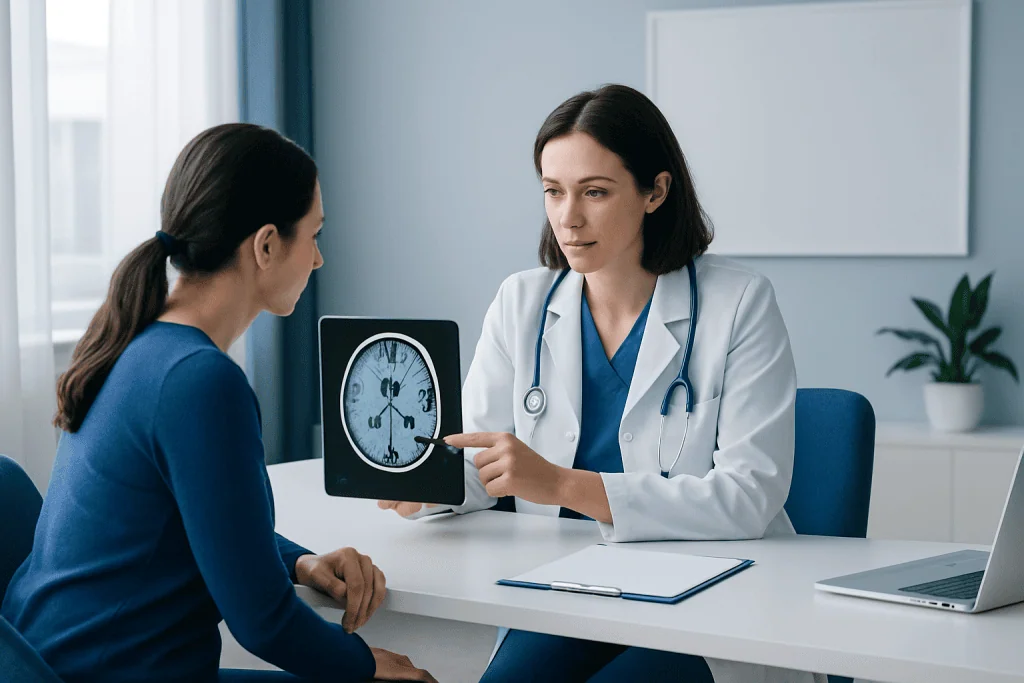
Doctors consider neuroinfectious disease testing when symptoms suggest that the central or peripheral nervous system may be inflamed or infected. Symptoms can vary widely depending on the area involved and the cause. Some people become ill very quickly, while others develop symptoms more gradually over days or weeks.
Common warning signs include fever, severe headache, neck stiffness, nausea, vomiting, confusion, unusual sleepiness, light sensitivity, seizures, weakness, numbness, trouble walking, changes in speech, or personality changes. In infants, older adults, and people with weakened immune systems, symptoms may be less typical and may include poor feeding, irritability, falls, or worsening confusion.
Testing may also be recommended after recent exposure risks or relevant medical history. Examples include recent ear or sinus infection, head trauma, neurosurgery, travel, insect bites, tuberculosis exposure, HIV infection, cancer treatment, organ transplant, or use of medicines that affect the immune system. These details help doctors decide which tests are most useful and how urgently they are needed.
MRI, CT, and Other Imaging Tests
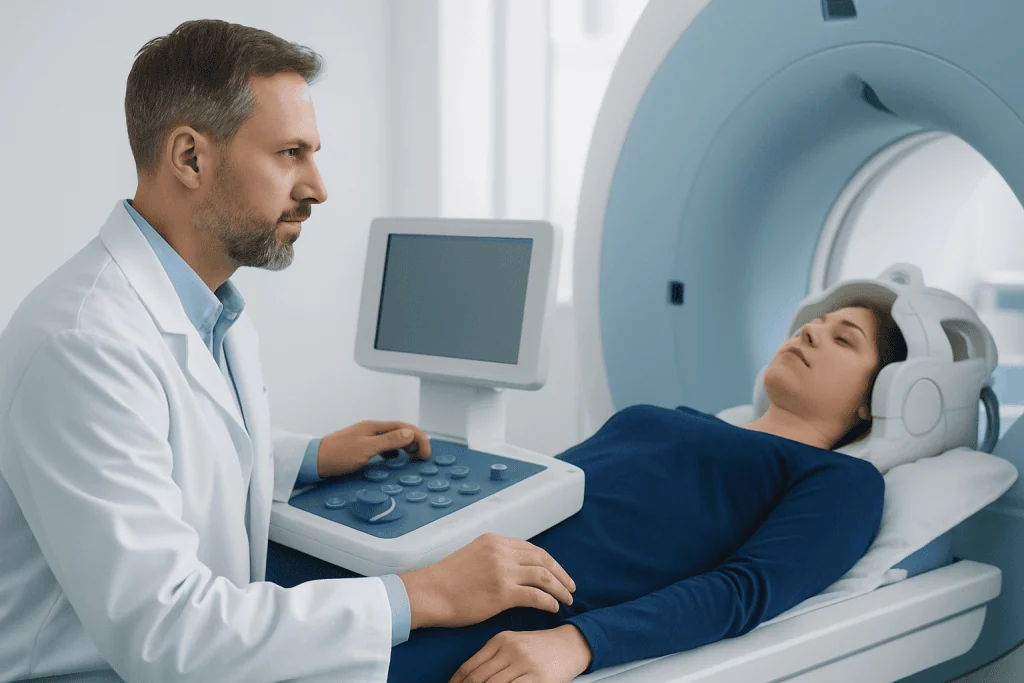
MRI is one of the most useful tools in neuroinfectious disease testing because it creates detailed images of the brain and spinal cord. It can show swelling, inflammation, abnormal fluid collections, abscesses, damage to nearby tissue, or patterns that suggest specific types of infection. In suspected encephalitis or deep infections, MRI may reveal changes that are not visible on other scans.
CT scanning is also commonly used, especially in emergency settings. CT is faster and widely available, so it may be the first imaging test if a person has severe symptoms, recent trauma, seizures, or signs of increased pressure inside the skull. Doctors may use CT before a spinal tap in selected patients to look for conditions that make lumbar puncture less safe, such as significant swelling or a mass effect.
Sometimes imaging is normal early in the illness, which is why a normal scan does not always rule out infection. Imaging results are interpreted together with symptoms, examination findings, and laboratory studies. If needed, doctors may repeat imaging later to monitor changes or to look more closely at findings first seen on CT. In some patients, care may involve advanced MRI imaging or additional brain MRI when the diagnosis remains unclear.
Spinal Tap: What It Shows and What to Expect
A spinal tap, or lumbar puncture, is a key test when meningitis, encephalitis, or another infection of the central nervous system is suspected. During the procedure, a doctor collects a small sample of cerebrospinal fluid, the clear liquid that surrounds the brain and spinal cord. This fluid can provide direct evidence of inflammation or infection in a way that blood tests alone often cannot.
The sample is examined for several features, including white blood cell count, protein, glucose, pressure, and the presence of bacteria, viruses, fungi, or other organisms. Special tests may include culture, Gram stain, polymerase chain reaction (PCR), and selected antibody or antigen studies. These results help doctors narrow down whether the cause is more likely bacterial, viral, fungal, tuberculous, or related to another inflammatory condition.
Many people worry about discomfort or complications, but lumbar puncture is a routine medical procedure when done by trained professionals. The lower back is cleaned carefully, local numbing medicine is used, and the needle is placed below the level of the spinal cord. Temporary soreness or headache can happen afterward, but serious complications are uncommon. In some situations, doctors may use imaging guidance or delay the procedure if there are safety concerns.
Blood Work and Other Laboratory Tests
Blood tests are an important part of neuroinfectious disease testing, even though they do not replace spinal fluid analysis. They can show signs of inflammation, help identify the likely organism, and reveal other medical issues that influence diagnosis and treatment. Common examples include a complete blood count, inflammatory markers, kidney and liver function tests, blood cultures, and tests that evaluate immune function.
Blood cultures are especially helpful when bacterial infection is suspected, because bacteria in the bloodstream can sometimes be grown and identified. Serology or molecular tests may be used for certain viruses, parasites, or tick-borne infections. Doctors may also test for conditions that change susceptibility to infection, such as diabetes, HIV, or other causes of reduced immunity.
Depending on symptoms, clinicians may order additional specimens beyond blood and spinal fluid. These can include nasal swabs, throat samples, sputum, urine, stool, or skin lesion testing. If a patient has a suspected abscess or a chronic infection, tissue sampling may occasionally be needed. The choice of tests depends on the pattern of illness and possible exposures, not just on one symptom alone.
What the Results Mean
Test results are interpreted as a whole rather than in isolation. For example, a spinal fluid sample with many white blood cells, high protein, and low glucose can suggest a bacterial infection, but the final interpretation still depends on symptoms, imaging, cultures, and timing. Viral infections may produce a different pattern, often with increased white blood cells but less dramatic changes in glucose. Fungal and tuberculous infections can have overlapping features and may require specialized testing.
MRI findings may show inflammation of brain tissue, which can support a diagnosis such as encephalitis, or inflammation of the coverings around the brain and spinal cord, which can fit with meningitis. However, similar imaging patterns can sometimes occur in autoimmune disorders, stroke, cancer, or metabolic conditions. That is why doctors do not rely on imaging alone to confirm infection.
Sometimes results are inconclusive at first. Cultures may take time, PCR tests may be negative if performed very early or after antibiotics, and imaging may evolve over time. In these situations, doctors may begin treatment based on the most likely cause while continuing to monitor and repeat selected tests. This cautious approach helps avoid delay when a serious infection is possible.
It is also important to remember that an abnormal result does not always mean permanent damage. Many findings reflect temporary inflammation that may improve with treatment. Follow-up examinations, repeat scans, and recovery of thinking, strength, or comfort over time all help doctors understand prognosis.
Treatment and Follow-Up After Testing
Treatment depends on the cause suggested by the test results and the urgency of the clinical picture. If bacterial meningitis or another serious infection is strongly suspected, doctors may start treatment before all results are final. This is common and appropriate, because some infections can worsen quickly if care is delayed. Antiviral, antifungal, antiparasitic, or anti-tuberculosis treatment may be used when indicated.
Supportive care is also an important part of management. This can include fluids, pain control, fever management, seizure treatment, breathing support if needed, and careful monitoring in the hospital. Some patients need consultation from specialists in infectious diseases, neurology, neuroradiology, critical care, or neurosurgery, especially if there is swelling, an abscess, or complications involving the spine.
Follow-up may include repeat blood work, another spinal tap in selected cases, or repeat imaging to confirm that the infection is improving. Rehabilitation can also be helpful if a person experiences weakness, balance problems, memory changes, or fatigue during recovery. In complex cases, evaluation may involve neurology care and additional infectious diseases assessment. Near the end of the care pathway, some international patients may choose centers such as Acibadem International, where multidisciplinary specialists in JCI-accredited hospitals evaluate and treat neuroinfectious conditions.
When to See a Doctor
Urgent medical care is important for symptoms that could suggest a nervous system infection. A person should seek immediate evaluation for fever with severe headache, neck stiffness, confusion, fainting, new seizure, weakness, difficulty speaking, severe drowsiness, or a rapidly changing mental state. These symptoms do not always mean infection, but they should never be ignored.
People with cancer, HIV, recent transplant, long-term steroid use, or other immune-suppressing conditions should be especially cautious, because infections may progress faster or present in less obvious ways. Babies, older adults, and pregnant individuals may also need prompt evaluation even when symptoms seem mild at first.
If symptoms are persistent but not severe, a medical appointment is still wise. Ongoing headache, unexplained fever, unusual numbness, facial weakness, personality changes, or lasting fatigue after an infection may need further assessment. Timely testing can clarify whether the nervous system is involved and whether treatment or monitoring is needed.
Frequently asked questions
What is neuroinfectious disease testing?
Neuroinfectious disease testing is the evaluation used to look for infections affecting the brain, spinal cord, or nerves. It often includes a neurological exam, imaging, blood tests, and sometimes a spinal tap to study cerebrospinal fluid.
Why would a doctor order an MRI for a suspected nervous system infection?
MRI can show inflammation, swelling, abscesses, or tissue changes in the brain or spinal cord. It helps doctors see where the problem may be located and whether there are complications that affect treatment decisions.
Is a spinal tap always necessary?
Not always, but it is often one of the most useful tests when meningitis or encephalitis is suspected. Doctors decide based on symptoms, examination findings, imaging, and whether the procedure is safe in that situation.
What can blood tests show in neuroinfectious disease testing?
Blood tests can show signs of inflammation, help detect infection in the bloodstream, and identify conditions that affect immunity. They can also support the diagnosis of specific viral, bacterial, fungal, or parasitic infections.
Can test results be normal even if an infection is present?
Yes, especially early in the illness or after treatment has already started. That is why doctors often interpret test results together and may repeat certain studies if symptoms continue or change.
How quickly do results come back?
Some results, such as routine blood work, basic spinal fluid findings, or CT scans, may be available the same day. Other tests, including cultures and some specialized molecular or antibody studies, can take longer.
When should someone go to the emergency department?
Emergency care is appropriate for severe headache with fever, neck stiffness, confusion, seizures, weakness, trouble speaking, or unusual drowsiness. These symptoms need urgent medical evaluation because some nervous system infections require rapid treatment.
References
- World Health Organization
- Centers for Disease Control and Prevention
- National Institute of Neurological Disorders and Stroke
- Infectious Diseases Society of America
- American Academy of Neurology
This article is for general information only and is not a substitute for professional medical advice. Please consult a qualified doctor about your individual situation.
Joint and spine care in Turkey — expert assessment & treatment
JCI-accredited · board-certified surgeons · reply within 24h
Add us as a Preferred Source to see more of our trusted health content across Google Search, AI Overviews and Discover.

Infectious Diseases Department
22 specialists in this unitMore from the Health Library



Related Specialists

Dr. Iretiola Albert
Inpatient Clinic Physicians Clinical Service
Prof. Dr. Sinan Dağdelen
Cardiology
Dr. Jason Ömer Holtzclaw
Neurosurgery
Dr. Mehmet Soner Sarmaşık
Pediatrics