Neuroleptic Malignant Syndrome: Diagnosis, Outlook, and Modern Treatment Approaches

Neuroleptic malignant syndrome is a medical emergency that can follow use of antipsychotics or other dopamine-blocking drugs. Core features often include high fever, severe muscle rigidity, changes in mental status, and unstable blood pressure or heart rate.
Key Takeaways
- Neuroleptic malignant syndrome is a medical emergency that can follow use of antipsychotics or other dopamine-blocking drugs.
- Core features often include high fever, severe muscle rigidity, changes in mental status, and unstable blood pressure or heart rate.
- Diagnosis is clinical and supported by blood tests, medication history, and exclusion of other urgent conditions.
- Treatment focuses on stopping the triggering medicine, intensive supportive care, and sometimes targeted medications.
- Most people improve with early treatment, but recovery may take days to weeks and future medication plans need specialist guidance.
Neuroleptic malignant syndrome is a rare but serious reaction most often linked to antipsychotic or other dopamine-blocking medicines. Prompt recognition, stopping the triggering drug, and supportive hospital care usually guide treatment, while outlook depends on how quickly it is diagnosed and managed.
Overview: what neuroleptic malignant syndrome is
Neuroleptic malignant syndrome is a rare, potentially life-threatening reaction to medicines that block dopamine signaling, most commonly antipsychotic drugs. It can also happen after sudden withdrawal of certain dopaminergic medicines used in movement disorders. Although uncommon, it requires urgent hospital evaluation because symptoms can progress quickly and affect the brain, muscles, kidneys, heart, and breathing.
The syndrome is best understood as a severe disturbance in the body’s ability to regulate muscle tone, temperature, and the autonomic nervous system. This can lead to very high fever, marked muscle stiffness, confusion, sweating, fast heart rate, and swings in blood pressure. Not every person has every feature, which is one reason early diagnosis can be challenging.
Neuroleptic malignant syndrome differs from ordinary medication side effects because it reflects a systemic crisis rather than a mild or expected reaction. It also needs to be distinguished from other emergencies such as severe infection, heat stroke, malignant hyperthermia, and serotonin syndrome. In practice, doctors look at the whole pattern: symptoms, examination findings, medication changes, and laboratory results.
Symptoms and early warning signs
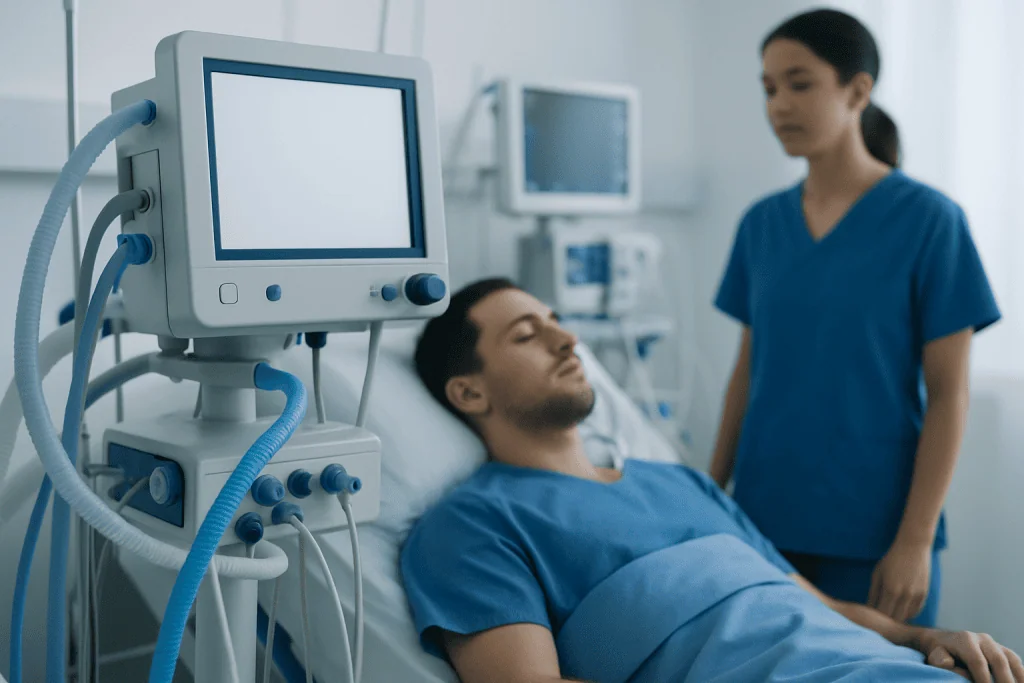
The classic symptom pattern includes fever, generalized muscle rigidity, changes in mental status, and autonomic instability. Mental status changes may range from anxiety and agitation to confusion, slowed responsiveness, or decreased consciousness. Autonomic instability refers to problems with automatic body functions, such as rapid heart rate, heavy sweating, abnormal breathing, or fluctuating blood pressure.
Symptoms do not always begin dramatically. Some people first develop unusual restlessness, increasing muscle stiffness, tremor, difficulty speaking, or worsening drowsiness after starting a new medicine or increasing a dose. Over hours to days, this may progress to high temperature, profound rigidity, dehydration, and abnormal laboratory findings.
Common features can include:
- High fever or rising body temperature
- Severe muscle stiffness or rigidity
- Confusion, agitation, or reduced alertness
- Fast heartbeat or irregular pulse
- Changes in blood pressure
- Heavy sweating
- Tremor
- Difficulty swallowing
- Reduced urine output or dark urine, which may suggest muscle breakdown
Because the presentation can overlap with other neurological and medical conditions, any person with fever and rigidity after a medication change should be assessed urgently. In some cases, the condition may occur together with movement-related side effects, including Parkinson’s disease treatment interruption or severe drug-induced muscle symptoms.
Causes and risk factors

The most common trigger is exposure to antipsychotic medication, especially when a drug is newly started, rapidly increased, given at high potency, or used by injection. However, neuroleptic malignant syndrome is not limited to one specific medicine class. Other dopamine-blocking drugs used for nausea or gastrointestinal symptoms can also be involved, and sudden reduction or stopping of dopaminergic therapy may provoke a similar syndrome in susceptible people.
The underlying mechanism is not fully explained by a single pathway, but impaired dopamine activity in the brain is thought to play a central role. This can disrupt temperature regulation, muscle control, and autonomic function. Intense muscle contraction may lead to muscle breakdown, which in turn can strain the kidneys and contribute to dangerous complications.
Risk factors do not guarantee that neuroleptic malignant syndrome will occur, but they may increase vulnerability. These can include dehydration, agitation, catatonia, high environmental heat, physical exhaustion, underlying neurological illness, previous episodes of the syndrome, and use of more than one dopamine-blocking medicine. Medical teams also pay attention to recent medication changes, poor fluid intake, and concurrent illnesses.
Importantly, this reaction can occur even when a person has taken a medication before without problems. That is why careful review of recent prescriptions, dose adjustments, injectable treatments, and missed movement-disorder medicines is a key part of assessment.
How doctors diagnose it
There is no single test that confirms neuroleptic malignant syndrome on its own. Diagnosis is mainly clinical, meaning doctors combine the symptom pattern with medication history, physical examination, and targeted tests. They also work quickly to rule out conditions that can look similar, including meningitis, encephalitis, sepsis, severe dehydration, heat stroke, serotonin syndrome, and malignant hyperthermia.
Blood tests often help show the effects of the syndrome on the body. Doctors may check creatine kinase, which can rise when muscles break down, as well as kidney function, electrolytes, liver-related markers, complete blood count, and inflammatory markers. Urine tests can look for signs of dehydration or muscle breakdown. An electrocardiogram may be needed to monitor heart rhythm, and imaging or lumbar puncture may be considered if another neurological or infectious cause is suspected.
Medication timing matters. Symptoms often appear within days to weeks of starting or increasing a dopamine-blocking drug, but timing can vary. A careful review of prescription medicines, emergency medicines for nausea, recent injections, and any abrupt stopping of Parkinson’s medications can be crucial to recognizing the pattern.
Because altered consciousness, stiffness, and fever may suggest a severe nervous system disorder, some people are assessed by specialists in neurology evaluation or monitored in higher-acuity hospital settings. Early recognition is one of the strongest factors supporting a better outcome.
Modern treatment approaches and hospital care
The first step in treatment is stopping the triggering medicine or restoring essential dopaminergic therapy when sudden withdrawal is part of the problem. Hospital care is then directed at stabilizing temperature, hydration, breathing, circulation, and kidney function. Many patients need close monitoring because complications can develop quickly, especially when fever and rigidity are severe.
Supportive care is the foundation of modern treatment. This may include intravenous fluids, cooling measures, oxygen if needed, careful electrolyte correction, and treatment of complications such as kidney injury or abnormal heart rhythms. Doctors also monitor urine output and blood tests closely, since muscle breakdown can place significant stress on the body.
In selected cases, clinicians may use medications that reduce rigidity or support dopamine activity, depending on the individual presentation and the treating team’s judgment. Sedation may be used when agitation worsens muscle activity or raises temperature further. If swallowing is unsafe or consciousness is reduced, nutritional support and airway protection may also be necessary.
Because recovery often involves more than one specialty, treatment may draw on intensive care, internal medicine, psychiatry, and sometimes brain and nerve rehabilitation once the acute phase has passed. When another serious neurological condition is being considered, doctors may also evaluate for related disorders such as epilepsy or other causes of altered mental status. At centers such as Acibadem International, multidisciplinary specialists in JCI-accredited hospitals diagnose and treat complex neurological and medication-related conditions for international patients.
Outlook, recovery, and future medication planning
With early diagnosis and appropriate hospital treatment, many people recover from neuroleptic malignant syndrome. Improvement in fever and autonomic symptoms may begin within days, while muscle rigidity, weakness, and fatigue can take longer to settle. The overall outlook depends on symptom severity, how quickly treatment begins, and whether complications such as kidney injury, breathing problems, or infection occur.
Recovery does not end when the temperature normalizes. Doctors often continue monitoring laboratory markers, fluid balance, and neurological status until the person is clearly stable. Some patients feel tired, deconditioned, or mentally slowed for a period afterward, especially after an intensive hospital stay. In these cases, gradual recovery support may help restore strength and function.
One of the most important long-term questions is whether and how to restart psychiatric or movement-disorder medication. This decision should be individualized and made cautiously with specialist input. If a medicine is reintroduced, doctors usually consider an alternative drug, a lower starting dose, slower titration, careful hydration, and close observation for recurrence.
Patients and families may find it helpful to keep a clear record of the episode, including the suspected trigger and the treating team’s recommendations. This information can guide future care in emergency, psychiatric, and neurological settings and reduce the chance of repeated exposure to a problematic medicine.
Prevention and self-care after recovery
Neuroleptic malignant syndrome cannot always be prevented, but risk can often be reduced through careful medication management. Patients should not start, stop, or change the dose of antipsychotics or dopaminergic drugs without medical advice. Clinicians generally aim for thoughtful prescribing, slower dose adjustments when appropriate, and attention to hydration and general medical health.
After recovery, follow-up matters. A person may need coordinated care between psychiatry, neurology, and primary care to review ongoing medication needs, monitor for recurrence, and address any remaining weakness or functional issues. Family members can help by watching for early changes such as unusual stiffness, fever, reduced responsiveness, or sudden autonomic symptoms after medication changes.
Helpful self-care measures after discharge may include:
- Taking medicines exactly as prescribed
- Keeping follow-up appointments
- Staying well hydrated, especially during illness or hot weather
- Reporting side effects promptly rather than stopping medication abruptly
- Carrying an updated medication list and a note about the previous episode
If rehabilitation is needed because of weakness, mobility problems, or prolonged hospitalization, a doctor may recommend supportive therapies such as physical therapy and rehabilitation. These measures do not replace medical treatment, but they can support recovery and safer return to daily activities.
When to seek medical care
Urgent medical attention is needed if a person taking an antipsychotic or other dopamine-blocking medicine develops fever, marked muscle stiffness, confusion, severe agitation, fainting, trouble breathing, or a rapid worsening in general condition. The same applies if symptoms begin after abrupt stopping of medicines used for Parkinson’s disease or other movement disorders. Neuroleptic malignant syndrome is not something to monitor at home when these warning signs are present.
Even milder early symptoms deserve prompt contact with a doctor, especially after a recent medication start or dose increase. Examples include increasing rigidity, unusual tremor, sudden drowsiness, heavy sweating, difficulty swallowing, or unexplained changes in pulse or blood pressure. Early assessment can help distinguish a dangerous drug reaction from other medication side effects.
People who have had neuroleptic malignant syndrome before should tell every clinician involved in their care, including emergency doctors, psychiatrists, neurologists, and surgeons. This history can influence future medicine choices and help prevent recurrence. If there is any doubt, it is safest to seek immediate medical evaluation.
Frequently asked questions
Is neuroleptic malignant syndrome rare?
Yes. Neuroleptic malignant syndrome is considered uncommon, but it is medically important because it can be life-threatening. Its rarity can make it harder to recognize quickly, especially if symptoms are incomplete or overlap with other conditions.
How quickly can neuroleptic malignant syndrome develop?
It often develops within days to weeks after starting or increasing a dopamine-blocking medicine, but timing varies. In some people, symptoms emerge more gradually, while in others the condition worsens over a short period and becomes an emergency.
What is the difference between neuroleptic malignant syndrome and serotonin syndrome?
Both are serious medication-related conditions, but they involve different drug mechanisms and often have different examination findings. Neuroleptic malignant syndrome is more strongly associated with severe rigidity and dopamine blockade, while serotonin syndrome more often features increased reflexes, clonus, and serotonergic drug exposure.
Can someone recover fully from neuroleptic malignant syndrome?
Many people do recover fully, especially when diagnosis and treatment happen early. Recovery time differs from person to person, and some may need ongoing monitoring or rehabilitation after the acute phase.
Can neuroleptic malignant syndrome happen with medications other than antipsychotics?
Yes. While antipsychotics are the most common triggers, other dopamine-blocking medicines can also be involved. A similar syndrome can also occur after suddenly stopping dopaminergic medicines, particularly in people treated for movement disorders.
Can antipsychotic treatment ever be restarted after neuroleptic malignant syndrome?
Sometimes, but only with careful specialist supervision. Doctors usually weigh the risks and benefits, consider a different medicine, restart at a low dose if needed, and monitor closely for any signs of recurrence.
References
- National Institute of Neurological Disorders and Stroke
- National Institute of Mental Health
- Merck Manual Professional Edition
- UpToDate
- American Psychiatric Association
This article is for general information only and is not a substitute for professional medical advice. Please consult a qualified doctor about your individual situation.
Explore treatments in Turkey — costs, top hospitals & a free quote
JCI-accredited · board-certified surgeons · reply within 24h
Add us as a Preferred Source to see more of our trusted health content across Google Search, AI Overviews and Discover.
Check your numbers in seconds
BMI, calories, due date, blood pressure and 30+ more clinical calculators — free, instant, doctor-reviewed ranges.