Neurological Diseases and Brain Disorders: When Degeneration Is Involved
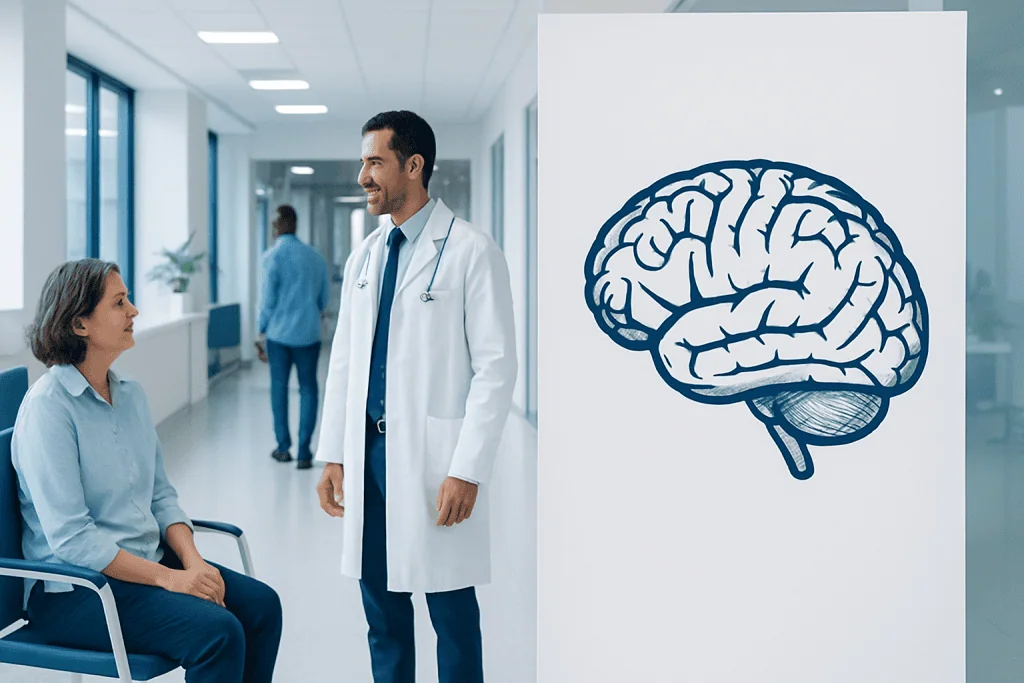
Degenerative neurological disorders involve progressive changes in brain cells or nerve cells. Common symptoms may affect memory, movement, balance, speech, mood, or daily functioning.
Key Takeaways
- Degenerative neurological disorders involve progressive changes in brain cells or nerve cells.
- Common symptoms may affect memory, movement, balance, speech, mood, or daily functioning.
- Diagnosis usually combines a medical history, neurological examination, imaging, and other specialized tests.
- Treatment focuses on symptom control, maintaining independence, and slowing progression when possible.
- Rehabilitation, lifestyle support, and caregiver education are important parts of long-term care.
Neurological diseases and brain disorders include a wide range of conditions that affect the brain, spinal cord, and nerves. When degeneration is involved, symptoms may develop gradually over time, but early diagnosis and supportive treatment can help protect function and quality of life.
Overview
Neurological diseases and brain disorders are conditions that affect the central and peripheral nervous system. This includes the brain, spinal cord, and nerves throughout the body. Some neurological conditions are caused by injury, infection, stroke, or immune disorders. Others involve degeneration, meaning that nerve cells gradually become damaged or lost over time.
Neurodegenerative diseases can affect different parts of the nervous system, so symptoms vary from one person to another. In some people, the first changes involve memory and thinking. In others, the earliest signs may be tremor, stiffness, weakness, poor balance, or changes in speech and swallowing. These conditions may develop slowly, which can make early symptoms easy to overlook.
Examples of degenerative brain and nervous system disorders include Alzheimer’s disease, Parkinson’s disease, amyotrophic lateral sclerosis, Huntington’s disease, and some forms of frontotemporal dementia. While each condition has unique features, they share one important characteristic: symptoms often progress over time and may require long-term medical follow-up.
Although degeneration cannot always be reversed, timely medical care can still make a meaningful difference. Accurate diagnosis helps guide treatment, rehabilitation, safety planning, and emotional support for both the person affected and their family.
Symptoms
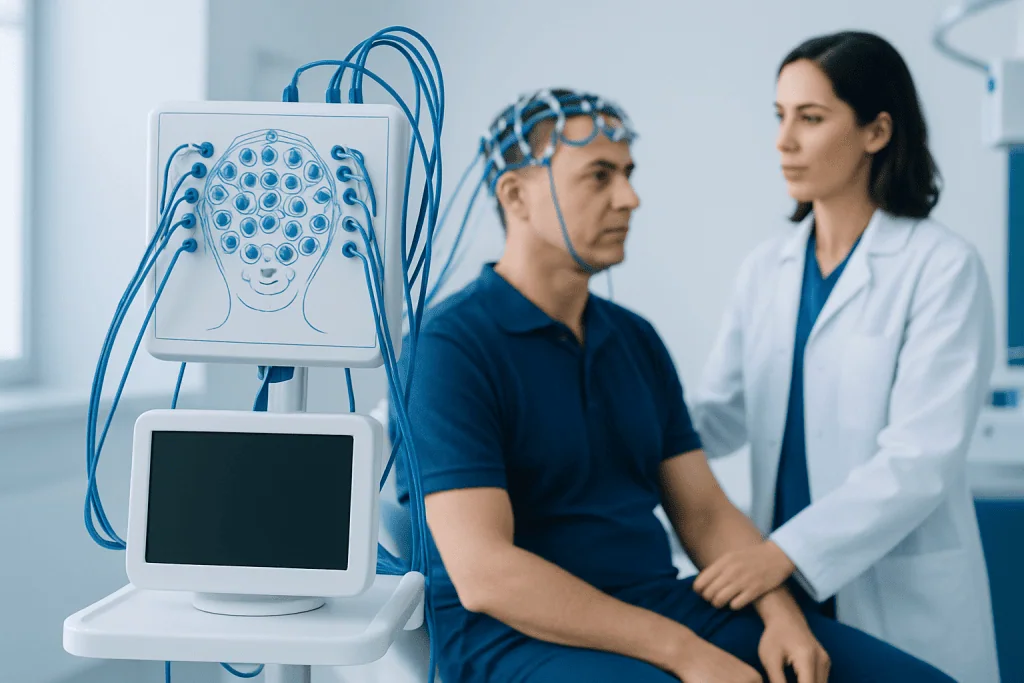
The symptoms of neurological diseases and brain disorders depend on which area of the nervous system is affected. Cognitive symptoms may include forgetfulness, difficulty finding words, confusion, reduced concentration, or problems with planning and decision-making. Movement-related symptoms can include tremor, slowness, stiffness, muscle weakness, poor coordination, or trouble walking.
Some people develop sensory changes such as numbness, tingling, pain, vision changes, or reduced awareness of body position. Others may notice changes in mood, behavior, sleep, or personality. Speech may become softer, less clear, or more difficult to understand, and swallowing problems may appear in certain degenerative conditions.
Symptoms often begin subtly. A person may seem more forgetful than usual, move more slowly, or become less steady on their feet. Family members are sometimes the first to notice changes in daily function, such as trouble managing finances, increased falls, changes in facial expression, or difficulty completing familiar tasks.
- Memory loss or confusion
- Tremor, stiffness, or slowed movement
- Balance problems or falls
- Weakness or muscle wasting
- Speech or swallowing difficulties
- Changes in mood, sleep, or behavior
Causes and Risk Factors
Degenerative neurological disorders can arise from complex biological changes inside nerve cells. In some conditions, abnormal proteins build up in the brain. In others, there is progressive loss of specific groups of neurons that control memory, movement, or muscle function. Researchers continue to study why these changes happen and why some people are affected while others are not.
Age is one of the most important risk factors for many neurodegenerative diseases, especially those linked to memory and movement. Family history can also play a role. Some conditions have a stronger inherited component, while others result from a mix of genetic predisposition and environmental influences. Exposure to certain toxins, repeated head injury, vascular risk factors, and overall health status may also contribute in some cases.
It is important to remember that not all neurological symptoms mean a person has a degenerative disease. Conditions such as vitamin deficiencies, thyroid disorders, infections, medication side effects, sleep disorders, depression, or structural problems in the brain can sometimes mimic degeneration. That is why a careful medical evaluation is essential.
Some degenerative conditions overlap with other neurological disorders, and symptoms may evolve over time. For example, a doctor may need to distinguish a neurodegenerative disease from stroke, brain tumor, or other causes of cognitive or motor decline before confirming a diagnosis.
How Diagnosis Is Made
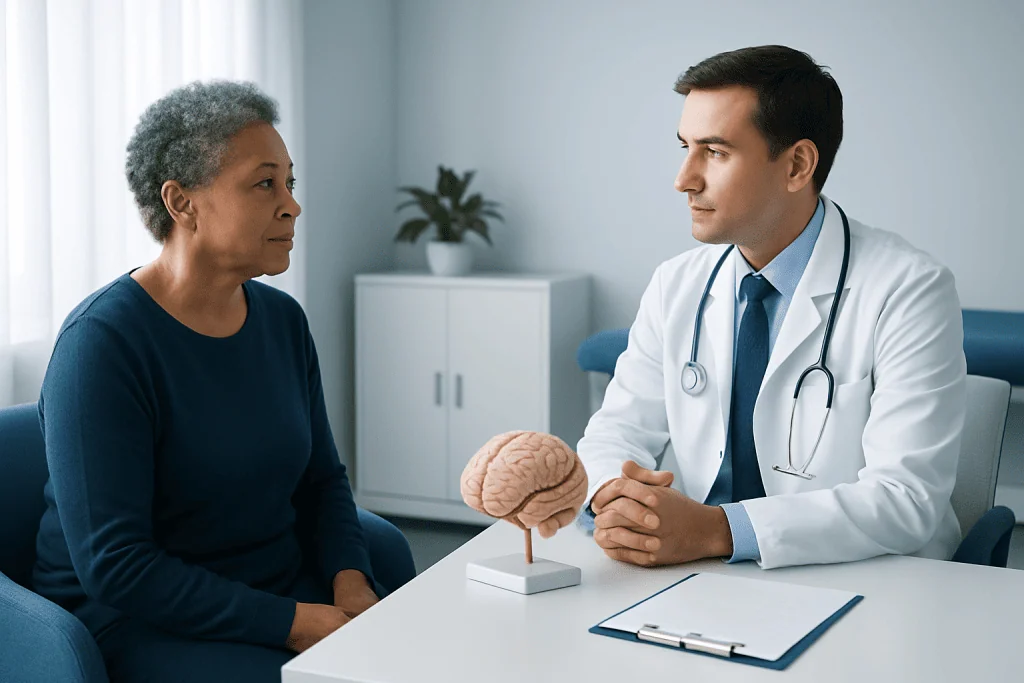
Diagnosis begins with a detailed medical history and neurological examination. The doctor asks about symptom onset, progression, family history, medications, and the person’s ability to manage daily activities. During the examination, they assess strength, reflexes, coordination, sensation, speech, balance, eye movements, and mental function.
Brain imaging is often an important part of the evaluation. Magnetic resonance imaging can help identify structural changes, signs of atrophy, vascular damage, inflammation, or other explanations for symptoms. In some cases, specialized scans or functional imaging may be recommended depending on the suspected disorder. A person may be referred for MRI scanning as part of this workup.
Additional tests may include blood work to look for treatable causes, neuropsychological testing to assess memory and thinking, electromyography and nerve studies for muscle or nerve symptoms, or spinal fluid analysis in selected cases. These tests help clarify the diagnosis and rule out other conditions that may be reversible or require different treatment.
Because many neurodegenerative diseases develop gradually, diagnosis may not happen in a single visit. Sometimes doctors monitor symptoms over time to understand the pattern more clearly. A second opinion or review by a multidisciplinary neurology team can be helpful when symptoms are complex or overlap between conditions.
Treatment Options
Treatment for neurological diseases and brain disorders depends on the specific diagnosis, the stage of disease, and the person’s symptoms. In many degenerative conditions, treatment aims to reduce symptoms, preserve independence, improve safety, and support emotional well-being. Some medications may help memory, movement, mood, sleep, or muscle symptoms, while other therapies focus on maintaining daily function.
Rehabilitation is often a central part of care. Physical therapy may help with gait, balance, flexibility, and fall prevention. Occupational therapy can support dressing, eating, home safety, and energy conservation. Speech and language therapy may help with communication and swallowing. In selected cases, doctors may recommend physical therapy and rehabilitation to maintain mobility and everyday skills.
For some movement disorders, advanced treatments may be considered when symptoms are not adequately controlled with medication. Depending on the diagnosis and overall health, a specialist may discuss options such as deep brain stimulation. This is not suitable for everyone, but it can be helpful in carefully selected patients with certain neurological conditions.
Long-term care also includes practical support. This may involve nutrition guidance, sleep management, counseling, caregiver training, mobility aids, or planning for future needs. Near the end of the care pathway, Acibadem International’s multidisciplinary specialists and JCI-accredited hospitals can evaluate and treat international patients with complex neurodegenerative conditions.
Prevention and Self-Care
Not all neurodegenerative diseases can be prevented, especially when age-related or genetic factors are involved. However, brain and nerve health may benefit from general healthy living habits. These include regular physical activity, a balanced diet, good sleep, mental stimulation, social connection, and management of blood pressure, cholesterol, and diabetes.
Avoiding smoking, limiting excess alcohol, and protecting the head from injury are also sensible steps. People with new memory problems or balance issues should review their medicines with a doctor, since some medications can contribute to confusion, dizziness, or falls. Hearing and vision problems should also be addressed, because they can worsen communication and safety.
For those already living with a degenerative neurological condition, self-care often focuses on staying active within safe limits, keeping routines simple, and using support systems early. Home modifications, walking aids, pill organizers, calendars, and reminders can make daily life easier. Caregivers also need support, as these conditions affect the whole family.
Emotional health matters as much as physical health. Anxiety, depression, grief, and frustration are common responses to progressive symptoms. Counseling, support groups, and regular follow-up with a healthcare team can help people adapt and maintain the best possible quality of life.
When to See a Doctor
A person should see a doctor if they notice persistent changes in memory, thinking, movement, speech, balance, or sensation. Symptoms that gradually worsen over weeks or months should not be ignored, even if they seem mild at first. Early evaluation can identify treatable causes and may allow supportive therapies to begin sooner.
Urgent medical attention is needed for sudden neurological symptoms. These include sudden weakness, facial drooping, severe confusion, sudden vision loss, difficulty speaking, seizures, or a sudden severe headache. These symptoms may point to an emergency rather than a degenerative condition and should be assessed immediately.
It is also a good idea to seek medical advice if a family member notices personality change, increasing falls, unsafe driving, trouble swallowing, or loss of independence with daily activities. Sometimes the affected person does not fully recognize the extent of the changes, so family observations can be valuable during assessment.
Specialist care from a neurologist is often helpful when symptoms are progressive or difficult to explain. Depending on the findings, referral for tests such as neurology evaluation may help confirm the diagnosis and shape a personalized treatment plan.
Frequently asked questions
What does degeneration mean in neurological disease?
Degeneration means that nerve cells or brain cells gradually become damaged or stop working properly over time. This can lead to slowly progressive symptoms involving memory, movement, speech, behavior, or muscle control.
Are all brain disorders degenerative?
No. Brain disorders can result from many causes, including infection, injury, stroke, tumors, autoimmune disease, or metabolic problems. Degenerative disorders are only one group within a much broader range of neurological conditions.
Can neurodegenerative diseases be cured?
Many neurodegenerative diseases cannot currently be cured, but they can often be managed. Treatment may help control symptoms, support daily functioning, improve safety, and in some cases slow progression.
What are the early signs of a degenerative brain disorder?
Early signs can include forgetfulness, slowed movement, tremor, balance problems, changes in mood or personality, and trouble with speech or everyday tasks. These symptoms are not specific to one condition, so medical assessment is important.
How are neurological diseases and brain disorders diagnosed?
Doctors usually combine a medical history, neurological examination, and tests such as brain imaging, blood work, and sometimes cognitive or nerve function testing. The exact process depends on the person’s symptoms and the suspected condition.
Does a family history mean someone will definitely develop a degenerative neurological disease?
Not necessarily. Family history can increase risk in some conditions, but it does not guarantee that a person will develop the disease. Many neurological disorders arise from a combination of genetic, age-related, and environmental factors.
References
- World Health Organization
- National Institute of Neurological Disorders and Stroke
- National Institute on Aging
- Alzheimer's Association
- Parkinson's Foundation
This article is for general information only and is not a substitute for professional medical advice. Please consult a qualified doctor about your individual situation.
Joint and spine care in Turkey — expert assessment & treatment
JCI-accredited · board-certified surgeons · reply within 24h
Add us as a Preferred Source to see more of our trusted health content across Google Search, AI Overviews and Discover.