Neurological Rehabilitation: Recovery After Brain and Nerve Disorders
Neurological rehabilitation is tailored to the person’s diagnosis, symptoms, goals and daily life needs. Recovery often relies on neuroplasticity, the nervous system’s ability to adapt and build new pathways with practice.
Key Takeaways
- Neurological rehabilitation is tailored to the person’s diagnosis, symptoms, goals and daily life needs.
- Recovery often relies on neuroplasticity, the nervous system’s ability to adapt and build new pathways with practice.
- A multidisciplinary team may address movement, speech, swallowing, memory, pain, mood and independence.
- Rehabilitation can begin in hospital and continue in inpatient, outpatient, home or community settings.
- Early assessment, consistent practice and family involvement can support safer, more confident recovery.
Neurological rehabilitation helps people recover abilities, independence and quality of life after conditions affecting the brain, spinal cord or nerves. Care is personalized and may include physical, occupational, speech, cognitive and psychological therapies.
Overview
Neurological rehabilitation, often called neurorehabilitation, is a structured program for people living with the effects of brain, spinal cord or nerve disorders. It can help after a stroke, traumatic brain injury, spinal cord injury, multiple sclerosis, Parkinson’s disease, peripheral neuropathy, brain tumor treatment, infections of the nervous system and other neurological conditions.
The main aim is not only to treat symptoms, but also to improve function in everyday life. This may mean relearning how to walk, use a hand, speak clearly, swallow safely, manage fatigue, remember tasks or return to school, work and family roles. Goals are practical and personal, so two people with the same diagnosis may have very different rehabilitation plans.
Recovery is supported by neuroplasticity, which is the nervous system’s ability to adapt and form new connections. Repeated, meaningful practice can help the brain and nerves use remaining pathways more efficiently. Rehabilitation cannot always reverse the underlying condition, but it can often improve safety, independence, comfort and confidence.
Who May Benefit from Neurological Rehabilitation
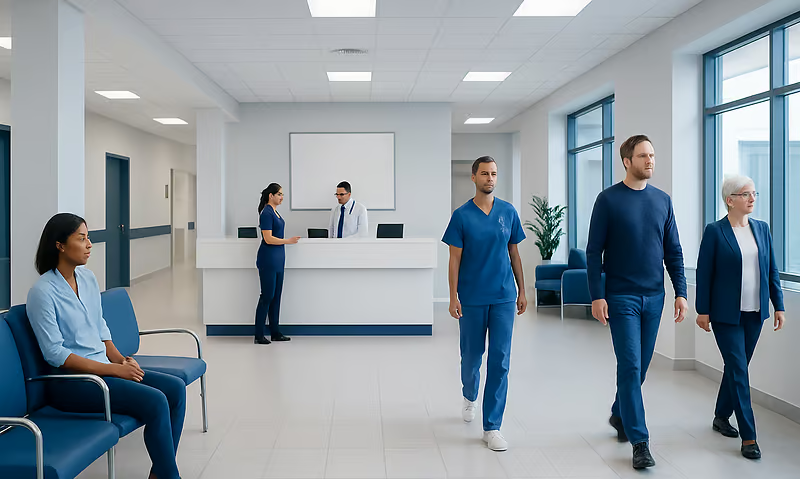
People may be referred for neurological rehabilitation after a sudden event or because of a long-term condition that gradually affects movement, sensation, communication or thinking. The timing and intensity of therapy depend on medical stability, stamina, symptoms and personal goals. Rehabilitation may begin in an acute hospital, continue in a rehabilitation unit, or be arranged through outpatient or home-based services.
Common reasons for referral include weakness on one side of the body, poor balance, changes in walking, reduced coordination, tremor, muscle stiffness, numbness, neuropathic pain, dizziness, speech or language difficulties, swallowing problems, memory changes, reduced attention, fatigue or difficulties with self-care. Some people mainly need physical training, while others need support for communication, cognition, mood and adjustment.
Neurological rehabilitation may be helpful for conditions such as:
- Stroke or transient ischemic attack with lasting symptoms
- Traumatic or non-traumatic brain injury
- Spinal cord injury or myelopathy
- Multiple sclerosis and other demyelinating diseases
- Parkinson’s disease and movement disorders
- Peripheral nerve injury, neuropathy or Guillain-Barré syndrome
- Recovery after brain or spine surgery, when recommended by the treating team
Assessment and Goal Setting
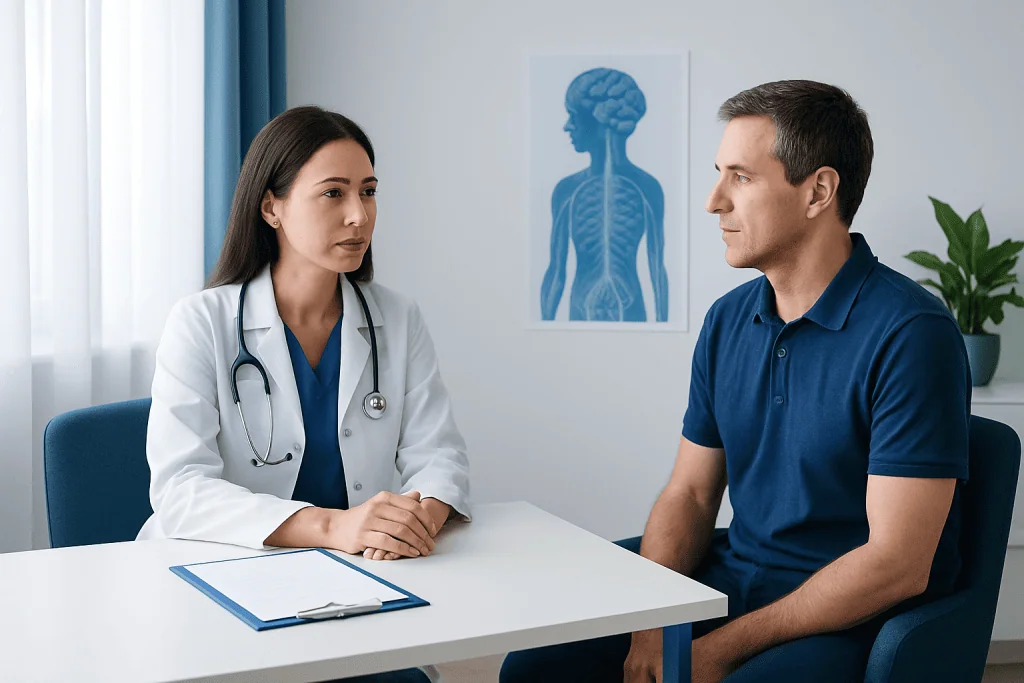
A rehabilitation program usually begins with a detailed assessment by a multidisciplinary team. This may include a rehabilitation physician or neurologist, physiotherapist, occupational therapist, speech and language therapist, neuropsychologist, rehabilitation nurse, dietitian, social worker and orthotist, depending on the person’s needs. The team reviews medical history, current medicines, imaging or test results, and any precautions advised by the primary treating doctor.
The assessment looks at body function and daily activity. Clinicians may evaluate strength, range of motion, muscle tone, balance, walking, hand function, sensation, vision, swallowing, speech, memory, attention, mood, pain, skin health and bladder or bowel control. They also consider the home environment, work demands, family support and transport needs.
Goals are most useful when they are specific and meaningful. For example, a goal may be to transfer safely from bed to chair, walk a short distance with a mobility aid, prepare a simple meal, communicate basic needs, manage stairs, return to computer work or reduce fall risk at home. Goals are reviewed regularly because recovery can change over weeks and months.
Treatment Options and Therapies
Neurological rehabilitation combines therapies that train the body, brain and daily routines. Physiotherapy focuses on posture, balance, walking, strength, flexibility, endurance, coordination and safe transfers. Depending on the condition, therapy may include task-specific practice, treadmill or overground gait training, balance exercises, stretching, functional electrical stimulation, mobility aids, braces or spasticity management in coordination with a physician.
Occupational therapy helps people regain independence in daily activities such as dressing, bathing, eating, cooking, writing, using a phone and managing household tasks. Therapists may teach one-handed techniques, energy conservation, hand therapy exercises, splint use, adaptive equipment and home modifications. They may also support return to work or school by assessing cognitive demands and recommending practical adjustments.
Speech and language therapy may address speech clarity, language understanding, word-finding, voice, communication strategies and swallowing safety. Cognitive rehabilitation can help with attention, memory, planning, problem-solving and awareness of difficulties. Psychological support is also important, as neurological conditions can affect mood, identity, sleep, relationships and motivation.
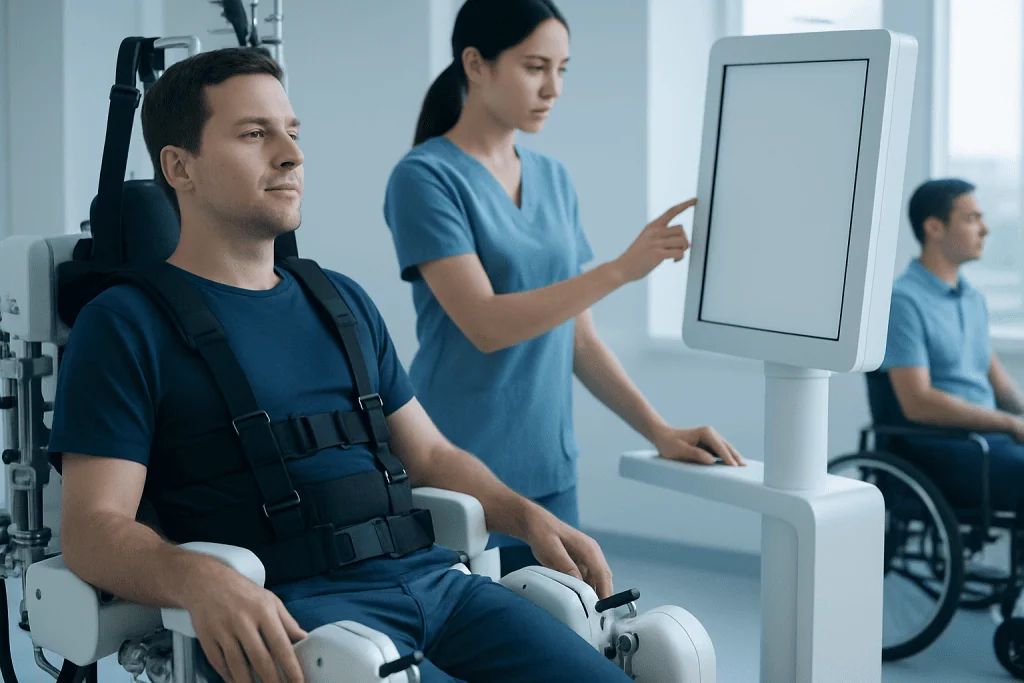
Some programs include technology-assisted rehabilitation, such as robotic devices, virtual reality exercises, computer-based cognitive training, biofeedback or wearable sensors. These tools may increase practice and feedback, but they are most effective when selected carefully and integrated into a supervised plan. The best approach is individualized rather than one-size-fits-all.
The Recovery Process: What to Expect
Recovery after a neurological disorder is often gradual and uneven. Some days may feel easier than others, especially when fatigue, pain, sleep problems or emotional stress are present. Early improvement may be noticeable after sudden events such as stroke or injury, while long-term conditions may focus more on maintaining function, preventing complications and adapting to change.
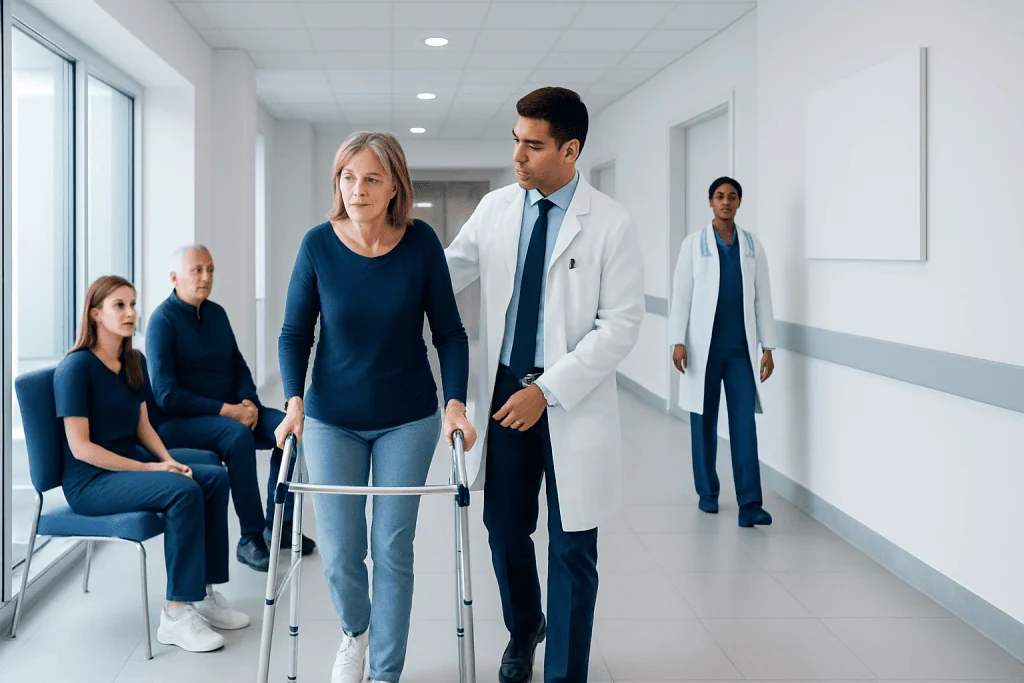
Rehabilitation can take place in different settings. Inpatient rehabilitation may be recommended when a person needs intensive therapy, medical monitoring and nursing care. Outpatient therapy may be suitable when the person is medically stable and can travel for appointments. Home-based rehabilitation may help people practice tasks in their real environment, while community programs can support long-term activity and participation.
Family members and caregivers often play an important role. They may learn safe transfer techniques, communication strategies, exercise routines and ways to reduce fall risk. However, caregivers also need realistic expectations and rest. A good rehabilitation plan supports both the patient and the people helping them.
Prevention, Self-Care and Daily Safety
Self-care is a major part of neurological rehabilitation. Exercises and strategies taught by therapists are most effective when practiced regularly and safely. The plan should be realistic, written down when helpful, and adjusted if symptoms change. Pushing too hard can increase fatigue or risk injury, while too little activity may lead to stiffness, deconditioning and loss of confidence.
Daily safety measures may include removing loose rugs, improving lighting, using grab bars, wearing supportive footwear, checking walking aids for correct height, arranging frequently used items within reach and keeping pathways clear. People with swallowing difficulties should follow the diet and fluid recommendations given by their speech and language therapist or doctor. Those with reduced sensation should check skin regularly for pressure areas, burns or injuries.
General health habits can also support recovery. These include taking prescribed medicines correctly, attending follow-up appointments, managing blood pressure, blood sugar and cholesterol when relevant, avoiding smoking, limiting alcohol as advised, eating a balanced diet, staying hydrated and prioritizing sleep. Emotional health matters too; anxiety, low mood and frustration are common and treatable parts of the recovery journey.
When to See a Doctor
A person should seek medical advice if new neurological symptoms appear, if existing symptoms suddenly worsen, or if rehabilitation exercises cause unusual pain, shortness of breath, chest discomfort, fainting or severe dizziness. Urgent medical attention is needed for signs of stroke, such as sudden facial drooping, arm weakness, speech difficulty, sudden vision changes, severe sudden headache or new confusion.
It is also important to speak with a doctor if there are repeated falls, increasing stiffness or spasms, new swallowing problems, choking, unexplained weight loss, pressure sores, worsening bladder or bowel problems, severe fatigue, persistent sleep disturbance, depression or major changes in behavior. These issues can often be managed more effectively when addressed early.
International patients who need coordinated assessment and treatment can access neurological rehabilitation services through multidisciplinary specialists at Acibadem International’s JCI-accredited hospitals. As with any rehabilitation plan, the most appropriate care depends on the diagnosis, medical stability, personal goals and evaluation by qualified clinicians.
Frequently asked questions
What is neurological rehabilitation?
Neurological rehabilitation is a personalized program for people with conditions affecting the brain, spinal cord or nerves. It uses therapies and medical support to improve movement, communication, swallowing, thinking skills, independence and quality of life.
When should neurological rehabilitation begin?
Rehabilitation often begins as soon as the person is medically stable and the treating team considers it safe. Early assessment can help prevent complications and set practical goals, but rehabilitation can also be useful months or years later if there are remaining difficulties.
How long does neurorehabilitation take?
The length of rehabilitation varies widely depending on the diagnosis, severity of symptoms, general health, goals and response to therapy. Some people need a short focused program, while others benefit from ongoing therapy, periodic reassessment or long-term home exercises.
Can rehabilitation fully restore lost abilities?
Some people regain many abilities, while others improve partially or learn safer ways to adapt. The outcome depends on the cause and extent of nervous system injury, other health conditions and consistency with therapy. The aim is to achieve the best possible function and participation.
What specialists are involved in neurological rehabilitation?
A rehabilitation team may include a rehabilitation physician, neurologist, physiotherapist, occupational therapist, speech and language therapist, neuropsychologist, rehabilitation nurse, dietitian and social worker. The team is chosen according to the person’s symptoms and goals.
Is home exercise important during recovery?
Yes, home practice is often an important part of progress because the nervous system benefits from repetition. Exercises should be prescribed by a qualified therapist and adapted to the person’s abilities, safety needs and fatigue level.
What should families do to support neurological recovery?
Families can help by encouraging safe practice, attending education sessions, supporting routines and making the home environment safer. They should also watch for changes in mood, swallowing, mobility or cognition and report concerns to the healthcare team.
References
- World Health Organization
- American Heart Association and American Stroke Association
- National Institute of Neurological Disorders and Stroke
- European Academy of Neurology
- American Congress of Rehabilitation Medicine
This article is for general information only and is not a substitute for professional medical advice. Please consult a qualified doctor about your individual situation.
Neurological Rehabilitation in Turkey — costs, top hospitals & a free quote
JCI-accredited · board-certified surgeons · reply within 24h
Add us as a Preferred Source to see more of our trusted health content across Google Search, AI Overviews and Discover.

Physical Medicine & Rehabilitation
Restoring movement and function after injury, surgery or neurological conditions.
150 specialists in this unit