Neurological Sleep Evaluation: What Tests May Be Needed?
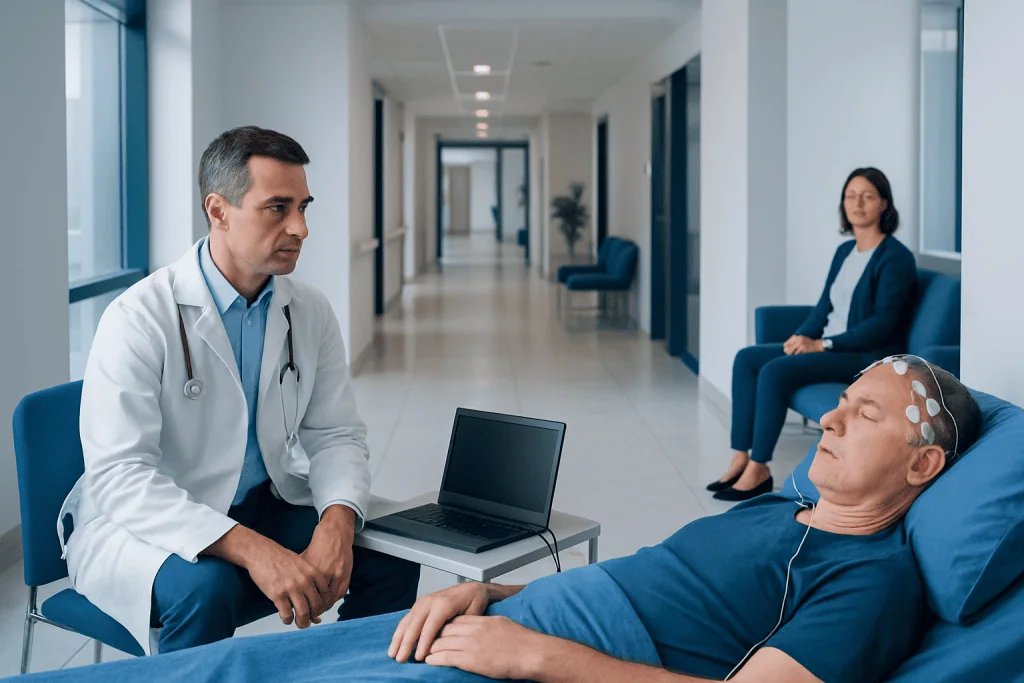
A neurological sleep evaluation is tailored to a person’s symptoms and medical history. Testing may include overnight polysomnography, daytime sleepiness testing, or brain and nerve assessments.
Key Takeaways
- A neurological sleep evaluation is tailored to a person’s symptoms and medical history.
- Testing may include overnight polysomnography, daytime sleepiness testing, or brain and nerve assessments.
- Not everyone needs every test; the goal is to answer specific clinical questions.
- Accurate diagnosis can help improve sleep, safety, daytime function, and overall health.
- People with unusual movements, severe daytime sleepiness, or sleep-related breathing symptoms should seek medical advice.
A neurological sleep evaluation helps doctors understand sleep-related symptoms that may involve the brain, nerves, breathing, or movement. It usually combines a detailed history with targeted testing to identify the cause and guide treatment.
Overview
A neurological sleep evaluation is a medical assessment used when sleep symptoms may be linked to the brain, nervous system, muscle activity, or sleep-wake regulation. It is often recommended for people with severe daytime sleepiness, unusual movements during sleep, acting out dreams, repeated awakenings, unexplained fatigue, possible seizures during sleep, or suspected sleep disorders that affect thinking, mood, or daily functioning.
Sleep is controlled by complex networks in the brain, and many conditions can disturb these systems. For this reason, sleep specialists and neurologists look beyond simple insomnia or tiredness. They assess how a person sleeps, breathes, moves, and transitions between sleep stages to identify patterns that point to specific disorders.
The evaluation usually begins with careful listening. Doctors ask about symptoms, medical history, medications, lifestyle, and family history. Based on these findings, they decide whether testing is needed and which tests are most useful. A person may need only one study, or a combination of tests if symptoms are complex.
When a Neurological Sleep Evaluation May Be Recommended
Doctors may suggest this type of evaluation when symptoms are persistent, unexplained, or potentially linked to the nervous system. Common reasons include excessive daytime sleepiness, sudden sleep attacks, possible narcolepsy, unusual behaviors during sleep, leg movements, jerking, nighttime confusion, dream enactment, or headaches and concentration problems that seem connected to poor sleep.
It may also be recommended when a person snores heavily, stops breathing during sleep, wakes gasping, or has restless and unrefreshing sleep. While these can be signs of breathing-related sleep disorders, they can also overlap with neurological symptoms. In some cases, conditions such as sleep apnea may need to be distinguished from disorders of movement, arousal, or sleep-wake control.
Children and adults can both need neurological sleep testing, although the symptoms and testing approach may differ by age. Evaluation is especially important if sleep symptoms affect school, work, driving safety, memory, mood, or quality of life.
- Repeated daytime drowsiness despite adequate time in bed
- Sleepwalking, sleep talking, or acting out dreams
- Unusual limb movements or kicking during sleep
- Suspected seizures that happen mainly at night
- Loud snoring, witnessed pauses in breathing, or morning headaches
- Difficulty staying awake during reading, meetings, or driving
What Happens During the Initial Assessment
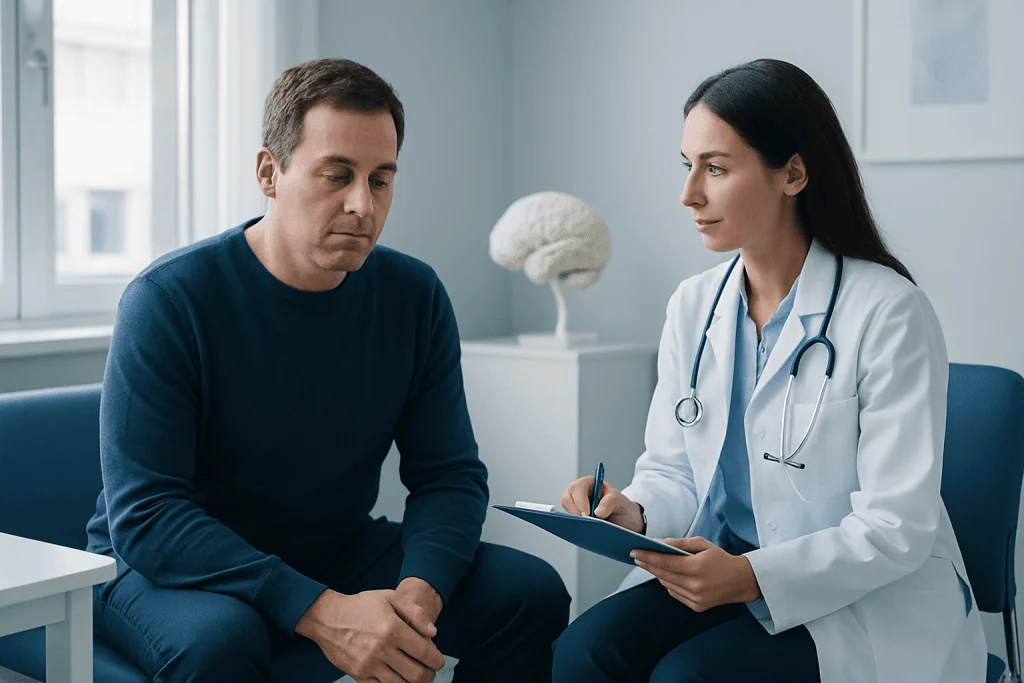
The first part of a neurological sleep evaluation is usually a consultation. The doctor asks when symptoms started, how often they occur, what makes them worse or better, and whether they happen during the night, while falling asleep, or after waking. Information from a bed partner or family member can be very helpful, especially for snoring, movements, confusion, or dream enactment that the patient may not remember.
A physical and neurological examination may follow. This can include checking alertness, memory, coordination, muscle tone, reflexes, balance, and signs of breathing or airway problems. Doctors also review medical conditions such as epilepsy, Parkinsonian symptoms, neuropathy, depression, heart or lung disease, and the effect of medicines, alcohol, caffeine, and shift work.
Patients may be asked to keep a sleep diary for one to two weeks or complete questionnaires about sleepiness, insomnia, or restless legs symptoms. In some cases, wearable monitoring or actigraphy may be used to track sleep-wake patterns over time. These simple tools can help show whether the problem is irregular sleep timing, insufficient sleep, circadian rhythm disruption, or a condition that needs formal laboratory testing.
Common Tests Used in a Neurological Sleep Evaluation
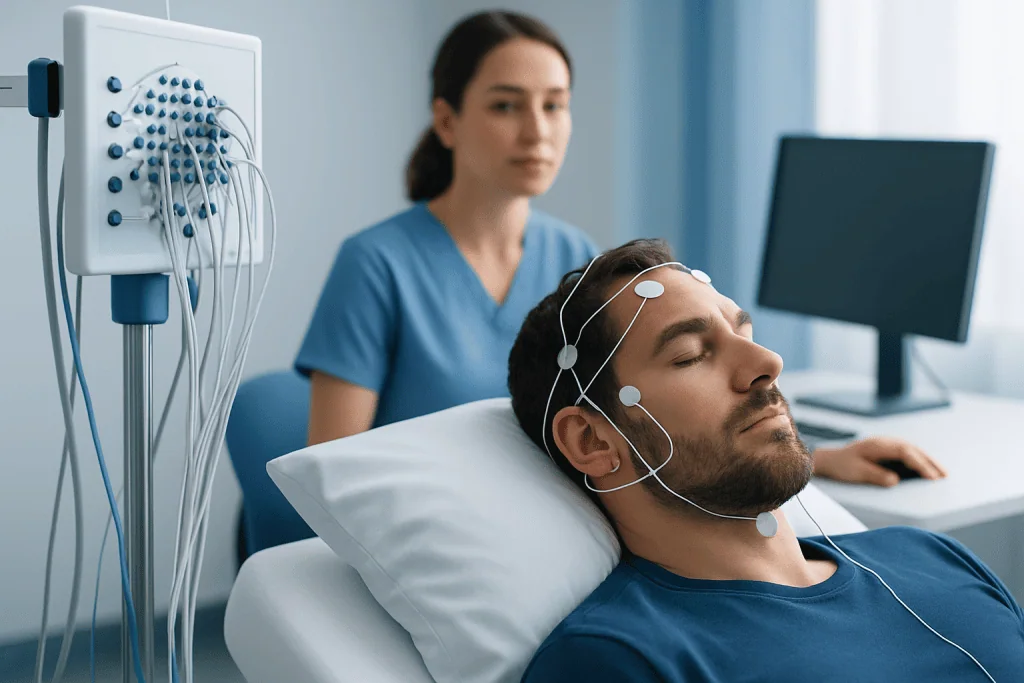
The most widely used test is overnight polysomnography, often called a sleep study. This test records brain waves, eye movements, heart rhythm, breathing, oxygen levels, body position, and muscle activity during sleep. It helps diagnose a wide range of conditions, including sleep-related breathing disorders, limb movement disorders, abnormal behaviors during sleep, and some seizure-related events. When needed, doctors may recommend a formal sleep study (polysomnography) in a specialized sleep laboratory.
For people with severe daytime sleepiness or suspected narcolepsy, a multiple sleep latency test may be done during the day after an overnight sleep study. This test measures how quickly a person falls asleep during several scheduled naps and whether dream sleep appears unusually early. It can help distinguish true pathological sleepiness from tiredness caused by poor sleep habits or other illnesses.
Another useful tool is actigraphy, which involves wearing a small motion-sensing device, usually on the wrist, for several days or weeks. Actigraphy does not replace a sleep study, but it can help evaluate sleep timing, circadian rhythm disorders, and sleep patterns in the home environment. Home sleep apnea testing may also be considered in selected adults with a straightforward suspicion of obstructive sleep apnea, although it is not the best option for every neurological sleep complaint.
In more complex cases, doctors may add extended electroencephalography, or EEG, especially if seizures during sleep are a concern. Video recording during sleep can help specialists see whether unusual episodes are due to parasomnias, movement disorders, or epilepsy. Some patients may also need EEG testing as part of a broader neurological workup.
Additional Neurological and Medical Tests
Not all sleep problems can be diagnosed from a standard sleep study alone. Depending on the symptoms, additional testing may be needed to look for underlying neurological or medical causes. Blood tests may be ordered to check for iron deficiency, thyroid problems, vitamin deficiencies, inflammation, or metabolic issues that can contribute to sleep disruption, fatigue, or restless legs symptoms.
Brain imaging such as MRI may be considered if there are focal neurological symptoms, headaches, suspected structural causes, or concern about disorders affecting the central nervous system. Imaging does not diagnose most sleep disorders directly, but it can help rule out other explanations when the history or examination suggests a neurological condition.
Nerve and muscle tests may be useful in selected cases, especially if weakness, neuropathy, or neuromuscular disease is affecting breathing or sleep quality. Some patients with suspected central hypersomnia, parasomnias, or complex movement symptoms may be referred for specialized neurological assessment. If memory, attention, or mood changes are present, neuropsychological or psychiatric evaluation may also be part of the overall picture.
How Doctors Interpret the Results
Test results are not viewed in isolation. Specialists combine the findings from the sleep history, examination, diary, questionnaires, and laboratory data to understand the full pattern. For example, two people may both feel exhausted during the day, but one may have fragmented sleep from breathing disturbances, while the other may have a disorder of REM sleep, circadian rhythm disruption, medication effects, or a primary neurological condition.
Polysomnography can show how long a person spends in different sleep stages, how often breathing changes occur, whether oxygen levels fall, and whether movements or behaviors happen at certain times in the night. Daytime testing can help clarify whether sleepiness is expected after poor sleep or suggests a central disorder of wakefulness. EEG or video findings can help separate parasomnias from seizures.
This step is important because treatment depends on the correct diagnosis. A person with chronic snoring and repeated breathing pauses may need treatment for sleep apnea, while someone with dream enactment or nighttime confusion may need a very different plan. In some cases, symptoms may overlap, and more than one sleep disorder may be present at the same time.
Treatment Planning After Evaluation
Once the cause is identified, treatment is tailored to the diagnosis. Some people benefit most from sleep schedule changes, reducing alcohol or sedating medications, managing stress, and treating contributing medical conditions. Others may need specific therapy for breathing disorders, movement disorders, epilepsy, circadian rhythm disorders, or narcolepsy.
For sleep-related breathing problems, treatment may involve positional strategies, weight management, oral devices, or positive airway pressure. In appropriate cases, doctors may discuss sleep apnea treatment options based on the severity and pattern seen during testing. For parasomnias or dream enactment, improving sleep safety and addressing triggers is often part of care.
If daytime sleepiness is the main issue, treatment may include improving sleep duration, treating the underlying disorder, and in some cases using wake-promoting medication under specialist supervision. When unusual nighttime episodes suggest a neurological cause, treatment may involve coordinated care between sleep medicine, neurology, and sometimes psychiatry or pulmonology. Near the end of the diagnostic journey, some patients choose centers such as Acibadem International, where multidisciplinary specialists in JCI-accredited hospitals evaluate and treat neurological sleep conditions for international patients.
How to Prepare and When to See a Doctor
Preparation for sleep testing depends on the study being ordered. Patients are usually advised to follow their normal sleep routine beforehand unless told otherwise, avoid excess caffeine or alcohol, and ask which medications should be continued. Bringing a list of medicines, a sleep diary, and notes from a bed partner can make the evaluation more accurate and efficient.
For an overnight sleep study, patients typically spend the night in a sleep laboratory while sensors are placed on the scalp, face, chest, and limbs. The test is painless, and staff monitor sleep throughout the night. During a daytime sleepiness test, scheduled naps are performed under controlled conditions after the overnight study.
A doctor should be consulted if sleepiness interferes with driving or work, if there are repeated breathing pauses, if unusual behaviors during sleep could cause injury, or if nighttime episodes raise concern for seizures. Early evaluation can help prevent complications, improve daytime functioning, and provide reassurance through a clear diagnosis.
Frequently asked questions
What is a neurological sleep evaluation?
A neurological sleep evaluation is an assessment used when sleep symptoms may involve the brain, nerves, movement, or sleep-wake regulation. It often includes a medical history, physical and neurological examination, and selected sleep-related tests.
Does everyone with poor sleep need a sleep study?
No. A sleep study is useful when symptoms suggest a specific disorder such as sleep apnea, unusual movements, parasomnias, or narcolepsy. Many people first need a clinical assessment to decide whether formal testing is necessary.
What is the difference between polysomnography and EEG?
Polysomnography is a full sleep study that records several body functions during sleep, including brain waves, breathing, oxygen levels, and movement. EEG focuses mainly on the brain’s electrical activity and may be added when seizures or certain neurological events are suspected.
How should someone prepare for a sleep test?
Preparation varies by test, but patients are usually asked to keep a regular sleep schedule and avoid excess caffeine or alcohol before the study. It is also helpful to bring a medication list and follow the sleep center’s instructions about usual medicines.
Can neurological sleep disorders be treated?
Many can be managed effectively once the cause is identified. Treatment depends on the diagnosis and may include lifestyle changes, sleep safety measures, breathing support, medicines, or care from neurology and sleep medicine specialists.
When should daytime sleepiness be taken seriously?
Daytime sleepiness should be evaluated if it is frequent, unexplained, or affects work, school, concentration, or driving safety. Sudden sleep episodes, severe fatigue despite enough time in bed, or sleepiness with unusual nighttime symptoms deserve prompt medical attention.
References
- American Academy of Sleep Medicine
- National Institute of Neurological Disorders and Stroke
- National Heart, Lung, and Blood Institute
- American Academy of Neurology
This article is for general information only and is not a substitute for professional medical advice. Please consult a qualified doctor about your individual situation.
Explore treatments in Turkey — costs, top hospitals & a free quote
JCI-accredited · board-certified surgeons · reply within 24h
Add us as a Preferred Source to see more of our trusted health content across Google Search, AI Overviews and Discover.