Neuromodulation Risks and Side Effects: What Patients Should Know
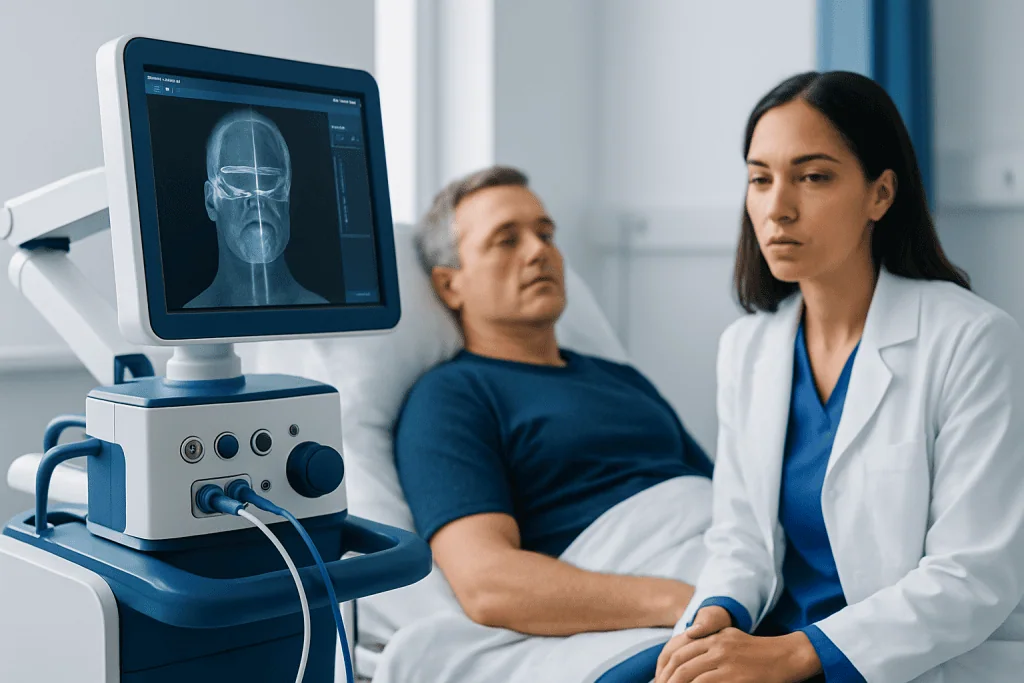
Neuromodulation includes several therapies, and side effects differ depending on the device, target nerve, and procedure. Common short-term effects may include pain, swelling, bruising, or temporary changes related to stimulation settings.
Key Takeaways
- Neuromodulation includes several therapies, and side effects differ depending on the device, target nerve, and procedure.
- Common short-term effects may include pain, swelling, bruising, or temporary changes related to stimulation settings.
- More serious but less common risks include infection, bleeding, lead movement, device malfunction, or the need for revision surgery.
- Careful patient selection, expert programming, and regular follow-up help reduce risks and improve outcomes.
- Patients should contact their care team promptly for fever, worsening pain, redness, drainage, new weakness, or sudden symptom changes.
Neuromodulation can help control pain, movement disorders, epilepsy, and other conditions, but every procedure and device has potential risks. Understanding common side effects, rare complications, and when to seek medical advice can help patients make informed decisions and prepare for treatment.
Overview: What Neuromodulation Means
Neuromodulation refers to treatments that change nerve activity using electrical stimulation or targeted medication delivery. It may be used to help manage chronic pain, movement disorders, epilepsy, bladder problems, spasticity, and some other conditions when medicines or other therapies have not provided enough relief. Depending on the condition, treatment may involve a temporary trial, a minimally invasive procedure, or a more complex implanted device.
Common examples include spinal cord stimulation, deep brain stimulation, vagus nerve stimulation, sacral nerve stimulation, and intrathecal drug delivery systems. Some techniques are external and noninvasive, while others require implantation of leads, electrodes, or a pulse generator. Because these therapies work in different parts of the nervous system, their side effects and risks are not exactly the same.
For many patients, neuromodulation can improve symptoms and quality of life. At the same time, it is important to understand that no procedure is entirely risk-free. Side effects can come from the surgery itself, the implanted hardware, the stimulation settings, or the body’s response over time. A clear discussion with a specialist helps set realistic expectations before treatment begins.
Common Side Effects After Neuromodulation
Many side effects after neuromodulation are short-term and expected during the recovery period. Mild pain at the incision site, swelling, bruising, and temporary soreness are common after implantation procedures. Some patients also feel tired for a few days after anesthesia or sedation. These symptoms often improve gradually as healing progresses.
Stimulation-related effects may also occur, especially when the device is first activated or reprogrammed. Patients may notice tingling, pulling, vibration-like sensations, voice changes, throat discomfort, muscle twitching, or temporary changes in balance or coordination, depending on the type of device used. These effects are often linked to the stimulation settings and may improve when the device is adjusted.
The exact experience depends on the neuromodulation method. For example, people receiving spinal cord stimulation may notice changes in sensation in the back or limbs, while those treated with deep brain stimulation may experience temporary stimulation-related changes such as speech difficulty, tingling, or dizziness. In many cases, careful programming by an experienced team can reduce bothersome symptoms while preserving treatment benefit.
- Incision pain or tenderness
- Swelling or bruising near the procedure site
- Temporary discomfort when stimulation is turned on
- Unusual sensations such as tingling or vibration
- Mild fatigue after the procedure
Possible Risks and Complications
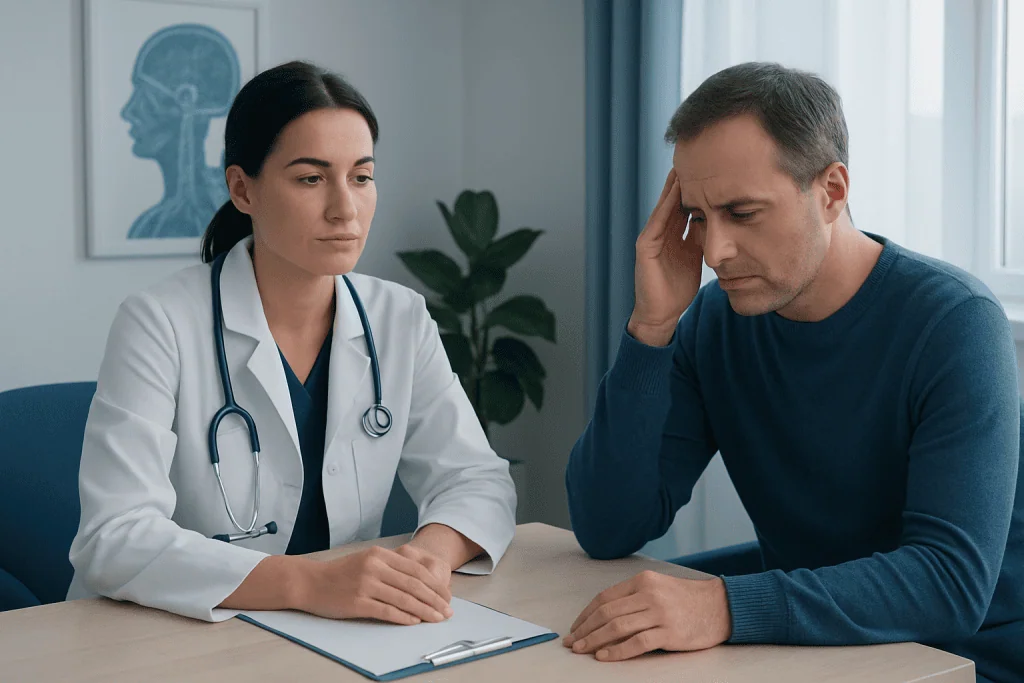
Although serious problems are less common, they are an important part of informed decision-making. Infection is one of the better-known risks with implanted devices. It may affect the skin, the pocket holding the battery or pulse generator, or the deeper tissues around the leads. Signs can include fever, increasing redness, warmth, swelling, worsening pain, or drainage from the incision.
Bleeding is another potential complication, and the level of concern depends on where the device is placed. For brain procedures such as deep brain stimulation, bleeding inside the skull is uncommon but can be serious. Nerve injury, spinal fluid leak, seizures, and anesthesia-related problems are also possible in certain procedures, though they are not typical outcomes for most patients.
Mechanical or device-related issues can happen over time. Leads may move, fracture, or stop working as intended. The battery may need replacement, or the system may require reprogramming or revision surgery. In some patients, benefit decreases over time because the condition changes, scar tissue forms, or the stimulation is no longer reaching the target area effectively.
Some therapies carry risks tied to the underlying condition as well. For example, people receiving neuromodulation for Parkinson’s disease or epilepsy may already have symptoms that affect movement, cognition, or safety, and the care team considers these factors carefully before recommending treatment.
What Affects an Individual Patient’s Risk
Risk is not the same for every patient. It depends on the type of neuromodulation, the body area being treated, the person’s age and general health, and the complexity of the procedure. A small external neuromodulation treatment may involve fewer procedural risks than an implanted brain or spinal device, but all options still require proper assessment and follow-up.
Medical conditions can also influence safety. Diabetes, poor wound healing, immune suppression, bleeding disorders, and smoking may increase the chance of infection or delayed recovery. Blood thinners and some other medications may need special planning before surgery. In addition, people with depression, anxiety, memory problems, or unrealistic expectations may need extra support so that the treatment plan fits their overall needs.
The experience of the clinical team matters as well. Neuromodulation often involves more than one specialist, such as neurologists, neurosurgeons, pain physicians, rehabilitation experts, and device programmers. Good outcomes usually depend on careful patient selection, precise placement, and ongoing adjustment. This is especially relevant for advanced therapies such as vagus nerve stimulation and implanted systems used for chronic pain or movement disorders.
How Doctors Evaluate and Monitor Side Effects
Before recommending neuromodulation, doctors usually review the patient’s diagnosis, prior treatments, imaging or test results, medications, and day-to-day symptoms. Many centers also assess goals of care, emotional health, and the patient’s ability to manage follow-up appointments. In some cases, a trial stimulation period helps show whether the therapy is likely to help before a permanent implant is placed.
After the procedure, follow-up is essential. The team checks wound healing, device function, symptom improvement, and any unwanted effects. Programming sessions are often a routine part of care. Patients are encouraged to describe exactly what they feel, when it happens, and whether it changes with movement, position, or device settings. This information can help the team make precise adjustments.
Imaging or device checks may be needed if symptoms change suddenly or if lead movement is suspected. Depending on the device, certain scans or medical procedures may require precautions. Patients should always tell any healthcare professional that they have an implanted neuromodulation device so the correct safety steps can be taken.
Treatment of Side Effects and Long-Term Management
Many neuromodulation side effects can be managed without removing the device. Temporary soreness may improve with rest, wound care, and the clinician’s routine postoperative guidance. Stimulation-related symptoms often respond to reprogramming, changes in pulse settings, or adjusting how and when the device is used. Patients should not change treatment plans on their own unless they have been taught how to use the controller safely.
If infection is suspected, prompt evaluation is important. Some infections may respond to antibiotics, while others may require removal of part or all of the system. Hardware problems such as lead migration, battery failure, or wire fracture may need revision surgery. These situations can be frustrating, but they are recognized issues with implanted devices and are part of ongoing neuromodulation care.
Long-term management includes regular reviews of symptom control, battery life, and any changes in daily function. Patients may also continue physical therapy, medicines, counseling, or treatment for the underlying condition. Neuromodulation usually works best as part of a broader care plan rather than as a standalone solution.
Near the end of the treatment journey, some patients benefit from care in specialized centers. Acibadem International’s multidisciplinary specialists and JCI-accredited hospitals diagnose and treat neuromodulation-related conditions for international patients, with evaluation, programming, and follow-up tailored to the individual case.
Prevention, Self-Care, and Practical Safety Tips
Patients can play an important role in reducing complications. Following preoperative instructions closely, including medication guidance and skin preparation advice, helps support safer treatment. After implantation, keeping incisions clean and dry as instructed and avoiding early strain on the treatment area may lower the risk of wound problems and lead movement.
It is also helpful to learn how the device works. Patients should know how to turn it on and off if appropriate, charge it if required, and recognize common warning signals or error messages. Carrying a device identification card and informing dentists, emergency staff, radiology teams, and other clinicians about the implant can prevent avoidable problems.
Practical self-care measures include attending all scheduled follow-up visits, reporting new symptoms early, and asking before starting new treatments or procedures. General health habits matter too. Stopping smoking, controlling blood sugar, and maintaining overall fitness can support healing and reduce procedural risk.
- Follow wound-care and activity instructions carefully
- Do not ignore redness, drainage, or fever
- Attend routine programming and battery checks
- Ask about MRI and procedure safety before testing
- Keep a record of symptom changes and device responses
When to See a Doctor
Patients should contact their medical team if they notice signs of infection, such as fever, redness, warmth, swelling, or drainage at the incision or device site. Worsening pain, sudden loss of symptom relief, new numbness, weakness, balance changes, or severe headaches also deserve prompt assessment. These symptoms do not always mean a serious complication, but they should be checked without delay.
Urgent medical attention is especially important after brain or spinal procedures if there is confusion, difficulty speaking, a seizure, chest pain, trouble breathing, or sudden neurological changes. If the patient feels very unwell, emergency care is the safest option. It is helpful to bring device information if possible.
Even when symptoms seem mild, early communication often prevents bigger problems. Neuromodulation is a partnership between the patient and the clinical team. Asking questions, reporting changes honestly, and attending follow-up visits can make treatment safer and more effective over time.
Frequently asked questions
Are neuromodulation side effects permanent?
Most side effects are temporary or manageable, especially those related to healing or device programming. However, some complications, such as infection or hardware failure, may require further treatment or revision. The long-term outlook depends on the type of neuromodulation and the individual patient.
What is the most common risk after a neuromodulation implant?
Common early issues include incision pain, swelling, bruising, and temporary discomfort from stimulation. Infection is one of the most important risks doctors watch for after an implant. Device-related problems, such as lead movement, may also happen over time.
Can neuromodulation devices stop working?
Yes, a device may become less effective if the battery runs low, a lead moves, the hardware is damaged, or the condition itself changes. In many cases, reprogramming can help restore benefit. Sometimes a repair or revision procedure is needed.
Is neuromodulation safe for everyone?
No treatment is right for every patient. Safety depends on the condition being treated, the type of device, the patient’s general health, and whether they can attend follow-up care. A specialist evaluation helps determine whether the expected benefits outweigh the risks.
How can patients lower the risk of complications?
Following pre- and postoperative instructions carefully is one of the best ways to reduce risk. Good wound care, avoiding activities that may disturb the implant, and attending programming visits are also important. Patients should report new symptoms early rather than waiting for them to worsen.
When should a patient seek urgent medical help after neuromodulation?
Urgent assessment is needed for fever, spreading redness, drainage, severe headache, confusion, seizure, new weakness, or sudden loss of symptom control. Trouble breathing, chest pain, or sudden neurological symptoms should be treated as emergencies. If in doubt, it is safest to contact the care team or seek emergency care promptly.
References
- World Health Organization
- National Institute of Neurological Disorders and Stroke
- National Institute for Health and Care Excellence
- International Neuromodulation Society
- American Association of Neurological Surgeons
This article is for general information only and is not a substitute for professional medical advice. Please consult a qualified doctor about your individual situation.
Neuromodulation in Turkey — costs, top hospitals & a free quote
JCI-accredited · board-certified surgeons · reply within 24h
Add us as a Preferred Source to see more of our trusted health content across Google Search, AI Overviews and Discover.