Neurophysiology Appointment: Step-by-Step Guide to Preparation, Testing, and Results
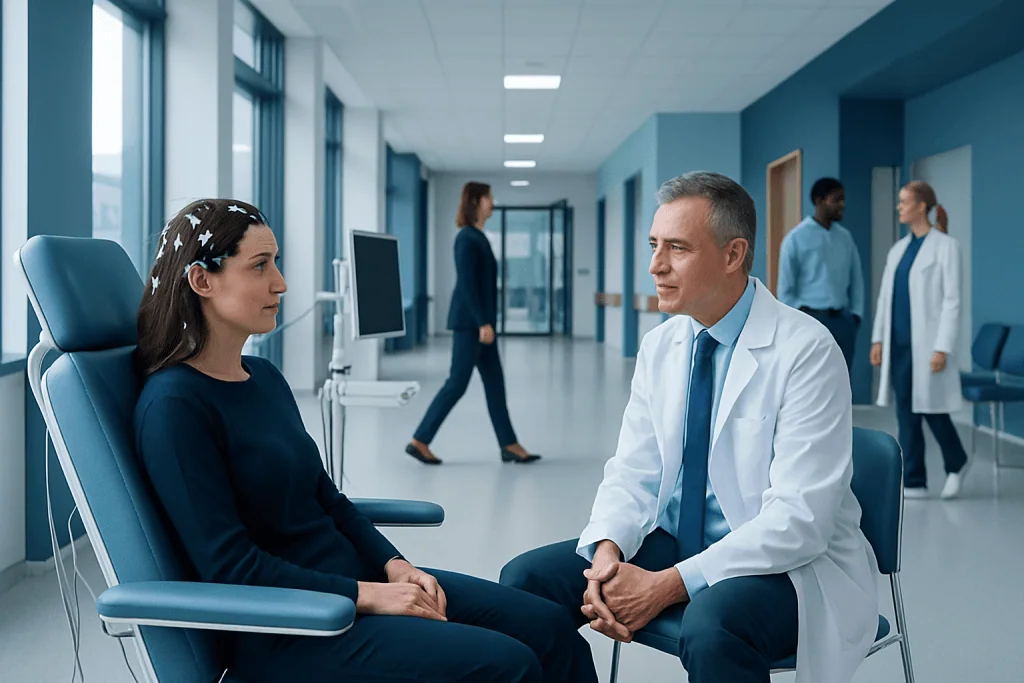
A neurophysiology appointment may include tests such as EEG, EMG, nerve conduction studies, or evoked potentials. Most neurophysiology tests are outpatient procedures and do not require a hospital stay.
Key Takeaways
- A neurophysiology appointment may include tests such as EEG, EMG, nerve conduction studies, or evoked potentials.
- Most neurophysiology tests are outpatient procedures and do not require a hospital stay.
- Preparation depends on the test and may include washing the skin or hair, avoiding creams, and bringing a medication list.
- Results are interpreted together with symptoms, medical history, examination findings, and imaging when needed.
- Many tests cause little or only brief discomfort, and patients can usually return to normal activities afterward.
A neurophysiology appointment helps doctors assess how the brain, nerves, muscles, and spinal pathways are working. Understanding what happens before, during, and after testing can make the experience more comfortable and help patients feel prepared.
Overview of a Neurophysiology Appointment
A neurophysiology appointment is a specialist visit focused on how the nervous system functions. Rather than looking only at structure, these tests measure electrical activity in the brain, nerves, muscles, or related pathways. This information can help explain symptoms such as numbness, tingling, weakness, muscle twitching, pain, blackouts, seizures, sleep-related concerns, or changes in balance.
Neurophysiology testing is commonly used alongside a clinical examination and imaging studies. Depending on the reason for referral, the appointment may involve an electroencephalogram (EEG), electromyography (EMG), nerve conduction studies (NCS), evoked potentials, or sleep-related neurophysiological assessments. Not every patient needs every test, and the choice depends on the symptoms being investigated.
For many people, the main concern is not knowing what to expect. In most cases, these tests are performed as outpatient procedures by trained professionals in a calm clinical setting. The aim is to gather accurate information that can help a neurologist or another specialist make a diagnosis, assess severity, or monitor progress over time.
When Neurophysiology Testing May Be Recommended
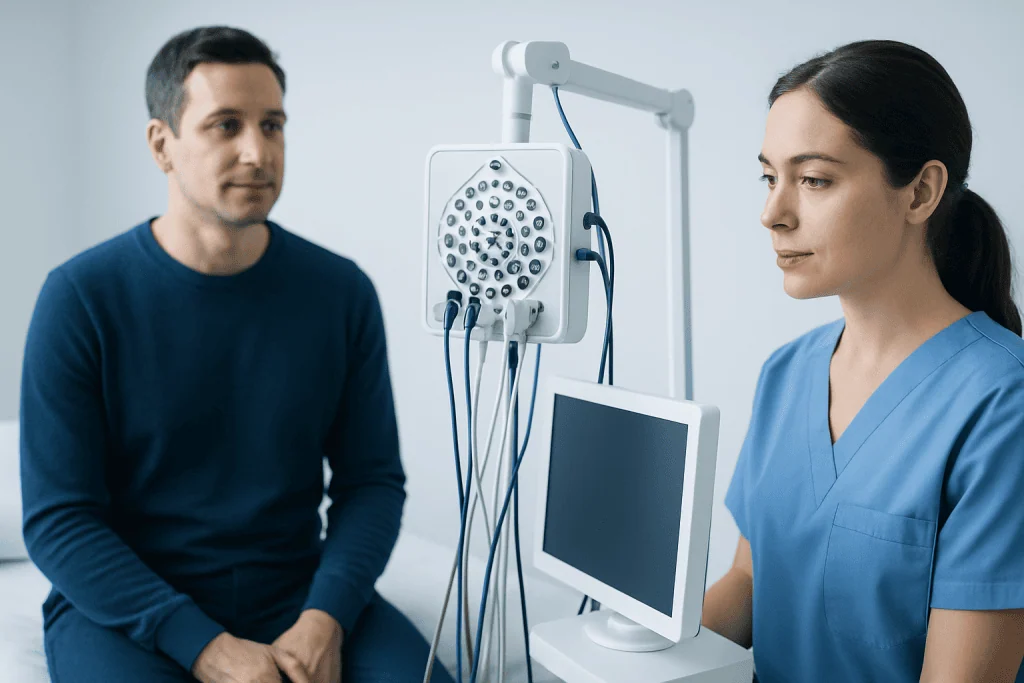
A doctor may recommend a neurophysiology appointment when symptoms suggest a problem affecting the brain, peripheral nerves, muscles, neuromuscular junction, or sensory pathways. Common examples include recurrent headaches with unusual features, episodes of loss of awareness, suspected seizures, persistent pins and needles, weakness in the arms or legs, unexplained muscle cramps, facial numbness, or difficulty with coordination.
These tests can support the assessment of a wide range of neurological conditions. They may be used when evaluating possible epilepsy, peripheral neuropathy, nerve compression disorders, muscle disease, motor neuron disorders, sleep disorders, or conditions affecting communication between nerves and muscles. In some cases, testing also helps distinguish whether symptoms are coming from the brain, spinal cord, nerve roots, peripheral nerves, or muscles.
Neurophysiology studies are also useful for follow-up. A specialist may repeat testing to track recovery after nerve injury, monitor a known disorder, or evaluate whether a treatment plan is working as expected. The results are only one part of the overall picture, but they often provide important functional detail that cannot be seen on scans alone.
How to Prepare Before the Appointment
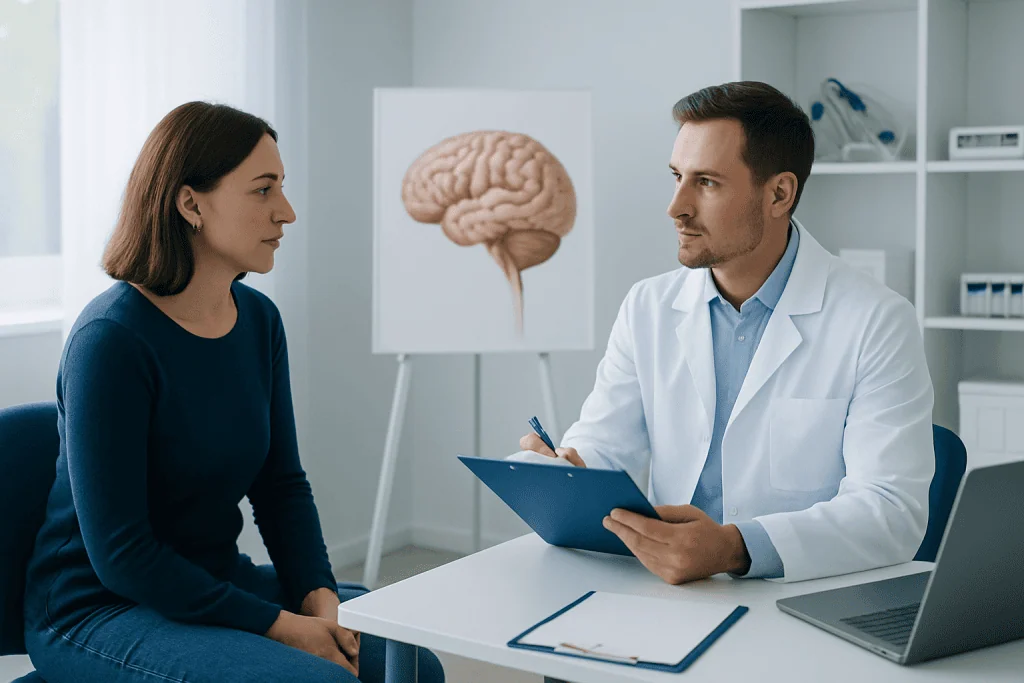
Preparation depends on the type of neurophysiology test being planned, so patients should follow the instructions given by their clinic. In general, it helps to bring a referral letter if available, a list of current medications, details of any implanted devices, and information about symptoms, including when they started and what makes them better or worse. Comfortable clothing that allows easy access to the arms or legs may also be helpful.
For EEG testing, patients are often advised to wash their hair the night before or the same day and avoid conditioner, oils, sprays, or gels. Clean, dry hair helps the electrodes make good contact with the scalp. Some people may also receive instructions about sleep, such as staying awake later than usual or waking early if a sleep-deprived EEG is required.
For EMG and nerve conduction studies, patients are usually asked not to apply body lotion, creams, or oils to the skin on the day of the test. These products can interfere with the small electrodes placed on the skin. If the patient takes blood thinners, has a bleeding disorder, has a pacemaker or other implanted electrical device, or is pregnant, it is important to tell the team in advance so the test can be planned safely.
Eating and drinking are usually allowed unless the clinic gives different advice. Most people can continue their usual medicines, but some tests may require specific adjustments. If anything is unclear, the safest approach is to ask the clinic beforehand rather than guessing.
What Happens During the Tests
The exact steps vary by test. During an EEG, small sensors are attached to the scalp with a paste or adhesive to record the brain’s electrical activity. The patient usually sits or lies comfortably while asked to relax, open and close the eyes, breathe deeply for a short period, or look at flashing lights. The test is painless, and the electrodes record signals but do not send electricity into the body.
During nerve conduction studies, small electrodes are placed on the skin over specific nerves and muscles. Brief electrical pulses are delivered to measure how quickly and strongly the nerves carry signals. Patients may feel a quick tapping, tingling, or mild shock-like sensation, which can be uncomfortable but is usually short-lived.
EMG is often done during the same visit as nerve conduction studies. For this part, a very fine needle electrode is inserted into selected muscles to record their electrical activity at rest and during movement. Patients may notice brief discomfort when the needle is inserted and while the muscle is being tested. The specialist may ask the patient to relax, then gently tighten the muscle.
Other possible tests include evoked potentials, which measure the nervous system’s response to visual, sound, or sensory stimuli, and more specialized procedures depending on symptoms. When appropriate, a neurologist may combine the findings with other assessments such as EEG testing, EMG, or a nerve conduction study to build a clearer picture of nervous system function.
After the Appointment and Understanding Results
Most patients can return to their normal routine soon after a neurophysiology appointment. EEG paste may leave some residue in the hair, and the skin can sometimes feel slightly irritated where electrodes were attached. After EMG, mild temporary muscle soreness or small bruises can occur, but these usually settle quickly.
Results are not always given immediately. In many clinics, the recordings need to be carefully reviewed and interpreted by a specialist. A neurophysiology report is then sent to the referring doctor or discussed at a follow-up appointment. This step matters because the meaning of a result depends on the patient’s symptoms, examination findings, age, medical history, and other tests.
A normal result does not always rule out every neurological problem, and an abnormal result does not automatically confirm a serious condition. Instead, the findings help narrow down the cause, locate where the problem may be, and guide next steps. The doctor may recommend observation, further testing, medication, rehabilitation, or referral to another specialist depending on the overall assessment.
In some cases, the appointment leads to additional evaluation with imaging or specialist care. For example, if symptoms suggest a broader neurological disorder, the patient may need further review in a neurology clinic or assessment for related conditions such as peripheral neuropathy.
Possible Risks, Comfort, and Safety
Neurophysiology tests are generally considered safe when performed by trained professionals. EEG is noninvasive and painless. Nerve conduction studies and EMG may cause temporary discomfort, but serious complications are uncommon.
Patients sometimes worry that electrical testing could be harmful. In standard nerve conduction studies, the electrical pulses are brief and carefully controlled. They are used only to stimulate a nerve for measurement. In EMG, the fine needle records activity from muscles but does not inject medication. Mild soreness afterward is common, but it typically improves within a day or two.
There are some situations where the team may need extra precautions. Implanted cardiac devices, bleeding disorders, anticoagulant use, skin infections at the test site, or certain mobility or communication needs should be discussed before the procedure. Sharing this information helps the team choose the safest approach and improve comfort during the appointment.
Practical Tips, Follow-Up, and When to Contact a Doctor
It can help to arrive a little early, especially if forms need to be completed. Patients may wish to note their main symptoms, when they occur, and any triggers such as poor sleep, repetitive movement, or certain positions. Bringing previous test results, brain or spine scans, and a full medication list can make the visit more efficient and informative.
After the test, patients should follow any specific instructions from the clinic. Most people can eat, drive, and continue their usual activities unless they were told otherwise. If sleep deprivation was required for the test, resting afterward may be sensible. If an EMG was performed, avoiding heavy use of a sore muscle for the rest of the day may be more comfortable.
A doctor should be contacted promptly if there is persistent bleeding, increasing redness, swelling, or significant pain after a needle-based test, although these problems are uncommon. Patients should also seek medical advice if neurological symptoms are getting worse, new symptoms appear, or episodes such as loss of consciousness, sudden weakness, or severe confusion occur.
For patients needing coordinated specialist assessment, Acibadem International’s multidisciplinary specialists and JCI-accredited hospitals provide diagnosis and treatment for international patients, including advanced neurophysiology evaluation when appropriate.
Frequently asked questions
How long does a neurophysiology appointment take?
The length depends on the test or combination of tests being performed. Some appointments may take less than an hour, while others can take longer if several studies are needed. The clinic usually provides an estimated time in advance.
Is a neurophysiology appointment painful?
Many neurophysiology tests are painless, especially EEG. Nerve conduction studies can cause brief tingling or shock-like sensations, and EMG may cause short-lasting discomfort from the fine needle. Most people tolerate these tests well, and any soreness afterward is usually mild and temporary.
Can a patient eat or take regular medicines before testing?
In many cases, yes, but instructions vary depending on the test. Patients should follow the advice given by their clinic and ask if they are unsure about medicines, especially for epilepsy, blood thinning, or sleep-related testing. It is important not to stop prescribed medication unless a doctor specifically advises it.
What should a patient wear to a neurophysiology appointment?
Comfortable clothing is usually best. For EMG or nerve conduction studies, loose clothing that allows easy access to the arms or legs can be helpful. For EEG, clean hair without styling products is often more important than clothing choice.
Will the results be available on the same day?
Sometimes a preliminary impression is possible, but full interpretation often takes longer. The recordings usually need to be reviewed by a specialist and considered together with symptoms and medical history. Results are commonly shared through the referring doctor or at a follow-up visit.
What is the difference between EEG, EMG, and nerve conduction studies?
EEG records electrical activity in the brain and is often used for seizures, blackouts, or some sleep-related concerns. EMG records electrical activity in muscles using a fine needle. Nerve conduction studies measure how well electrical signals travel through peripheral nerves using skin electrodes and brief stimulation.
References
- World Health Organization
- National Institute of Neurological Disorders and Stroke
- American Clinical Neurophysiology Society
- National Health Service
- Mayo Clinic
This article is for general information only and is not a substitute for professional medical advice. Please consult a qualified doctor about your individual situation.
Neurophysiology in Turkey — costs, top hospitals & a free quote
JCI-accredited · board-certified surgeons · reply within 24h
Add us as a Preferred Source to see more of our trusted health content across Google Search, AI Overviews and Discover.