

Neurophysiology in Turkey: How to Choose a Hospital for Testing or Monitoring
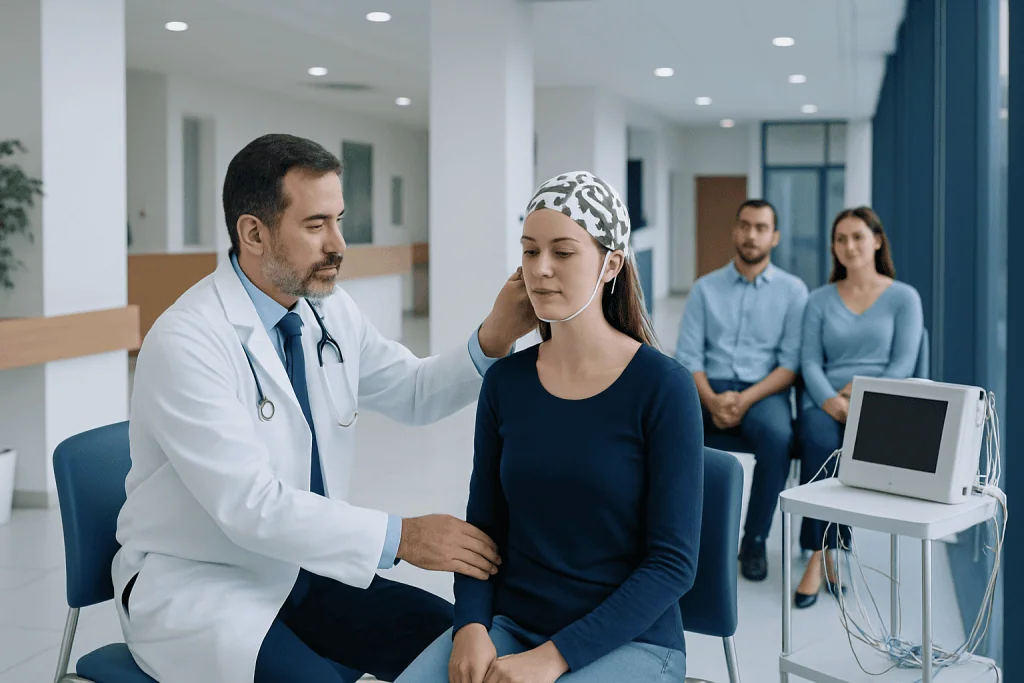
Neurophysiology includes tests such as EEG, EMG, nerve conduction studies, evoked potentials, and intraoperative monitoring. A strong hospital choice depends on experienced specialists, modern equipment, accredited safety standards, and reliable reporting.
Key Takeaways
- Neurophysiology includes tests such as EEG, EMG, nerve conduction studies, evoked potentials, and intraoperative monitoring.
- A strong hospital choice depends on experienced specialists, modern equipment, accredited safety standards, and reliable reporting.
- Patients should ask how results are explained, how long reports take, and whether the hospital coordinates care with neurology, neurosurgery, and rehabilitation teams.
- Preparation varies by test, so clear instructions before the appointment are important.
- Hospitals that support international patients can make scheduling, translation, and follow-up easier.
Neurophysiology testing helps doctors evaluate how the brain, spinal cord, nerves, and muscles are working. When choosing a hospital in Turkey for testing or monitoring, patients can focus on specialist expertise, test quality, safety standards, clear communication, and coordinated follow-up care.
Overview: What Neurophysiology Testing Is
Neurophysiology is the area of medicine that studies how the nervous system functions. It focuses on electrical activity in the brain, spinal cord, peripheral nerves, and muscles. Rather than looking only at anatomy, neurophysiology tests show how well signals travel and how the nervous system performs in real time.
These tests are often used when a person has symptoms such as seizures, fainting episodes, numbness, weakness, tingling, muscle cramps, sleep-related events, balance problems, or unexplained changes in movement. Neurophysiology can also help before surgery, during surgery, and in long-term monitoring for complex neurological conditions.
For patients considering neurophysiology in Turkey, the main decision is not only where the test is available, but where it is performed and interpreted well. Accuracy matters because test quality can affect diagnosis, treatment decisions, and whether additional investigations are needed.
Hospitals with dedicated neurophysiology services usually work closely with neurology teams and, when needed, with neurosurgery, sleep medicine, pediatric specialists, rehabilitation experts, and intensive care teams. This multidisciplinary approach can be especially helpful when symptoms are complex or when more than one test may be required.
Which Tests May Be Offered
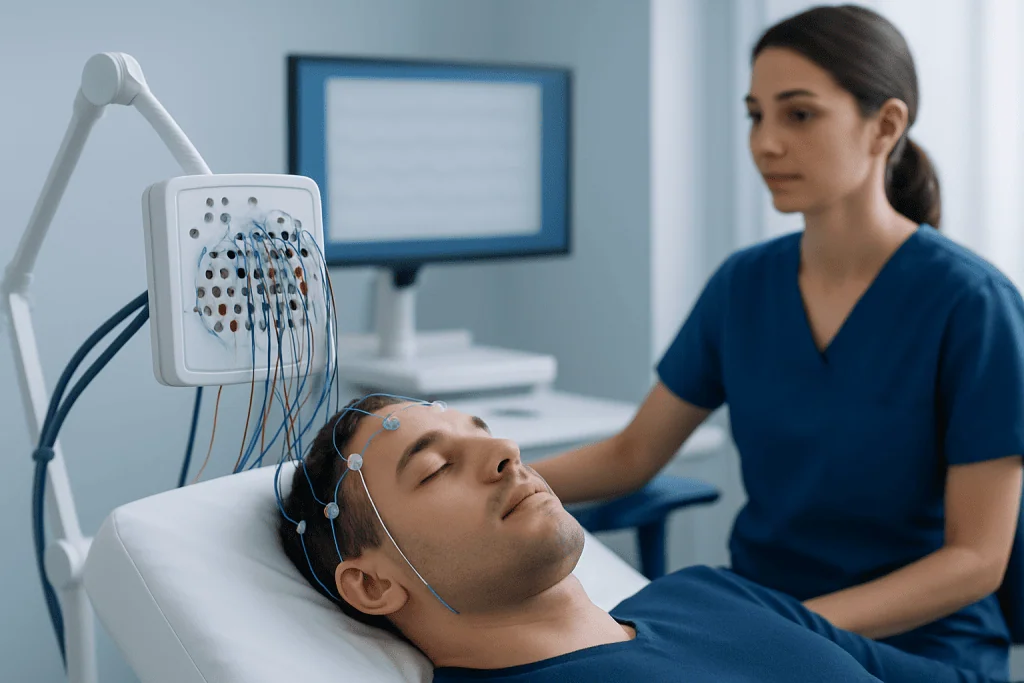
Neurophysiology is not a single test. It includes several different studies, each designed to answer a specific question. The right hospital should offer the tests a patient needs and should be able to explain why a particular study has been recommended.
Common neurophysiology tests include:
- Electroencephalography (EEG): records brain electrical activity and is often used for seizures, blackouts, confusion, or sleep-related events.
- Video EEG monitoring: combines EEG with video recording over a longer period, helping doctors match symptoms with brain activity.
- Electromyography (EMG) and nerve conduction studies: assess muscle and nerve function in symptoms such as numbness, tingling, weakness, or suspected nerve injury.
- Evoked potentials: measure how the brain responds to visual, auditory, or sensory stimulation and may be used in some neurological disorders.
- Intraoperative neuromonitoring: monitors nerve pathways during surgery to help protect important neurological functions.
Some hospitals also provide specialized services such as prolonged ambulatory EEG, neonatal or pediatric neurophysiology, sleep-related neurophysiology, or intensive care monitoring. If a patient has a child, complex epilepsy, a suspected neuromuscular disorder, or is preparing for brain or spine surgery, asking about these advanced capabilities is especially important.
Where appropriate, patients may also need related evaluations such as electroencephalography (EEG), EMG testing, or brain surgery support with intraoperative monitoring. A hospital that can coordinate these services in one setting may reduce delays and make care more seamless.
How to Choose a Hospital for Neurophysiology in Turkey
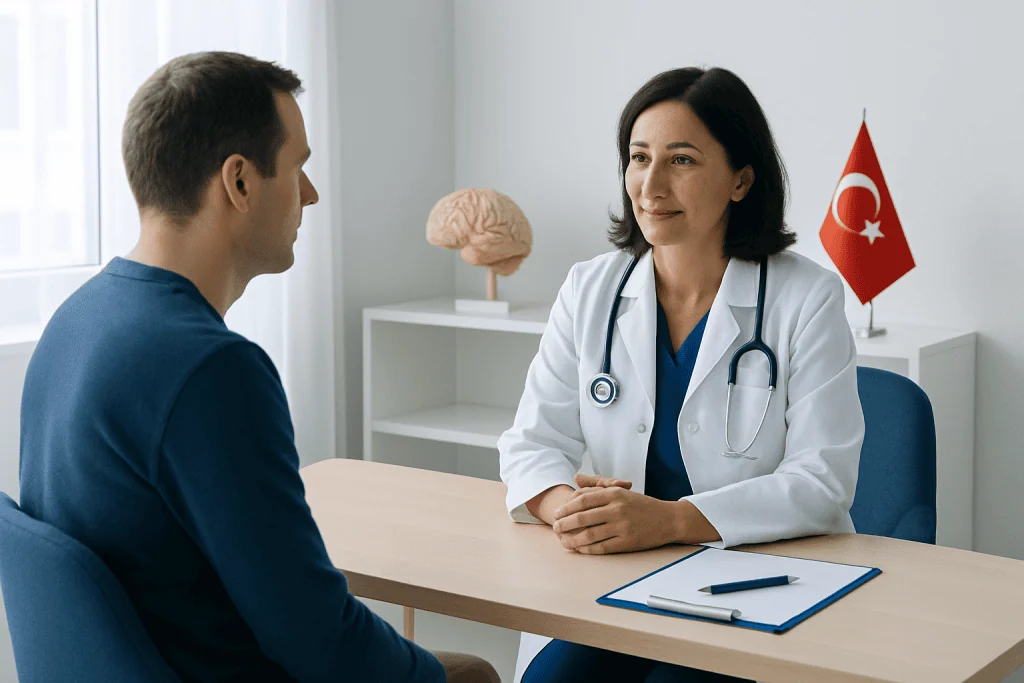
One of the most important factors is specialist expertise. Patients can look for hospitals where tests are supervised or interpreted by neurologists or clinical neurophysiologists with dedicated experience in the relevant area, such as epilepsy, neuromuscular disease, pediatric neurology, or surgical monitoring. The quality of the interpretation is just as important as the equipment itself.
Technology and technical standards also matter. A good hospital should use up-to-date equipment, have properly trained technologists, and follow protocols that reduce artifacts and improve reliability. Longer or more complex studies, such as video EEG monitoring or intraoperative neuromonitoring, require strong technical support and experienced teams available throughout the procedure.
Safety, accreditation, and infection-control standards are another key consideration. Patients often feel reassured when a hospital has internationally recognized accreditation, clear emergency support, and established processes for sedation, pediatric care, or inpatient observation if needed. This is particularly relevant for prolonged monitoring, medically fragile patients, and surgical cases.
Practical coordination should not be overlooked. Patients can ask whether reports are available promptly, whether images and recordings can be shared with outside doctors, whether interpreters are available, and whether the hospital provides a clear care plan after testing. For international patients, a dedicated coordination team can help with scheduling, transfers, and follow-up after returning home.
Questions Patients Should Ask Before Booking
Asking a few focused questions can help patients compare hospitals more confidently. It is reasonable to ask who performs the test, who interprets it, and how often the hospital manages similar cases. For example, a person with suspected epilepsy may want to know whether the team has experience with prolonged video EEG, while someone with weakness may ask about neuromuscular expertise.
Patients may also ask practical questions about timing and process. These include how long the appointment will take, whether the test is outpatient or inpatient, when the final report will be ready, and whether a doctor will review the findings in person. Clear communication before the visit often reflects strong organization overall.
Other helpful questions include:
- What preparation is needed before the test?
- Will any medicines need to be discussed in advance?
- Are translation services available?
- What happens if the test is normal but symptoms continue?
- Can the hospital arrange consultation with related specialists if needed?
- Is there support for surgical planning or rehabilitation follow-up?
For patients traveling for care, it is useful to ask whether one hospital stay can include consultations across departments. Neurophysiology findings sometimes lead to further assessment in neurosurgery or in rehabilitation medicine, so integrated planning can save time and reduce stress.
What to Expect Before, During, and After Testing
Preparation depends on the test. For EEG, patients may be asked to arrive with clean hair and avoid heavy hair products. For EMG and nerve conduction studies, skin lotions may need to be avoided on the day of testing. Some studies require sleep deprivation, fasting, or medicine review, so personalized instructions from the hospital are important.
During most neurophysiology tests, the patient remains awake and can go home the same day. EEG uses scalp electrodes to record brain activity. Nerve conduction studies involve small electrical stimuli to assess signal speed, while EMG uses a fine recording needle in selected muscles. These tests can be briefly uncomfortable, but they are generally well tolerated.
More advanced studies may take longer. Video EEG monitoring can continue for many hours or several days if doctors need to capture events as they occur. Intraoperative neuromonitoring takes place during surgery and is performed by a dedicated team working alongside surgeons and anesthesiologists, such as during selected spine surgery procedures.
After the test, results may be available immediately in simple cases or may take longer when recordings need detailed review. Patients should receive clear guidance about next steps, whether that means no further action, medical treatment, more imaging, rehabilitation, or specialist referral. A well-organized hospital will explain both the findings and their limitations in understandable language.
Why Teamwork and Follow-Up Matter
Neurophysiology rarely stands alone. Test results usually make the most sense when they are reviewed together with symptoms, neurological examination, imaging, and overall medical history. This is why hospitals with multidisciplinary teams can be especially valuable. They can connect the test findings to a wider diagnostic and treatment plan.
For example, EEG findings may guide epilepsy evaluation, EMG may help identify a neuropathy or muscle disorder, and intraoperative monitoring may support safer surgery. In some cases, the next step may include medication adjustment, physical therapy, pain management, surgery, sleep assessment, or ongoing observation. Coordinated care helps avoid fragmented decisions.
Follow-up is particularly important for international patients. Ideally, the hospital should provide a complete report, a summary in accessible language, and a plan for what should happen next after travel. If needed, the team should also be able to communicate with the patient’s local physician so care continues smoothly at home.
Near the end of the process, some patients also value knowing that advanced centers such as Acibadem International bring together multidisciplinary specialists and JCI-accredited hospitals for the diagnosis and treatment of neurological conditions in international patients. This can be helpful when testing results need rapid coordination with other specialties.
Red Flags, Self-Advocacy, and When to Seek Care Promptly
Patients do not need to be experts to recognize signs of a well-run service. It may be worth reconsidering a hospital if pre-test instructions are unclear, if there is little explanation of who interprets the results, if follow-up is poorly defined, or if there is no obvious pathway to specialist care when abnormal findings are discovered. Good neurophysiology care should feel organized, transparent, and patient-centered.
Self-advocacy can make the experience smoother. Patients can bring prior reports, MRI or CT results if available, a list of medications, and a written description of symptoms. For episodes such as seizures or fainting spells, family videos or notes about timing and triggers may also help the clinical team decide which test is most useful.
Some symptoms deserve prompt medical attention rather than routine scheduling. These include a first seizure, sudden weakness, new facial drooping, severe confusion, rapid worsening of numbness or paralysis, significant head injury, or any symptoms suggesting stroke or serious neurological decline. In these situations, emergency evaluation is more important than planned outpatient testing.
When symptoms are less urgent but persistent, a thoughtful hospital choice can still make a meaningful difference. The best option is usually one that combines experienced specialists, reliable technology, clear communication, and coordinated next steps rather than simply the fastest appointment alone.
Frequently asked questions
What is neurophysiology testing used for?
Neurophysiology testing is used to assess how the brain, nerves, spinal cord, and muscles function. It can help investigate symptoms such as seizures, blackouts, tingling, numbness, weakness, muscle cramps, and some sleep-related or movement-related events.
Are EEG and EMG the same test?
No. EEG records electrical activity from the brain, while EMG evaluates muscle activity and is often combined with nerve conduction studies to assess peripheral nerves. They answer different clinical questions, so the right test depends on the person’s symptoms.
Is neurophysiology testing painful?
Most neurophysiology tests are safe and well tolerated. EEG is usually painless, while nerve conduction studies and EMG may cause brief discomfort or a tingling sensation. The care team should explain what to expect before the test begins.
How long do neurophysiology tests take?
The length varies by test. A routine EEG or EMG may take less than an hour, while prolonged video EEG monitoring can continue for many hours or several days. The hospital should explain the expected duration in advance.
What should patients look for in a hospital in Turkey for neurophysiology?
Patients can look for experienced neurophysiology specialists, modern equipment, strong safety standards, and clear reporting. It is also helpful if the hospital can coordinate related neurology, neurosurgery, rehabilitation, or pediatric care when needed.
Can international patients arrange testing and follow-up from abroad?
Many hospitals in Turkey that serve international patients offer scheduling support, interpreters, and travel coordination. Patients should also ask whether reports can be shared electronically and whether doctors can communicate with their local care team after the visit.
References
- World Health Organization
- International Federation of Clinical Neurophysiology
- American Clinical Neurophysiology Society
- National Institute of Neurological Disorders and Stroke
- European Academy of Neurology
This article is for general information only and is not a substitute for professional medical advice. Please consult a qualified doctor about your individual situation.
Neurophysiology in Turkey — costs, top hospitals & a free quote
JCI-accredited · board-certified surgeons · reply within 24h
Add us as a Preferred Source to see more of our trusted health content across Google Search, AI Overviews and Discover.

More from the Health Library



Related Specialists

Fzt. Melisa Yay
Physical Medicine & Rehabilitation
Dr. Mehmet Beşir Sürme
Neurosurgery
Dr. Babak Hekmatjou
Emergency Service
Assoc. Prof. Dr. Murat Saylık
Orthopedic Surgery & Traumatology