Neuropsychiatric Symptoms After Brain Infection: When Follow-Up Care Matters

Mood, behavior, memory, sleep, and thinking changes can happen after infections that affect the brain. Symptoms may be temporary, but some people need longer follow-up and rehabilitation.
Key Takeaways
- Mood, behavior, memory, sleep, and thinking changes can happen after infections that affect the brain.
- Symptoms may be temporary, but some people need longer follow-up and rehabilitation.
- Evaluation often involves both neurological and psychiatric assessment.
- Treatment depends on the cause and may include medication, therapy, cognitive rehabilitation, and family support.
- New confusion, seizures, severe headache, or worsening weakness need urgent medical attention.
Neuropsychiatric symptoms after a brain infection may appear during recovery or continue after the infection itself has improved. Careful follow-up can help identify treatable problems, support rehabilitation, and guide patients and families through recovery.
Overview
Neuropsychiatric symptoms after brain infection refer to changes in thinking, memory, mood, behavior, sleep, or perception that develop after an infection has involved the brain or its surrounding tissues. These symptoms can occur after illnesses such as encephalitis, meningitis, brain abscess, or certain post-infectious inflammatory conditions. Sometimes they begin while a person is still recovering in hospital, and sometimes they become more noticeable only after returning home.
Recovery from a brain infection is not always linear. A person may improve physically but still struggle with concentration, irritability, anxiety, depression, fatigue, or changes in personality. Families are often the first to notice that something feels different, even when routine physical recovery seems to be progressing. Recognizing these changes early can make it easier to plan support and treatment.
Follow-up care matters because neuropsychiatric symptoms can have more than one cause. They may reflect direct effects of infection on the brain, inflammation, seizures, medication side effects, sleep disruption, emotional stress, or complications such as hydrocephalus. A structured review helps clinicians decide what is expected healing and what needs further testing or treatment.
Possible Symptoms and How They May Affect Daily Life
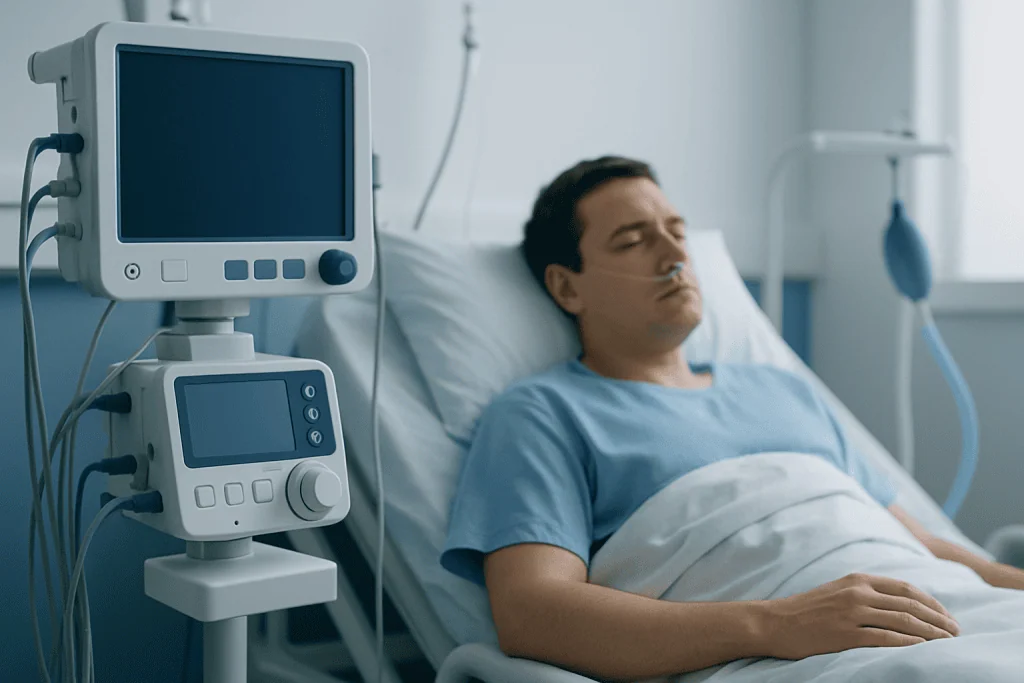
Symptoms can vary widely depending on which parts of the brain were affected, how severe the infection was, and a person’s health before the illness. Some people have mild but frustrating problems, such as mental slowing or trouble finding words. Others may experience more pronounced changes in mood, judgment, motivation, or behavior.
Common symptoms include forgetfulness, poor attention, mental fatigue, confusion, irritability, low mood, anxiety, sleep problems, reduced emotional control, and decreased ability to plan or organize tasks. Some people report headaches, sensory sensitivity, apathy, or a feeling of being unlike themselves. In more severe cases, hallucinations, delusions, agitation, or marked personality change can occur and need urgent assessment.
These symptoms may interfere with work, school, relationships, and independent living. A person who looks physically recovered may still struggle with tasks such as managing finances, driving, keeping appointments, or following conversations. Family members may find the changes difficult to understand, especially when symptoms fluctuate from one day to another.
- Memory and concentration problems
- Depression, anxiety, or mood swings
- Sleep disturbance and daytime fatigue
- Behavioral change, irritability, or impulsivity
- Psychosis, severe confusion, or reduced insight in some cases
Why These Symptoms Happen

Brain infections can affect mental and behavioral health through several mechanisms. The infection itself may injure brain tissue directly, especially in conditions such as encephalitis. Inflammation can also disrupt communication between brain regions involved in memory, emotion, and decision-making. Even after the infection is controlled, the brain may need time to heal, and symptoms can continue during that process.
Another factor is the body’s immune response. In some people, symptoms are linked not only to the original infection but also to post-infectious inflammation or autoimmune reactions that continue to affect the brain. Seizures, fever, reduced oxygen levels, intensive care stays, and metabolic disturbances can further contribute to confusion or cognitive changes. Medications used during treatment, including sedatives or some antiseizure medicines, may also influence mood, alertness, or sleep.
Psychological stress should not be overlooked. A serious illness, hospitalization, and sudden loss of function can be emotionally overwhelming. Fear, trauma, isolation, and uncertainty about recovery may increase anxiety or depression. In many patients, neuropsychiatric symptoms result from a combination of neurological and emotional factors rather than a single cause.
Who May Need Closer Follow-Up
Anyone recovering from a brain infection can benefit from medical review, but some people need especially close follow-up. Risk may be higher after severe encephalitis, delayed treatment, intensive care admission, seizures, prolonged confusion, or imaging findings that show injury in areas linked to memory or behavior. Children, older adults, and people with previous neurological or mental health conditions may also need more support.
Follow-up is important even when symptoms seem subtle. Mild cognitive or emotional changes may become more apparent only when a person tries to return to normal life. Work demands, school tasks, social interactions, and multitasking often reveal difficulties that were not obvious during early recovery. A planned review can catch these problems before they lead to unsafe situations or significant distress.
Families and caregivers play an essential role. If relatives notice unusual forgetfulness, poor judgment, withdrawal, suspiciousness, aggression, or major sleep changes, they should mention this to the care team. Clear observation from people who know the patient well can help guide further assessment.
How Doctors Evaluate Neuropsychiatric Symptoms
Assessment usually begins with a detailed history and neurological examination. Doctors ask when symptoms started, whether they are improving or worsening, how they affect daily life, and whether there are red flags such as seizures or recurrent fever. Information from family members is often very helpful, because insight may be reduced in some patients.
Testing may include blood work, brain imaging, electroencephalography if seizures are suspected, and review of medications. Depending on the situation, the team may also recommend brain MRI to look for ongoing inflammation or structural changes, or EEG testing to evaluate abnormal brain activity. If symptoms are complex or prolonged, formal neuropsychological testing can measure attention, memory, language, and executive function in a structured way.
Evaluation often involves more than one specialist. Neurologists, psychiatrists, neuropsychologists, rehabilitation physicians, speech and language therapists, and occupational therapists may all contribute. This multidisciplinary approach can help distinguish between persistent infection, immune-related problems, seizure-related symptoms, medication effects, and emotional reactions to illness.
Treatment and Support During Recovery
Treatment depends on the underlying cause. If there is concern about ongoing inflammation, seizures, hydrocephalus, or another complication, doctors address that first. Some people need medication changes, seizure management, or further treatment of the original neurological condition. Others benefit most from symptom-focused care, especially when the infection has resolved but recovery remains incomplete.
Supportive treatment may include counseling, psychological therapy, sleep management, treatment for depression or anxiety, and practical strategies for memory and attention. When cognition has been affected, cognitive rehabilitation may help patients build compensatory skills and gradually improve function. Speech therapy, occupational therapy, and structured return-to-work or return-to-school planning can also be useful.
Recovery is often best when care is personalized and paced. Overexertion may worsen fatigue and concentration, while complete inactivity can slow progress. A balanced plan with regular sleep, manageable daily goals, rest breaks, and family education can reduce frustration. Near the end of recovery planning, some patients may benefit from care at centers where multidisciplinary specialists work together; Acibadem International’s JCI-accredited hospitals provide diagnosis and treatment for international patients with complex neuropsychiatric and neurological recovery needs.
Self-Care, Family Support, and Follow-Up Planning
At home, a calm routine can make recovery easier. Helpful steps include maintaining regular sleep and meal times, using calendars or reminder apps, limiting alcohol, taking medicines exactly as prescribed, and building rest periods into the day. It is often wise to avoid driving, hazardous work, or major decisions until a doctor confirms that judgment, attention, and reaction time are safe.
Family members can support recovery by keeping communication simple, offering one task at a time, and noting any changes in mood, memory, or behavior. Patience matters. Symptoms that look like lack of effort may actually reflect brain fatigue or reduced processing speed. Gentle encouragement and realistic expectations can help protect confidence during rehabilitation.
Follow-up appointments should review not only physical recovery but also mood, sleep, cognition, and social function. Patients may find it useful to bring a list of symptoms, questions, and examples from daily life. Tracking progress over time helps doctors decide whether recovery is on course or whether more testing or treatment is needed.
When to Seek Urgent Medical Attention
Some symptoms should never be ignored during recovery from a brain infection. Urgent medical assessment is needed for new or worsening confusion, seizures, fainting, severe headache, persistent vomiting, high fever, new weakness, trouble speaking, vision loss, or a sudden major change in behavior. These symptoms can signal a complication or recurrence that needs prompt treatment.
Emergency help is also important if a person becomes suicidal, severely agitated, aggressive, or unable to care for basic needs safely. Hallucinations, paranoid thoughts, or rapidly worsening insomnia can indicate serious neuropsychiatric disturbance. Early intervention can reduce risk and improve comfort for both the patient and family.
Even when symptoms are not an emergency, it is sensible to contact a doctor if they persist, interfere with work or relationships, or stop improving. Ongoing follow-up is not a sign of failure in recovery. It is an important part of protecting brain health and supporting the best possible return to daily life.
Frequently asked questions
Can a brain infection cause mental health symptoms after the infection is treated?
Yes. Even after the infection itself improves, a person may still experience anxiety, depression, irritability, sleep problems, or changes in thinking and behavior. These symptoms can be related to brain inflammation, recovery from injury, seizures, medications, or the emotional stress of a serious illness.
How long do neuropsychiatric symptoms after brain infection last?
Recovery varies widely from person to person. Some symptoms improve over weeks, while others may take months and sometimes require longer-term rehabilitation and follow-up. A doctor can help judge whether the pattern is expected recovery or a sign that further evaluation is needed.
Are memory and concentration problems common after encephalitis or meningitis?
They can be common, especially after infections that directly affect the brain. Difficulties with attention, short-term memory, mental speed, and planning may become more noticeable when returning to work, school, or regular routines. Formal assessment can help identify strengths and problem areas.
What kind of doctor treats these symptoms?
Care often involves more than one specialist. A neurologist may assess the brain infection and related complications, while a psychiatrist or neuropsychiatrist can help with mood, behavior, and psychotic symptoms. Neuropsychologists and rehabilitation therapists may also be involved in testing and recovery planning.
Can these symptoms be treated?
In many cases, yes. Treatment may include managing seizures or inflammation, adjusting medications, treating sleep or mood disorders, and using cognitive rehabilitation or psychological therapy. The most effective plan depends on the cause of the symptoms and how they affect daily life.
When should family members be concerned?
Families should seek medical advice if they notice marked forgetfulness, personality change, confusion, unusual suspiciousness, poor judgment, or major changes in sleep or behavior. Urgent care is needed for seizures, severe confusion, new weakness, suicidal thoughts, or sudden worsening of symptoms.
References
- World Health Organization
- Centers for Disease Control and Prevention
- National Institute of Neurological Disorders and Stroke
- National Institute of Mental Health
- Encephalitis Society
This article is for general information only and is not a substitute for professional medical advice. Please consult a qualified doctor about your individual situation.
Explore treatments in Turkey — costs, top hospitals & a free quote
JCI-accredited · board-certified surgeons · reply within 24h
Add us as a Preferred Source to see more of our trusted health content across Google Search, AI Overviews and Discover.

More from the Health Library



Related Specialists

Dr. Işıl Avcı
Physical Medicine & Rehabilitation
Prof. Dr. Taner Korkmaz
Medical Oncology
Dr. Burak Boynuk
Orthopedic Surgery & Traumatology
Dr. Seçil Demir
Internal Medicine