Neuropsychiatry Evaluation: What Happens at the First Visit?

A neuropsychiatry evaluation looks at how brain health may affect emotions, behavior, memory, and thinking. The first visit usually includes a full history, symptom review, mental status assessment, and neurological examination.
Key Takeaways
- A neuropsychiatry evaluation looks at how brain health may affect emotions, behavior, memory, and thinking.
- The first visit usually includes a full history, symptom review, mental status assessment, and neurological examination.
- Family input, medication lists, and prior test results can help make the evaluation more accurate.
- Further tests may include blood work, brain imaging, neuropsychological testing, or sleep studies, depending on symptoms.
- The goal is to build a clear diagnosis and a practical, individualized treatment plan.
A neuropsychiatry evaluation is a detailed medical assessment for symptoms that involve both brain function and mental health, such as changes in memory, mood, behavior, attention, or thinking. The first visit usually focuses on listening carefully, reviewing medical history, examining cognitive and neurological function, and deciding whether further testing or treatment is needed.
Overview: What a Neuropsychiatry Evaluation Is
A neuropsychiatry evaluation is a medical assessment used when symptoms may involve both the brain and mental health. It is often recommended for concerns such as memory loss, difficulty concentrating, personality changes, mood symptoms after a neurological illness, confusion, unusual behavior, or changes in thinking. Neuropsychiatrists are trained to understand the overlap between neurology and psychiatry, so they look at both physical brain function and emotional or behavioral symptoms together.
The first visit is usually focused on understanding the person as a whole rather than making quick assumptions. The specialist will ask about current symptoms, when they started, whether they came on suddenly or gradually, and how they affect daily life. They also consider whether symptoms may relate to a neurological condition, a psychiatric condition, medications, sleep problems, substance use, hormonal changes, infection, or another medical cause.
For many people, the idea of this appointment can feel uncertain. In most cases, however, the visit is mainly a structured conversation, along with simple bedside tests of memory, attention, language, and neurological function. The aim is to identify patterns, rule out possible causes, and decide what next steps may be most helpful.
Who May Need This Type of Assessment
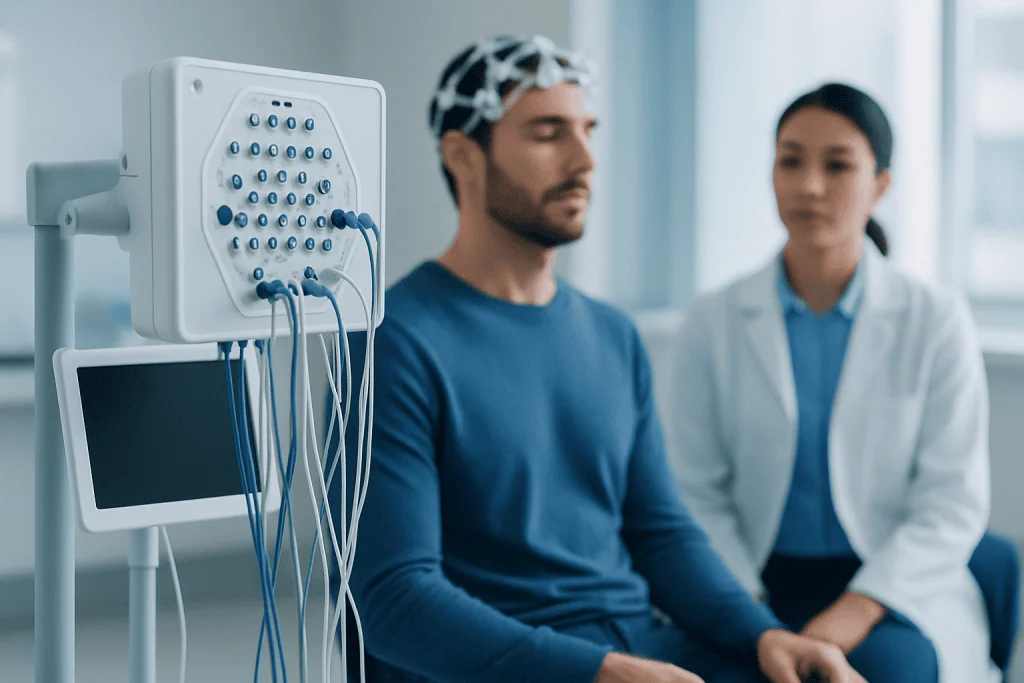
A neuropsychiatry evaluation may help people who have symptoms that do not fit neatly into only a neurological or only a psychiatric diagnosis. Examples include new confusion, memory complaints, attention problems, changes in judgment, hallucinations, mood or anxiety symptoms linked to a brain disorder, or behavioral changes after head injury, stroke, epilepsy, or infection. It may also be useful when symptoms are complex, overlapping, or difficult to explain.
Doctors may refer someone for neuropsychiatric assessment after changes are noticed by family members, teachers, employers, or other clinicians. Sometimes a person feels that they are “not themselves” but cannot describe exactly why. In other cases, a person may already have a known neurological condition, and the question is whether it is also affecting mood, behavior, or thinking.
Common reasons for referral include concerns related to Parkinson’s disease, dementia, traumatic brain injury, seizure disorders, autoimmune or inflammatory brain conditions, sleep-related cognitive changes, and mood or psychotic symptoms with a possible neurological basis. The evaluation can also help distinguish between conditions that may look similar at first but need different treatment approaches.
What Happens at the First Visit

The first appointment usually begins with a detailed interview. The doctor asks about the main concern, how symptoms started, how often they happen, and whether they are getting better, worse, or staying the same. They may ask about memory, attention, planning, speech, sleep, mood, anxiety, energy, appetite, movement, headaches, fainting, seizures, and any episodes of confusion or unusual perceptions.
A medical history is a central part of the visit. This includes past illnesses, brain injuries, neurological conditions, psychiatric history, surgeries, medications, vitamins, and use of alcohol or other substances. Family history may also matter, especially if there are relatives with dementia, mood disorders, movement disorders, epilepsy, or other neurological illnesses. Social history can be important too, including education, work, stress, daily functioning, and changes in independence.
The specialist then performs a mental status and neurological assessment. This may include questions or short tasks that check orientation, attention, short-term memory, language, problem-solving, and visual-spatial skills. A basic neurological examination may assess eye movements, reflexes, strength, coordination, walking, balance, and sensation. These bedside tests are usually straightforward and noninvasive, but they provide valuable clues about where symptoms may be coming from.
In some situations, a family member or caregiver may be invited to share observations. This can be especially helpful if the person has memory problems, is unaware of changes in behavior, or has had episodes they do not fully recall. The goal is not to challenge the patient, but to build the clearest and most accurate picture possible.
Questions the Specialist May Ask
Many people feel more comfortable when they know what kinds of questions to expect. A neuropsychiatrist may ask when symptoms first began, what was happening around that time, and whether there was any trigger such as infection, head trauma, a major life event, a new medication, or sleep disruption. They may ask whether symptoms fluctuate during the day, happen in episodes, or have a gradual course.
Questions often focus on daily life. The doctor may ask whether the person is managing finances, driving safely, remembering appointments, following conversations, performing job tasks, or taking medication correctly. They may also ask about mood changes, irritability, apathy, impulsivity, social withdrawal, panic symptoms, obsessive thoughts, hallucinations, or suspiciousness.
Other common topics include sleep quality, snoring, acting out dreams, alcohol intake, recreational drug use, and recent stressors. Depending on the situation, the specialist may ask sensitive questions about safety, including falls, self-harm thoughts, aggression, or getting lost. These questions are routine and are asked to protect health and guide the next steps in care.
- Bring a list of symptoms and when they occur.
- Write down all medications and supplements.
- Bring previous scan reports, blood test results, or discharge summaries if available.
- Consider bringing a family member if memory or behavior changes are part of the concern.
Tests That May Be Recommended After the Visit
Not everyone needs extensive testing at the first appointment. In some cases, the history and examination provide enough information to begin treatment or to monitor symptoms over time. When the cause is still unclear, the specialist may recommend additional tests to better understand brain function, rule out reversible causes, or confirm a diagnosis.
Possible tests include blood work to check for infections, inflammation, vitamin deficiencies, thyroid problems, metabolic disorders, or medication effects. Brain imaging such as MRI may be suggested to look for structural causes including stroke, tumors, inflammation, or patterns of brain atrophy. If episodes of staring, confusion, or unusual movements raise concern for seizures, EEG testing may be used to measure electrical activity in the brain.
Some patients are referred for more detailed cognitive testing, often called neuropsychological testing, which examines memory, attention, language, executive function, and processing speed in greater depth. Sleep studies, spinal fluid analysis, or additional neurological tests may also be appropriate in select cases. The doctor explains why a test is being considered and how the results may affect diagnosis or treatment.
How Diagnosis and Treatment Planning Work
Diagnosis in neuropsychiatry is often a step-by-step process. The first visit may lead to a working diagnosis, several possible explanations, or a plan for further investigation before a final conclusion is reached. This is common because symptoms such as poor concentration, low motivation, memory complaints, and sleep disturbance can overlap across many conditions.
The specialist considers whether symptoms are primarily neurological, primarily psychiatric, or a combination of both. For example, depression can affect concentration and memory, while neurological illnesses may lead to mood or behavioral changes. Conditions such as epilepsy, autoimmune brain disorders, neurodegenerative diseases, medication side effects, sleep disorders, or endocrine problems can all mimic or contribute to psychiatric symptoms.
Treatment depends on the underlying cause. It may involve medication changes, treatment of a neurological illness, psychotherapy, cognitive rehabilitation, sleep treatment, lifestyle measures, or referral to other specialists. If symptoms are related to a condition such as Alzheimer’s disease, the plan may include cognitive support, safety guidance, and caregiver education. If there are movement symptoms or another structural brain concern, collaboration with neurology, rehabilitation, or imaging specialists may be part of care.
Near the end of the assessment, the doctor usually explains the leading impressions, any immediate concerns, and the next steps. At centers such as Acibadem International, multidisciplinary specialists in JCI-accredited hospitals may coordinate neuropsychiatric evaluation, imaging, cognitive assessment, and treatment planning for international patients when needed.
How to Prepare and What to Expect Afterward
Preparation can make the first visit smoother and more productive. It helps to bring identification, a medication list, prior test results, and a written timeline of symptoms. If there have been sudden episodes, such as spells of confusion or unusual behavior, notes or videos recorded safely by family members may sometimes help the doctor understand what happened.
It is also useful to think in advance about what has changed and what has stayed the same. Patients can note whether symptoms affect work, driving, social interaction, finances, sleep, or self-care. A family member may remember details that the patient does not, so bringing a trusted companion can be valuable when appropriate.
After the appointment, some people leave with a clear plan right away, while others may need follow-up tests or another visit to review results. The doctor may recommend monitoring symptoms, starting treatment, making practical safety adjustments, or consulting another specialist. Asking questions and requesting a written summary can help patients and families feel more confident about the next steps.
When to Seek Medical Attention Promptly
Most neuropsychiatric symptoms develop gradually, but some situations need prompt medical attention. Sudden confusion, a new seizure, loss of consciousness, weakness on one side, difficulty speaking, a rapid and major personality change, severe agitation, or hallucinations with disorientation should be evaluated urgently. These symptoms can sometimes signal a medical emergency rather than a routine outpatient problem.
Urgent evaluation is also important if symptoms start soon after head injury, a new medication, substance use, high fever, or a serious infection. People who are not eating or drinking properly, wandering, becoming unsafe at home, or unable to manage daily tasks may also need faster assessment.
Immediate help should be sought if there are thoughts of self-harm, suicidal intent, violent behavior, or inability to care safely for oneself or another person. In these situations, contacting emergency services or going to the nearest emergency department is the safest choice. Early attention can help identify treatable causes and reduce the risk of complications.
Frequently asked questions
Is a neuropsychiatry evaluation the same as a psychiatric evaluation?
Not exactly. A neuropsychiatry evaluation includes psychiatric assessment but also looks closely at brain-related causes of emotional, cognitive, or behavioral symptoms. It is especially useful when symptoms may involve both neurological and mental health factors.
How long does the first neuropsychiatry visit usually take?
The first visit is often longer than a routine appointment because the doctor needs a detailed history and examination. The exact length varies, but patients should expect a careful and thorough assessment rather than a brief consultation.
Should a family member come to the appointment?
A family member or caregiver can be very helpful, especially if the main concern involves memory loss, confusion, or behavior change. They may notice patterns or episodes that the patient does not fully remember. However, the decision depends on the person's comfort and the reason for the visit.
Will brain scans always be needed?
No. Brain imaging is recommended only when it may help answer an important diagnostic question. Some patients need MRI or other testing, while others can begin treatment or follow-up based on the history and clinical examination alone.
Can anxiety or depression cause memory and concentration problems?
Yes. Anxiety, depression, poor sleep, and stress can all affect concentration, processing speed, and memory. One purpose of a neuropsychiatry evaluation is to determine whether these symptoms are more likely related to mental health, brain disease, another medical condition, or a combination of factors.
What should the patient bring to the first visit?
It is helpful to bring a medication list, previous test reports, hospital records, and a written timeline of symptoms. Notes about sleep, mood, episodes of confusion, or behavior changes can also be useful. If appropriate, a family member can help provide additional history.
References
- National Institute of Mental Health
- National Institute of Neurological Disorders and Stroke
- American Psychiatric Association
- American Academy of Neurology
- World Health Organization
This article is for general information only and is not a substitute for professional medical advice. Please consult a qualified doctor about your individual situation.
Neuropsychiatry in Turkey — costs, top hospitals & a free quote
JCI-accredited · board-certified surgeons · reply within 24h
Add us as a Preferred Source to see more of our trusted health content across Google Search, AI Overviews and Discover.