Neuropsychological Evaluation Results: How to Read the Report and Next Steps

A neuropsychological report describes cognitive strengths and weaknesses, not just a single score. Results are interpreted in context, including age, education, language, medical history, mood, and daily functioning.
Key Takeaways
- A neuropsychological report describes cognitive strengths and weaknesses, not just a single score.
- Results are interpreted in context, including age, education, language, medical history, mood, and daily functioning.
- Common report sections include the reason for referral, test findings, diagnostic impressions, and recommendations.
- Low scores do not automatically mean permanent decline; fatigue, stress, pain, sleep, and mood can affect performance.
- The most helpful next steps usually involve sharing the report with the treating clinician, asking questions, and creating a practical care plan.
Neuropsychological evaluation results help explain how a person’s brain-based skills are working in daily life, including memory, attention, language, and problem-solving. Understanding the report can make it easier to discuss diagnosis, treatment, school or workplace supports, and practical next steps with a doctor or psychologist.
Overview: What Neuropsychological Evaluation Results Mean
Neuropsychological evaluation results summarize how a person performed on a set of standardized tests that measure brain-related skills. These may include attention, memory, language, visual-spatial skills, processing speed, executive function, academic abilities, and emotional functioning. The goal is not simply to label a problem, but to understand the person’s overall pattern of strengths and weaknesses.
A neuropsychological report is usually written by a clinical neuropsychologist after reviewing the patient’s history, interview findings, behavioral observations, and test results. Rather than relying on one number alone, the clinician compares performance across many tasks and interprets the results in context. This helps answer practical questions such as whether symptoms fit a neurological condition, a developmental difference, a mental health concern, or a combination of factors.
For many patients and families, the report can feel detailed and technical at first. Terms such as percentile, standard score, average range, and executive function are common. Reading the report section by section and discussing it with the specialist can make it much easier to understand what the results mean and what should happen next.
How to Read the Main Parts of the Report
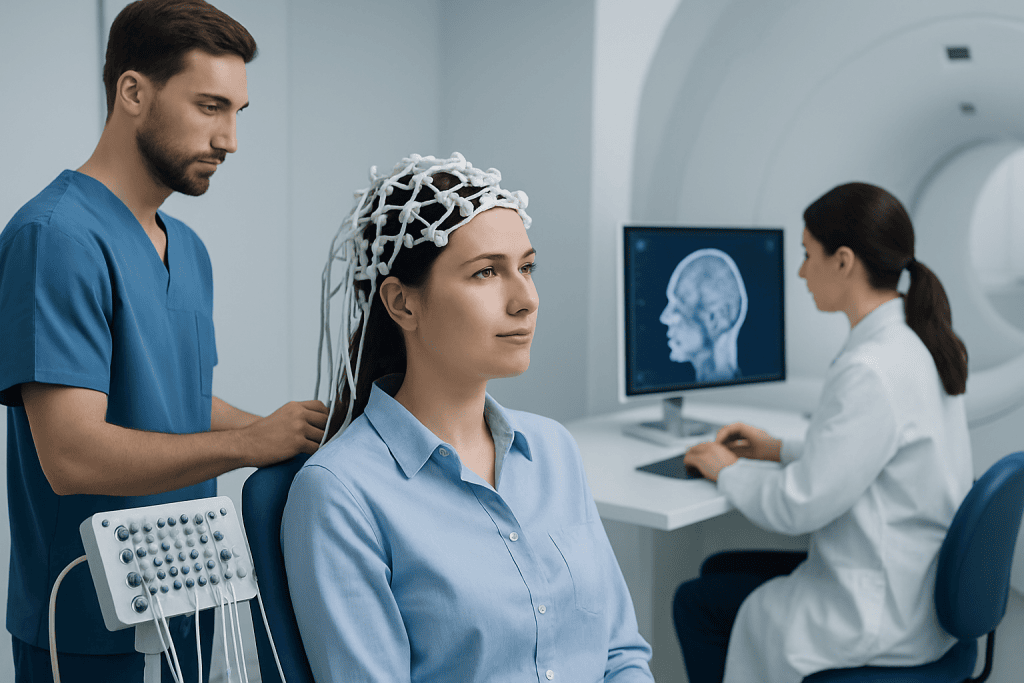
Most neuropsychological reports follow a similar structure. The first part usually explains why the evaluation was requested, such as memory concerns, learning difficulties, attention problems, concussion recovery, stroke follow-up, or changes in behavior. It may also summarize relevant medical, developmental, educational, and mental health history.
The next sections often describe the tests used and how the person approached the tasks. Behavioral observations are important because they can affect interpretation. For example, the report may mention whether the person appeared anxious, fatigued, impulsive, frustrated, highly motivated, or easily distracted during testing.
The results section is usually organized by skill area. Instead of focusing only on whether a score is “good” or “bad,” it helps to look for patterns. A person may have strong verbal reasoning but weaker working memory, or average memory with reduced processing speed. This profile is often more meaningful than any single isolated result.
The final sections typically provide impressions and recommendations. These may include possible diagnoses, areas that need further medical review, and practical suggestions for treatment, school accommodations, work support, therapy, or lifestyle changes.
- Reason for referral: why testing was recommended
- Background history: medical, educational, developmental, and psychological context
- Behavioral observations: test-taking style and factors that may affect performance
- Test results: performance across cognitive and emotional domains
- Impression: overall interpretation and possible diagnosis
- Recommendations: next steps for care and daily functioning
Understanding Scores, Percentiles, and Ranges

One of the most confusing parts of a report is the scoring language. Neuropsychological tests compare a person’s performance with that of other people of a similar age, and sometimes similar educational background. This comparison helps show whether a skill is stronger, weaker, or generally expected for that person’s peer group.
A percentile shows how a person performed relative to others. For example, the 50th percentile means performance was around the middle of the comparison group. A lower percentile does not automatically mean a serious disorder, and a higher percentile does not always mean there are no concerns. Clinicians interpret these numbers alongside symptoms, history, and daily functioning.
Reports also use descriptive ranges such as average, low average, below average, or exceptionally high. These terms can sound more dramatic than they are. A low-average score may still be functional in everyday life, especially if it matches the person’s long-standing pattern. On the other hand, even scores in the average range may matter if they represent a meaningful decline from a person’s previous ability level.
The most useful question is often not “Is this score normal?” but “Does this pattern explain the problems seen at home, school, work, or in medical care?” That is why neuropsychologists focus on the whole profile, not one score in isolation.
What the Results May Suggest About Symptoms and Diagnosis
Neuropsychological evaluation results can help clarify why symptoms are happening, but they are only one part of diagnosis. A pattern of weaknesses may suggest attention-deficit/hyperactivity disorder, a learning disorder, effects of traumatic brain injury, epilepsy-related changes, mood-related cognitive slowing, or early neurocognitive decline. In other cases, testing may show that concerns are real but do not fit one clear condition.
It is also common for cognitive symptoms to have more than one cause. Poor sleep, chronic pain, anxiety, depression, medication effects, substance use, hormonal changes, and medical illnesses can all affect concentration and memory. The report may therefore include diagnostic impressions that are provisional or recommend follow-up with another specialist before reaching a final conclusion.
Some reports compare current performance with expected baseline functioning. This can be especially helpful when a person is being evaluated after concussion, stroke, surgery, or suspected dementia. In these settings, testing may help distinguish between stable long-term differences and newer changes that deserve medical attention.
When neurological illness is part of the concern, the report may be discussed alongside brain imaging, blood tests, and neurological examination findings. This combined approach can be valuable when assessing conditions such as Alzheimer’s disease, Parkinson’s disease, or cognitive effects after stroke.
What to Do Next After Receiving the Report
The next step is usually to review the report with the neuropsychologist or the clinician who requested the evaluation. Patients and families often benefit from asking for a plain-language explanation of the main findings, the most important concerns, and the top priorities for treatment or support. Bringing written questions to the visit can make this conversation easier.
It can also help to identify the two or three recommendations that are most relevant right now. Depending on the results, these may involve further medical evaluation, medication review, psychotherapy, sleep assessment, occupational therapy, speech-language therapy, educational planning, or lifestyle changes. A practical plan is often more useful than trying to address every recommendation at once.
Sharing the report with other professionals may be important. A pediatrician, neurologist, psychiatrist, school team, rehabilitation specialist, or employer’s occupational health service may use the information to guide accommodations and care. If memory or functional changes are a concern, a clinician may also recommend additional assessment such as brain MRI or related neurological evaluation.
For some patients, recommended care may include rehabilitation or treatment aimed at the underlying cause. Depending on the clinical situation, this could involve physical therapy and rehabilitation, speech and language therapy, or specialist management of associated neurological symptoms.
Practical Self-care, Support, and Follow-up
A neuropsychological report does more than identify problems; it can guide practical daily strategies. Many recommendations focus on reducing cognitive load and improving consistency. Examples include using calendars and reminders, breaking tasks into smaller steps, keeping routines stable, minimizing distractions, and allowing extra time for complex activities.
Self-care can also make a meaningful difference in cognitive functioning. Good sleep, regular physical activity, balanced nutrition, hydration, stress management, and treatment of anxiety or depression all support brain health. These measures may not replace medical treatment, but they often improve day-to-day functioning and may help the person use their strengths more effectively.
Follow-up testing is sometimes recommended, especially if symptoms are changing over time or if the goal is to track recovery. Repeat evaluation may be useful after a brain injury, major treatment change, or progression of a neurological condition. The timing depends on the reason for testing and should be guided by the treating specialist.
Near the end of care planning, some patients seek multidisciplinary support, especially when symptoms affect several areas of life. Acibadem International’s multidisciplinary specialists in JCI-accredited hospitals evaluate and treat neurological and cognitive conditions for international patients when further assessment or coordinated care is needed.
When to Contact a Doctor or Seek More Urgent Help
A routine follow-up appointment is appropriate when the report raises questions about diagnosis, treatment, school supports, work accommodations, or medication side effects. Medical advice is also important if symptoms are worsening, interfering more with daily life, or not matching the person’s previous level of functioning.
More urgent medical attention is needed if cognitive changes appear suddenly or are accompanied by concerning neurological symptoms. These may include new weakness, facial drooping, severe confusion, difficulty speaking, seizures, severe headache, fainting, or major changes in consciousness. Sudden changes require prompt assessment because they can signal a medical emergency.
It is also important to seek help if mood or behavior changes become severe. Thoughts of self-harm, marked agitation, hallucinations, or inability to manage basic self-care should be addressed immediately through emergency services or urgent mental health support. Even when test results are already available, new symptoms still need fresh medical evaluation.
If the report is difficult to understand, asking for a feedback session is reasonable and often very helpful. Patients and families should feel comfortable asking what the results mean now, what may change later, and which next steps matter most.
Frequently asked questions
What is the main purpose of a neuropsychological evaluation report?
The report explains how a person is functioning across different thinking and emotional skills, such as memory, attention, language, and problem-solving. It helps clinicians connect test findings with everyday concerns and make decisions about diagnosis, treatment, and support.
Does a low score mean someone has brain damage or dementia?
Not necessarily. Low scores can be influenced by many factors, including poor sleep, pain, anxiety, depression, medication effects, language differences, or limited effort due to fatigue. The neuropsychologist interprets scores in context rather than making conclusions from one result alone.
Why can someone have average scores and still struggle in daily life?
Average scores do not always rule out a problem. A person may have declined from their previous level, may struggle in very demanding real-world situations, or may have uneven skills that create difficulty despite generally average performance. Daily functioning and history are always important parts of interpretation.
Should the report be shared with other doctors or schools?
In many cases, yes. Sharing the report with the treating physician, therapist, school team, or other relevant professionals can help coordinate care and support accommodations. It is usually best to discuss with the neuropsychologist which parts are most important to share.
How often should neuropsychological testing be repeated?
Repeat testing is not needed for everyone. It may be recommended if symptoms are changing, recovery is being monitored, or a clinician needs updated information for treatment or accommodations. The timing depends on the condition and the reason the first evaluation was done.
Can neuropsychological testing diagnose ADHD, autism, or dementia by itself?
Testing can provide strong supporting evidence, but it is usually not the only part of diagnosis. Doctors and psychologists also consider medical history, interview findings, observations, questionnaires, and sometimes imaging or laboratory tests. Diagnosis is usually based on the full clinical picture.
References
- American Psychological Association
- National Institute of Neurological Disorders and Stroke
- Centers for Disease Control and Prevention
- National Institute on Aging
- World Health Organization
This article is for general information only and is not a substitute for professional medical advice. Please consult a qualified doctor about your individual situation.
Explore treatments in Turkey — costs, top hospitals & a free quote
JCI-accredited · board-certified surgeons · reply within 24h
Add us as a Preferred Source to see more of our trusted health content across Google Search, AI Overviews and Discover.