

Neuropsychological Testing Before and After Neurological Treatment

Neuropsychological testing evaluates how the brain is functioning in daily-life skills such as memory, attention, language, and problem-solving. Testing before treatment provides a baseline that helps doctors compare changes after surgery, medication, rehabilitation, or other neurological care.
Key Takeaways
- Neuropsychological testing evaluates how the brain is functioning in daily-life skills such as memory, attention, language, and problem-solving.
- Testing before treatment provides a baseline that helps doctors compare changes after surgery, medication, rehabilitation, or other neurological care.
- Results can support diagnosis, guide treatment planning, and identify strengths that may help recovery.
- The process is noninvasive and usually involves interviews, paper-and-pencil tasks, computer-based tasks, and questionnaires.
- A change in scores does not always mean decline; it may reflect fatigue, mood, sleep, pain, medication effects, or practice effects.
- Follow-up testing is most useful when interpreted by qualified specialists in the context of the person’s medical history and daily functioning.
Neuropsychological testing is a detailed evaluation of thinking, memory, attention, language, and other brain-based skills. When used before and after neurological treatment, it helps doctors understand current functioning, plan care, and monitor meaningful changes over time.
Overview
Neuropsychological testing is a structured assessment of cognitive and behavioral functions that depend on healthy brain activity. It looks at abilities such as attention, learning, memory, language, visual-spatial skills, processing speed, planning, and emotional functioning. The goal is not simply to produce a score, but to understand how a person is thinking and functioning in everyday life.
In neurology and neurosurgery, this type of testing is often performed before and after treatment. Before treatment, it can establish a baseline, clarify the effects of a brain condition, and help guide decisions about care. After treatment, it can show whether cognitive abilities have stayed stable, improved, or changed in specific ways.
These evaluations are commonly used for people with stroke, epilepsy, brain tumors, traumatic brain injury, multiple sclerosis, Parkinson’s disease, dementia concerns, and other neurological conditions. They can also be useful when symptoms are subtle, such as difficulty concentrating, slowed thinking, forgetfulness, or changes in work or school performance.
Because brain health is complex, neuropsychological testing is usually interpreted alongside neurological examination, brain imaging, laboratory tests, and a person’s own account of symptoms. This broader view helps clinicians understand the whole picture rather than relying on any single test result.
Why testing is done before and after neurological treatment
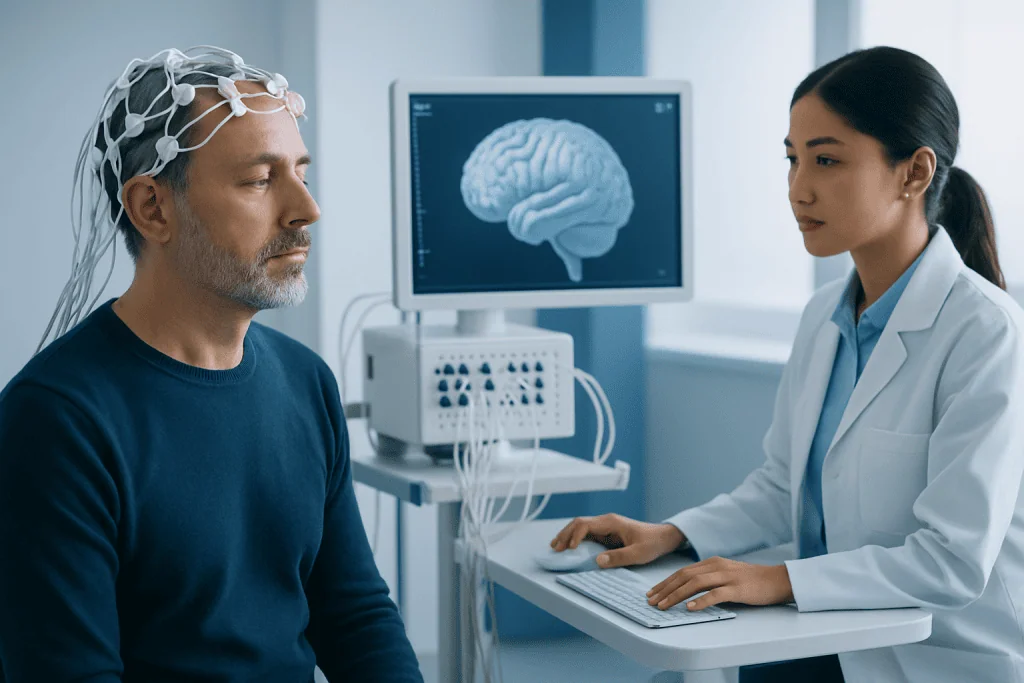
Testing before treatment gives the care team a starting point. This baseline can show which abilities are already affected by a neurological condition and which strengths are preserved. That information may help with treatment planning, counseling about possible cognitive effects, and setting realistic goals for recovery and support.
For example, a person preparing for brain surgery may have testing to map memory, language, and executive skills that are especially important to preserve. Someone starting treatment for epilepsy or a brain tumor may also benefit from understanding how the condition is already affecting concentration or processing speed before any procedure or medication change occurs.
After treatment, repeat testing can help answer practical questions. Has memory improved after seizure control? Is attention better after rehabilitation? Are there new difficulties that need therapy, school accommodations, workplace adjustments, or closer medical follow-up? Comparing pre- and post-treatment results can make these changes clearer.
Testing may be considered after treatments such as brain tumor treatment, epilepsy surgery, neurological rehabilitation, medication changes, or other interventions affecting brain function. In some cases, it is also used over longer periods to monitor progressive conditions or to distinguish recovery from day-to-day variability.
What neuropsychological testing measures
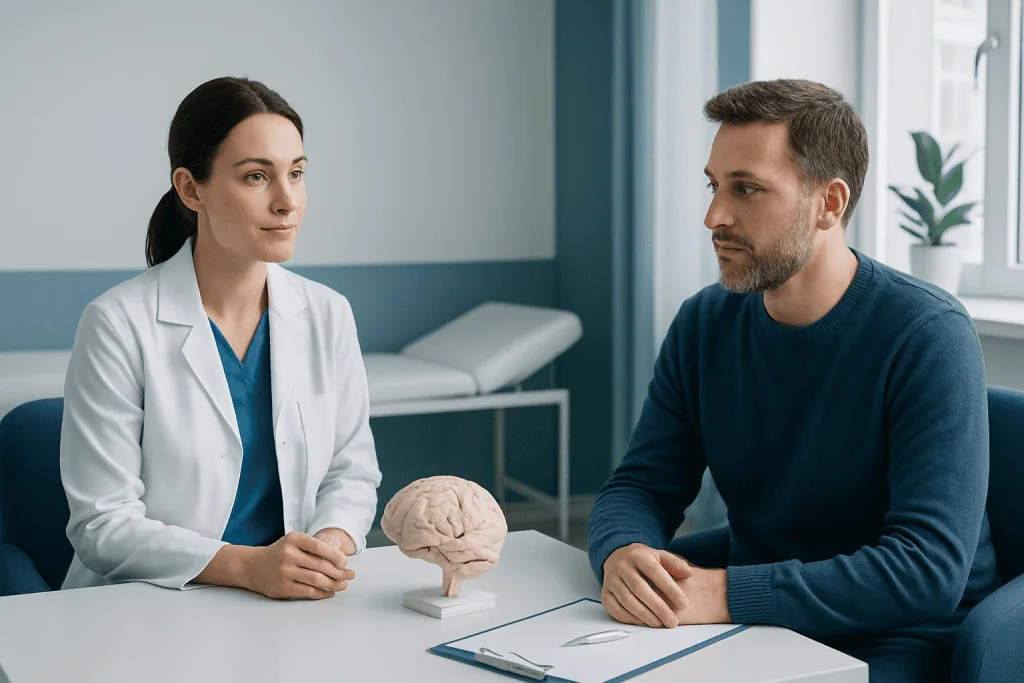
A neuropsychological evaluation usually measures several different cognitive domains rather than focusing on one symptom alone. This is important because difficulties in one area, such as attention, can affect performance in others, such as memory or problem-solving. Looking across domains helps identify patterns that may fit a particular neurological condition.
Common areas assessed include:
- Attention and concentration
- Learning and memory, both verbal and visual
- Language skills, such as naming, comprehension, and fluency
- Executive functions, including planning, organization, mental flexibility, and judgment
- Processing speed
- Visual-spatial and visual-motor skills
- Mood, anxiety, behavior, and everyday functioning
The evaluation usually begins with a clinical interview about symptoms, education, occupation, medical history, medications, sleep, mood, and daily activities. Family members or caregivers may sometimes provide additional observations, especially if there are concerns about memory, safety, or changes in personality.
Results are interpreted in context. Factors such as age, education, language background, fatigue, pain, stress, vision or hearing problems, and cultural experience can affect performance. A qualified neuropsychologist takes these into account so that the conclusions are as accurate and useful as possible.
How the process works
Neuropsychological testing is noninvasive and does not involve surgery, needles, or radiation. It usually takes several hours, although the length varies depending on the reason for referral and the complexity of the case. Some evaluations are completed in one session, while others are split into shorter visits to reduce fatigue.
During the appointment, the person may answer questions, remember words or stories, solve puzzles, draw designs, complete timed tasks, name pictures, or use computer-based tools. The tasks are designed to measure specific aspects of thinking in a standardized way. Some parts may feel easy, while others may be challenging; this is normal and helps show where strengths and weaknesses lie.
People are often asked to bring glasses, hearing aids, a medication list, and any relevant school or medical records. Getting enough sleep, eating normally, and taking regular medicines unless instructed otherwise can help the results reflect typical functioning. If the person is feeling unwell on the day of testing, it is often best to tell the clinic before or during the appointment.
After the evaluation, the neuropsychologist prepares a report and discusses the findings. This may include an explanation of which skills are intact, which are affected, how the pattern fits with the neurological condition, and what kinds of treatment, rehabilitation, or support may be helpful next.
How results guide diagnosis and treatment
Neuropsychological findings can help support diagnosis when symptoms are not fully explained by routine examination alone. A characteristic pattern of strengths and weaknesses may contribute to the assessment of conditions such as epilepsy, brain tumor, stroke, dementia syndromes, or traumatic brain injury. The test results do not replace medical diagnosis, but they add valuable functional information.
These findings can also shape treatment decisions. If a person has language vulnerability before surgery, the team may adapt the surgical approach or discuss risks more carefully. If slowed processing speed is a major issue after treatment, rehabilitation may focus on pacing, compensatory strategies, and attention training rather than memory exercises alone.
In rehabilitation, test results can help target goals that matter in daily life, such as returning to work, managing finances, driving safety, medication management, or coping with school demands. The recommendations may include speech and language therapy, occupational therapy, psychotherapy, cognitive rehabilitation, family education, or practical supports at home.
Repeat testing also helps doctors separate true change from subjective worry. Sometimes people feel that their thinking has worsened, but formal testing shows stable abilities and highlights the effects of stress, depression, sleep problems, or medication side effects. In other cases, testing detects subtle changes early and allows earlier support.
Understanding results and possible changes over time
Neuropsychological results are usually compared with normative data from people of similar age and sometimes similar educational background. This helps show whether a person’s performance falls within an expected range or whether certain abilities are weaker than anticipated. Equally important is the person’s own baseline, especially when pre-treatment testing is available.
A difference between before and after treatment does not automatically mean injury or decline. Scores can shift because of fatigue, pain, anxiety, poor sleep, medication effects, or limited effort on a difficult day. There can also be practice effects, meaning a person performs slightly better simply because the testing format is more familiar the second time.
For this reason, interpretation focuses on meaningful patterns rather than isolated scores. Neuropsychologists consider whether changes are consistent across related tasks, whether they match the person’s symptoms and medical history, and whether they are large enough to matter in real life. The timing of follow-up testing is also important, because the brain may need time to recover after a procedure or acute illness.
Clear communication is a central part of good care. Patients and families should feel comfortable asking what the results mean for work, school, independent living, driving, mood, and long-term follow-up. A useful report translates technical findings into practical next steps.
Self-care, preparation, and when to seek medical advice
There is no special way to “study” for neuropsychological testing, and trying to do so is usually unnecessary. The best preparation is to arrive rested, bring needed visual or hearing aids, and share an honest picture of symptoms and daily functioning. This helps the evaluation reflect real-world abilities and leads to more useful recommendations.
After neurological treatment, it can help to keep track of changes in memory, attention, mood, sleep, and independence in everyday tasks. Families may notice patterns the patient does not, such as repeated questions, difficulty following conversations, or trouble organizing routines. Writing these observations down can be helpful during follow-up visits.
Medical advice should be sought if there is new or worsening confusion, major memory decline, sudden language trouble, personality change, frequent falls, loss of awareness, or problems managing medicines, finances, or safety at home. These symptoms do not always mean a serious complication, but they deserve prompt medical attention.
For people who need specialist evaluation and coordinated care, Acibadem International’s multidisciplinary teams and JCI-accredited hospitals assess neurological and cognitive concerns for international patients. Depending on the underlying condition, care may involve neurologists, neurosurgeons, rehabilitation specialists, and neuropsychologists, including support after procedures such as deep brain stimulation when cognitive follow-up is appropriate.
Frequently asked questions
How is neuropsychological testing different from a brain scan?
A brain scan shows the structure or activity of the brain, while neuropsychological testing shows how the brain is functioning in everyday cognitive tasks. The two approaches complement each other and are often used together.
Is neuropsychological testing only for memory problems?
No. It can assess many abilities, including attention, language, processing speed, planning, visual-spatial skills, mood, and behavior. Memory is only one part of a full evaluation.
Can neuropsychological testing show whether treatment helped?
It can help show whether cognitive abilities have improved, remained stable, or changed after treatment, especially when there is a baseline assessment for comparison. The results are most meaningful when interpreted together with symptoms, medical history, and daily functioning.
Does a lower score always mean permanent brain damage?
No. Temporary factors such as fatigue, depression, anxiety, sleep problems, pain, or medication side effects can affect performance. That is why results should be interpreted by a qualified specialist in the full medical context.
How long after treatment should follow-up testing be done?
The timing depends on the condition and the type of treatment. Some people are tested soon after treatment to identify immediate needs, while others benefit from waiting until recovery is more stable.
Can children and older adults have neuropsychological testing?
Yes. Testing can be adapted for different ages and clinical situations. Age-appropriate tools are used so that the results are meaningful for development, education, work, or independent living.
References
- World Health Organization
- American Psychological Association
- National Institute of Neurological Disorders and Stroke
- American Academy of Neurology
- Cleveland Clinic
This article is for general information only and is not a substitute for professional medical advice. Please consult a qualified doctor about your individual situation.
Explore treatments in Turkey — costs, top hospitals & a free quote
JCI-accredited · board-certified surgeons · reply within 24h
Add us as a Preferred Source to see more of our trusted health content across Google Search, AI Overviews and Discover.

More from the Health Library



Related Specialists

Assoc. Prof. Dr. Şafak Yılmaz Baran
Gynecology & Obstetrics
Assoc. Prof. Dr. Serap Yücel
Radiation Oncology
Dr. Emin Ayan
Radiology
Dt. Anıl Ayvat
Oral & Dental Health