Neuropsychological Testing: What It Can Diagnose and Its Limits

Neuropsychological testing measures cognitive and behavioral functioning using standardized tasks. It can support the diagnosis of conditions that affect memory, attention, language, executive skills, and mood-related functioning.
Key Takeaways
- Neuropsychological testing measures cognitive and behavioral functioning using standardized tasks.
- It can support the diagnosis of conditions that affect memory, attention, language, executive skills, and mood-related functioning.
- The tests do not provide a complete diagnosis on their own and must be interpreted with medical history, examination, and sometimes imaging or lab tests.
- Results can help guide treatment, rehabilitation, school or workplace support, and follow-up care.
- Performance may be influenced by sleep, stress, pain, education, language, culture, and sensory or motor limitations.
Neuropsychological testing is a detailed assessment of thinking, memory, attention, language, and problem-solving. It can help identify patterns linked to neurological, developmental, or mental health conditions, but its results are only one part of a full medical evaluation.
Overview
Neuropsychological testing is a structured way to assess how the brain is functioning in everyday cognitive and behavioral areas. It looks at skills such as attention, memory, language, visual-spatial abilities, problem-solving, processing speed, and emotional functioning. The goal is not simply to label a person, but to understand their strengths, difficulties, and how these may relate to a medical or psychological condition.
These assessments are usually carried out by a clinical neuropsychologist or another trained specialist using standardized tests and questionnaires. Some tasks involve remembering words or stories, solving puzzles, naming pictures, drawing shapes, switching attention, or answering questions about mood and daily functioning. The combination of results helps create a profile of how a person thinks and performs.
Neuropsychological testing is often recommended when there are concerns about memory loss, concentration, developmental learning problems, the effects of stroke or head injury, changes related to aging, or difficulties after neurological illness. It may also be used before and after certain treatments to measure changes over time.
What Neuropsychological Testing Can Diagnose or Support
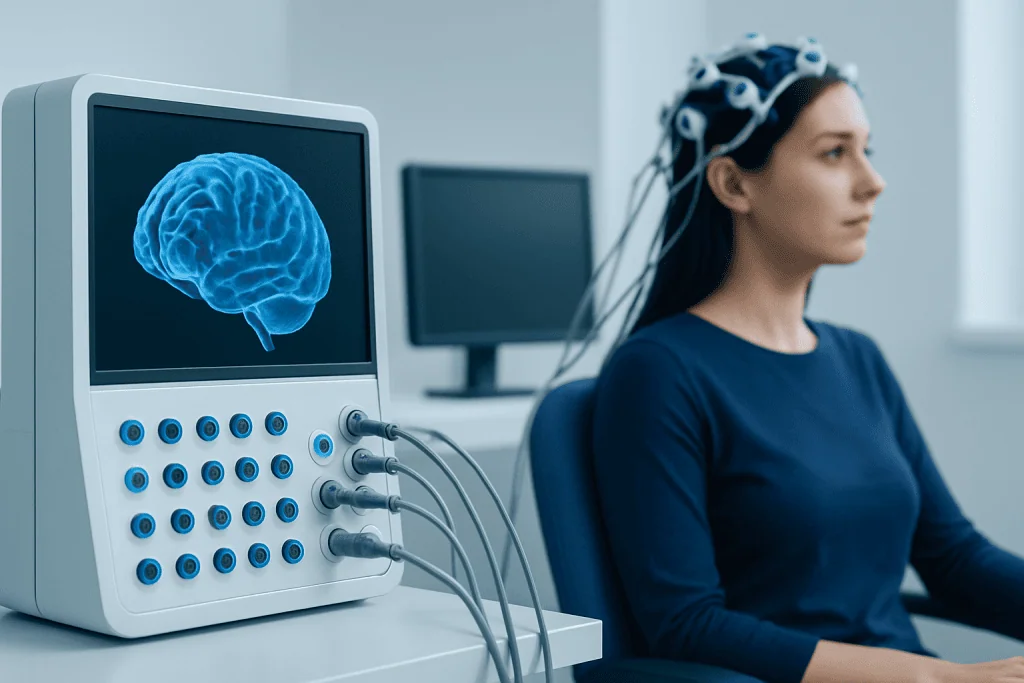
Neuropsychological testing can help support the diagnosis of many conditions, especially those that affect thinking and behavior. It does this by identifying patterns of strengths and weaknesses that are common in certain disorders. For example, one pattern may suggest problems with attention and impulse control, while another may point more strongly to memory storage or language-related difficulties.
In adults, testing is commonly used when doctors are considering mild cognitive impairment, dementia syndromes, attention problems, the effects of traumatic brain injury, stroke-related cognitive changes, epilepsy-related difficulties, multiple sclerosis, Parkinsonian disorders, and other neurological conditions. It may also help clarify cognitive symptoms seen in depression, anxiety, sleep disorders, or chronic medical illness.
In children and adolescents, neuropsychological testing may be used to evaluate attention-deficit/hyperactivity disorder, learning disorders, autism spectrum-related cognitive profiles, developmental delays, and the effects of epilepsy, brain injury, or other neurological conditions. It can be especially helpful when a child is struggling at school and the reason is not yet clear.
It is important to note that these tests often support diagnosis rather than establish it alone. A diagnosis such as Alzheimer’s disease or Parkinson’s disease usually requires a wider clinical assessment. Neuropsychological findings become most useful when combined with symptoms, physical and neurological examination, brain imaging when needed, and input from family members or teachers.
Symptoms and Situations That May Lead to Testing

A doctor may suggest neuropsychological testing when a person notices changes in memory, concentration, planning, language, or behavior that interfere with daily life. Examples include repeatedly forgetting appointments, losing track during conversations, getting confused with finances or medications, having trouble organizing tasks, or struggling to find words.
Testing may also be useful after an event that could affect the brain, such as a concussion, more severe head injury, stroke, brain infection, seizure disorder, or exposure to treatments that may affect cognition. In these settings, the assessment can help measure the extent of difficulties and plan rehabilitation.
For children, common reasons include poor school performance, attention difficulties, slow learning, changes in behavior, or suspected developmental differences. In older adults, the goal may be to distinguish normal aging from a more significant cognitive disorder. In all age groups, testing can provide reassurance when results are normal or near expected levels for age and background.
- Memory loss or unusual forgetfulness
- Problems with focus, attention, or mental speed
- Language or word-finding difficulties
- Changes after head injury, stroke, or seizures
- Learning or school-related concerns in children
- Need for a baseline before treatment or surgery
How the Evaluation Is Done
Neuropsychological evaluation usually begins with a detailed interview. The specialist asks about current symptoms, medical history, medications, mood, sleep, education, language background, and how the person manages daily activities. When appropriate, a family member may also describe changes they have noticed, since outside observations can be very helpful.
The testing session may last from a short screening visit to several hours, depending on the reason for referral. People are asked to complete a series of paper, verbal, and sometimes computer-based tasks. The tests are standardized, which means the results are compared with expected performance in people of similar age and sometimes similar education or language background.
Afterward, the neuropsychologist interprets the findings in context rather than relying on one score alone. A final report may explain whether the pattern is consistent with normal variation, a developmental issue, a neurological condition, emotional distress, or a mix of factors. Sometimes the findings lead to referral for additional evaluation, such as brain MRI or consultation with a neurology specialist.
The report often includes practical recommendations. These may cover school accommodations, workplace adjustments, memory strategies, rehabilitation, therapy, driving concerns, or follow-up testing. In some cases, doctors may recommend a broader brain check-up when symptoms need a more complete neurological assessment.
The Limits of Neuropsychological Testing
Although neuropsychological testing is very informative, it has clear limits. It does not directly show what the brain looks like, so it cannot replace imaging, blood tests, genetic testing, or a neurological examination when those are needed. It also cannot identify every cause of cognitive symptoms with certainty.
Many different conditions can produce similar test results. For example, poor sleep, pain, anxiety, depression, medication side effects, substance use, hearing or vision problems, low motivation, language barriers, and cultural or educational differences may all affect performance. Because of this, the same pattern may have more than one possible explanation, and careful interpretation is essential.
Testing also represents performance on a particular day. Fatigue, stress, headaches, illness, and emotional distress can lower scores temporarily. In addition, some people function well in structured testing but still struggle in the complexity of everyday life, while others perform modestly on tests yet manage daily tasks effectively with routines and support.
For these reasons, neuropsychological testing is best understood as one piece of a larger diagnostic process. It can strongly support or challenge a suspected diagnosis, but it is rarely the only factor used to make important medical decisions.
What Results Can and Cannot Tell You
Test results can describe which cognitive abilities are strong and which are weaker than expected. They can show whether problems seem greater in memory, attention, executive functioning, language, or visual-spatial processing. They can also help track whether a person is improving, stable, or declining over time.
What the results cannot always do is pinpoint a single disease with complete certainty. A profile may be consistent with a neurodegenerative condition, the effects of a prior brain injury, or cognitive changes related to emotional health, but the final conclusion depends on the wider clinical picture. This is why doctors may combine the assessment with blood tests, sleep evaluation, psychiatric review, or imaging studies.
The results can also be useful even when no major disorder is found. They may explain why a person feels mentally slower under stress, why a student needs learning support, or why recovery after illness is taking longer than expected. In that sense, the value of testing is often practical as well as diagnostic.
Treatment Planning, Follow-Up, and Self-Care
Neuropsychological testing does not treat a condition by itself, but it can guide treatment in a very practical way. The results may help doctors choose therapies, recommend rehabilitation, adjust educational plans, or identify daily strategies that improve functioning. For example, a person with attention and organizational difficulties may benefit from structured routines, reminders, and targeted therapy, while someone with memory impairment may need supervision for medications or finances.
Follow-up depends on the cause of symptoms. Some people need repeat testing after recovery from concussion, stroke, surgery, or epilepsy treatment. Others may be monitored over time when there is concern about progressive conditions such as dementia. Repeat assessments are usually spaced out enough to provide meaningful comparison rather than measuring normal day-to-day variation.
Helpful self-care steps include getting adequate sleep, treating hearing or vision problems, managing stress, staying physically active as advised by a doctor, and taking medications exactly as prescribed. It is also helpful to bring a trusted family member to important visits when memory or communication is a concern. Clear communication with the care team improves the usefulness of testing and the recommendations that follow.
For international patients who need coordinated assessment, Acibadem International’s multidisciplinary specialists and JCI-accredited hospitals provide diagnostic and treatment services related to cognitive and neurological conditions.
When to See a Doctor
A person should seek medical advice if memory, attention, language, or problem-solving changes are new, worsening, or starting to affect work, school, relationships, or daily safety. It is also important to speak with a doctor after a head injury, stroke, seizure, or serious illness if thinking skills do not return to normal as expected.
Prompt evaluation is especially important when cognitive changes come with confusion, personality change, difficulty speaking, weakness, severe headache, sudden vision problems, or loss of independence. These symptoms may need urgent medical attention rather than routine outpatient testing.
Even when symptoms seem mild, early assessment can be helpful. It may identify reversible factors such as sleep problems, medication effects, mood disorders, or vitamin deficiencies, and it can provide a useful baseline if follow-up is needed later. A qualified doctor can advise whether neuropsychological testing is appropriate and how it fits into the overall evaluation.
Frequently asked questions
Is neuropsychological testing the same as an IQ test?
No. Although some evaluations may include parts that measure intellectual functioning, neuropsychological testing is broader. It assesses multiple brain-related skills such as memory, attention, language, executive function, and emotional factors.
Can neuropsychological testing diagnose dementia?
It can strongly support the diagnosis by showing a pattern of cognitive change consistent with dementia and by measuring severity. However, doctors usually combine it with medical history, examination, and sometimes brain imaging or laboratory tests before making a final diagnosis.
How long does neuropsychological testing take?
The length varies depending on the reason for referral and the number of tests needed. Some evaluations take one to two hours, while more comprehensive assessments may take several hours or be split across more than one session.
Can anxiety or depression affect test results?
Yes. Mood symptoms, stress, poor sleep, and fatigue can all affect concentration, memory, and processing speed during testing. That is why the specialist interprets results within the wider medical and emotional context.
What should a person do to prepare for the test?
It usually helps to get a good night’s sleep, eat normally, bring glasses or hearing aids if needed, and take regular medications unless a doctor advises otherwise. Bringing prior medical records, school reports, or a list of concerns can also make the evaluation more useful.
Are normal results still helpful if symptoms are real?
Yes. Normal or near-expected results can be reassuring and may help rule out major cognitive impairment. They can also point doctors toward other explanations, such as sleep problems, stress, mood disorders, or medical issues outside the brain.
References
- American Psychological Association
- National Institute on Aging
- Centers for Disease Control and Prevention
- National Institute of Neurological Disorders and Stroke
- American Academy of Neurology
This article is for general information only and is not a substitute for professional medical advice. Please consult a qualified doctor about your individual situation.
Explore treatments in Turkey — costs, top hospitals & a free quote
JCI-accredited · board-certified surgeons · reply within 24h
Add us as a Preferred Source to see more of our trusted health content across Google Search, AI Overviews and Discover.

More from the Health Library


Related Specialists

Fzt. Sevim Korkmaz
Physical Medicine & Rehabilitation
Fzt. Hanife Durak
Physical Medicine & Rehabilitation
Dr. Zeynep Sağırkaya
Occupational Medicine
Dr. İpek Yıldız Tüzken
Anesthesiology