Neurosyphilis: What Patients Need to Know

Neurosyphilis happens when syphilis affects the central nervous system. It can develop at different stages of syphilis and may cause neurological, eye, hearing, or mental changes.
Key Takeaways
- Neurosyphilis happens when syphilis affects the central nervous system.
- It can develop at different stages of syphilis and may cause neurological, eye, hearing, or mental changes.
- Diagnosis usually involves blood tests, neurological evaluation, and often a lumbar puncture to examine spinal fluid.
- Treatment is based on antibiotics, most commonly intravenous penicillin, followed by medical follow-up.
- Early evaluation is important because some symptoms can improve or stabilize with prompt care.
Neurosyphilis is a complication of syphilis in which the infection affects the brain, spinal cord, or surrounding nerves. It can cause problems such as headache, vision changes, memory issues, numbness, or difficulty walking, but it is treatable and outcomes are often better when diagnosis happens early.
Overview: what neurosyphilis means
Neurosyphilis is an infection of the nervous system caused by the bacterium that causes syphilis. In practical terms, it means syphilis has involved the brain, spinal cord, or the tissues and nerves connected to them. Although many people associate this complication with very late disease, neurosyphilis can appear at different points in the course of infection.
Some people with neurosyphilis have noticeable symptoms, while others may have only subtle changes found on testing. The condition may affect thinking, movement, sensation, vision, hearing, mood, or balance. Because these symptoms overlap with many other neurological conditions, careful medical assessment is important.
A key point for patients is that neurosyphilis is treatable. Antibiotic treatment can clear the infection, and early treatment may help prevent further nervous system damage. Even when symptoms have been present for some time, medical care can still be valuable for controlling infection and supporting recovery.
How syphilis affects the nervous system
Syphilis is a sexually transmitted infection caused by Treponema pallidum. After entering the body, the infection can move through the bloodstream and involve different organs over time. In some people, the central nervous system becomes affected, leading to neurosyphilis.
Doctors often describe several patterns of neurosyphilis. Some forms mainly cause inflammation of the lining around the brain and spinal cord, while others affect blood vessels, the spinal cord itself, or the brain tissue. This helps explain why symptoms can vary so much from one person to another.
Related conditions may involve the eyes or ears, causing visual or hearing symptoms alongside neurological findings. In clinical practice, these problems are often evaluated together because they can occur as part of the same infection process. Patients being assessed for neurosyphilis may also need review for syphilis and other complications linked to the infection.
Symptoms and possible signs

Neurosyphilis does not have one single symptom pattern. Some patients develop headache, neck stiffness, or sensitivity to light, especially when the meninges are inflamed. Others notice numbness, tingling, weakness, poor coordination, trouble walking, or changes in bladder control.
Cognitive and emotional changes are also possible. These may include memory problems, confusion, difficulty concentrating, mood changes, personality changes, or unusual behavior. In some cases, symptoms appear gradually and may first be mistaken for stress, aging, or another neurological disorder.
Eye and ear symptoms deserve attention because they may occur with nervous system involvement. These can include blurred vision, double vision, loss of vision, hearing changes, ringing in the ears, or dizziness. Depending on the area affected, a doctor may see abnormal reflexes, reduced sensation, impaired balance, or pupil changes on examination.
- Headache or neck stiffness
- Memory, mood, or behavior changes
- Numbness, weakness, or difficulty walking
- Vision loss, blurred vision, or hearing changes
- Seizures or stroke-like symptoms in some cases
Causes and risk factors
The direct cause of neurosyphilis is untreated or inadequately treated syphilis infection. Not everyone with syphilis develops nervous system involvement, but the risk increases when infection is not diagnosed promptly. Neurosyphilis can occur in early infection or after years of untreated disease.
People may be more likely to develop complications if they have delayed testing, missed treatment, or incomplete follow-up after syphilis treatment. Coinfection with HIV can also affect how syphilis behaves and may increase the likelihood of nervous system involvement, so doctors often recommend testing for both infections as part of a full assessment.
Because syphilis can sometimes cause ulcers or rashes that later disappear, a person may not realize they were infected. This is one reason why routine sexual health screening matters, especially after new exposures or if a partner has been diagnosed. Preventing neurosyphilis begins with identifying and treating syphilis before it progresses.
How doctors diagnose neurosyphilis
Diagnosis starts with a detailed history and physical examination. The doctor will ask about neurological symptoms, sexual health history, prior syphilis testing or treatment, and any eye or hearing changes. A neurological exam helps identify problems with strength, sensation, reflexes, balance, memory, speech, or vision.
Blood tests for syphilis are usually the first step. If neurosyphilis is suspected, doctors often recommend a lumbar puncture, also called a spinal tap, to examine cerebrospinal fluid for signs of infection and inflammation. This can provide important evidence when symptoms suggest nervous system involvement.
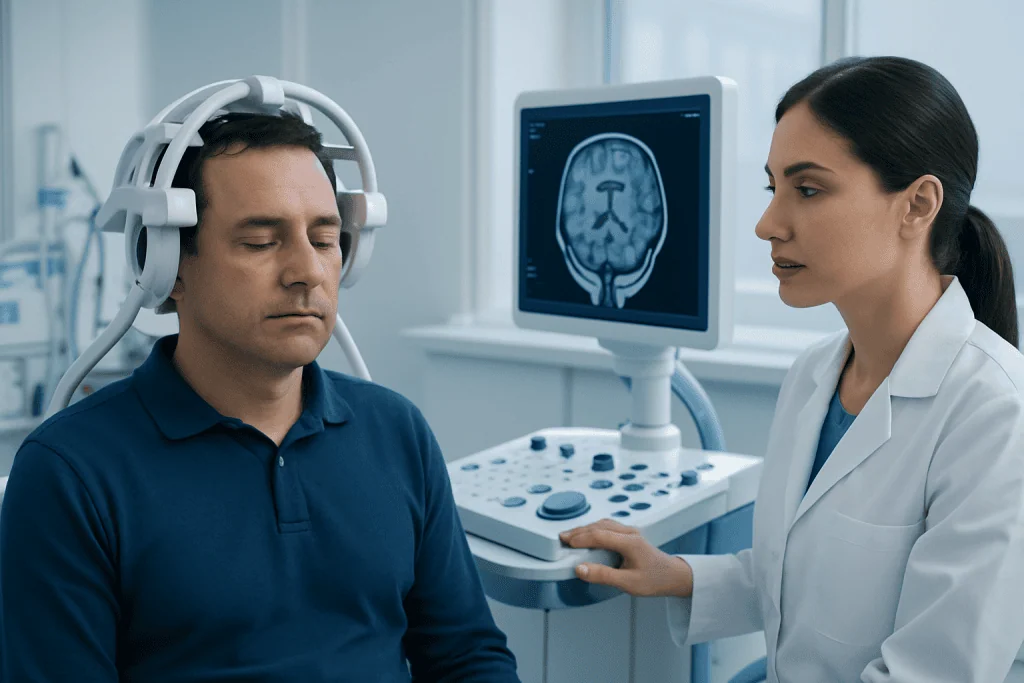
Additional testing may be needed depending on the symptom pattern. Brain imaging such as MRI may help rule out other neurological causes or evaluate complications such as inflammation or stroke-like changes. Some patients also need formal eye assessment, hearing tests, or consultation with specialists in neurology and infectious diseases. In more complex cases, support from neurology care can help coordinate diagnosis and follow-up.
Treatment options and follow-up care
The standard treatment for neurosyphilis is antibiotic therapy, most often penicillin given intravenously in hospital or under closely supervised medical care. The exact regimen depends on the patient’s overall health, test results, and any previous treatment history. For people with penicillin allergy, doctors may consider alternative approaches or allergy management when appropriate.
Treatment aims to eliminate the infection and prevent further damage to the nervous system. Some symptoms improve noticeably after therapy, especially if treatment begins early. However, recovery can vary, and long-standing nerve injury may not always fully reverse. This is why timely diagnosis remains so important.
Follow-up is a routine part of care. Doctors may repeat blood tests and, in selected cases, spinal fluid testing to confirm that treatment has worked. Patients with visual, hearing, movement, or cognitive problems may also need rehabilitation, specialist follow-up, or supportive therapies. If stroke-like complications are suspected, a broader stroke evaluation and treatment plan may also be needed alongside infection care.
Prevention and self-care
The most effective way to prevent neurosyphilis is to prevent, detect, and treat syphilis early. Safer sex practices, regular screening when risk is present, and prompt testing after possible exposure all help lower the chance of complications. Partners may also need testing and treatment to prevent reinfection.
Anyone who has been treated for syphilis should attend recommended follow-up visits. Follow-up testing matters because it helps doctors confirm that the infection is responding as expected. Skipping follow-up can delay recognition of persistent infection or complications.
Self-care during recovery focuses on rest, medication adherence, and monitoring symptoms. Patients should tell their doctor if they develop worsening headache, new weakness, confusion, fever, vision changes, or balance problems. Avoiding new sexual exposure until a clinician confirms it is safe is also an important part of recovery and public health protection.
When to seek medical care
Medical care should be sought promptly if a person has symptoms that could suggest neurosyphilis, especially if they have a known history of syphilis or possible recent exposure. Concerning signs include new severe headache, vision changes, hearing loss, confusion, memory decline, numbness, weakness, difficulty walking, or sudden mood and behavior changes.
Urgent assessment is especially important if there are stroke-like symptoms such as facial drooping, arm weakness, speech difficulty, seizures, or sudden loss of vision. These symptoms can have many causes, and some require immediate treatment. It is safer not to assume they are minor or temporary.
People who have been diagnosed with syphilis should also contact a doctor if symptoms continue after treatment, if follow-up testing has not been completed, or if a sexual partner is diagnosed. Near the end of the care pathway, multidisciplinary teams may be helpful; Acibadem International’s JCI-accredited hospitals and specialists evaluate and treat neurosyphilis and related neurological infections for international patients.
Frequently asked questions
Is neurosyphilis curable?
Neurosyphilis is treatable with antibiotics, and treatment can clear the infection. The degree of symptom improvement depends on how early it is found and whether nerve damage has already occurred.
Can neurosyphilis happen even if there are no obvious syphilis symptoms?
Yes. Some people do not notice earlier signs of syphilis, or the initial symptoms may go away on their own. That is why testing is important when there has been possible exposure or unexplained neurological symptoms.
What tests are used for neurosyphilis?
Doctors usually use blood tests for syphilis together with a neurological exam. Many patients also need a lumbar puncture to examine cerebrospinal fluid, and some need brain imaging or eye and hearing evaluations.
How long does treatment for neurosyphilis take?
Treatment commonly involves a course of intravenous antibiotics given over several days under medical supervision. The exact schedule varies, and follow-up visits are important after treatment ends.
Can symptoms return after treatment?
New or ongoing symptoms should always be reviewed by a doctor. In some cases, symptoms may persist because healing takes time or because prior nerve injury does not completely reverse, while in others further evaluation is needed to check treatment response or another diagnosis.
Is neurosyphilis contagious?
Neurosyphilis itself is not spread by casual contact. However, syphilis is a sexually transmitted infection, so preventing transmission involves sexual health precautions, partner notification, and appropriate testing and treatment.
This article is for general information only and is not a substitute for professional medical advice. Please consult a qualified doctor about your individual situation.
Joint and spine care in Turkey — expert assessment & treatment
JCI-accredited · board-certified surgeons · reply within 24h
Add us as a Preferred Source to see more of our trusted health content across Google Search, AI Overviews and Discover.

More from the Health Library

Onion: An Evidence-Based Guide for Patients

Tonify: What Patients Need to Know

Myoglobin: What Patients Need to Know

Rhinorrhea: A Complete Medical Overview

Tetraplegia: An Evidence-Based Guide for Patients