Tonify: What Patients Need to Know

Tonify is not a specific diagnosis or standardized medical treatment. In fitness, tonifying generally means increasing muscle strength while reducing or maintaining body fat.
Key Takeaways
- Tonify is not a specific diagnosis or standardized medical treatment.
- In fitness, tonifying generally means increasing muscle strength while reducing or maintaining body fat.
- Muscle tone improves through regular resistance exercise, movement, adequate nutrition, and recovery.
- Traditional medicine uses the term differently, and products or therapies should be discussed with a qualified clinician.
- Persistent weakness, fatigue, unexplained weight change, or new neurological symptoms need medical assessment.
Tonify is a broad term that usually means strengthening, restoring, or improving tone and function. In everyday health language, it often refers to building muscle fitness; in traditional medical systems, it may describe therapies intended to support energy or organ function.
What does tonify mean?
Tonify means to strengthen, restore, or improve the condition of a part of the body. The exact meaning depends on the setting. In exercise and wellness conversations, people commonly use it to mean making muscles feel firmer and more defined. In traditional health systems, including Traditional Chinese Medicine, “tonify” may refer to approaches intended to support a person’s energy, blood, or particular organ systems.
It is important to know that tonify is a descriptive term, not a medical diagnosis. It does not identify the cause of fatigue, weakness, loss of muscle, or a change in body shape. If a person has ongoing symptoms, a healthcare professional can help distinguish normal deconditioning from a nutritional, hormonal, neurological, or other medical concern.
In modern exercise science, muscles do not transform into a separate “toned” type of tissue. Visible definition is usually related to muscle size and strength, overall body composition, posture, and genetics. Health goals can therefore be more useful when framed around strength, stamina, mobility, and daily function rather than appearance alone.
Tonify in fitness and muscle health
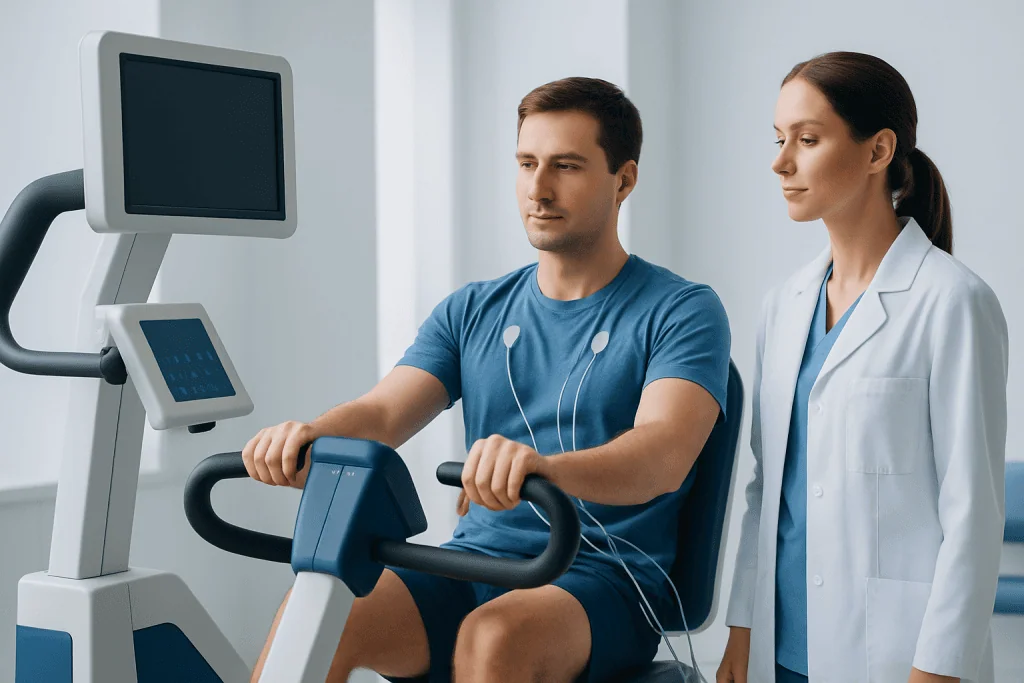
When used in fitness, tonifying generally refers to improving muscle strength and endurance while supporting a body composition that allows muscle definition to be more noticeable. Resistance exercise creates a stimulus for muscles to adapt. This may involve body-weight movements, resistance bands, free weights, weight machines, or physically demanding daily activities.
A balanced program normally works the major muscle groups and progresses gradually as ability improves. Exercises should be chosen around a person’s starting fitness, movement limitations, health conditions, and preferences. Good technique, suitable footwear or equipment, and rest days all help reduce the risk of injury.
Cardiovascular activity, such as brisk walking, cycling, swimming, or dancing, supports heart health and can improve endurance. It can complement strength training, but it does not replace resistance exercise for maintaining or building muscle. For people with joint pain or an injury, a clinician or physiotherapist can suggest safer options and may recommend physical therapy and rehabilitation as part of a tailored plan.
Body changes occur at different rates. Factors such as age, sleep, medication use, hormones, stress, dietary intake, and previous activity level can affect progress. A sustainable routine is usually safer and more beneficial than extreme exercise or restrictive eating plans.
How nutrition and recovery support muscle tone

Nutrition provides the energy and nutrients needed for activity, recovery, and muscle maintenance. Protein-containing foods contribute amino acids used by the body to repair and build tissues. A varied eating pattern that includes vegetables, fruits, whole grains, legumes, protein foods, and healthy fats can support general health and exercise recovery.
Hydration also matters, particularly during exercise, warm weather, illness, or travel. People do not need specialized supplements to begin a strength program. Some supplements can interact with medicines, be unsuitable during pregnancy or breastfeeding, or contain ingredients that are not appropriate for everyone. A doctor, pharmacist, or registered dietitian can provide individualized guidance before a person starts using them.
Sleep and recovery are often overlooked parts of physical conditioning. Muscles need time to recover after challenging activity, and inadequate sleep can make exercise feel harder and affect concentration, mood, and appetite. Gentle movement, stretching where comfortable, and planned rest can help a person maintain a routine without overtraining.
Rapid weight loss or very restrictive diets can lead to loss of lean muscle as well as body fat. Anyone considering a significant dietary change, especially a person with diabetes, kidney disease, an eating disorder history, or other chronic health conditions, should first speak with a qualified healthcare professional.
Tonify in traditional medicine
In some traditional medical systems, tonify has a different meaning from muscle conditioning. For example, practitioners of Traditional Chinese Medicine may use the term to describe supporting concepts such as qi, blood, yin, or yang. Recommendations may include dietary changes, herbs, acupuncture, movement practices, or other therapies.
These concepts are part of a traditional framework and do not correspond directly to diagnoses used in conventional medicine. Evidence for individual traditional therapies varies considerably depending on the condition, therapy, and outcome being studied. They should not replace assessment or evidence-based treatment for symptoms that may have a medical cause.
Herbal preparations deserve particular care. Natural does not always mean harmless: products may interact with prescription medicines, affect blood clotting or liver function, or be unsuitable for people with certain medical conditions. It is helpful to tell a doctor and pharmacist about all herbs, supplements, and traditional treatments being used.
For people who wish to include complementary therapies, the safest approach is coordinated care. A clinician can help ensure that the chosen approach does not delay diagnosis, interfere with treatment, or create avoidable risks.
Symptoms that should not be explained simply as needing to tonify
Feeling less fit after a period of inactivity is common, and gradual return to movement may be appropriate for many people. However, persistent tiredness, true muscle weakness, breathlessness, dizziness, or reduced exercise tolerance may have causes that should be evaluated rather than attributed to a need to “tonify.”
Possible contributors include anemia, thyroid disorders, sleep problems, depression, infections, medication effects, inadequate nutrition, and heart, lung, nerve, or muscle conditions. Symptoms alone cannot establish the cause. A clinician may ask about diet, sleep, activity, medicines, menstrual or bleeding history, mood, and family history, then decide whether an examination or tests are needed.
Unintentional weight loss, reduced appetite, frequent falls, worsening balance, numbness, or weakness affecting one side of the body are also not typical fitness concerns. Timely assessment can identify treatable causes and guide an appropriate care plan.
People who have chronic pain, arthritis, osteoporosis, recent surgery, pregnancy-related concerns, or known heart disease should ask their care team what forms of exercise are appropriate. A personalized plan can preserve strength and confidence while respecting medical needs.
Practical ways to improve strength and function
For most adults, a gentle and consistent approach is a sensible starting point. Begin with activities that are manageable and enjoyable, such as regular walks, sit-to-stand movements from a stable chair, light resistance bands, or supervised strength exercises. Increase the challenge gradually rather than trying to make major changes all at once.
Useful goals focus on function: carrying groceries more comfortably, climbing stairs with less effort, improving balance, or returning to a preferred activity. Tracking these changes can be more meaningful than focusing only on body weight or appearance. If pain occurs during exercise, stopping and seeking advice is generally safer than pushing through sharp or worsening discomfort.
Healthy routines also include regular meals, sufficient fluids, sleep, stress management, and avoiding tobacco. Alcohol can impair sleep and recovery when consumed in excess. A registered dietitian may be helpful when nutrition needs are complex or when a person is struggling to maintain weight or muscle mass.
Acibadem International’s multidisciplinary specialists and JCI-accredited hospitals can assess symptoms affecting strength, mobility, and overall wellbeing and help international patients access appropriate care.
When to seek medical care
A person should arrange a medical appointment if fatigue, weakness, muscle loss, or reduced stamina lasts for more than a few weeks, interferes with daily activities, or does not improve with rest and gradual activity. Assessment is also important for unexplained weight loss, persistent pain, repeated falls, new tremor, numbness, or changes in coordination.
Urgent medical care is needed for sudden weakness on one side of the body, facial drooping, difficulty speaking, sudden severe headache, chest pain, severe shortness of breath, fainting, or confusion. These symptoms can signal a serious condition and should not be managed as a fitness or “tonifying” concern.
A clinician can provide advice that reflects a person’s age, symptoms, health history, and goals. This may include lifestyle support, treatment for an underlying condition, referral to rehabilitation services, or further investigations when appropriate.
Frequently asked questions
Is tonify the same as building muscle?
Not exactly. In fitness language, tonify often describes a goal of improving muscle definition, which usually involves building or maintaining muscle and managing overall body composition. Strength, mobility, and function are more measurable health-focused goals than “toning” alone.
Can a person tonify without going to a gym?
Yes. Body-weight exercises, resistance bands, household activities, walking, climbing stairs, and home exercise programs can all support strength and fitness. The activity should match the person’s health status and be increased gradually.
Does tonifying require weight loss?
No. A person can become stronger and improve muscle endurance without losing weight. Whether muscle definition becomes more visible depends on body composition, genetics, and other individual factors, not only exercise.
Are tonifying herbs safe?
Herbal products are not automatically safe simply because they are natural. They can cause side effects or interact with medicines, so a person should discuss them with a doctor or pharmacist, especially if they have a health condition or take regular medication.
Why do I feel weak even though I exercise?
Weakness can have many explanations, including insufficient recovery, poor sleep, inadequate nutrition, illness, medication effects, or an underlying medical condition. Persistent, worsening, or unexplained weakness should be assessed by a healthcare professional.
How long does it take to see results from strength training?
People may notice improvements in confidence, movement, or everyday strength before they see visible body changes. The timeframe varies according to training consistency, starting fitness, nutrition, recovery, age, and health conditions. A gradual routine that can be maintained is usually most effective.
This article is for general information only and is not a substitute for professional medical advice. Please consult a qualified doctor about your individual situation.
Explore treatments in Turkey — costs, top hospitals & a free quote
JCI-accredited · board-certified surgeons · reply within 24h
Add us as a Preferred Source to see more of our trusted health content across Google Search, AI Overviews and Discover.
Check your numbers in seconds
BMI, calories, due date, blood pressure and 30+ more clinical calculators — free, instant, doctor-reviewed ranges.

More from the Health Library

Naat Test — Explained by Medical Evidence, Not Myths

Chills Without Fever: A Complete Medical Overview

Don’t Wanna Live: A Complete Medical Overview

Human Placental Lactogen — Explained by Medical Evidence, Not Myths

Pressure Points on the Body: An Evidence-Based Guide for Patients