New Treatment: How It Works, Results and What to Expect

A new treatment is not automatically better than established care; it should be supported by appropriate clinical evidence. Treatment plans should be based on a clear diagnosis, personal goals, medical history, and discussion with a qualified clinician.
Key Takeaways
- A new treatment is not automatically better than established care; it should be supported by appropriate clinical evidence.
- Treatment plans should be based on a clear diagnosis, personal goals, medical history, and discussion with a qualified clinician.
- Results of treatment vary between people and may take days, weeks, months, or longer depending on the condition and therapy.
- Understanding the treatment process, recovery needs, benefits, and possible side effects helps patients make informed decisions.
- Urgent symptoms such as severe chest pain, sudden weakness, breathing difficulty, or signs of stroke need prompt medical attention rather than waiting for a new treatment option.
A new treatment may be a medicine, procedure, device, rehabilitation approach, or care pathway that has recently become available for a particular health condition. Whether it is appropriate depends on the diagnosis, the quality of clinical evidence, individual health needs, expected benefits, and possible risks.
New Treatment: What It Means
A new treatment is a medical option that is recently developed, recently approved, newly introduced at a healthcare center, or newly considered for a particular patient. It may involve a medication, surgery, minimally invasive procedure, medical device, radiation technique, rehabilitation program, or combination of established therapies used in a different way.
New does not always mean experimental, and experimental does not necessarily mean unsuitable. A treatment may be well established in one country or specialty but new to another setting. The most important questions are whether it has been appropriately studied, which patients may benefit, how it compares with standard care, and what follow-up is needed.
For patients, the right choice is usually not simply the newest option. It is the option that offers a reasonable balance of potential benefit, safety, convenience, recovery requirements, and long-term outlook for their individual diagnosis.
How Does a New Treatment Work?
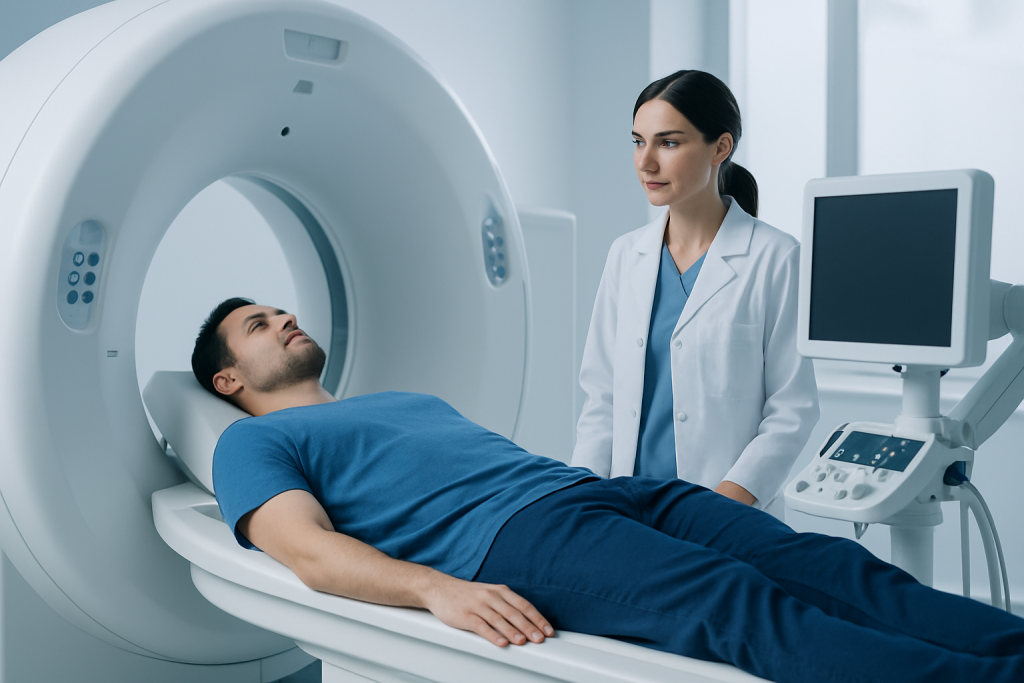
How a new treatment works depends entirely on the condition being treated. A new medicine may target a specific biological pathway, reduce inflammation, alter immune activity, prevent disease progression, or relieve symptoms. A newer procedure may use imaging, smaller instruments, computer guidance, or a different surgical technique to reach the treatment area more precisely.
Some new treatment methods improve how care is delivered rather than changing the treatment itself. Examples include coordinated multidisciplinary planning, remote monitoring, enhanced recovery pathways, and personalized rehabilitation. These approaches may help clinicians identify problems sooner or support recovery, but they still need to be used alongside sound medical care.
Before recommending a treatment, clinicians review the expected mechanism, available research, possible alternatives, and whether the option fits the patient’s diagnosis. A therapy that works well for one subtype or stage of disease may not be useful for another.
- Effectiveness: whether it improves meaningful outcomes, such as symptoms, function, disease control, or survival.
- Safety: the known side effects, complications, and uncertainties.
- Practicality: how it is given, how often monitoring is needed, and its effect on daily life.
- Suitability: whether a person’s age, other conditions, previous treatments, and preferences support its use.
Who May Be a Candidate for a New Treatment?

Candidacy begins with an accurate diagnosis. Clinicians may use a medical history, physical examination, laboratory tests, imaging, pathology findings, functional assessments, and specialist review to determine the cause and severity of a health problem. In some conditions, genetic or molecular testing can help identify treatments more likely to be useful.
A person may be considered for a newer option when standard treatment has not provided enough benefit, when side effects limit established choices, or when evidence suggests the newer approach may offer a meaningful advantage. In other cases, standard care remains the preferred first option because it has the strongest record of benefit and long-term safety.
Important factors include pregnancy status, allergies, kidney or liver function, heart and lung health, infection risk, medicines already being taken, and the ability to attend follow-up appointments. Patients should tell their care team about supplements and non-prescription products, as these can sometimes interact with treatment.
What Happens During a New Treatment Procedure?
The steps vary by treatment type, but patients should receive a clear plan before care begins. This plan generally explains the purpose of treatment, expected benefits, possible risks, alternatives, preparation instructions, consent process, and the team members involved. Questions about anesthesia, pain control, transportation, work arrangements, and support at home can be discussed in advance.
For a procedure, preparation may include blood tests, imaging, medication adjustments, fasting instructions, and assessment by anesthesia staff when needed. The procedure may be performed in an outpatient clinic, procedure room, hospital, or operating theater. Some treatments are completed in one visit, while others are delivered in sessions over several weeks or months.
During treatment, clinicians monitor the patient according to the procedure and medical need. Afterward, the care team provides instructions about activity, wound or device care where relevant, medication use, symptoms to watch for, and follow-up. A patient should not stop a prescribed treatment or begin an unproven alternative without speaking to their clinician.
Results of Treatment and Recovery Timeline
The results of treatment depend on the health condition, its severity, the specific therapy, and individual factors. Some treatments provide symptom relief quickly, while others work gradually. For example, a pain-relieving intervention may help within hours or days, whereas immune-based therapies, rehabilitation, preventive medicines, or treatments aimed at slowing disease progression may require weeks or months to show their full effect.
When patients ask, “How long will it take for treatment to work?”, the safest answer is that the treating clinician can give the most relevant estimate after reviewing the diagnosis and treatment plan. Follow-up may include symptom review, physical examination, blood tests, scans, or other measurements. These checks help determine whether treatment is working, whether adjustments are needed, and whether side effects are developing.
Recovery also differs substantially. Minor procedures may require little downtime, while surgery or intensive treatment can involve a longer period of healing, rehabilitation, and gradual return to normal activity. Patients should follow individualized activity and nutrition advice and keep scheduled review appointments, even if they feel well.
It is helpful to define success before treatment starts. Success may mean reducing pain, improving mobility, controlling disease activity, avoiding hospitalization, preserving organ function, improving quality of life, or achieving another agreed medical goal. Treatment more results are not always better if added treatment brings more harm than benefit; care should remain focused on outcomes that matter to the patient.
Benefits, Risks and Questions to Ask
Potential benefits of a new treatment may include better symptom control, fewer side effects, shorter recovery, more precise treatment delivery, or an option for people who have not responded to previous care. However, not every new approach has long-term data, and outcomes seen in research studies may not be identical for every person in routine care.
Possible risks can include medication side effects, allergic reactions, infection, bleeding, pain, blood clots, anesthesia-related complications, treatment failure, or the need for further treatment. The relevant risks depend on the therapy. Clinicians should explain common side effects, serious but less common complications, uncertainty in the evidence, and what to do if problems occur.
Patients may wish to ask: What is the goal of this treatment? What evidence supports it for my condition? What are the alternatives, including no immediate treatment? How will success be measured? What side effects should prompt a call or urgent assessment? How will this affect work, family responsibilities, and other medications?
Acibadem International’s multidisciplinary specialists and JCI-accredited hospitals support international patients with diagnosis, treatment planning, and follow-up across a range of medical conditions. Decisions about any new treatment should be made with an appropriately qualified specialist who can explain whether it is suitable for the individual.
When to Seek Medical Care
Medical advice is appropriate when symptoms are new, persistent, worsening, or affecting daily activities. A person should also contact a clinician if they are considering a new treatment advertised online, have concerns about a prescribed therapy, experience troubling side effects, or feel that their current treatment is not meeting agreed goals.
Urgent medical assessment is needed for severe chest pain, significant trouble breathing, fainting, sudden confusion, seizures, uncontrolled bleeding, severe allergic symptoms, or sudden weakness, facial drooping, speech difficulty, or vision loss. These symptoms may require emergency care and should not be managed by waiting for a routine appointment.
After a procedure or new medication, patients should follow the discharge advice they receive. They should seek prompt guidance for fever, increasing pain, spreading redness, unusual swelling, persistent vomiting, new rash, worsening weakness, or any symptom their care team has identified as concerning.
Common Language and News Searches About “New”
What is another word for “new”? Depending on context, alternatives include recent, current, modern, novel, updated, emerging, or newly available. In healthcare, “novel” and “emerging” may suggest that evidence is still developing, while “newly available” may simply mean a treatment has been introduced at a particular clinic or in a particular country.
What are the latest breaking news in the world? This is a general news question rather than a medical question. For reliable current events, readers should consult reputable news organizations and official public agencies, checking publication dates and distinguishing confirmed reporting from early or unverified claims.
What are the latest news headlines in America? News headlines change frequently and are best checked through established national and local news outlets. For health-related announcements, official sources such as national health authorities, medical societies, and regulatory agencies can provide important context about whether a reported new treatment is approved, still being studied, or only suitable for selected patients.
What was the breaking news on the Today Show? Broadcast news content varies by date and program edition. The most accurate way to confirm a specific segment is to review the program’s official archive or a reputable contemporaneous report. Health claims presented in news coverage should be discussed with a clinician before they influence treatment decisions.
Frequently asked questions
Does “new treatment” mean the treatment is experimental?
No. A new treatment may be fully approved and supported by clinical evidence, but only recently available in a particular region or healthcare center. Experimental treatments are generally still being studied and should be explained clearly as part of a clinical trial or research setting.
How can a patient tell whether a new treatment is evidence-based?
Patients can ask what research supports the treatment, whether it has been reviewed by relevant regulators or professional bodies, and how it compares with established options. A clinician should be able to explain known benefits, risks, uncertainties, and why the treatment may fit the patient’s diagnosis.
How long will it take for treatment to work?
The timeframe depends on the condition and treatment. Some therapies act quickly, while others need weeks or months before changes can be reliably assessed. The care team can explain what improvement is realistic and when follow-up testing or review is planned.
Can a patient ask for a new treatment instead of standard care?
Yes, patients can ask about any treatment option and should feel comfortable discussing their goals and concerns. However, a clinician may recommend standard care when it has stronger evidence, better long-term data, or is safer for the individual situation.
What should a patient do if side effects occur after treatment starts?
They should follow the instructions given by their care team and report new or worsening side effects promptly. Severe symptoms, such as breathing difficulty, swelling of the face or throat, severe chest pain, fainting, or sudden neurological symptoms require urgent medical assessment.
Are newer treatment methods always less invasive?
Not always. Some newer approaches are designed to reduce invasiveness or shorten recovery, but others may involve similar procedures with different technology, medicines, or monitoring. The expected recovery and risks should be discussed for the specific treatment being considered.
References
- World Health Organization
- U.S. Food and Drug Administration
- National Institutes of Health
- National Institute for Health and Care Excellence
- Centers for Disease Control and Prevention
This article is for general information only and is not a substitute for professional medical advice. Please consult a qualified doctor about your individual situation.
Explore treatments in Turkey — costs, top hospitals & a free quote
JCI-accredited · board-certified surgeons · reply within 24h
Add us as a Preferred Source to see more of our trusted health content across Google Search, AI Overviews and Discover.

More from the Health Library



Related Specialists

Ferît Pekgöz
Physical Medicine & Rehabilitation
Dr. Gülşen Küçükdemirbaş
Physical Medicine & Rehabilitation
Dr. Mehmet Demir
Inpatient Clinic Physicians
Dr. Damla Akçora
Anesthesiology