New viral in india: A Complete Medical Guide for Patients

“new viral in india” is a general term and does not identify one specific infection. Common viral symptoms include fever, fatigue, sore throat, cough, body aches, rash, and digestive upset.
Key Takeaways
- “new viral in india” is a general term and does not identify one specific infection.
- Common viral symptoms include fever, fatigue, sore throat, cough, body aches, rash, and digestive upset.
- Doctors diagnose viral illnesses using symptoms, physical examination, travel and exposure history, and targeted tests when needed.
- Most mild viral infections improve with rest, hydration, and symptom relief, but some require monitoring or hospital care.
- Children, older adults, pregnant people, and those with chronic illness may need earlier medical assessment.
- Urgent care is important for breathing problems, dehydration, confusion, severe weakness, chest pain, or persistent high fever.
The phrase “new viral in india” usually refers to a recently circulating viral illness rather than one single disease. Most viral infections cause short-term symptoms such as fever, body aches, cough, rash, or stomach upset, but proper evaluation matters because treatment and precautions depend on the exact virus and the patient’s risk factors.
What “new viral in india” usually means
The term “new viral in india” is commonly used in news reports, online searches, and everyday conversation when a viral illness seems to be spreading or causing clusters of symptoms in a region. In medical practice, however, this phrase is not a diagnosis by itself. It may refer to many different viral infections, including seasonal respiratory viruses, mosquito-borne viruses, stomach viruses, or less common outbreak-related infections.
Because symptoms such as fever, tiredness, sore throat, cough, headache, rash, or diarrhea can overlap across different viruses, doctors look beyond the label of “new viral.” They assess the person’s age, medical history, recent travel, contact with sick people, insect exposure, vaccination status, and local public health updates. This helps narrow down the likely cause and identify who may be at higher risk of complications.
Most viral infections are self-limited, meaning they improve with time and supportive care. Still, some illnesses can resemble bacterial infections or other important conditions, and some can lead to dehydration, breathing difficulty, or worsening of underlying health problems. For that reason, persistent or severe symptoms should be evaluated by a qualified clinician rather than managed by assumptions alone.
How viral illnesses usually present
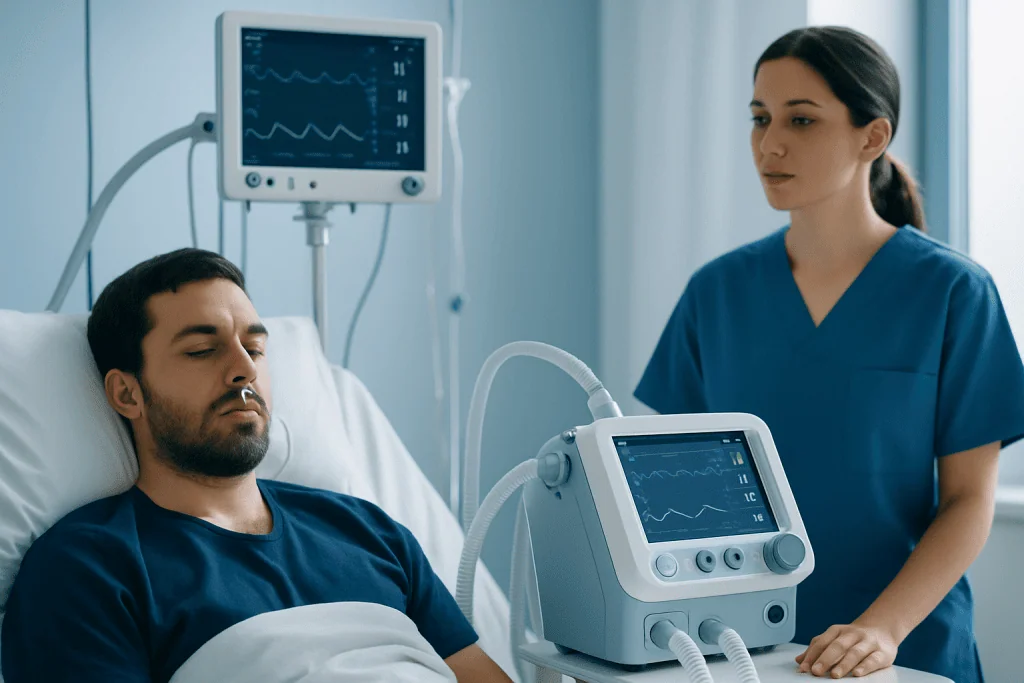
Viruses can affect different parts of the body, so symptoms vary. Respiratory viruses often cause fever, runny nose, sore throat, cough, congestion, hoarseness, and tiredness. Gastrointestinal viruses may lead to nausea, vomiting, abdominal cramps, and diarrhea. Other viral illnesses can produce rash, red eyes, joint pain, swollen glands, or generalized body aches.
Symptoms may start suddenly or build gradually over a few days. Some people mainly feel weak and feverish, while others have more obvious local symptoms such as throat pain or digestive upset. Children may become irritable, feed poorly, or seem sleepier than usual rather than describing specific discomfort. Older adults may have less typical symptoms, including confusion, poor appetite, or a sudden decline in energy.
Common symptoms that can occur with many viral infections include:
- Fever or chills
- Fatigue and body aches
- Headache
- Sore throat or cough
- Runny or blocked nose
- Rash
- Nausea, vomiting, or diarrhea
- Reduced appetite
While these features often suggest a viral cause, they are not enough to confirm which virus is responsible. A persistent high fever, significant shortness of breath, severe dehydration, or a rapidly spreading rash deserves more careful medical review.
Possible causes and risk factors

A “new viral” pattern may result from a familiar virus circulating more widely, a seasonal increase in infections, a local outbreak, or heightened awareness because of media coverage. In India, as in many countries, common viral illnesses may include influenza-like infections, COVID-19, adenovirus, respiratory syncytial virus, enteroviruses, viral gastroenteritis, and mosquito-borne illnesses such as dengue in some regions and seasons. Symptoms can overlap, so an exact diagnosis matters when monitoring for complications or deciding whether testing is needed.
Exposure risk depends on the virus. Respiratory viruses spread more easily in crowded indoor spaces, schools, workplaces, public transport, and households. Stomach viruses may spread through contaminated hands, food, water, or surfaces. Some infections are linked to mosquito bites, while others are associated with close contact, contaminated droplets, or poor hand hygiene.
Certain people are more likely to become seriously unwell from viral infections. These include infants, older adults, pregnant people, and individuals with chronic lung disease, heart disease, diabetes, kidney disease, cancer, or weakened immune systems. People with symptoms that could fit conditions such as dengue fever or influenza may need prompt medical review, especially if fever is high, symptoms worsen quickly, or fluid intake becomes difficult.
How doctors evaluate and diagnose it
Diagnosis begins with a careful clinical assessment. A doctor asks when symptoms began, whether there is fever, cough, rash, vomiting, or diarrhea, and whether there has been recent travel, mosquito exposure, sick contacts, or known local outbreaks. They also review medications, medical conditions, and warning signs such as shortness of breath, fainting, bleeding, or reduced urine output.
The physical examination may include temperature, pulse, blood pressure, oxygen level, throat and chest examination, hydration status, skin assessment, and abdominal evaluation. In many mild cases, this may be enough to guide care without extensive testing. Not every viral illness needs a laboratory confirmation if symptoms are straightforward and the person is otherwise stable.
When symptoms are moderate, prolonged, unusual, or associated with higher risk, doctors may recommend targeted tests. These can include blood tests, nasal or throat swabs for respiratory viruses, or stool testing for certain gastrointestinal infections. If breathing symptoms are prominent, chest X-ray may help look for pneumonia or other complications. In selected cases, a medical check-up helps coordinate examination, laboratory testing, and follow-up based on the person’s age and health profile.
The main goal of diagnosis is not only naming the virus, but also ruling out emergencies, identifying complications early, and deciding whether supportive home care is enough or closer monitoring is needed.
Treatment and supportive care
Most uncomplicated viral illnesses are treated with supportive care. This generally means rest, drinking enough fluids, eating light meals as tolerated, and using symptom-relief medicines recommended by a doctor or pharmacist. Supportive treatment aims to make the person more comfortable while the immune system clears the infection.
Antibiotics do not treat viral infections unless there is a proven or strongly suspected bacterial infection as well. Antiviral medicines are useful only for certain viruses and in selected situations. For example, some people with confirmed influenza or COVID-19 may benefit from early antiviral treatment, but these medicines are not appropriate for every fever or cough.
Care plans vary depending on symptoms. A person with dehydration from vomiting or diarrhea may need oral rehydration or IV fluids. Someone with low oxygen levels, wheezing, or worsening cough may need respiratory support and further testing. If a doctor suspects a condition linked to more serious systemic illness, additional monitoring or hospital care may be advised. When symptoms overlap with respiratory infection, doctors may also evaluate for related concerns such as pneumonia if fever, chest discomfort, or breathing trouble develops.
For international patients who need coordinated evaluation, Acibadem International’s multidisciplinary specialists and JCI-accredited hospitals diagnose and treat viral and other acute medical conditions, using services such as blood tests when clinically appropriate.
Self-care, prevention, and reducing spread
Good self-care can support recovery and help prevent transmission to others. People with a likely viral illness should rest, drink fluids regularly, and avoid sharing utensils, towels, or personal items until they feel better. Handwashing with soap and water, especially after coughing, sneezing, using the bathroom, or caring for a sick child, remains one of the most effective preventive steps.
Respiratory hygiene is also important. Covering coughs and sneezes, improving ventilation, and limiting close contact while feverish or actively symptomatic can reduce spread in homes, schools, and workplaces. If symptoms include diarrhea or vomiting, careful food handling and frequent cleaning of commonly touched surfaces can lower household transmission.
Vaccination remains a key part of prevention for some viral infections. Depending on age, health status, and local recommendations, this may include influenza and COVID-19 vaccination, among others. Protection against mosquito-borne illness also matters in some settings, using long sleeves, window screens, and insect repellents as advised.
Self-care is helpful, but it has limits. If symptoms are becoming stronger instead of gradually improving, it is safer to seek medical advice rather than continuing home treatment without reassessment.
When to seek medical care
Many viral illnesses can be managed at home, but some symptoms should not be ignored. Medical care is important if fever is very high, lasts more than a few days, or returns after seeming to improve. It is also important to seek assessment if the person cannot keep fluids down, is urinating much less than usual, or appears unusually drowsy or confused.
Urgent evaluation is needed for trouble breathing, chest pain, bluish lips, severe weakness, seizures, fainting, stiff neck, severe abdominal pain, or signs of dehydration such as extreme thirst, dizziness, and very little urine. A rapidly spreading rash, bleeding, or worsening symptoms in a pregnant person, infant, older adult, or immunocompromised patient also warrants prompt review.
Parents and caregivers should trust their concern if a child is not behaving normally, is difficult to wake, refuses feeds, or has fast breathing. Early assessment can help distinguish a routine viral illness from a condition that needs observation, testing, or more active treatment.
Outlook and recovery
The outlook for most viral infections is good, especially in otherwise healthy people with mild symptoms. Recovery often happens over several days to one or two weeks, depending on the virus and the person’s baseline health. Fatigue, cough, or reduced appetite may linger for a short time even after fever settles.
Follow-up may be useful if symptoms are not improving as expected, keep coming back, or interfere with normal eating, sleeping, hydration, or breathing. Recovery can also be slower in older adults and in people with chronic disease. In these situations, a doctor may reassess for complications, secondary infections, or another diagnosis.
Because the phrase “new viral in india” is broad and non-specific, the safest approach is practical rather than speculative: observe symptoms carefully, support hydration and rest, prevent spread where possible, and get medical advice if there are warning signs or uncertainty. A clear diagnosis is the best guide to proper treatment and peace of mind.
Frequently asked questions
What does “new viral in india” mean medically?
Medically, it is not the name of a single disease. It usually means a recently noticed or currently circulating viral illness causing symptoms such as fever, cough, rash, or stomach upset. A doctor determines the likely cause based on symptoms, exposure history, and testing when needed.
What are the common symptoms of a viral infection?
Common symptoms include fever, tiredness, body aches, headache, sore throat, cough, runny nose, nausea, vomiting, diarrhea, or rash. Not everyone gets the same symptoms, and different viruses affect different parts of the body. Severity can range from very mild to more significant, especially in higher-risk groups.
Do antibiotics help with a new viral illness?
Antibiotics do not work against viruses. They are used only when there is a bacterial infection or a strong reason to suspect one. Taking antibiotics unnecessarily can cause side effects and does not shorten a typical viral illness.
How can someone tell whether a viral illness is serious?
Warning signs include trouble breathing, chest pain, confusion, severe weakness, dehydration, persistent high fever, seizures, or symptoms that rapidly worsen. Infants, older adults, pregnant people, and immunocompromised patients should seek care earlier. When there is doubt, a medical evaluation is the safest choice.
How long does recovery usually take?
Many mild viral infections improve within a few days to two weeks. Some symptoms, especially fatigue or cough, can last a little longer even as the infection clears. Recovery time depends on the specific virus, the person’s age, and any underlying health conditions.
Can a person stay home and recover without tests?
Yes, many mild viral illnesses can be managed at home with rest, fluids, and symptom relief. However, testing may be helpful if symptoms are severe, prolonged, unusual, or if the person is at higher risk of complications. A doctor can advise whether home care is enough or evaluation is needed.
References
- World Health Organization
- Centers for Disease Control and Prevention
- Ministry of Health and Family Welfare, Government of India
- Indian Council of Medical Research
- National Health Service
This article is for general information only and is not a substitute for professional medical advice. Please consult a qualified doctor about your individual situation.
Persistent digestive symptoms? Get evaluated in Turkey
JCI-accredited · board-certified surgeons · reply within 24h
Add us as a Preferred Source to see more of our trusted health content across Google Search, AI Overviews and Discover.
Check your numbers in seconds
BMI, calories, due date, blood pressure and 30+ more clinical calculators — free, instant, doctor-reviewed ranges.