Night Sweats Without Fever: Possible Causes and When to See a Doctor

Night sweats without fever do not always mean infection and may have many possible causes. Common explanations include menopause, anxiety, medications, low blood sugar, and sleep disorders.
Key Takeaways
- Night sweats without fever do not always mean infection and may have many possible causes.
- Common explanations include menopause, anxiety, medications, low blood sugar, and sleep disorders.
- A doctor looks at the pattern of sweating, other symptoms, medical history, and sometimes blood tests or imaging.
- Persistent, drenching, or unexplained night sweats should be checked, especially if they occur with weight loss or enlarged lymph nodes.
- Self-care can help, but treatment depends on the underlying cause.
Night sweats without fever are common and often linked to room temperature, hormones, stress, sleep disorders, or medications rather than infection. If sweating is frequent, drenching, or happens with weight loss, swollen glands, pain, or other concerning symptoms, medical evaluation is important.
Overview
Night sweats without fever means sweating during sleep enough to dampen nightclothes or bedding, even when a person does not have a raised body temperature. Many people notice this from time to time. In some cases, the cause is simple, such as a warm bedroom, heavy bedding, alcohol, or stress before sleep. In other cases, the body may be signaling a hormone shift, a medication effect, or an underlying health condition.
It helps to separate true night sweats from feeling a little warm at night. True night sweats are usually more noticeable and may wake a person from sleep. They tend to recur rather than happen once after a hot evening or vigorous exercise. The absence of fever is useful information, but it does not completely rule out a medical cause.
Most causes are not emergencies. Still, persistent or unexplained sweating deserves attention, especially if it is drenching or comes with other symptoms. A healthcare professional can look at the full picture and decide whether testing is needed.
Symptoms and Patterns to Notice
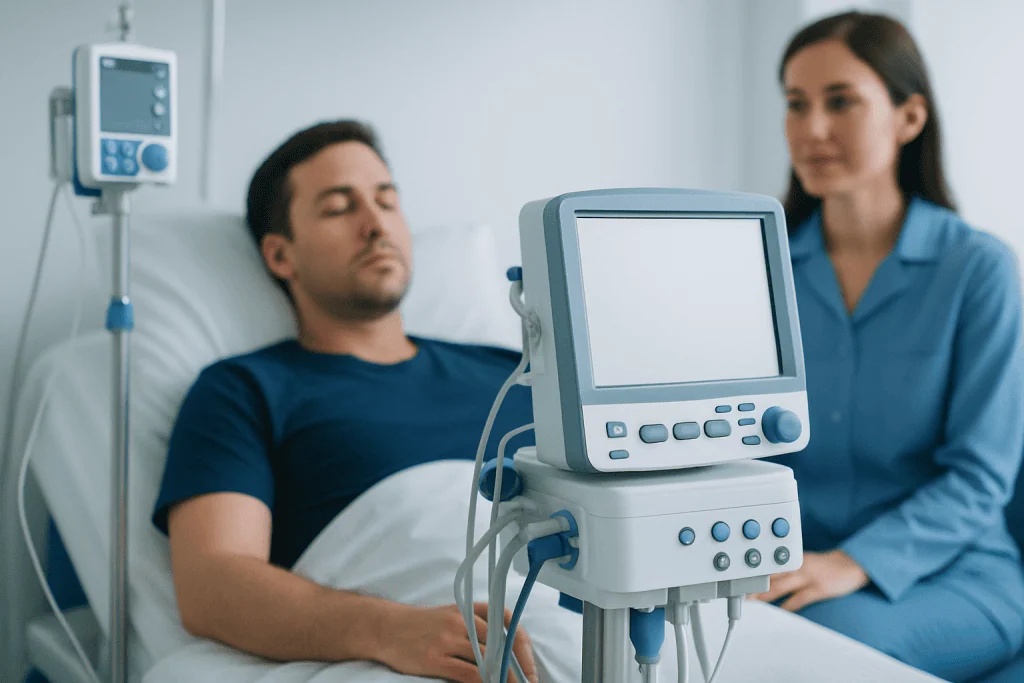
Night sweats can vary widely. Some people wake feeling clammy around the neck or chest, while others need to change clothes or bed linen. The pattern may offer clues. For example, sweating that appears around the time of hot flashes may suggest a hormonal cause, while sweating with snoring and daytime fatigue may point toward a sleep-related problem.
Keeping track of what happens can be helpful. Important details include how often the sweating occurs, whether it is mild or drenching, whether it happens in the first part of the night or near morning, and whether there are triggers such as alcohol, spicy meals, stress, or a recent change in medication.
Other symptoms can also matter. These may include trouble sleeping, palpitations, anxiety, heartburn, cough, weight change, menstrual changes, swollen lymph nodes, pain, or daytime fatigue. A symptom diary often gives a doctor useful information and may shorten the time needed to find the cause.
- Damp sleepwear or bedding
- Waking suddenly feeling overheated or clammy
- Recurring episodes over days or weeks
- Sleep disruption and next-day tiredness
- Associated symptoms such as hot flashes, snoring, or weight loss
Possible Causes and Risk Factors

Hormonal changes are a frequent reason for night sweats without fever. Menopause and perimenopause are well-known causes, but hormone shifts related to thyroid conditions, pregnancy, or certain endocrine disorders can also contribute. An overactive thyroid may cause heat intolerance, a rapid heartbeat, tremor, and sweating. Low blood sugar during the night, especially in people using diabetes medicines, may also trigger sweating.
Medications are another common explanation. Antidepressants, steroids, some pain medicines, hormone treatments, and medicines that affect blood sugar can all be linked to night sweating. Sometimes the timing fits with a newly started medicine or a recent dose change. Alcohol, recreational drugs, and caffeine may also increase sweating in some people.
Stress, anxiety, panic symptoms, and poor sleep can play a role as well. The nervous system influences sweat production, and emotional stress may show up physically at night. Sleep disorders are important to consider, especially sleep apnea, which can cause repeated awakenings, sweating, loud snoring, and daytime sleepiness.
Less commonly, night sweats may be associated with infections, autoimmune conditions, reflux, some neurological disorders, or cancers such as lymphoma. In these situations, sweating is often accompanied by additional warning signs. The presence of no fever lowers the likelihood of some infections, but it does not fully exclude them, so persistent symptoms should still be evaluated.
How Doctors Diagnose the Cause
Diagnosis starts with a detailed medical history. A doctor usually asks when the night sweats began, how severe they are, whether they are drenching, and what other symptoms are present. They will also ask about menstrual history, medications, alcohol use, sleep habits, travel, recent infections, and family medical history. A physical examination may include checking temperature, blood pressure, thyroid, lymph nodes, lungs, and abdomen.
If the history suggests a straightforward cause, testing may be limited at first. For example, if symptoms clearly match perimenopause or a recently started medicine, the next step may focus on symptom management or medication review. In other cases, simple blood tests may be ordered to look for anemia, inflammation, thyroid problems, blood sugar issues, or signs of infection.
Depending on the situation, additional testing may include hormone tests, urine tests, chest imaging, or evaluation for sleep disorders. People with loud snoring, observed pauses in breathing, morning headaches, or daytime sleepiness may benefit from an assessment for obstructive sleep apnea. If reflux symptoms are prominent, a clinician may also consider digestive causes. The goal is to identify the underlying reason rather than treat sweating alone.
Treatment Options
Treatment depends on the cause. When hormones are responsible, management may involve lifestyle steps, non-hormonal options, or hormone-based treatment after a doctor reviews the person’s health history and risk factors. If the sweating relates to thyroid overactivity, blood sugar swings, or another medical condition, treatment focuses on bringing that condition under control.
When medication side effects are suspected, a clinician may suggest adjusting the timing, changing the dose, or switching to an alternative. This should always be done under medical guidance, not by stopping a prescription suddenly. If anxiety or stress appears to be contributing, treatment may include sleep hygiene, counseling, relaxation strategies, or care for an underlying mental health condition.
For people whose symptoms are linked to a sleep disorder, targeted treatment can help both sweating and sleep quality. Evaluation and management may include a sleep study, and if sleep apnea is confirmed, treatment such as sleep apnea treatment may be recommended. If an endocrine problem is suspected, doctors may arrange endocrinology evaluation to guide care.
When a more serious condition is found, treatment is tailored to that diagnosis. The key point is that there is no single best remedy for all night sweats. Effective care begins with identifying why they are happening.
Prevention and Self-care
Self-care cannot treat every cause, but it can reduce discomfort and sometimes lessen episodes. A cool, well-ventilated bedroom often helps. Breathable sleepwear, lighter bedding, and moisture-wicking fabrics may make sleep more comfortable. Some people benefit from avoiding alcohol, heavy evening meals, and spicy foods close to bedtime.
Good sleep habits are also useful. Going to bed at a regular time, limiting screens late in the evening, and using relaxation techniques can support better sleep and may reduce stress-related sweating. If symptoms seem linked to anxiety, journaling, breathing exercises, or talking with a mental health professional may help.
It is also wise to review medicines with a doctor or pharmacist, especially if sweating began after a new prescription. For people with diabetes, following an individualized plan to prevent overnight low blood sugar is important. A diary that records symptoms, room temperature, food, alcohol, stress, and medication timing can reveal patterns that guide treatment.
Near the end of the evaluation process, some patients seek coordinated care from multiple specialists. Acibadem International’s multidisciplinary specialists at JCI-accredited hospitals diagnose and treat conditions that may cause persistent night sweats in international patients.
When to See a Doctor
A person should consider seeing a doctor if night sweats happen often, are drenching, or continue without a clear explanation. This is especially important when sweating interferes with sleep or daily functioning. Even when there is no fever, repeated episodes can signal a condition worth investigating.
Medical attention is more urgent if night sweats occur with unintentional weight loss, enlarged lymph nodes, persistent cough, chest pain, shortness of breath, severe fatigue, ongoing diarrhea, or significant pain. These symptoms do not always mean something serious, but they should not be ignored.
People who snore loudly, stop breathing during sleep, or wake choking should also be assessed. In addition, anyone with diabetes who may be having nighttime low blood sugar, or anyone who recently started a new medication and then developed sweating, should speak with a healthcare professional promptly.
- See a doctor if symptoms are frequent, severe, or unexplained
- Seek prompt evaluation for weight loss, swollen glands, cough, or chest symptoms
- Review all medicines and supplements if sweating began after a medication change
- Ask about sleep evaluation if there is snoring, choking, or daytime sleepiness
Frequently asked questions
Are night sweats without fever always a sign of illness?
No. Night sweats without fever can happen for non-medical reasons such as a warm room, heavy bedding, alcohol, stress, or spicy food. However, if they are frequent, drenching, or unexplained, a doctor should assess them.
Can menopause cause night sweats even without fever?
Yes. Perimenopause and menopause are among the most common causes of night sweats without fever. They are often linked to hot flashes, sleep disruption, and changes in menstrual pattern.
Which medications can cause night sweats?
Several medicines may contribute, including some antidepressants, steroids, hormone treatments, and medicines that affect blood sugar. A person should not stop a prescribed medicine on their own, but should discuss possible side effects with a doctor.
Can anxiety or stress cause sweating during sleep?
Yes. Stress and anxiety can affect the nervous system and trigger sweating, including at night. If anxiety is ongoing or affects daily life, professional support can be helpful.
When are night sweats considered serious?
Night sweats are more concerning when they are drenching, happen repeatedly, or occur with symptoms such as weight loss, swollen lymph nodes, cough, chest pain, or severe fatigue. These signs do not always mean a serious illness, but they do warrant medical evaluation.
Can sleep apnea cause night sweats without fever?
Yes. Obstructive sleep apnea can be associated with night sweating, loud snoring, pauses in breathing, and daytime tiredness. A sleep assessment may help confirm whether this is the cause.
References
- National Health Service
- Mayo Clinic
- Merck Manual Consumer Version
- American Academy of Sleep Medicine
- National Institute of Diabetes and Digestive and Kidney Diseases
This article is for general information only and is not a substitute for professional medical advice. Please consult a qualified doctor about your individual situation.
Medical weight-loss options in Turkey — costs & eligibility
JCI-accredited · board-certified surgeons · reply within 24h
Add us as a Preferred Source to see more of our trusted health content across Google Search, AI Overviews and Discover.
Check your numbers in seconds
BMI, calories, due date, blood pressure and 30+ more clinical calculators — free, instant, doctor-reviewed ranges.

More from the Health Library



Related Specialists

Dr. Nuri Soysal
Aesthetic Plastic & Reconstructive Surgery
Ody. Sıla Çelebi
Audiology
Prof. Dr. Ertap Akoğlu
Otorhinolaryngology
Prof. Dr. Meral Bayramoğlu
Physical Medicine & Rehabilitation