

No Chew Diet after Jaw Surgery: Procedure, Recovery and Results
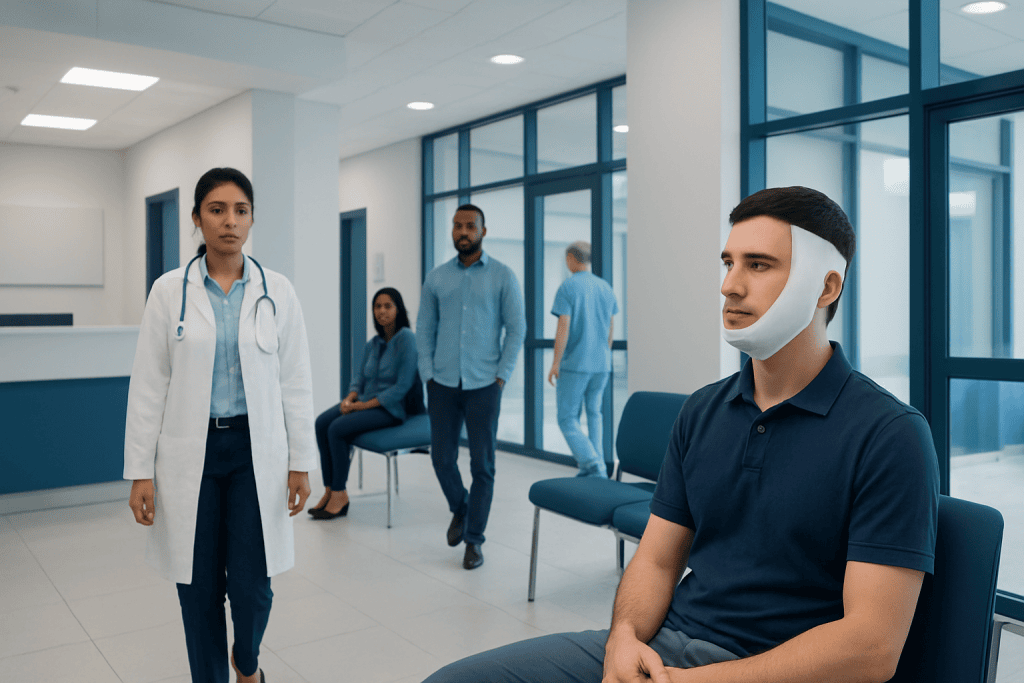
A no-chew diet avoids foods that require biting, grinding or forceful jaw movement. Many people need liquids first, followed by blended and soft no-chew foods before a gradual return to chewing.
Key Takeaways
- A no-chew diet avoids foods that require biting, grinding or forceful jaw movement.
- Many people need liquids first, followed by blended and soft no-chew foods before a gradual return to chewing.
- Adequate protein, calories, fluids and oral hygiene support recovery and reduce the risk of unintended weight loss.
- Pizza, crusty bread, raw vegetables, meat chunks and other firm foods are usually not appropriate at four weeks unless the surgeon specifically approves them.
- Pain that worsens, fever, increasing swelling, bleeding, dehydration or a change in the bite should be assessed promptly.
A no chew diet after jaw surgery helps protect the jaw while bone, soft tissues and surgical incisions heal. The exact duration and food progression vary by procedure and individual healing, so the surgical team’s instructions should always guide each stage.
Overview: What Is a No Chew Diet After Jaw Surgery?
A no chew diet after jaw surgery is a temporary eating plan that prevents biting and chewing while the jaw heals. It is commonly prescribed after orthognathic surgery, which changes the position of the upper jaw, lower jaw or both to improve bite alignment, jaw function, facial balance or breathing-related concerns.
The diet is not simply a list of soft foods. Food must be smooth enough to swallow without using the teeth or moving the jaw forcefully. Depending on the operation and the surgeon’s protocol, recovery commonly moves through clear liquids, full liquids, blended foods and soft foods before chewing is reintroduced.
Following these restrictions protects the surgical sites, plates and screws, bone healing and bite position. A person should not advance their diet because swelling has improved or they feel hungry; their oral and maxillofacial surgeon will assess healing and advise when it is safe to progress.
How Jaw Surgery Works and Who May Need It
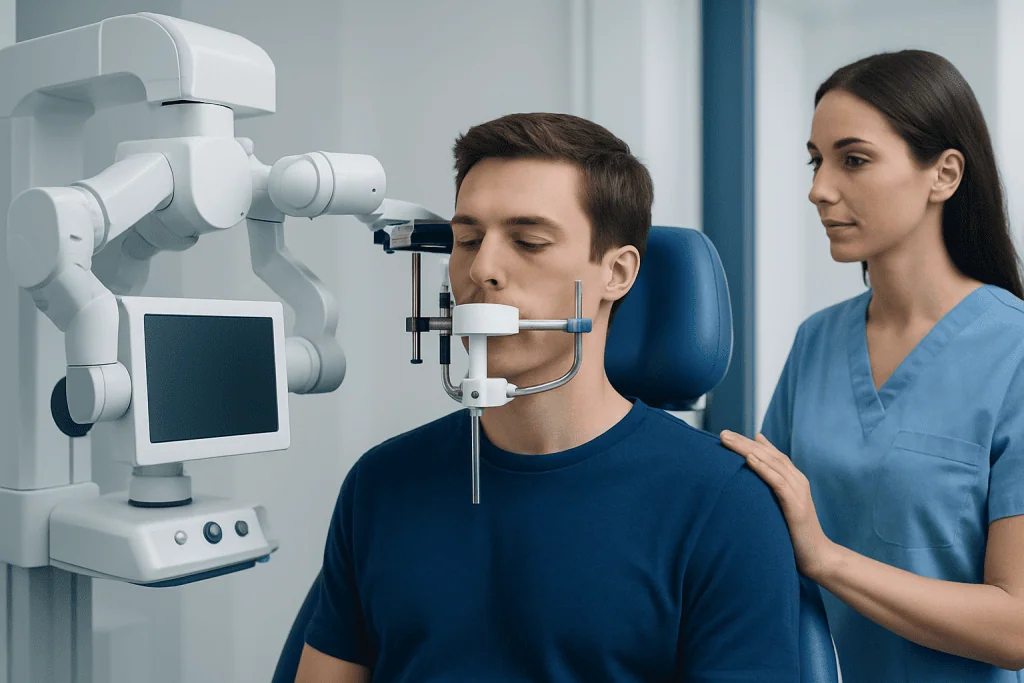
Jaw surgery is planned when the upper and lower jaws do not meet in a stable, functional position or when a jaw discrepancy cannot be corrected with orthodontic treatment alone. It may be considered for a significant overbite, underbite, open bite, facial asymmetry, chewing difficulty, some speech concerns, or selected cases of obstructive sleep apnea.
Before surgery, patients usually have an assessment involving an oral and maxillofacial surgeon, orthodontist and dental team. This may include photographs, dental impressions or digital scans, X-rays and three-dimensional imaging. Orthodontic treatment before and after surgery is often part of the overall plan.
Suitability depends on jaw growth being complete, dental and gum health, general health, smoking status, the stability of the bite and a person’s ability to follow recovery instructions. The procedure and dietary restrictions differ from person to person, so a written plan from the treating team is important.
People seeking information about surgical correction of jaw alignment can discuss orthognathic surgery with a qualified oral and maxillofacial specialist.
The Procedure: Step by Step
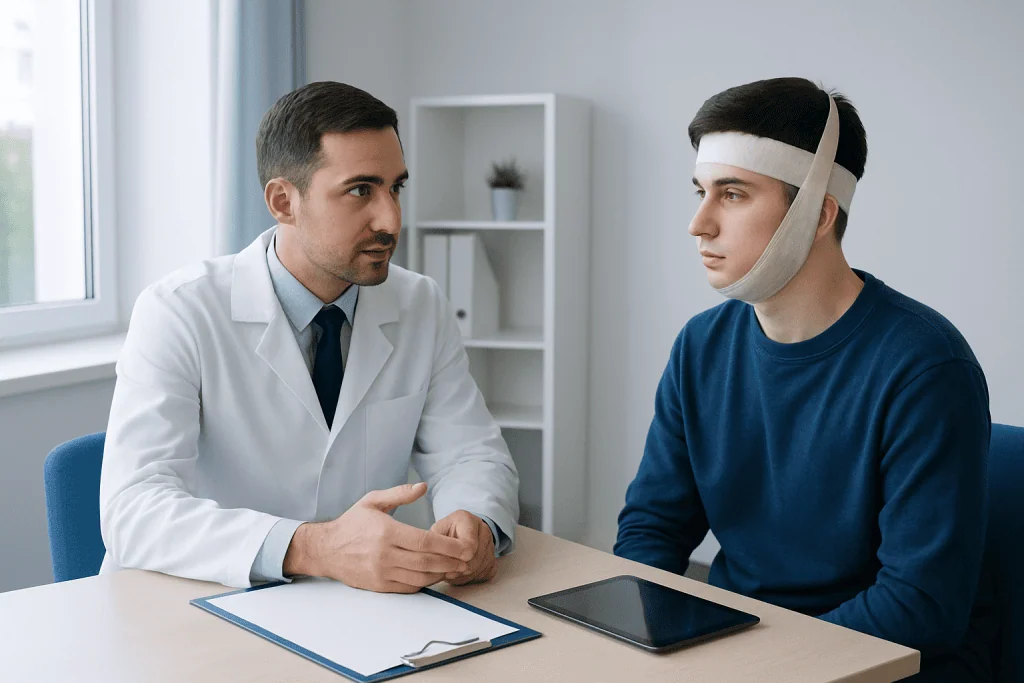
Jaw surgery is performed in hospital under general anesthesia. The surgeon typically makes incisions inside the mouth, which helps avoid visible facial scars. Bone cuts are carefully planned so the jaw can be moved into the intended position.
Once the jaws are repositioned, small plates and screws are commonly used to hold the bone segments stable. In some cases, elastic bands are placed between the upper and lower teeth to guide the new bite. The operation can involve the upper jaw, lower jaw, chin or a combination of areas.
After surgery, monitoring focuses on airway comfort, pain control, swelling, hydration and the ability to take liquids. Most patients begin with liquids using a cup, spoon, syringe or other method recommended by their team. The hospital team also explains oral hygiene, medicines, activity limits and follow-up arrangements before discharge.
Recovery Timeline and No-Chew Food Progression
Swelling, tiredness, nasal congestion after upper-jaw surgery and temporary numbness around the lips or chin can occur early in recovery. Swelling often becomes most noticeable during the first few days, then gradually improves. Bone healing takes longer than the visible recovery, which is why dietary restrictions remain important even when a person feels better.
In the first stage, the surgeon may recommend clear or full liquids, such as water, milk, smooth soups, nutritional drinks, yogurt without pieces and blended shakes. A later no-chew stage may allow foods that can be swallowed without biting or grinding, including smooth mashed potatoes, blended legumes, scrambled eggs if permitted, pureed vegetables, oatmeal or well-blended soups.
A typical plan may continue no chewing for about six weeks, although some patients need a longer restriction and others have a different schedule. Follow-up visits assess the bite, healing and jaw stability. Only then may the team introduce soft chewing foods and eventually firmer textures.
Protein and energy needs can be difficult to meet when appetite is low. Smooth protein-rich choices, dairy or fortified alternatives, blended beans, eggs where allowed, nut butters blended thoroughly, and dietitian-recommended oral nutrition supplements can help. Frequent small meals and regular fluids are often easier than large portions.
How Long Can You Not Chew After Jaw Surgery?
Many patients are instructed not to chew for approximately six weeks after jaw surgery, but this is not a universal rule. The duration depends on which jaw was operated on, the extent of movement, bone quality, fixation method, healing progress and whether other procedures were performed at the same time.
Some surgical teams use a staged plan in which patients have liquids for an initial period, then no-chew blended or very soft foods, followed by gradual soft chewing after review. Others may advise a longer no-chew period. Elastics, braces and bite changes can also influence dietary instructions.
It is safest to treat the surgeon’s instructions as the definitive timeline. Starting to chew early can place unnecessary force on healing areas and may affect comfort, bite stability or recovery. If instructions are unclear, patients should contact the surgical office before trying a new texture.
Can I Eat Rice on a No-Chew Diet? Can I Eat Pizza at 4 Weeks?
Rice is usually not ideal during a strict no-chew stage because individual grains require some tongue and jaw control and may become trapped around braces, splints or incision areas. Very soft, overcooked rice may be permitted later in recovery by some teams, but it should not be assumed safe without individual approval. A smoother alternative may be blended rice porridge or another fully soft food recommended by the care team.
Pizza is generally not suitable four weeks after jaw surgery. Its crust, cheese stretch, toppings and need for biting and chewing can place stress on the healing jaw. Even a soft-looking slice usually requires more force than is appropriate during the no-chew phase.
Patients should also avoid crusty bread, nuts, seeds, chips, raw vegetables, firm fruit, chewy candy, steak, chicken pieces and foods with skins or chunks until cleared. Food safety matters as well: meals should be cooled to a comfortable temperature, and foods that could lodge in surgical areas should be avoided.
Weight Changes, Benefits and Possible Risks
Weight loss is common after jaw surgery because swelling, fatigue, reduced appetite, restricted textures and the effort of eating can reduce intake. There is no predictable amount of weight that every person will lose. The degree of change depends on starting weight, procedure type, calorie intake, nausea, hydration and the length of dietary restriction.
Unplanned weight loss should be discussed early, especially if a person cannot meet nutritional needs, feels dizzy, has dark urine, urinates less often or struggles to drink. A surgeon, dietitian or primary care clinician can suggest practical ways to increase energy and protein without requiring chewing.
Potential benefits of successful jaw surgery may include a more stable bite, improved chewing ability after recovery, better facial balance and improved function for selected conditions. Risks can include bleeding, infection, altered sensation, jaw joint discomfort, delayed healing, changes in the bite, dental complications and the possible need for further treatment. The surgeon explains individual risks during consent and follow-up visits.
When to Seek Medical Care
Contact the surgical team promptly if pain, swelling or redness is worsening rather than gradually improving; if there is fever, persistent bleeding, foul-smelling drainage, vomiting that prevents drinking, or difficulty taking prescribed medicines. A new change in how the teeth meet, a broken elastic or splint problem should also be reported.
Urgent medical care is needed for trouble breathing, severe swallowing difficulty, chest pain, fainting, confusion or signs of a serious allergic reaction such as swelling of the tongue or throat. These symptoms should not be managed at home.
Good aftercare includes taking medicines exactly as prescribed, attending follow-up appointments, keeping the mouth clean using the method recommended by the surgeon, avoiding smoking and alcohol if advised, and not returning to strenuous activity until cleared. Acibadem International’s multidisciplinary specialists and JCI-accredited hospitals support assessment and treatment planning for international patients undergoing jaw surgery.
Frequently asked questions
What can a person eat on a no-chew diet after jaw surgery?
Appropriate foods depend on the recovery stage and the surgeon’s instructions. Options may include smooth soups, yogurt without pieces, purees, blended shakes, smooth mashed foods and other foods that can be swallowed without biting or grinding. Foods should not contain hard pieces, seeds, skins or chunks unless the surgical team has approved them.
How long can you not chew after jaw surgery?
A no-chew period commonly lasts around six weeks, but the exact length varies. Some people begin with liquids and then advance to blended foods before being allowed soft chewing. The treating surgeon should decide when it is safe to introduce each texture.
How much weight do people lose after jaw surgery?
Weight changes vary widely, and there is no standard amount of weight loss after jaw surgery. Restricted eating, reduced appetite and swelling can make it hard to consume enough energy and protein. Significant or ongoing loss should be discussed with the surgical team or a dietitian.
Can I eat pizza 4 weeks after jaw surgery?
Pizza is usually not appropriate at four weeks because it requires biting and chewing, even when the crust seems soft. Toppings, crust and melted cheese can also be difficult to manage safely during healing. A surgeon should confirm when chewing foods can return.
Can I eat rice on a no-chew diet?
Regular rice is often avoided during a strict no-chew stage because it may require chewing and can lodge around braces or surgical areas. Some teams may allow very soft or blended rice later in recovery. Individual dietary instructions should take priority.
Why is chewing restricted after jaw surgery?
Chewing creates force across healing jawbones and surgical sites. Restricting jaw movement helps protect bone healing, fixation plates and screws, and the newly established bite. It also reduces discomfort while swelling and tenderness settle.
References
- American Association of Oral and Maxillofacial Surgeons
- American Dental Association
- National Institute of Dental and Craniofacial Research
- British Association of Oral and Maxillofacial Surgeons
This article is for general information only and is not a substitute for professional medical advice. Please consult a qualified doctor about your individual situation.
Explore treatments in Turkey — costs, top hospitals & a free quote
JCI-accredited · board-certified surgeons · reply within 24h
Add us as a Preferred Source to see more of our trusted health content across Google Search, AI Overviews and Discover.

More from the Health Library


Related Specialists

Prof. Dr. Gül Sağın Saylam
Pediatric Cardiology
Assoc. Prof. Dr. Saim Sağ
Cardiology
Dr. Ş.Sertaç Esin
Emergency Service
Assoc. Prof. Dr. Çağlar Ruhi
Nephrology