Nociceptive Pain: Possible Causes and When to Seek Care

Nociceptive pain comes from pain receptors responding to tissue injury or inflammation. It is commonly linked to bones, joints, muscles, skin, or internal organs.
Key Takeaways
- Nociceptive pain comes from pain receptors responding to tissue injury or inflammation.
- It is commonly linked to bones, joints, muscles, skin, or internal organs.
- This type of pain differs from neuropathic pain, which starts in the nerves themselves.
- Treatment depends on the cause and may include rest, physical therapy, medicines, or procedures.
- Medical assessment is important if pain is severe, persistent, worsening, or paired with warning signs.
Nociceptive pain is the body’s usual pain response to actual or potential tissue damage, such as an injury, inflammation, or pressure on sensitive structures. It often feels aching, tender, throbbing, or sharp, and understanding its pattern can help guide self-care and medical evaluation.
What nociceptive pain means
Nociceptive pain is pain caused by activation of the body’s pain-sensing receptors, called nociceptors, when tissues are injured, irritated, inflamed, or under strain. In everyday terms, it is the kind of pain a person might feel after a sprain, a bruise, arthritis flare, cut, burn, or internal inflammation. It is a protective signal that helps the body recognize harm and respond to it.
This pain can come from many parts of the body. Somatic nociceptive pain starts in skin, muscles, bones, joints, or connective tissues and is often easier to locate. Visceral nociceptive pain comes from internal organs and may feel deeper, cramping, squeezing, or harder to pinpoint.
Nociceptive pain is not a diagnosis by itself. Rather, it is a pain mechanism that points toward tissue-related causes. A careful history, physical examination, and sometimes imaging or laboratory tests help identify why the pain is happening and what treatment may be most appropriate.
How it feels and where it can occur
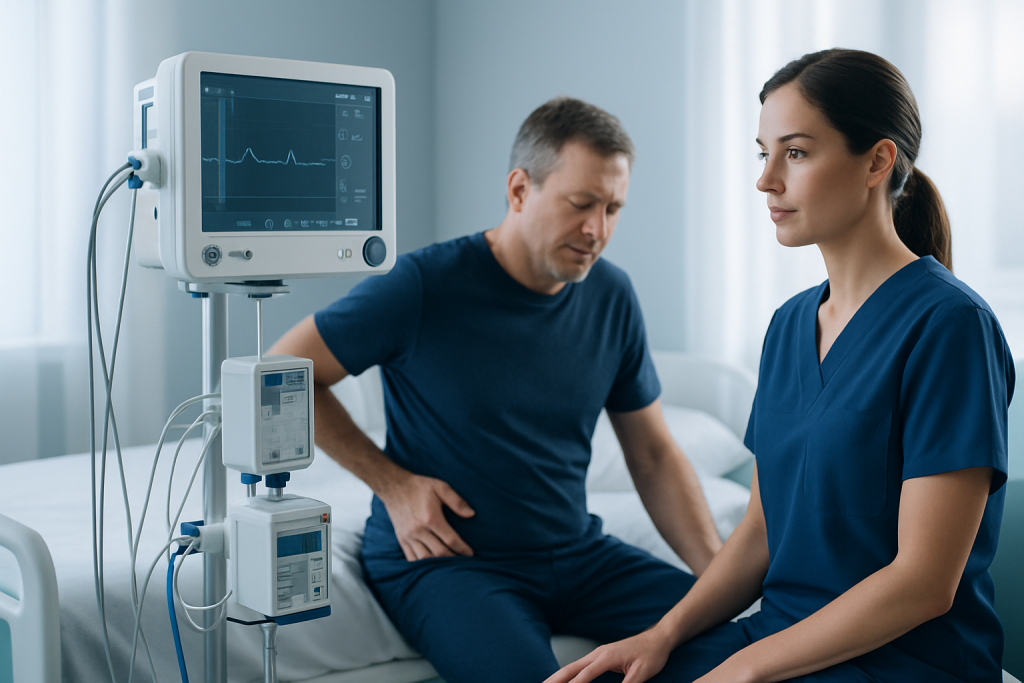
People describe nociceptive pain in different ways depending on the tissue involved. It may feel aching, sore, tender, throbbing, sharp with movement, or cramping. The pain can be constant or intermittent, mild or severe, and may worsen when the affected area is used, pressed, or stretched.
Somatic pain is often well localized. For example, pain from a strained muscle or an inflamed joint is usually felt in a clear spot and may come with swelling, warmth, stiffness, or reduced range of motion. Visceral pain may be more diffuse and can be accompanied by nausea, bloating, sweating, or a general feeling of being unwell.
Common places where nociceptive pain occurs include the back, neck, knees, hips, shoulders, abdomen, chest wall, skin, and after surgery or injury. Some people with long-standing conditions may have a mixed pain pattern, meaning nociceptive pain occurs alongside nerve-related pain or central sensitization. That is one reason a full medical assessment can be useful when pain is ongoing.
- Aching or throbbing pain in muscles or joints
- Tenderness with touch or pressure
- Sharp pain with movement or weight-bearing
- Cramping or deep pressure-like pain from internal organs
- Associated swelling, redness, stiffness, or reduced function
Common causes and risk factors

Nociceptive pain can happen whenever tissue is damaged or inflamed. Common causes include acute injuries such as sprains, strains, bruises, fractures, cuts, burns, and overuse injuries. It is also seen in chronic conditions such as osteoarthritis, tendon disorders, inflammatory joint disease, back pain related to muscles and joints, and post-operative recovery.
Internal organ problems can also produce nociceptive pain. Examples include menstrual cramping, gallbladder inflammation, kidney stone pain, bowel inflammation, and pain related to infections or pressure within an organ. Sometimes the source is straightforward, but in other cases the pain pattern needs medical evaluation to determine the underlying condition.
Risk factors depend on the cause but may include repetitive physical activity, sports participation, poor ergonomics, advancing age, obesity, previous injury, inflammatory disease, and jobs that involve heavy lifting or prolonged sitting. Conditions such as osteoarthritis or herniated disc may trigger tissue-related pain, especially during flares or movement.
Nociceptive pain vs neuropathic pain
A useful way to understand nociceptive pain is to compare it with neuropathic pain. Nociceptive pain begins when pain receptors in tissues react to injury or inflammation. Neuropathic pain begins when the nerves themselves are damaged or not functioning normally. Because the mechanisms differ, the symptoms and treatment approach can also differ.
Nociceptive pain is often described as aching, sore, throbbing, tender, or sharp with movement. Neuropathic pain is more often burning, electric, shooting, tingling, or numb. However, one person can have both types at the same time. For example, chronic back pain may include painful muscle spasm and joint irritation as well as nerve root irritation.
This distinction matters because pain treatment works best when it targets the likely mechanism. Some problems improve with rest, rehabilitation, anti-inflammatory strategies, or procedures aimed at the painful structure. If symptoms suggest nerve involvement, doctors may look for a different set of causes and treatment options. When pain is persistent or complex, specialists may assess whether a person has primarily tissue-related pain, nerve-related pain, or a mixture of both.
How doctors diagnose the cause
Diagnosis starts with the story of the pain: when it began, where it is felt, what it feels like, what makes it better or worse, and whether it affects sleep, walking, work, or daily activity. A doctor will also ask about recent injury, exercise, fever, weight loss, numbness, weakness, digestive symptoms, urinary symptoms, and previous medical conditions. These details help narrow down whether the pain is more likely to be musculoskeletal, inflammatory, or related to an internal organ.
A physical examination may include checking for swelling, warmth, tenderness, joint motion, muscle strength, posture, and signs of nerve irritation. Depending on the symptom pattern, testing may include blood tests, X-rays, ultrasound, CT, or MRI. Imaging is not always needed right away, especially for short-term pain that appears to be caused by a minor injury, but it can be very helpful when symptoms persist or warning signs are present.
If the pain appears to be coming from the spine, joints, or soft tissues, treatment planning may involve specialists in orthopedics, physical medicine, pain management, or rehabilitation. Relevant evaluations sometimes connect naturally with services such as MRI scanning or physical therapy and rehabilitation when a doctor feels these are appropriate.
Treatment options for nociceptive pain
Treatment depends on the underlying cause, the severity of symptoms, and how long the pain has been present. For minor injuries or short-term strain, initial management may include rest from aggravating activity, gentle movement as tolerated, ice or heat when appropriate, and simple pain-relief medicines recommended by a clinician. Many people also benefit from temporary activity modification rather than complete immobility.
When pain lasts longer or keeps returning, treatment often focuses on restoring function as well as reducing discomfort. Physical therapy can improve strength, flexibility, movement patterns, and joint support. In some cases, braces, supportive footwear, posture changes, workplace adjustments, or supervised exercise are recommended. If arthritis or another structural problem is contributing, treatment may be tailored to that condition.
Some people need more advanced care. Depending on the diagnosis, a doctor may discuss injection-based therapies, treatment of inflammation, or surgery for selected problems such as unstable fractures, severe joint damage, or structural spine conditions. If joint disease is advanced, options may include specialist orthopedic care or procedures such as knee replacement for the right candidate. Treatment decisions are individualized and should balance symptom relief, function, and overall health.
Self-care, recovery, and prevention
Self-care can support recovery when the cause is mild and already understood. The most helpful strategy is usually to protect the painful area without completely avoiding all movement. Gentle activity, stretching within comfort, and gradual return to normal function often help tissues recover better than prolonged bed rest, especially with back or joint pain. Good sleep, hydration, and balanced nutrition also support healing.
Prevention focuses on reducing strain and addressing known triggers. Warming up before exercise, using proper lifting technique, building muscle strength, maintaining a healthy weight, and correcting repetitive ergonomic stress can all lower the risk of recurrent nociceptive pain. For people with arthritis or prior injury, a structured exercise program may help reduce stiffness and improve support around painful joints.
It is important not to self-treat severe or unexplained pain for too long. Pain that keeps returning may be a sign that the tissue is not healing as expected or that another condition is present. Near the end of the care pathway, some patients may seek evaluation in centers with multidisciplinary expertise; Acibadem International’s specialists in JCI-accredited hospitals diagnose and treat musculoskeletal, neurologic, and internal causes of pain for international patients.
When to seek medical care
A person should seek medical care if nociceptive pain is severe, lasts longer than expected, is getting worse, or interferes with walking, sleep, work, or daily activities. Evaluation is also important when pain follows a significant fall, accident, sports injury, or surgery, or when the source of the pain is not clear. Persistent pain deserves assessment even if it seems manageable, because early treatment may prevent loss of function.
Urgent medical attention is needed for pain with red-flag symptoms such as chest pain, shortness of breath, sudden severe abdominal pain, new weakness, numbness, loss of bladder or bowel control, fever, major swelling, a visibly deformed limb, or pain after trauma that raises concern for fracture. These symptoms do not always mean a serious condition is present, but they should not be ignored.
If pain involves the spine, joints, or movement and is affecting quality of life, a doctor may recommend targeted evaluation and treatments such as spinal surgery only in selected cases after careful assessment and when more conservative options are not enough. The right next step depends on the pattern of symptoms, overall health, and the suspected cause.
Frequently asked questions
Is nociceptive pain the same as normal pain?
Nociceptive pain is often considered the body’s usual response to tissue injury or inflammation. It is common after strains, cuts, burns, arthritis, or surgery, but it still needs attention if it is severe, persistent, or unexplained.
What does nociceptive pain feel like?
It often feels aching, throbbing, sore, tender, or sharp with movement. Pain from internal organs may feel deeper, cramping, or more difficult to locate than pain from muscles or joints.
Can nociceptive pain become chronic?
Yes. Although it often starts as short-term pain from an injury or inflammation, it can persist if the underlying problem continues or if tissues do not recover well. Chronic pain may also become more complex over time, so medical review can be helpful.
How is nociceptive pain different from neuropathic pain?
Nociceptive pain starts in damaged or inflamed tissues, while neuropathic pain starts in injured or malfunctioning nerves. Nociceptive pain is more often aching or tender, whereas neuropathic pain is more often burning, shooting, tingling, or electric-like.
Can exercise help nociceptive pain?
In many cases, yes. Gentle, appropriate movement and guided exercise can improve circulation, joint support, flexibility, and function, especially for back pain and arthritis-related pain. However, exercise should be adapted to the cause and severity of symptoms.
When should someone worry about pain?
Pain should be medically assessed if it is severe, worsening, lasts longer than expected, or limits normal activity. Urgent care is important if pain comes with chest pain, trouble breathing, fever, weakness, major injury, or loss of bladder or bowel control.
References
- International Association for the Study of Pain
- National Institute of Neurological Disorders and Stroke
- National Institute of Arthritis and Musculoskeletal and Skin Diseases
- MedlinePlus
- World Health Organization
This article is for general information only and is not a substitute for professional medical advice. Please consult a qualified doctor about your individual situation.
Joint and spine care in Turkey — expert assessment & treatment
JCI-accredited · board-certified surgeons · reply within 24h
Add us as a Preferred Source to see more of our trusted health content across Google Search, AI Overviews and Discover.