Non Fasting Glucose Levels: What Your Results Mean and When to Act

Non fasting glucose levels are interpreted first by the actual number, then by symptoms and context such as recent meals or illness. A random glucose result under 140 mg/dL is often considered within the usual range for many adults, while higher values may need repeat or confirmatory testing.
Key Takeaways
- Non fasting glucose levels are interpreted first by the actual number, then by symptoms and context such as recent meals or illness.
- A random glucose result under 140 mg/dL is often considered within the usual range for many adults, while higher values may need repeat or confirmatory testing.
- A random blood glucose of 200 mg/dL or higher can support a diabetes diagnosis when classic symptoms are present.
- Age, pregnancy, stress, infection, and medicines such as steroids can affect glucose levels even without fasting.
- HbA1c and fasting plasma glucose are commonly used to clarify whether an abnormal non fasting result reflects prediabetes, diabetes, or a temporary change.
Non fasting glucose levels measure blood sugar at the time a sample is taken, regardless of when a person last ate. A single result can be useful, but its meaning depends on the number itself, current symptoms, recent food intake, medications, and whether follow-up testing confirms a pattern.
Overview: what non fasting glucose levels mean
Non fasting glucose levels, also called random blood glucose levels, show how much sugar is in the blood at the moment the sample is taken. In practical terms, this test helps answer a common question quickly: whether blood sugar appears to be in a usual range, temporarily elevated, or high enough to suggest diabetes when considered alongside symptoms and follow-up testing.
For many adults, a non fasting glucose level under 140 mg/dL is often considered within a usual range, although the exact interpretation depends on the person and the testing method. Readings from 140 to 199 mg/dL may be influenced by a recent meal, stress, illness, or underlying glucose intolerance, so they usually need context rather than immediate conclusions. A random blood glucose level of 200 mg/dL or higher can be medically meaningful, especially if the person also has classic symptoms such as excessive thirst, frequent urination, unexplained weight loss, or blurred vision.
Unlike fasting glucose, this test does not require avoiding food for 8 hours beforehand. That makes it convenient in urgent care, routine checkups, emergency settings, and situations where a person is feeling unwell. However, because eating changes blood sugar, one isolated result does not always give the full picture.
The most helpful way to understand non fasting glucose levels is to look at three things in order: the number itself, the person’s age and health context, and whether any deviation is significant enough to warrant confirmatory tests or prompt medical care.
Typical ranges and how results vary by context
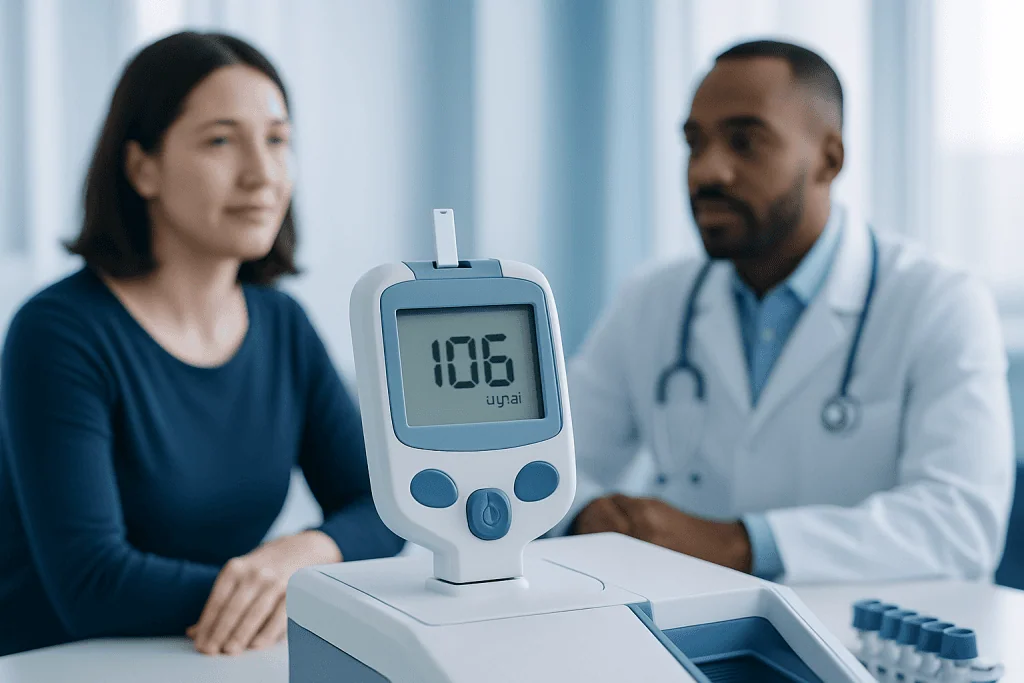
The same glucose number can mean different things depending on when it was measured and who the patient is. In general, blood sugar rises after eating, then gradually comes down as insulin helps move glucose into cells. Because of this normal response, non fasting glucose levels are expected to vary more than fasting levels.
For many nonpregnant adults, common reference points are:
- Under 140 mg/dL: often within the expected non fasting range
- 140 to 199 mg/dL: may be borderline or elevated, and usually needs interpretation with meals, symptoms, and other tests
- 200 mg/dL or higher: may indicate diabetes if classic symptoms are also present
Children, older adults, and pregnant individuals may have different clinical considerations. In children, healthcare teams often interpret glucose more carefully in relation to growth, activity, and illness. In older adults, other medical conditions, nutritional status, and medication use may affect results. During pregnancy, clinicians may use specific screening and diagnostic tests for gestational diabetes rather than relying on a casual non fasting reading alone.
Sex does not usually create major differences in standard glucose interpretation by itself, but hormones can influence blood sugar patterns. Menstrual cycles, menopause, pregnancy, and certain endocrine conditions may change insulin sensitivity. What matters most is the overall clinical context, not one demographic factor in isolation.
What can raise or lower a non fasting glucose result

A high non fasting glucose result does not always mean diabetes, although it should not be ignored. The most common reason for a temporary rise is recent eating, especially a meal or drink high in carbohydrates. Physical or emotional stress can also raise glucose because stress hormones signal the liver to release more sugar into the bloodstream.
Several medical conditions and medicines can affect the result. Infection, fever, recent surgery, and acute illness may increase blood sugar even in people without known diabetes. Steroids, some psychiatric medicines, certain transplant medications, and some hormone treatments can raise glucose. On the other hand, glucose can be lower than expected after prolonged exercise, delayed meals, some diabetes medications, or alcohol use.
Underlying health problems are another important factor. Conditions involving insulin resistance or reduced insulin production can lead to persistently high readings. This may include prediabetes, diabetes, pancreatic disorders, and some hormonal conditions. In contrast, low random glucose may occasionally be linked to medication effects, endocrine problems, liver disease, or prolonged inadequate food intake.
Because there are many possible influences, healthcare professionals rarely interpret non fasting glucose levels in isolation. They usually consider the person’s symptoms, timing of meals, current illness, and whether similar readings have happened before.
When a deviation is medically meaningful
The most clinically important question is not simply whether a result is a little high, but whether it changes medical decision-making. Mild elevation after a recent meal may be expected. In contrast, a random glucose of 200 mg/dL or above becomes more significant when classic symptoms of high blood sugar are present, because this combination can support a diagnosis of diabetes.
Symptoms that make an elevated result more meaningful include increased thirst, frequent urination, fatigue, blurred vision, slow-healing cuts, recurrent infections, and unintentional weight loss. If a person has these symptoms, clinicians may move more quickly to confirm the diagnosis and begin treatment planning. If there are no symptoms, repeat testing is often needed before a firm diagnosis is made.
Low readings also deserve attention, especially if they cause shakiness, sweating, confusion, dizziness, palpitations, or faintness. This is particularly relevant for people using insulin or other glucose-lowering medicines. A low non fasting glucose result may require timely adjustment of diet, medication, or both.
Persistent abnormalities matter more than one unusual value. A healthcare professional may look for trends over time or order confirmatory tests if there is concern about prediabetes, diabetes, or recurrent hypoglycemia. This step-by-step approach helps avoid overreacting to a single number while still identifying problems early.
How doctors confirm or rule out diabetes
If non fasting glucose levels are abnormal, doctors often order more specific tests. The most common follow-up tests are fasting plasma glucose and HbA1c, which reflects average blood sugar over roughly the previous 2 to 3 months. In some cases, an oral glucose tolerance test may also be used, especially in pregnancy or when results are borderline.
These tests are helpful because they answer different questions. A random glucose level shows what is happening at one point in time. Fasting glucose shows how the body regulates sugar after a period without eating. HbA1c helps identify whether blood sugar has been consistently elevated rather than temporarily increased by one meal or one stressful day.
Doctors may also review kidney function, urine tests, cholesterol levels, blood pressure, and body weight, because glucose disorders often affect more than one area of health. If a patient already has diabetes, additional tests can help monitor how well it is controlled and whether there are complications needing attention.
In specialist settings, a person may be assessed through diabetes treatment services if abnormal glucose results are confirmed. Depending on symptoms and related findings, clinicians may also evaluate for conditions that can overlap with or worsen diabetes risk, such as obesity or endocrine disorders.
Treatment and next steps after an abnormal result
Treatment depends on the cause, the degree of abnormality, and whether the problem is temporary or ongoing. If a high non fasting glucose result is related to an acute illness, stress, or medication, doctors may focus on treating the underlying issue and then repeating the test. If confirmatory testing shows prediabetes or diabetes, the care plan usually includes lifestyle measures and, in some cases, medication.
Nutrition, physical activity, sleep, and weight management are often central parts of care. A clinician may advise regular meals, balanced carbohydrate intake, reduced sugary drinks, and a pattern of exercise that is safe and sustainable. These steps can improve insulin sensitivity and help stabilize blood sugar over time.
Some patients need medicines to lower blood sugar or reduce the risk of complications. The choice of treatment depends on the type of diabetes, age, overall health, and other conditions. If there are concerns about long-term glucose control or related symptoms such as nerve pain or vision changes, referral to endocrinology or other specialists may be appropriate.
When excess body weight contributes to insulin resistance, a broader metabolic plan may help. In selected patients, doctors may discuss intensive medical weight management or procedures linked to obesity surgery as part of an overall strategy, but only after careful assessment and not on the basis of one blood sugar reading alone.
Self-care, prevention, and monitoring
Healthy daily habits can reduce the likelihood of persistent high glucose and can support better control in people already diagnosed with prediabetes or diabetes. Useful strategies include choosing higher-fiber foods, limiting highly refined carbohydrates, staying active most days of the week, maintaining a healthy weight, sleeping regularly, and attending routine health checks.
People who have risk factors such as a family history of diabetes, previous gestational diabetes, high blood pressure, overweight, or a sedentary lifestyle may benefit from periodic screening even if they feel well. Early detection can identify changes before symptoms become noticeable. Home glucose monitoring may be recommended for some people, but it should be interpreted with guidance from a clinician.
It is also helpful to know which factors can distort everyday glucose readings. Dehydration, missed meals, strenuous exercise, alcohol, infections, and certain medicines can all influence results. Keeping a simple record of meals, symptoms, medications, and glucose values can make follow-up appointments more useful.
For international patients who need coordinated assessment, Acibadem International’s multidisciplinary specialists in JCI-accredited hospitals diagnose and treat glucose disorders with individualized evaluation and follow-up. Patients with related concerns may also be assessed through services such as endocrinology when a broader hormone or metabolism review is needed.
When to seek medical care
Medical advice should be sought promptly if non fasting glucose levels are repeatedly high, especially if there are symptoms such as excessive thirst, frequent urination, fatigue, blurred vision, nausea, vomiting, or unintentional weight loss. These findings do not always mean an emergency, but they do mean the result should be evaluated rather than watched indefinitely at home.
Urgent care is especially important if a person has a very high reading and feels confused, unusually sleepy, short of breath, or severely unwell. People with diabetes should also seek help if their glucose is persistently out of range, if they cannot keep fluids down, or if they have symptoms of very low blood sugar such as sweating, shaking, or fainting.
Even without symptoms, a non fasting glucose result that is repeatedly above the usual range deserves follow-up. Early assessment can clarify whether the number reflects a temporary change, prediabetes, established diabetes, or another medical issue. A qualified doctor can decide which confirmatory tests are appropriate and how quickly they should be done.
Frequently asked questions
What is a normal non fasting glucose level?
For many adults, a non fasting glucose level under 140 mg/dL is often considered within the usual range. However, interpretation depends on recent food intake, symptoms, medications, and whether the result is a one-time value or part of a pattern.
Does a high non fasting glucose level mean diabetes?
Not always. A recent meal, stress, illness, or certain medicines can temporarily raise blood sugar. Diabetes is usually confirmed with additional testing, such as fasting plasma glucose or HbA1c, unless a random glucose of 200 mg/dL or higher occurs together with classic symptoms.
Is a random blood sugar test the same as a fasting blood sugar test?
No. A random or non fasting test measures blood sugar at any time of day, regardless of when the person last ate. A fasting test is done after not eating for at least 8 hours, so it gives a more standardized measure for diagnosis.
Can non fasting glucose levels be affected by age or sex?
They can be influenced more by physiology and health context than by sex alone. Age, pregnancy, menopause, activity level, medication use, and other medical conditions may all affect how a result is interpreted.
What follow-up tests are usually done after an abnormal result?
Doctors commonly order fasting plasma glucose and HbA1c to confirm whether blood sugar has been consistently high. In some situations, an oral glucose tolerance test may be used, especially in pregnancy or when earlier results are borderline.
When should someone worry about a non fasting glucose result?
Concern is greater when the result is repeatedly high, reaches 200 mg/dL or above, or happens with symptoms such as excessive thirst, frequent urination, blurred vision, or weight loss. A very low reading with shakiness, sweating, confusion, or fainting also needs prompt medical attention.
References
- American Diabetes Association
- National Institute of Diabetes and Digestive and Kidney Diseases
- Centers for Disease Control and Prevention
- Mayo Clinic
- World Health Organization
This article is for general information only and is not a substitute for professional medical advice. Please consult a qualified doctor about your individual situation.
Explore treatments in Turkey — costs, top hospitals & a free quote
JCI-accredited · board-certified surgeons · reply within 24h
Add us as a Preferred Source to see more of our trusted health content across Google Search, AI Overviews and Discover.