Normal Blood Pressure — Explained by Medical Evidence, Not Myths

For most adults, normal blood pressure is below 120/80 mmHg. One reading alone does not diagnose a problem; repeated, properly taken readings matter more.
Key Takeaways
- For most adults, normal blood pressure is below 120/80 mmHg.
- One reading alone does not diagnose a problem; repeated, properly taken readings matter more.
- Blood pressure changes with stress, activity, sleep, medications, and underlying health conditions.
- Healthy habits can help maintain normal blood pressure and reduce heart and vessel risks.
- Very high or very low readings with symptoms need prompt medical assessment.
Normal blood pressure usually means a reading below 120/80 mmHg in adults, measured correctly and confirmed over time rather than judged from a single number. The most useful way to understand blood pressure is through patterns, overall cardiovascular risk, and medical evidence instead of common myths.
Overview: What Normal Blood Pressure Really Means
Normal blood pressure usually refers to a clinic or home blood pressure reading below 120/80 mmHg for most adults. The first number, systolic pressure, reflects the pressure in the arteries when the heart contracts. The second number, diastolic pressure, reflects the pressure between beats when the heart relaxes.
Medical evidence shows that blood pressure should not be interpreted as a single “good” or “bad” number taken in isolation. A reading can vary from moment to moment depending on posture, activity, stress, pain, caffeine, sleep, and even whether the cuff size is correct. For that reason, doctors look for a pattern over time and consider the person’s age, medical history, symptoms, and cardiovascular risk.
A common myth is that normal blood pressure is simply “100 plus age” or that it must rise naturally and harmlessly over the years. In reality, while blood pressure may trend upward with aging, higher readings are not automatically healthy or acceptable. The goal is not the lowest possible number, but a safe and sustainable range that supports good blood flow without overstraining the heart and blood vessels.
How Blood Pressure Is Measured and Interpreted
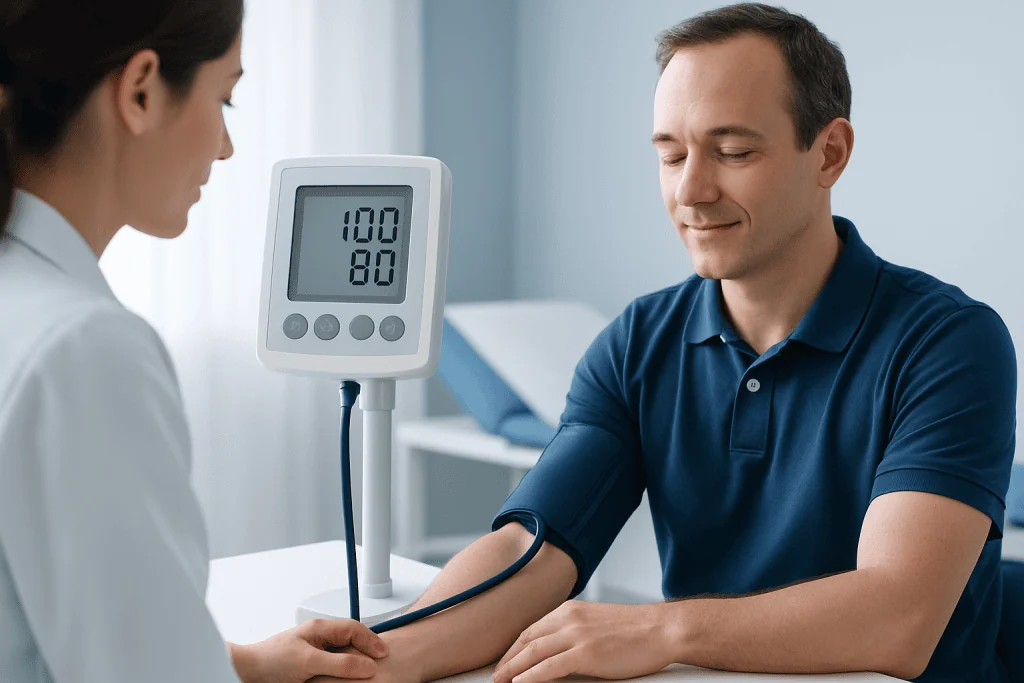
Blood pressure is measured in millimeters of mercury, written as mmHg. A reading such as 118/76 mmHg is spoken as “118 over 76.” In adults, a normal reading is generally below 120 systolic and below 80 diastolic. Readings above this range are not always an emergency, but they may suggest elevated blood pressure or hypertension if they are confirmed on multiple occasions.
Doctors use categories to guide follow-up and treatment. In general, readings that are slightly above normal may call for lifestyle changes and monitoring, while persistently higher numbers may indicate hypertension. Blood pressure that is too low may also matter if it causes symptoms such as dizziness, fainting, weakness, blurred vision, or confusion.
Interpretation also depends on how the reading was obtained. Home readings, ambulatory monitoring, and office readings can differ. Some people develop “white coat” hypertension, where blood pressure rises in a medical setting, while others may have masked hypertension, where clinic readings seem acceptable but home values are high. These patterns are important because they can change diagnosis and treatment decisions.
- Systolic: the top number, showing pressure during heartbeats
- Diastolic: the bottom number, showing pressure between heartbeats
- Normal adult range: generally below 120/80 mmHg
- Best interpretation: repeated readings taken correctly over time
What Can Affect a Blood Pressure Reading

Blood pressure is dynamic, not fixed. It normally changes through the day and night in response to physical activity, emotions, hydration, body position, temperature, and sleep. Temporary increases can happen after exercise, emotional stress, nicotine, alcohol, caffeine, or decongestant medicines. Temporary decreases can occur with dehydration, prolonged standing, fever, blood loss, or certain medications.
Measurement technique matters greatly. A reading may be misleading if the person talks during the test, has a full bladder, crosses the legs, sits without back support, or uses a cuff that is too small or too large. Ideally, the person should rest quietly for several minutes before measurement, sit with feet flat on the floor, support the arm at heart level, and avoid smoking, caffeine, or exercise shortly beforehand.
Underlying health conditions can also influence blood pressure. Kidney disease, hormone disorders, sleep apnea, cardiovascular disease, pregnancy-related conditions, and some neurological disorders may change blood pressure patterns. For people who have repeated abnormal readings or symptoms, doctors may recommend further evaluation to look for causes and check for effects on the heart, brain, kidneys, and blood vessels.
Normal Blood Pressure by Age: Is There a Different Standard?
Many people ask whether normal blood pressure changes with age. The short answer is that healthy blood pressure goals are broadly similar for most adults, even though doctors individualize targets based on frailty, medication tolerance, diabetes, kidney disease, and cardiovascular risk. Older age does not mean high blood pressure should be ignored as a normal part of life.
Children and teenagers are different. In pediatric care, blood pressure is interpreted using age, sex, and height percentiles rather than a single adult cutoff. During pregnancy, blood pressure is monitored closely because changes may signal important conditions that need prompt attention. In older adults, the main question is often not simply whether the number is above normal, but whether treatment improves outcomes without causing dizziness, falls, or other side effects.
Rather than relying on online age charts alone, it is safer to discuss goals with a clinician who can interpret readings in context. This is especially important for people with a history of heart disease, stroke, kidney disease, or arrhythmia, as ideal blood pressure management may need a more individualized approach.
When Blood Pressure Is Not Normal: Risks, Diagnosis, and Monitoring
Blood pressure above the normal range often causes no symptoms at first, which is why hypertension is commonly detected during routine checks. Over time, uncontrolled high blood pressure can damage the arteries and increase the risk of heart attack, stroke, kidney disease, and vision problems. Blood pressure that stays too low may also be harmful if it reduces blood flow enough to cause symptoms or organ stress.
Diagnosis is usually based on repeated measurements rather than one isolated reading. A doctor may review home blood pressure logs or recommend 24-hour ambulatory monitoring to confirm whether blood pressure is truly high throughout the day and night. If readings remain elevated, the evaluation may include blood tests, urine tests, electrocardiography, and sometimes heart imaging such as echocardiography to assess how the heart is functioning.
Monitoring is a key part of evidence-based care. Home blood pressure devices can help identify patterns, measure response to lifestyle changes or medication, and reduce uncertainty caused by single office readings. People should use a validated upper-arm monitor when possible and bring their device to a medical appointment if they want to confirm that it is giving reliable results.
How to Support Normal Blood Pressure
Maintaining normal blood pressure usually starts with everyday habits. A balanced eating pattern rich in vegetables, fruits, legumes, whole grains, and unsaturated fats supports cardiovascular health. Reducing excess salt, limiting highly processed foods, staying physically active, sleeping adequately, and maintaining a healthy weight can all help keep blood pressure in a healthy range.
Smoking cessation is especially important because tobacco harms blood vessels and raises cardiovascular risk even when blood pressure itself appears normal. Managing stress can also be helpful, though stress reduction should complement, not replace, standard medical care. Techniques such as regular physical activity, breathing exercises, mindfulness, and consistent sleep routines may improve overall wellbeing and support blood pressure control.
Some people need medication in addition to lifestyle steps. Treatment decisions depend on the level of blood pressure, the presence of other conditions, and the estimated risk of heart and vessel disease. In selected cases, doctors may investigate circulation and vessel health further with tests such as cardiac MRI or angiography when symptoms or associated cardiovascular findings suggest a broader problem.
- Check blood pressure regularly if advised by a clinician
- Follow a heart-healthy diet with sensible salt intake
- Exercise most days of the week as medically appropriate
- Avoid smoking and limit alcohol
- Take prescribed medicines consistently and review them regularly
When to Seek Medical Care
Medical advice is appropriate if blood pressure readings are repeatedly above the normal range, repeatedly unusually low, or difficult to interpret. A doctor should also assess symptoms such as chest pain, shortness of breath, severe headache, fainting, new weakness, confusion, vision changes, or palpitations, even if the blood pressure number itself does not seem dramatic.
Urgent assessment is important for very high blood pressure accompanied by symptoms that may suggest damage to the heart, brain, kidneys, or eyes. Likewise, low blood pressure with collapse, persistent dizziness, or signs of dehydration or bleeding needs prompt medical care. People with pregnancy, kidney disease, diabetes, or known cardiovascular disease should be especially careful about unexplained blood pressure changes.
For international patients who need evaluation of persistent blood pressure concerns or related cardiovascular findings, Acibadem International’s multidisciplinary specialists in JCI-accredited hospitals provide diagnosis and treatment in a coordinated setting. This can be helpful when blood pressure changes are linked to broader heart or vascular conditions that need structured follow-up.
Frequently asked questions
What is considered normal blood pressure for adults?
For most adults, normal blood pressure is generally below 120/80 mmHg. Doctors usually confirm this with repeated readings taken correctly, rather than relying on a single measurement.
Can blood pressure be normal one day and high the next?
Yes. Blood pressure naturally changes throughout the day and can rise with stress, exercise, pain, caffeine, or poor sleep. That is why trends over time are more informative than one isolated reading.
Is high blood pressure a normal part of getting older?
No. Blood pressure may increase with age, but that does not mean high readings are harmless or should be accepted without evaluation. Older adults still benefit from careful blood pressure management that is tailored to their overall health.
How should blood pressure be measured at home?
It is best measured after sitting quietly for several minutes with feet flat on the floor and the arm supported at heart level. An upper-arm monitor is usually preferred, and readings are more useful when taken at the same times on several days.
What symptoms can happen if blood pressure is too low?
Low blood pressure may cause dizziness, fainting, blurred vision, nausea, weakness, or confusion, especially if blood flow to the brain drops. Some people have naturally lower readings and feel well, so symptoms are an important part of interpretation.
When should someone worry about a blood pressure reading?
Concern is warranted if readings are repeatedly above normal, unusually low with symptoms, or associated with chest pain, severe headache, shortness of breath, fainting, weakness, or vision changes. In those situations, a qualified doctor should assess the person promptly.
References
- American Heart Association
- Centers for Disease Control and Prevention
- National Heart, Lung, and Blood Institute
- World Health Organization
- European Society of Cardiology
This article is for general information only and is not a substitute for professional medical advice. Please consult a qualified doctor about your individual situation.
Heart care in Turkey — expert evaluation and treatment
JCI-accredited · board-certified surgeons · reply within 24h
Add us as a Preferred Source to see more of our trusted health content across Google Search, AI Overviews and Discover.
Check your numbers in seconds
BMI, calories, due date, blood pressure and 30+ more clinical calculators — free, instant, doctor-reviewed ranges.