Normal Blood Sugar — Explained by Medical Evidence, Not Myths

Normal blood sugar depends on when the test is taken, such as fasting, before meals, or after eating. For many adults, fasting blood sugar of 70–99 mg/dL is considered normal.
Key Takeaways
- Normal blood sugar depends on when the test is taken, such as fasting, before meals, or after eating.
- For many adults, fasting blood sugar of 70–99 mg/dL is considered normal.
- An A1C below 5.7% is generally in the normal range for diabetes screening.
- Single readings do not tell the whole story; trends, symptoms, and medical history matter.
- Diet, exercise, sleep, stress, illness, and some medicines can all affect blood sugar.
Normal blood sugar usually refers to glucose levels that stay within a healthy range for the time of day and the person’s medical context. In most nonpregnant adults, fasting blood sugar of 70–99 mg/dL and an A1C below 5.7% are generally considered normal, but results should always be interpreted with a qualified clinician.
What normal blood sugar means
Normal blood sugar means the amount of glucose in the blood stays within a healthy range for the body’s needs. Glucose is the main fuel used by cells, especially the brain and muscles. The body regulates it through hormones, most importantly insulin, which helps glucose move from the bloodstream into cells.
In everyday use, people often ask for one “normal” number, but medical evidence shows that blood sugar is not fixed. It changes through the day depending on meals, physical activity, sleep, stress, illness, and medications. Because of this, clinicians interpret blood sugar according to timing, such as fasting, before meals, or two hours after eating.
For most nonpregnant adults, a fasting blood sugar of 70–99 mg/dL is generally considered normal. An A1C test, which reflects average blood sugar over about the previous three months, is usually considered normal if it is below 5.7%. These are widely used screening ranges, but they do not replace individual medical advice.
Normal ranges by test and timing
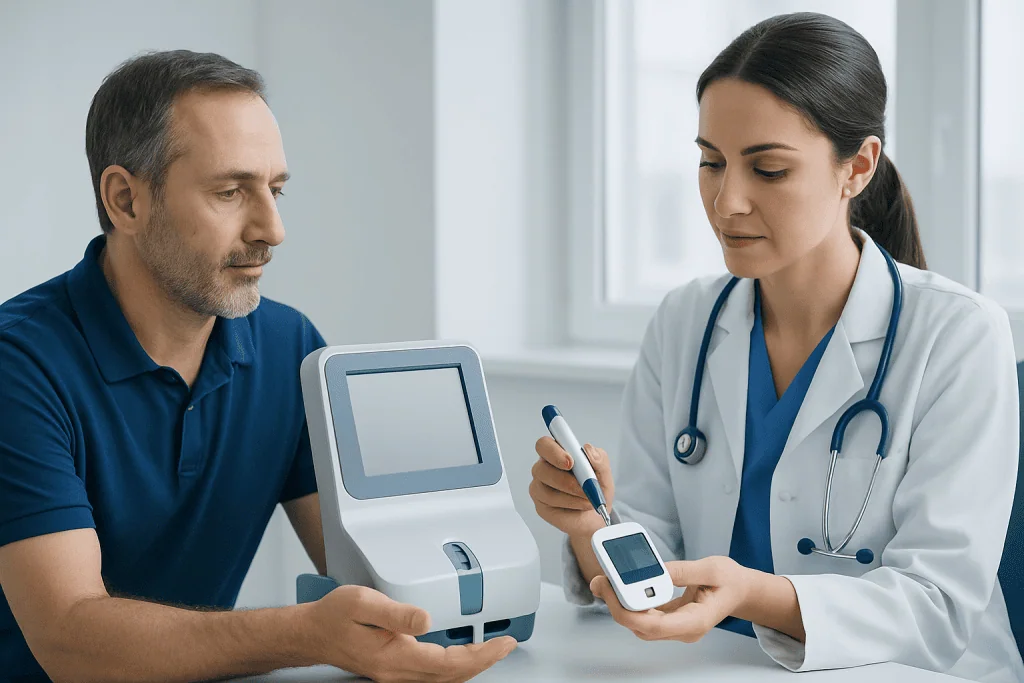
Different tests answer different questions. A fasting blood sugar test measures glucose after not eating for at least eight hours. A random blood sugar test checks the level at any time of day. A post-meal or oral glucose tolerance test shows how the body handles sugar after a drink containing a measured amount of glucose. The A1C test estimates long-term average exposure to glucose.
Common reference ranges for nonpregnant adults are:
- Fasting blood sugar: 70–99 mg/dL is generally normal
- Prediabetes fasting range: 100–125 mg/dL
- Diabetes fasting range: 126 mg/dL or higher on repeat testing
- A1C: below 5.7% is generally normal
- A1C 5.7% to 6.4% suggests prediabetes
- A1C 6.5% or higher may indicate diabetes when confirmed appropriately
After eating, blood sugar rises and then usually returns toward baseline as insulin works. A healthy post-meal value can vary, and laboratories and clinicians may use different thresholds depending on the test. This is why a result should be interpreted in context rather than judged by online charts alone.
Children, older adults, pregnant people, and those with known diabetes may have different targets or clinical considerations. People using continuous glucose monitors may also see normal short-term fluctuations that are not captured by a single finger-stick or laboratory test.
Why blood sugar changes even in healthy people

Blood sugar naturally rises after meals, especially meals rich in refined carbohydrates or sugary drinks. It may also increase with stress hormones, poor sleep, pain, infection, or treatment with medicines such as corticosteroids. In contrast, prolonged exercise, skipped meals, alcohol, or certain medications can lower it.
The body normally keeps glucose within a narrow range through a coordinated process involving the pancreas, liver, muscles, and hormones. Insulin lowers blood sugar by helping cells use glucose and by reducing glucose release from the liver. Another hormone, glucagon, helps raise blood sugar when it drops too low.
Even people without diabetes can have temporary highs or lows. A single unusual result does not always mean disease. However, repeated abnormal values, symptoms, or a pattern over time deserve medical evaluation because they may point to diabetes or another metabolic condition.
Signs that blood sugar may be too high or too low
Mild blood sugar changes may cause no symptoms at all, which is one reason screening can be useful. When blood sugar is high for a sustained period, some people notice increased thirst, frequent urination, fatigue, blurred vision, dry mouth, or slower healing of cuts. Unexplained weight loss can also occur, especially when high blood sugar has been present for some time.
Low blood sugar can cause shakiness, sweating, hunger, dizziness, irritability, headache, palpitations, or trouble concentrating. In more severe cases it may lead to confusion, fainting, or seizures. Low blood sugar is most often a concern in people taking glucose-lowering medicines, but it can also happen in other settings.
Symptoms alone cannot confirm whether a level is normal. Many common complaints, such as tiredness or headache, have many possible causes. A doctor may recommend blood testing, and in some cases check-up and screening can help identify whether blood sugar, blood pressure, cholesterol, or another factor needs attention.
How doctors measure and interpret blood sugar
Doctors choose tests based on the question being asked. Fasting glucose and A1C are commonly used for screening because they are practical and well studied. If results are borderline or do not fit the person’s symptoms, an oral glucose tolerance test may provide more detail about how the body processes sugar.
Interpreting results involves more than a single number. Clinicians consider symptoms, age, weight changes, family history, pregnancy status, medications, liver and kidney health, and whether there has been recent illness. Certain conditions can make the A1C less reliable, such as disorders that affect red blood cells.
People who have already been diagnosed with diabetes may track glucose with finger-stick testing or continuous glucose monitoring. In that setting, the goal is not to achieve one perfect reading but to maintain safe overall control, avoid extremes, and reduce long-term complications. Those who need specialist evaluation may be referred for diabetes treatment or advice from endocrinology specialists.
What affects a healthy blood sugar range over time
Normal blood sugar is influenced by genetics, body weight, sleep quality, daily movement, and eating patterns. A balanced diet that includes fiber, whole grains, legumes, vegetables, healthy fats, and adequate protein can help the body respond more steadily after meals. Large portions of highly processed carbohydrates may lead to sharper glucose rises.
Regular physical activity improves insulin sensitivity, which means the body uses insulin more effectively. Good sleep and stress management also matter because stress hormones and sleep deprivation can raise blood sugar. Smoking, heavy alcohol use, and long periods of inactivity can make glucose control harder.
Some people have a higher chance of abnormal blood sugar because of family history, prior gestational diabetes, polycystic ovary syndrome, obesity, or metabolic syndrome. If abnormal values are found, a doctor may also look for related issues such as obesity or cardiovascular risk factors. In selected cases, a broader endocrinology assessment may help explain why blood sugar is outside the expected range.
Keeping blood sugar in a healthy range
For most people, maintaining normal blood sugar starts with sustainable habits rather than strict rules. Eating regular meals, limiting sugary drinks, choosing minimally processed foods, and including fiber and protein with carbohydrates can reduce large swings. Moderate exercise on most days supports glucose regulation and overall health.
Weight management can be helpful when excess weight is contributing to insulin resistance, but goals should be realistic and individualized. Even modest lifestyle changes may improve fasting glucose and A1C over time. It is often more effective to build a consistent routine than to follow short-term restrictive diets.
People with prediabetes or diabetes should follow a care plan made with a qualified clinician. That may include home monitoring, nutrition counseling, activity guidance, and medication if needed. Near the end of the care journey, some international patients choose evaluation at Acibadem International, where multidisciplinary specialists in JCI-accredited hospitals diagnose and treat blood sugar disorders using individualized plans.
When to seek medical care
Medical care is appropriate if repeated home or lab readings are above the normal range, especially if fasting results are 100 mg/dL or higher on more than one occasion. People should also seek advice if they have symptoms such as unusual thirst, frequent urination, blurred vision, unexplained fatigue, or recurrent infections. Early assessment can help identify prediabetes or diabetes before complications develop.
Prompt medical attention is important for signs of very high or very low blood sugar. Urgent symptoms may include confusion, fainting, severe weakness, vomiting, trouble breathing, or an inability to keep fluids down. Anyone with diabetes who is unwell, pregnant, or experiencing repeated low readings should contact a healthcare professional without delay.
Routine screening may also be recommended for adults with risk factors such as overweight, family history of diabetes, prior gestational diabetes, high blood pressure, or abnormal cholesterol. A doctor can explain which test is most suitable and how often it should be repeated.
Frequently asked questions
What is considered a normal blood sugar level in the morning?
For most nonpregnant adults, a fasting morning blood sugar of 70–99 mg/dL is generally considered normal. Morning results should be interpreted along with symptoms, overall health, and whether the test was truly done after fasting.
Is 100 mg/dL a normal fasting blood sugar?
A fasting blood sugar of 100 mg/dL is usually just above the normal range and may fall into the prediabetes category if confirmed. One isolated result does not establish a diagnosis, so a doctor may repeat the test or order an A1C.
Can normal blood sugar still rise after eating?
Yes. Blood sugar normally rises after meals and then comes back down as insulin helps the body use glucose. The size and duration of the rise depend on the type of food, portion size, activity level, and individual metabolism.
What is the normal A1C level?
An A1C below 5.7% is generally considered normal for diabetes screening in adults. Because A1C reflects average blood sugar over about three months, it gives a broader picture than a single glucose reading.
Can stress affect blood sugar even without diabetes?
Yes. Physical or emotional stress can raise blood sugar through hormones that signal the liver to release more glucose. Illness, poor sleep, and pain can have a similar effect, even in people without diabetes.
How often should blood sugar be checked?
People without diabetes usually do not need frequent self-testing unless a doctor recommends it. Screening intervals depend on age, risk factors, and prior results, while people with diabetes may need regular checks based on their treatment plan.
References
- American Diabetes Association
- Centers for Disease Control and Prevention
- National Institute of Diabetes and Digestive and Kidney Diseases
- World Health Organization
- Mayo Clinic
This article is for general information only and is not a substitute for professional medical advice. Please consult a qualified doctor about your individual situation.
Explore treatments in Turkey — costs, top hospitals & a free quote
JCI-accredited · board-certified surgeons · reply within 24h
Add us as a Preferred Source to see more of our trusted health content across Google Search, AI Overviews and Discover.
Check your numbers in seconds
BMI, calories, due date, blood pressure and 30+ more clinical calculators — free, instant, doctor-reviewed ranges.