Normal Blood Sugar Levels Explained: Reference Ranges and What Affects Them

A single blood sugar number is most useful when interpreted in context, especially whether it was measured fasting, randomly, or after a meal. For many adults without diabetes, fasting blood sugar is typically 70–99 mg/dL and a two-hour post-meal level is usually under 140 mg/dL.
Key Takeaways
- A single blood sugar number is most useful when interpreted in context, especially whether it was measured fasting, randomly, or after a meal.
- For many adults without diabetes, fasting blood sugar is typically 70–99 mg/dL and a two-hour post-meal level is usually under 140 mg/dL.
- Blood sugar can vary with stress, exercise, sleep, illness, medications, pregnancy, and the type of food eaten.
- Persistently high or low readings matter more than one isolated result and may need medical evaluation.
- A1C reflects average blood sugar over about three months and helps confirm or monitor diabetes-related conditions.
- Symptoms such as severe thirst, confusion, fainting, or repeated very high or very low readings deserve prompt medical advice.
Normal blood sugar levels are usually 70–99 mg/dL after fasting, less than 140 mg/dL about two hours after eating, and an A1C below 5.7% in most non-pregnant adults. However, the “right” reading depends on when the test is taken, a person’s age, pregnancy status, medicines, and overall health.
Overview: what normal blood sugar levels usually mean
Normal blood sugar levels generally refer to the amount of glucose circulating in the blood within a healthy range for the situation in which it is measured. For most non-pregnant adults, a fasting blood sugar of 70 to 99 mg/dL is considered normal, and a blood sugar under 140 mg/dL about two hours after eating is usually within the expected range. An A1C below 5.7% is commonly used as a normal long-term average.
These numbers are helpful starting points, but they are not interpreted in isolation. A result may mean something different depending on whether the person has eaten recently, exercised, is under stress, is pregnant, is ill, or takes medicines that affect glucose. This is why clinicians look at patterns over time rather than one number alone.
Blood sugar is controlled mainly by insulin and other hormones that help the body move glucose into cells or release it when energy is needed. When this balance works well, glucose stays in a relatively steady range. When it does not, blood sugar may run too high, too low, or swing up and down, sometimes pointing to diabetes or another metabolic problem.
Reference ranges: fasting, after meals, random, and A1C
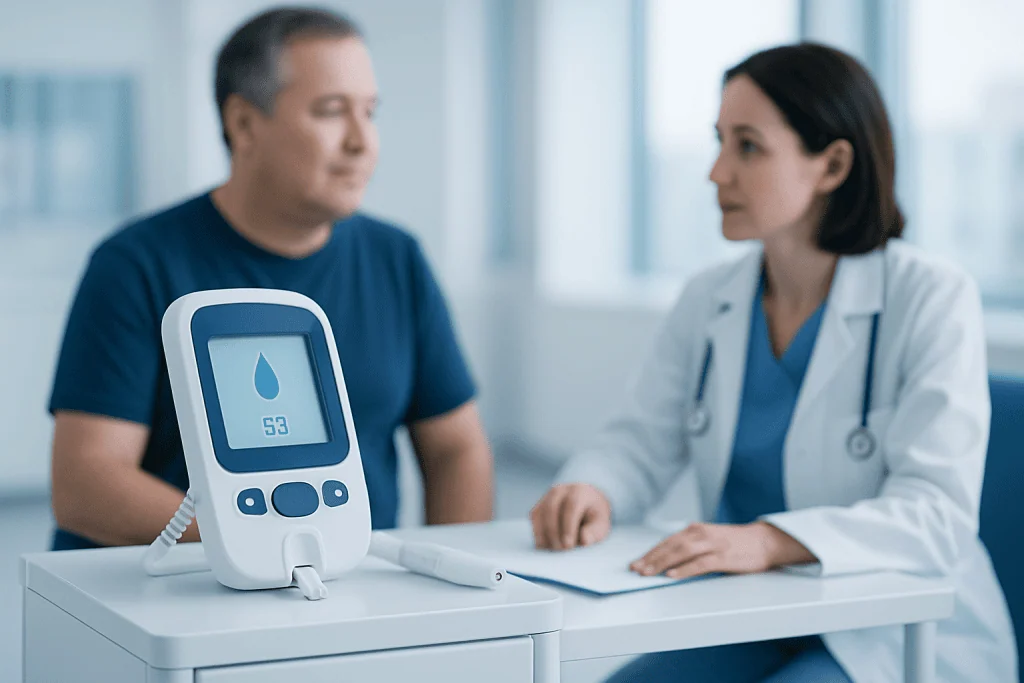
Understanding normal blood sugar levels starts with knowing which test is being discussed. A fasting blood sugar is measured after not eating for at least 8 hours. In many adults, 70 to 99 mg/dL is considered normal. A fasting level from 100 to 125 mg/dL may suggest prediabetes, while 126 mg/dL or higher on repeat testing may support a diagnosis of diabetes.
After meals, blood sugar normally rises and then gradually comes down as insulin works. A level below 140 mg/dL about two hours after eating is generally considered normal for many adults without diabetes. A random blood sugar test can be done at any time of day, but it is harder to interpret unless symptoms and other test results are also considered.
The A1C test shows the average blood sugar level over roughly the past 2 to 3 months. In most adults, an A1C below 5.7% is considered normal, 5.7% to 6.4% suggests prediabetes, and 6.5% or above may indicate diabetes when confirmed appropriately. Doctors may also use an oral glucose tolerance test in selected situations, especially during pregnancy or when results are borderline.
- Fasting blood sugar: usually 70–99 mg/dL
- Two hours after a meal: usually under 140 mg/dL
- A1C: usually below 5.7%
- Interpretation: depends on timing, symptoms, and repeat testing
Why normal can vary by age, sex, pregnancy, and daily context

Although laboratory thresholds are broadly similar for adults, blood sugar patterns can differ by life stage and context. Children may have different targets, especially if they have diabetes and are being monitored to avoid low blood sugar. Older adults may also have individualized goals because of frailty, nutrition, medication use, or other chronic conditions.
Sex alone does not usually create a separate normal blood sugar range in standard testing, but hormonal changes can influence day-to-day fluctuations. Menstrual cycles, menopause, and conditions such as polycystic ovary syndrome can affect insulin sensitivity. Pregnancy is a separate situation because the body becomes more insulin resistant as pregnancy progresses, and doctors screen for gestational diabetes using pregnancy-specific criteria.
Context matters greatly. A level measured first thing in the morning may differ from one taken after exercise, during acute illness, after a poor night’s sleep, or after a meal high in refined carbohydrates. Even dehydration, travel across time zones, and emotional stress can temporarily alter results. This is why a clinician may ask how and when the reading was obtained before deciding whether it is medically meaningful.
What can raise or lower blood sugar levels
Food is one of the most direct influences on blood sugar. Meals rich in refined carbohydrates or sugary drinks can produce a quicker rise, while balanced meals with fiber, protein, and healthy fats tend to lead to a slower, steadier response. Portion size also matters, as does the timing of meals and snacks.
Physical activity usually helps the body use glucose more efficiently, which can lower blood sugar over time and sometimes immediately. However, strenuous exercise may temporarily raise blood sugar in some situations because stress hormones are released. Sleep deprivation, emotional stress, infections, surgery, and pain can also increase glucose levels, even in people without known diabetes.
Medicines may affect results as well. Corticosteroids, some psychiatric medicines, certain hormone treatments, and some drugs used after transplantation can raise blood sugar. Insulin and other diabetes treatment medicines can lower it, and if the balance is off, hypoglycemia may occur. Alcohol, prolonged fasting, significant weight loss, and some endocrine disorders can also lower blood sugar.
When high readings persist, doctors may evaluate for conditions that influence insulin production or insulin resistance. In some cases, blood sugar changes may be part of a broader endocrine picture that includes weight change, fatigue, or abnormal cholesterol levels, and a person may benefit from specialist assessment such as endocrinology care.
When a reading becomes medically meaningful
A blood sugar result becomes more meaningful when it is repeated, linked with symptoms, or confirmed by another test. One mildly abnormal number does not always indicate disease. For example, stress, a recent meal, acute illness, or a medication can temporarily affect the value. Clinicians usually look for persistent patterns before making a diagnosis.
High blood sugar may become clinically important when fasting levels are repeatedly elevated, post-meal readings are consistently above the expected range, or the A1C is above normal. Symptoms such as increased thirst, frequent urination, unexplained weight loss, blurred vision, unusual fatigue, or recurrent infections can make abnormal readings more significant.
Low blood sugar can also matter, especially if it causes shakiness, sweating, dizziness, hunger, confusion, palpitations, or fainting. In someone without diabetes, repeated low readings deserve evaluation because they may be related to medication effects, alcohol use, prolonged fasting, hormone disorders, or other medical issues. The goal is not just to label a number, but to understand why it is happening and whether treatment is needed.
How doctors evaluate abnormal blood sugar results
Evaluation usually begins with a review of symptoms, medical history, family history, medicines, and lifestyle factors. A doctor may ask whether the result was fasting, how long after a meal it was taken, whether the person was ill, and whether similar values have occurred before. These details help separate a one-time fluctuation from a clinically important pattern.
Common tests include fasting plasma glucose, A1C, and sometimes an oral glucose tolerance test. If diabetes or prediabetes is suspected, the clinician may repeat testing on another day to confirm the diagnosis, unless results are clearly abnormal and symptoms are present. Home glucose monitoring or continuous glucose monitoring may be recommended in selected cases, especially for people already diagnosed with diabetes.
Additional tests may be used to look for complications or related conditions, such as lipid testing, kidney function tests, urine albumin, or blood pressure assessment. If very abnormal values are found, the care team may involve specialists in internal medicine, endocrinology, nutrition, or diabetes education. In some cases, treatment planning may include structured follow-up and check-up and screening visits to monitor trends over time.
Keeping blood sugar in a healthy range
For many people, healthy habits support stable blood sugar even without medication. Regular meals, balanced nutrition, adequate fiber intake, and limiting highly processed sugary foods can help reduce large spikes. Physical activity, maintaining a healthy weight, stress management, and good sleep also improve how the body responds to insulin.
People who have prediabetes or diabetes may need more specific guidance. A personalized plan may include home monitoring, nutrition counseling, medicines, and regular follow-up to reduce the risk of long-term complications. Treatment goals are individualized based on age, pregnancy, overall health, and the chance of low blood sugar.
Self-care also includes knowing when a result may be less reliable. Dirty fingers, expired test strips, testing too soon after eating, and dehydration can all affect readings. Keeping a simple log of fasting and post-meal values, symptoms, meals, activity, and medications can make patterns easier for a clinician to interpret.
Near the end of the care pathway, some people seek multidisciplinary support for diagnosis, education, and follow-up. Acibadem International’s multidisciplinary specialists and JCI-accredited hospitals diagnose and treat glucose-related conditions for international patients when specialist assessment is needed.
When to seek medical care
Medical advice is appropriate if blood sugar readings are repeatedly outside the expected range, even if there are no symptoms. A person should also speak with a doctor if an A1C result is above normal, if fasting levels repeatedly reach 100 mg/dL or higher, or if two-hour post-meal values are often elevated. Early evaluation can clarify whether the issue is temporary, related to lifestyle or medication, or a sign of prediabetes or diabetes.
Prompt medical care is important if high or low blood sugar causes significant symptoms. Concerning signs include severe thirst, vomiting, deep or rapid breathing, marked weakness, confusion, fainting, seizures, or inability to keep fluids down. Pregnant individuals, children, older adults, and people using insulin or glucose-lowering medicines should be especially cautious, because extremes can become serious more quickly.
If there is uncertainty about what a specific result means, it is safest to ask a qualified healthcare professional rather than relying on one number alone. Timely assessment can help prevent complications and support a plan that fits the person’s age, health status, and daily routine.
Frequently asked questions
What is a normal fasting blood sugar level?
For many non-pregnant adults, a normal fasting blood sugar is typically 70 to 99 mg/dL after not eating for at least 8 hours. Results should still be interpreted alongside symptoms, repeat testing, and the person’s overall health.
What should blood sugar be two hours after eating?
In many adults without diabetes, blood sugar is usually under 140 mg/dL about two hours after a meal. Meal composition, activity, illness, and individual metabolism can affect the exact number.
Is 110 mg/dL blood sugar normal?
It depends on when the test was taken. If 110 mg/dL is a fasting result, it is above the usual normal fasting range and may suggest impaired fasting glucose, but if it is measured after eating, it may be completely expected.
Does age change normal blood sugar levels?
Standard laboratory cutoffs are broadly similar across adults, but treatment goals may be individualized in children, older adults, and people with other medical conditions. Doctors focus on safety, symptoms, and the risk of both high and low blood sugar.
Can stress or poor sleep affect blood sugar?
Yes. Stress hormones and sleep loss can make the body more insulin resistant for a period of time, which may temporarily raise blood sugar. This is one reason clinicians look at patterns rather than one isolated reading.
What is A1C and why is it important?
A1C is a blood test that reflects average blood sugar over about the previous 2 to 3 months. It helps identify normal glucose regulation, prediabetes, or diabetes and is also used to monitor long-term control in people already diagnosed.
When should someone worry about low blood sugar?
Low blood sugar becomes more concerning when it causes symptoms such as shaking, sweating, dizziness, confusion, or fainting, or when readings are repeatedly low. Anyone with severe symptoms or trouble staying alert should seek urgent medical care.
References
- American Diabetes Association
- National Institute of Diabetes and Digestive and Kidney Diseases
- Centers for Disease Control and Prevention
- World Health Organization
- Mayo Clinic
This article is for general information only and is not a substitute for professional medical advice. Please consult a qualified doctor about your individual situation.
Explore treatments in Turkey — costs, top hospitals & a free quote
JCI-accredited · board-certified surgeons · reply within 24h
Add us as a Preferred Source to see more of our trusted health content across Google Search, AI Overviews and Discover.
Check your numbers in seconds
BMI, calories, due date, blood pressure and 30+ more clinical calculators — free, instant, doctor-reviewed ranges.