Nosocomial Infection: Diagnosis, Outlook, and Modern Treatment Approaches
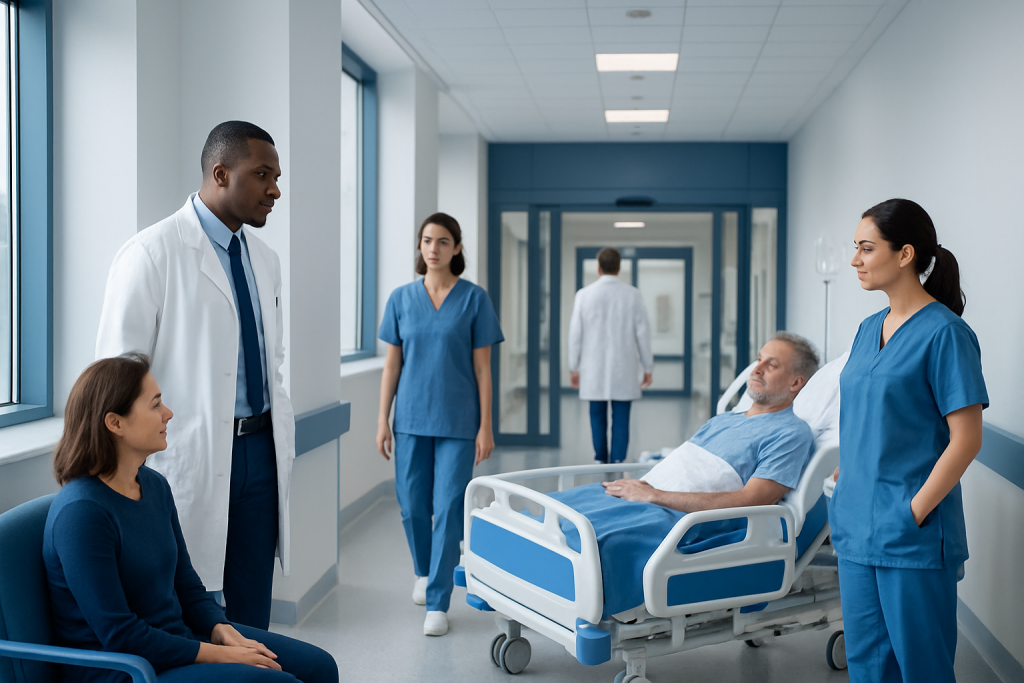
A nosocomial infection develops during or after healthcare exposure rather than before admission. Common examples include urinary tract infections, pneumonia, surgical site infections, and bloodstream infections.
Key Takeaways
- A nosocomial infection develops during or after healthcare exposure rather than before admission.
- Common examples include urinary tract infections, pneumonia, surgical site infections, and bloodstream infections.
- Doctors diagnose nosocomial infection by combining clinical signs with cultures, blood tests, and imaging when needed.
- Treatment may include antibiotics, antifungals, drainage, device removal, wound care, or supportive hospital treatment.
- Good hand hygiene, careful device use, and early recognition help lower the risk of hospital-acquired infection.
A nosocomial infection is an infection acquired during a hospital stay or another healthcare encounter that was not present at admission. Diagnosis depends on symptoms, timing, examination, and tests such as cultures or imaging, while treatment focuses on the source of infection, likely germs, and the person’s overall health.
Overview: what a nosocomial infection means
A nosocomial infection, also called a hospital-acquired infection or healthcare-associated infection, is an infection that develops during medical care and was not already present or incubating when the person arrived. It can happen in hospitals, intensive care units, rehabilitation centers, nursing facilities, or after procedures performed in healthcare settings. In practical terms, it means the infection is linked to the care environment, medical devices, surgery, or exposure to germs that circulate in healthcare spaces.
These infections can range from mild to serious. Some affect the skin or a surgical incision, while others involve the lungs, urinary tract, bloodstream, or digestive system. A person’s age, underlying illnesses, immune status, and the type of treatment they receive can all influence both the risk and the likely course of illness.
Modern care teams work hard to prevent nosocomial infection through hand hygiene, sterile technique, cleaning protocols, and careful use of catheters, ventilators, and intravenous lines. Even with strong prevention measures, infections can still occur, especially in people who are already medically fragile. Early recognition and prompt treatment usually improve outcomes and help limit complications.
How nosocomial infections develop
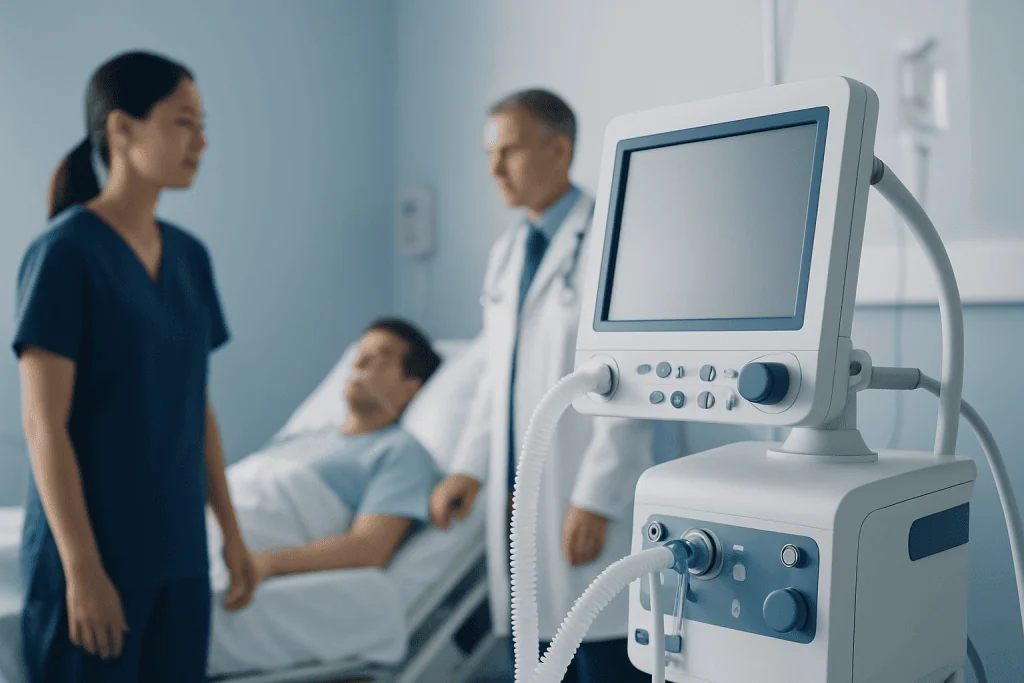
Nosocomial infections usually arise when germs enter the body through a vulnerable point. This may happen through a surgical incision, a urinary catheter, an intravenous line, a breathing tube, or damaged skin. In some cases, the person’s own bacteria move from one part of the body to another and cause infection when the normal barriers are disrupted.
Healthcare settings also bring people into contact with bacteria, viruses, and fungi that may be more resistant to standard treatments. Repeated antibiotic exposure can select for harder-to-treat organisms, which is why doctors are careful about when and how antibiotics are used. A hospital-acquired infection is not defined only by the germ itself, but also by the timing, setting, and clinical context.
Common forms include catheter-associated urinary tract infection, ventilator-associated or hospital-acquired pneumonia, surgical site infection, and central line-associated bloodstream infection. Some patients may also develop gastrointestinal infection such as Clostridioides difficile colitis after antibiotic use. Understanding the likely source helps doctors choose the right tests and the most appropriate treatment plan.
Symptoms and warning signs
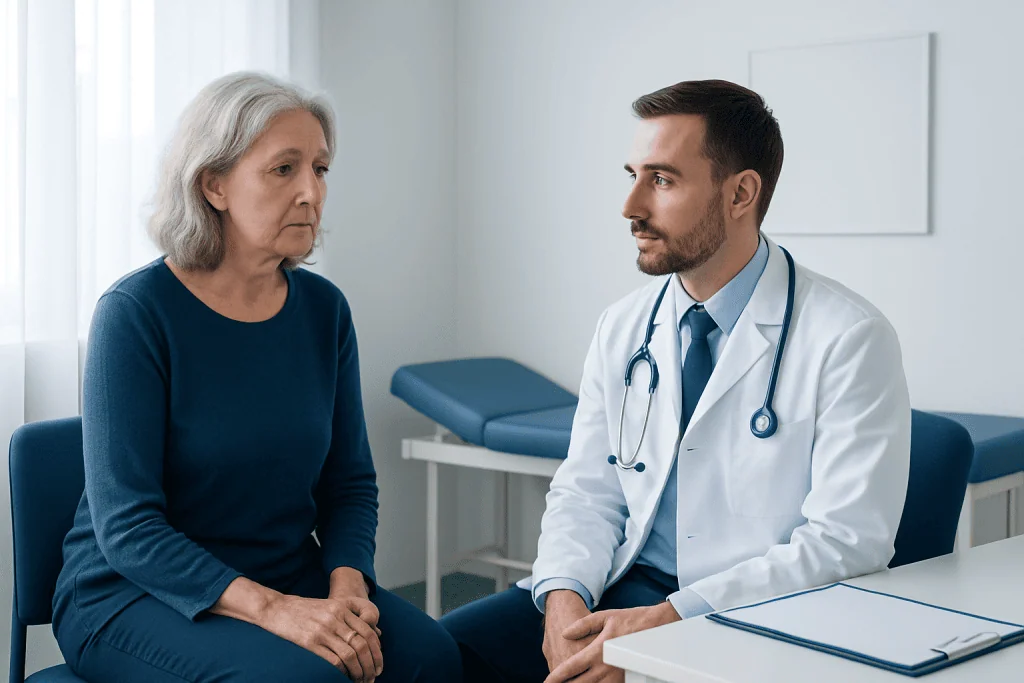
The symptoms of nosocomial infection depend on the body part involved. A urinary tract infection may cause burning with urination, pelvic discomfort, frequent urination, cloudy urine, or fever. Pneumonia may lead to cough, shortness of breath, chest discomfort, low oxygen levels, or increased mucus production. A wound infection can cause redness, swelling, warmth, drainage, worsening pain, or delayed healing.
Bloodstream infections can be less specific and may cause fever, chills, confusion, low blood pressure, weakness, or a generally unwell feeling. In older adults or people with complex medical conditions, the first signs may be subtle, such as confusion, drowsiness, reduced appetite, or a sudden change from their usual recovery pattern. This is one reason close monitoring in hospital matters.
Not every fever after surgery or every symptom during a hospital stay means infection. Inflammation, blood clots, medication reactions, or the underlying illness can produce similar signs. Doctors therefore look at the whole picture rather than relying on one symptom alone.
- Fever or chills
- New cough or breathing difficulty
- Redness, swelling, or pus at a wound site
- Pain or burning with urination
- Confusion, weakness, or low blood pressure
- Diarrhea, especially after antibiotics
Causes and risk factors
The causes of nosocomial infection are usually a combination of germ exposure and patient vulnerability. Bacteria are the most common cause, but viruses and fungi can also be responsible. Some infections begin when devices that are medically necessary for treatment remain in place for longer periods, increasing the chance that microbes will enter the body.
Risk tends to be higher in people who have major surgery, spend time in intensive care, require mechanical ventilation, have weakened immunity, or live with long-term conditions such as diabetes, kidney disease, cancer, or lung disease. Broad-spectrum antibiotic use can also increase the risk of certain infections by disturbing the body’s normal balance of bacteria.
Longer hospital stays, repeated procedures, poor nutrition, and limited mobility may add to the risk. This does not mean infection is inevitable. It simply explains why prevention plans are often tailored to the patient, including earlier device removal, respiratory care, skin checks, blood sugar management, and careful wound follow-up after general surgery or other procedures.
Diagnosis: how doctors confirm a nosocomial infection
Diagnosis begins with timing and clinical assessment. Doctors ask when symptoms started, what treatment or procedures the person has had, whether there are catheters or drains in place, and whether there has been recent antibiotic use. Physical examination helps identify the possible source, such as the lungs, urinary tract, bloodstream, abdomen, or a surgical site.
Laboratory tests often include blood tests to look for inflammation or signs of organ stress, along with cultures taken from blood, urine, sputum, wound drainage, or other body fluids. Cultures are especially important because they can identify the germ and show which medicines are likely to work. This guides targeted treatment and helps avoid unnecessary antibiotic use.
Imaging may also be needed. Chest imaging can support the diagnosis of pneumonia, while ultrasound or CT may help detect abscesses or deeper infections after surgery. In selected cases, doctors may evaluate implanted devices, remove and culture catheter tips, or ask infectious disease specialists for help with more complex infections. If there is concern about severe infection spreading through the body, the care team may also assess for sepsis and treat urgently.
Modern treatment approaches and outlook
Treatment depends on the source of infection, the likely germ, how unwell the person is, and whether any medical device is involved. Doctors may begin treatment before all results are back if infection is strongly suspected, especially when symptoms are significant. Once culture results return, treatment is often narrowed to the most effective medicine for that specific organism.
Antibiotics are commonly used for bacterial infections, while antifungal or antiviral medicines are used when appropriate. Just as important as medication is source control. This may mean draining an abscess, cleaning or reopening part of a wound, removing or replacing an infected catheter, or treating a device-related problem. Some patients also need oxygen, intravenous fluids, nutritional support, or monitoring in a higher-acuity setting.
The outlook varies. Many nosocomial infections improve with timely diagnosis and well-chosen treatment, especially when the source is found early. Recovery may take longer in people with serious underlying illness or resistant organisms. Follow-up matters because doctors need to confirm that fever, pain, breathing problems, wound changes, or abnormal blood tests are truly resolving rather than lingering.
In more complex cases, treatment can involve several specialties, such as infectious diseases, pulmonology, intensive care, wound care, or interventional radiology for drainage procedures. Acibadem International’s multidisciplinary specialists and JCI-accredited hospitals diagnose and treat nosocomial infection for international patients when advanced inpatient evaluation or coordinated follow-up is needed.
Prevention, self-care, and recovery support
Preventing nosocomial infection is a shared effort between healthcare teams, patients, and families. In hospitals, prevention focuses on hand hygiene, sterile insertion of devices, regular cleaning, timely device removal, careful antibiotic stewardship, and close monitoring after surgery or invasive treatment. These steps reduce risk but do not replace individualized medical judgment.
Patients and caregivers can support prevention by reminding themselves and others about hand hygiene, asking how to care for dressings or lines, following breathing exercises after surgery if advised, and reporting new symptoms promptly. Good hydration, nutrition, blood sugar control, and early movement when medically safe can also support healing and lower some risks.
After discharge, self-care usually includes taking prescribed medicines exactly as directed, caring for wounds properly, keeping follow-up appointments, and watching for signs that symptoms are worsening rather than improving. If recovery after an operation seems off course, the team may reassess for a wound infection or other postoperative problem. Some people recovering from major procedures may also need structured intensive care support earlier in the course of treatment if infection becomes severe.
When to seek medical care
Medical review is important if symptoms of possible infection appear during a hospital stay or soon after discharge. A person should contact a doctor promptly for fever, increasing wound redness or drainage, new cough, shortness of breath, painful urination, persistent diarrhea, worsening weakness, or a sudden decline in recovery.
Urgent care is needed if there are signs of a more serious infection, such as confusion, low blood pressure, fainting, severe breathing difficulty, bluish lips, chest pain, or inability to stay awake. These symptoms do not always mean a severe hospital-acquired infection, but they do require fast assessment.
People with recent surgery, implanted devices, chemotherapy, organ problems, or weakened immunity should have a lower threshold for calling their healthcare team. Early advice can help doctors decide whether simple follow-up is enough or whether testing, new treatment, or hospital care is needed.
Frequently asked questions
What is the difference between a nosocomial infection and a community infection?
A nosocomial infection develops during healthcare or after a recent healthcare exposure and was not present at the time of admission. A community infection begins outside the healthcare setting before the person receives hospital care.
How long after admission can a nosocomial infection appear?
It may appear during the hospital stay or become noticeable shortly after discharge, depending on the infection type. Doctors consider the timing of symptoms, recent procedures, device use, and whether there were any signs of infection on arrival.
Are nosocomial infections always caused by antibiotic-resistant bacteria?
No. Some are caused by organisms that respond to standard treatment, while others involve resistant bacteria, fungi, or viruses. Testing helps identify the germ and guides the safest, most effective treatment.
Can a nosocomial infection be prevented completely?
Not always, because some patients are very vulnerable and some treatments require invasive devices or surgery. Still, strong infection-control practices, careful device management, and early symptom recognition can reduce the risk substantially.
What tests are usually done for suspected nosocomial infection?
Doctors often use blood tests, cultures from blood or urine, sputum or wound samples, and imaging such as chest X-ray, ultrasound, or CT when needed. The exact tests depend on where the infection is suspected and how severe the symptoms are.
How is nosocomial infection treated?
Treatment usually includes targeted medicine for the identified or suspected germ and management of the infection source. This can involve wound care, drainage, catheter removal or replacement, oxygen, fluids, and close monitoring in more serious cases.
References
- World Health Organization
- Centers for Disease Control and Prevention
- European Centre for Disease Prevention and Control
- Society for Healthcare Epidemiology of America
- Infectious Diseases Society of America
This article is for general information only and is not a substitute for professional medical advice. Please consult a qualified doctor about your individual situation.
Explore treatments in Turkey — costs, top hospitals & a free quote
JCI-accredited · board-certified surgeons · reply within 24h
Add us as a Preferred Source to see more of our trusted health content across Google Search, AI Overviews and Discover.
Check your numbers in seconds
BMI, calories, due date, blood pressure and 30+ more clinical calculators — free, instant, doctor-reviewed ranges.