Nsclc Treatment: How It Works, Results and What to Expect
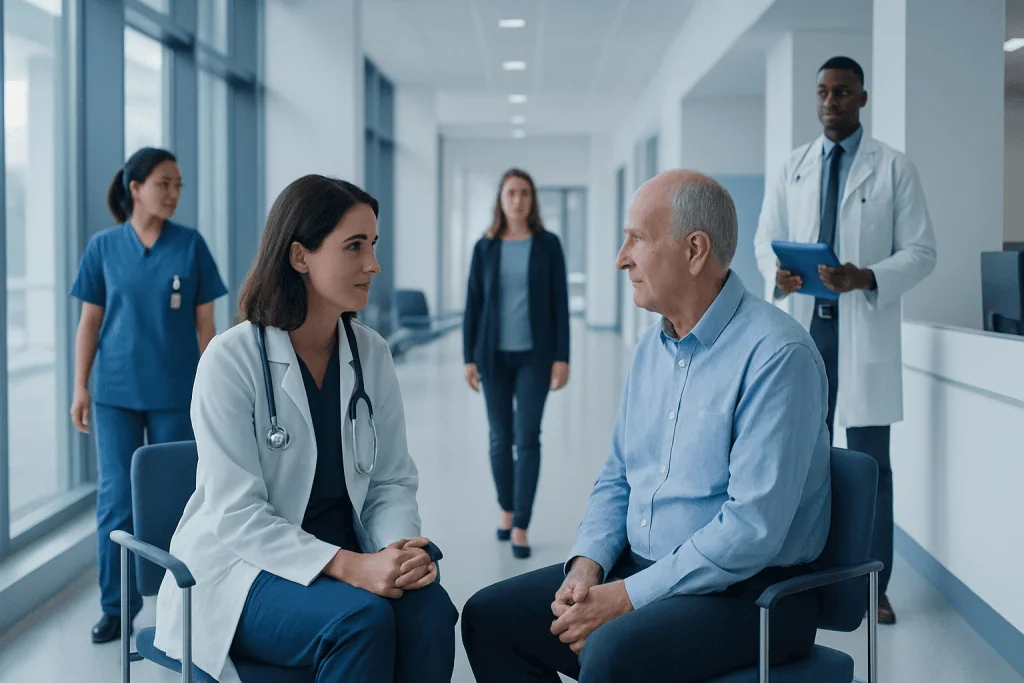
NSCLC treatment depends on stage, tumor location, molecular test results and general health. Early-stage NSCLC may be treated with surgery and sometimes additional chemotherapy, targeted therapy, immunotherapy or radiation.
Key Takeaways
- NSCLC treatment depends on stage, tumor location, molecular test results and general health.
- Early-stage NSCLC may be treated with surgery and sometimes additional chemotherapy, targeted therapy, immunotherapy or radiation.
- Advanced NSCLC is often managed with systemic treatment, including targeted therapy or immunotherapy when appropriate.
- Treatment response is assessed through symptoms, examinations, scans and blood tests rather than by symptoms alone.
- Supportive care for breathlessness, pain, nutrition and emotional wellbeing is an important part of treatment at every stage.
NSCLC treatment is individualized according to the cancer stage, tumor genetics, PD-L1 testing, symptoms and a person’s overall health. Care may involve surgery, radiation therapy, chemotherapy, targeted medicines, immunotherapy, or a carefully planned combination of these approaches.
NSCLC treatment: how it works
Non-small cell lung cancer (NSCLC) is the most common broad group of lung cancers. NSCLC treatment aims to remove or destroy cancer when it is localized, reduce the chance of recurrence after curative treatment, or control cancer growth and symptoms when it has spread. The best approach is based on the cancer stage, the exact cell type, tumor size and location, lymph node involvement, molecular test results and the person’s lung function and general health.
Treatment is usually planned by a multidisciplinary team that may include medical oncologists, thoracic surgeons, radiation oncologists, pulmonologists, radiologists, pathologists, nurses and supportive-care specialists. For many people, more than one treatment is used. The sequence matters: a person may have systemic therapy before surgery, surgery followed by additional treatment, or medicines and radiation without surgery.
Systemic treatments circulate through the body and can treat cancer cells beyond the original lung tumor. Chemotherapy damages rapidly dividing cells; immunotherapy helps the immune system recognize cancer cells; and targeted therapy blocks specific cancer-driving changes found through tumor testing. These options have different benefits, side effects and monitoring needs, so decisions should be made with the treating oncology team.
Candidacy and tests that guide treatment
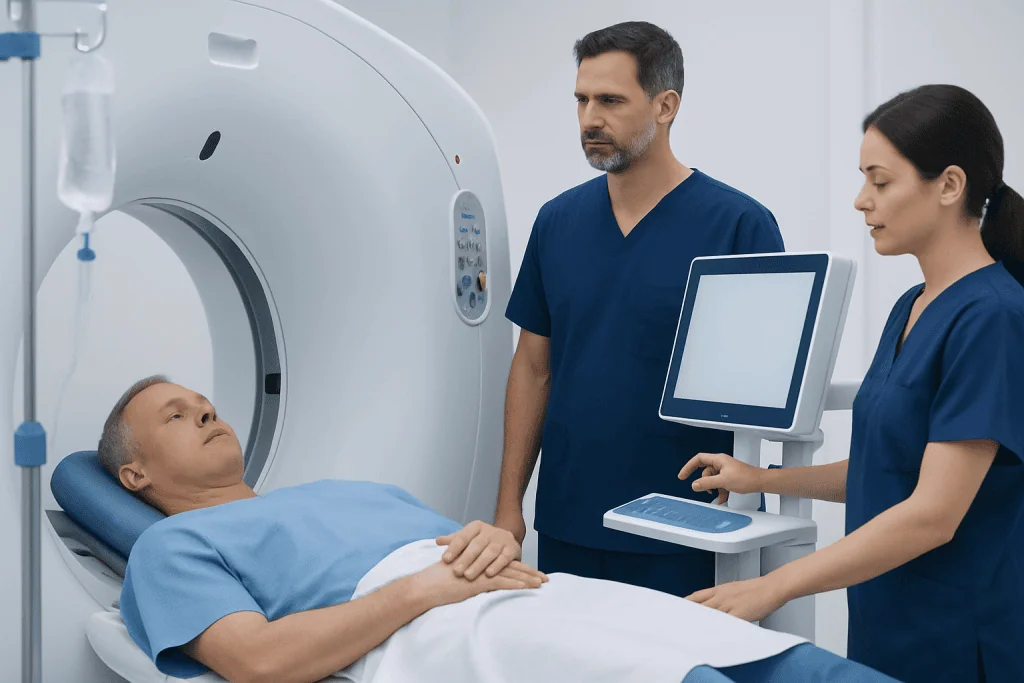
Before starting NSCLC treatment, clinicians confirm the diagnosis through a biopsy and determine the stage using imaging such as CT, PET-CT and sometimes brain MRI. Sampling lymph nodes in the chest may be necessary because lymph node involvement can change the recommended treatment plan. Breathing tests, heart assessment and a review of other health conditions help establish whether surgery or certain treatments can be given safely.
For advanced NSCLC, and increasingly for earlier-stage disease when systemic treatment is being considered, tumor biomarker testing is essential. Testing may look for changes involving EGFR, ALK, ROS1, BRAF, KRAS, MET, RET, NTRK, HER2 and other genes, as well as PD-L1 expression. A blood-based liquid biopsy can sometimes identify tumor DNA, but it does not always replace tissue testing.
People with early-stage cancer who can safely undergo an operation may be candidates for surgery. Those with a tumor that cannot be removed or who are not fit for surgery may benefit from radiation, systemic treatment, or both. In metastatic NSCLC, the first treatment is strongly influenced by whether a targetable genetic alteration is present and by the PD-L1 result.
- Stage I: surgery or stereotactic body radiation therapy may be used with curative intent.
- Stages II and III: treatment often combines surgery, chemotherapy, immunotherapy and/or radiation.
- Stage IV: systemic therapy is usually central, with radiation or surgery used selectively for symptoms or limited areas of disease.
Step by step: what NSCLC treatment may involve
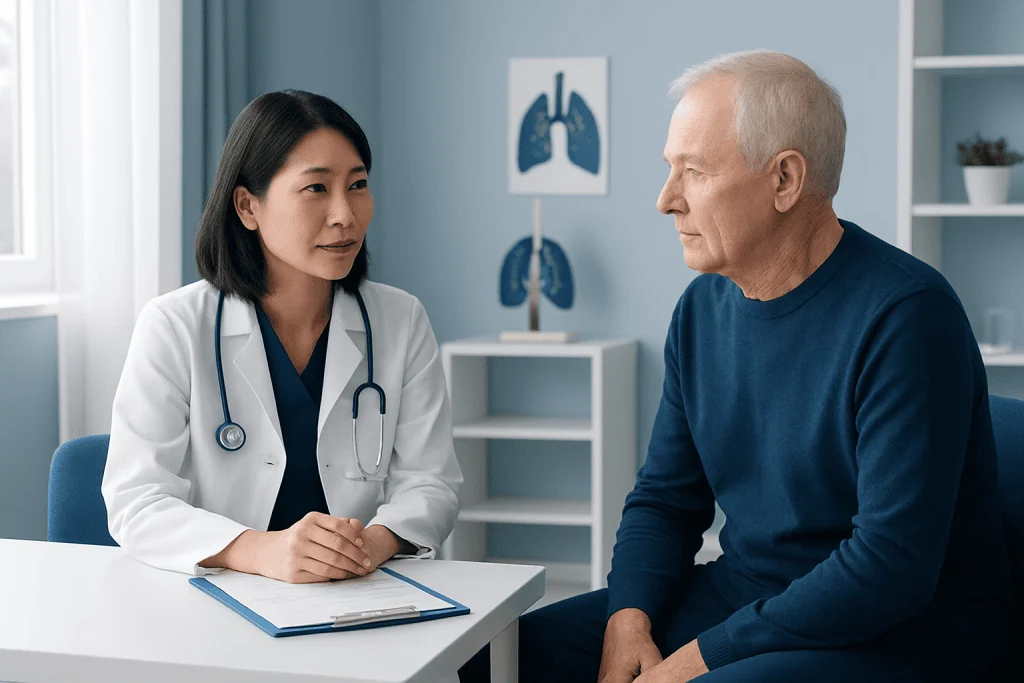
The first step is a detailed consultation to review pathology, imaging, stage and biomarker findings. The team discusses the purpose of treatment, such as cure, lowering recurrence risk, controlling disease or relieving symptoms. Patients can ask what treatments are recommended, why they are recommended in a particular order, what alternatives exist and how response will be monitored.
If surgery is appropriate, the operation may remove a small part of the lung, a lobe of the lung, or occasionally an entire lung. Nearby lymph nodes are usually assessed. Some people receive chemotherapy, immunotherapy, or both before surgery to shrink a tumor or address microscopic cancer cells. Others receive additional treatment after surgery when the risk of recurrence is considered significant.
Radiation therapy delivers carefully planned high-energy radiation to the tumor area. It may be given in a small number of highly focused sessions for an early tumor, or over several weeks when treating more extensive disease. Chemotherapy, immunotherapy and targeted medicines are given in cycles or as ongoing therapy, depending on the regimen. Some treatments are administered intravenously, while many targeted therapies are tablets taken at home.
Regular visits, laboratory tests and scans are built into the plan. These checks allow the team to identify side effects early, adjust supportive medicines and determine whether the cancer is responding, stable or progressing. Changes in treatment are common and do not necessarily mean that care is failing; they may reflect new scan findings, side effects or newly available biomarker information.
Benefits, risks and recovery timeline
The potential benefit of NSCLC treatment depends on the stage and treatment goal. In localized disease, treatment may remove or eradicate all visible cancer. In later-stage disease, treatment may shrink tumors, slow growth, reduce symptoms and help preserve daily functioning. Targeted therapy can be especially effective when a tumor has a matching genetic alteration, while immunotherapy can provide lasting disease control for some eligible patients.
Every treatment carries possible risks. Surgery can cause pain, bleeding, infection, blood clots, air leaks and a temporary or lasting reduction in breathing capacity. Radiation can lead to tiredness, skin irritation, swallowing discomfort, cough or inflammation of lung tissue. Chemotherapy may cause fatigue, nausea, lowered blood counts, neuropathy or other effects that vary by medicine.
Immunotherapy can trigger inflammation in healthy organs, including the lungs, bowel, liver, skin or hormone-producing glands. Targeted therapies can cause effects such as rash, diarrhea, fatigue, liver test changes or swelling, depending on the medicine. New or worsening shortness of breath, chest pain, fever, severe diarrhea, confusion or a sudden decline in wellbeing should be reported promptly to the oncology team.
Recovery varies widely. After minimally invasive lung surgery, hospital recovery may be shorter than after open surgery, but regaining stamina can take weeks to months. Radiation-related fatigue may build during treatment and improve gradually afterward. Systemic therapy is commonly given over months, with side effects monitored throughout. Rehabilitation, smoking cessation support, nutrition care, gentle physical activity and emotional support can all aid recovery.
How to tell if chemo is working for lung cancer?
Chemotherapy response is assessed with a combination of clinical review and imaging. The oncology team will ask about symptoms such as cough, breathlessness, pain, appetite and energy, while also checking weight, physical examination findings and blood test results. Symptom improvement can be encouraging, but it cannot confirm treatment response by itself.
CT scans are typically performed after a planned number of treatment cycles to compare tumor size and identify any new areas of disease. Depending on the situation, PET-CT, brain MRI or other scans may also be used. Results may show that the cancer has shrunk, remained stable or grown; each result helps guide whether the same treatment should continue or whether a different approach is appropriate.
It is important not to judge chemotherapy effectiveness only by side effects. Strong side effects do not mean treatment is working better, and having few side effects does not mean it is ineffective. Patients should continue to report symptoms and attend scheduled assessments so their team can make decisions based on the full clinical picture.
How long does it take for NSCLC to spread?
There is no fixed timeline for NSCLC to spread. Growth and spread depend on the tumor’s biology, subtype, genetic changes, grade, location and the person’s immune and overall health. Some tumors grow relatively slowly, while others can progress more quickly. NSCLC may spread to nearby lymph nodes or to distant sites such as the other lung, bones, liver, adrenal glands or brain.
Because it is not possible to predict the pace accurately from symptoms alone, staging tests and follow-up imaging are important. A person may have few symptoms even when cancer has changed, while symptoms may also arise from infection, chronic lung disease or treatment effects rather than cancer progression.
Once treatment begins, scan intervals are individualized. The oncology team considers the treatment type, disease extent and any new symptoms when deciding how often to reassess. Reporting persistent new symptoms promptly can help ensure that concerns are evaluated without waiting for the next routine scan.
What is it like to live with non-small cell lung cancer?
Living with NSCLC can involve physical, practical and emotional adjustments, but experiences vary greatly. Some people continue many usual activities during treatment, while others need more help with fatigue, breathing changes, appointments or medication schedules. Symptoms such as cough, breathlessness, pain, sleep difficulties and reduced appetite can often be addressed with individualized supportive care.
Communication with the healthcare team is central. Palliative care, which focuses on symptom relief and quality of life, can be offered alongside cancer treatment at any stage. It may help with pain, breathlessness, fatigue, nausea, anxiety and discussions about personal priorities. Receiving palliative care does not mean that active cancer treatment has stopped.
Family, friends, counseling, peer support and practical services may reduce isolation and treatment burden. It can also help to keep a written list of symptoms, questions and medicines. People who smoke are encouraged to seek support to stop, as quitting can benefit lung health, treatment tolerance and overall wellbeing even after an NSCLC diagnosis.
What is the life expectancy with stage 4 NSCLC?
Life expectancy with stage 4 NSCLC cannot be predicted accurately for one individual. Stage 4 means the cancer has spread beyond the lung to distant organs or areas, but outcomes vary substantially according to the cancer’s molecular features, response to treatment, sites of spread, overall health and access to effective therapies. Population statistics cannot account for these personal factors or predict an individual outcome.
For some people, modern targeted therapies or immunotherapy provide disease control for a meaningful period, particularly when treatment is closely matched to tumor test results. For others, chemotherapy, immunotherapy combinations, radiation and symptom-directed treatment may be appropriate. New treatment options and clinical trials may also be considered in selected circumstances.
The most useful conversation is with the treating oncologist, who can explain the stage, treatment goals, expected benefits and uncertainties in the context of the individual case. Advance care planning and supportive care can be discussed at any time and can help ensure that treatment decisions remain aligned with the person’s values and priorities.
When to seek medical care
Anyone with a persistent or worsening cough, coughing up blood, unexplained breathlessness, chest pain, repeated chest infections, unexplained weight loss or continuing fatigue should arrange a medical assessment. These symptoms are common and can have causes other than lung cancer, but they deserve timely evaluation, especially in people with a history of smoking or significant exposure to secondhand smoke, radon or occupational lung irritants.
People already receiving NSCLC treatment should contact their clinical team urgently for sudden or severe breathlessness, chest pain, a high fever, coughing up more than a small amount of blood, new confusion, weakness on one side of the body, severe headache, uncontrolled vomiting or severe diarrhea. Emergency services may be needed for severe symptoms.
At Acibadem International, multidisciplinary specialists in JCI-accredited hospitals assess and treat NSCLC for international patients, coordinating oncology, thoracic surgery, radiation oncology and supportive care when needed.
Frequently asked questions
What is the first-line treatment for NSCLC?
First-line NSCLC treatment depends on stage and tumor testing. Early-stage disease may be treated with surgery or focused radiation, while advanced disease may be treated with targeted therapy, immunotherapy, chemotherapy or a combination. Biomarker and PD-L1 testing are important in selecting systemic treatment.
Can NSCLC be cured?
Some early-stage NSCLCs can be treated with curative intent using surgery, radiation therapy and, in selected cases, additional systemic treatment. When NSCLC has spread to distant organs, treatment is usually focused on controlling the cancer and maintaining quality of life. Individual outcomes vary, so the treating team is best placed to discuss goals of care.
Is immunotherapy better than chemotherapy for NSCLC?
Neither option is universally better. Immunotherapy may be particularly suitable when PD-L1 testing and the overall clinical situation support its use, while chemotherapy remains an important treatment alone or combined with immunotherapy. If a targetable genetic alteration is present, targeted therapy may be preferred as initial treatment.
How often are scans done during NSCLC treatment?
Scan timing varies according to the treatment and the extent of disease. Imaging is often performed after a planned number of treatment cycles or at regular intervals during ongoing treatment. New or worsening symptoms may lead the clinical team to arrange assessment sooner.
Can a person work during NSCLC treatment?
Some people are able to work during treatment, perhaps with adjusted hours or responsibilities, while others need time away due to fatigue, appointments or side effects. The ability to work depends on the treatment plan, symptoms, job demands and personal support. Discussing practical needs with the care team can help with planning.
What questions should a patient ask before starting NSCLC treatment?
Useful questions include the cancer stage, the goal of treatment, whether biomarker and PD-L1 tests have been completed, and why a specific treatment is recommended. Patients may also ask about expected benefits, likely side effects, how response will be checked and what symptoms require urgent contact. Bringing a family member or written question list can be helpful.
References
- National Cancer Institute
- American Cancer Society
- National Comprehensive Cancer Network
- European Society for Medical Oncology
- International Association for the Study of Lung Cancer
This article is for general information only and is not a substitute for professional medical advice. Please consult a qualified doctor about your individual situation.
Oncology care in Turkey — second opinion and treatment plan
JCI-accredited · board-certified surgeons · reply within 24h
Add us as a Preferred Source to see more of our trusted health content across Google Search, AI Overviews and Discover.
Check your numbers in seconds
BMI, calories, due date, blood pressure and 30+ more clinical calculators — free, instant, doctor-reviewed ranges.