Nuclear energy examples: Symptoms, Causes, and Treatment — Complete Patient Guide

Nuclear energy examples include civilian power plants, research reactors, submarines and aircraft carriers, and medical isotope production. Most people living near normal nuclear facilities are not exposed to harmful radiation levels during routine operations.
Key Takeaways
- Nuclear energy examples include civilian power plants, research reactors, submarines and aircraft carriers, and medical isotope production.
- Most people living near normal nuclear facilities are not exposed to harmful radiation levels during routine operations.
- Health effects are linked to radiation exposure, not simply being near nuclear technology.
- Acute radiation sickness usually requires high-dose exposure and is uncommon outside serious accidents or specialized work settings.
- Diagnosis relies on exposure history, symptoms, physical examination, and blood tests.
- Treatment depends on the type and amount of exposure and may range from monitoring to urgent hospital care.
Nuclear energy examples include electricity generation in nuclear power plants, research reactors, naval propulsion, and the production of medical isotopes. From a health perspective, nuclear energy itself does not cause symptoms; symptoms occur only if a person is exposed to enough ionizing radiation, and the effects depend on the dose, duration, and route of exposure.
Overview: what nuclear energy examples mean for health
Nuclear energy examples commonly include nuclear power plants that generate electricity, research reactors used in science and industry, naval reactors that power submarines or aircraft carriers, and facilities that make radioactive materials for medicine. These are practical uses of energy released from atomic reactions, most often nuclear fission. In daily life, many people also encounter related medical uses, such as imaging or cancer care, but these are controlled healthcare applications rather than household energy sources.
For patients, the key point is that nuclear energy itself is not a symptom or disease. Health concerns arise only when ionizing radiation exposure exceeds normal safety limits. Under routine, regulated conditions, nuclear facilities are designed to limit public exposure, and workers use strict monitoring and protection measures.
Questions about “symptoms, causes, and treatment” usually refer to the effects of radiation exposure. Low-level exposures often cause no noticeable symptoms. Higher exposures can affect the skin, digestive system, bone marrow, and other organs, with severity depending on how much radiation was absorbed and over what period of time.
Common examples of nuclear energy use
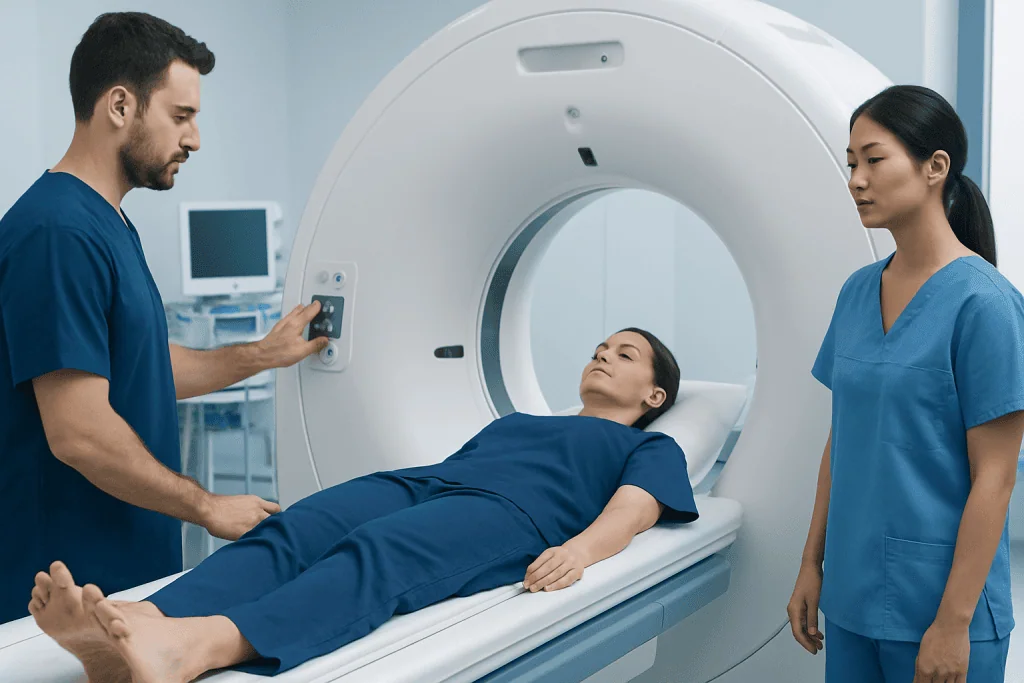
Nuclear energy is used in several settings. The best-known example is a nuclear power station, where heat from fission is used to produce steam and generate electricity. Other examples include small research reactors in universities or laboratories, reactors used in some naval vessels, and specialized facilities that produce isotopes for diagnosis and treatment in medicine.
Healthcare-related applications are especially important because they often benefit patients directly. Radioactive materials may be used in imaging tests or targeted therapies under carefully controlled conditions. In some situations, radiation-based care may be part of broader radiation therapy planning for cancer treatment, though this is different from environmental or accidental exposure.
Additional examples include industrial inspection, food irradiation, and sterilization of medical equipment. These uses are tightly regulated. The health message is consistent across all examples: risk depends on dose and control measures, not on the word “nuclear” alone.
- Electricity generation in nuclear power plants
- Research and training reactors
- Naval propulsion systems
- Medical isotope production
- Industrial testing and sterilization
Symptoms of radiation exposure

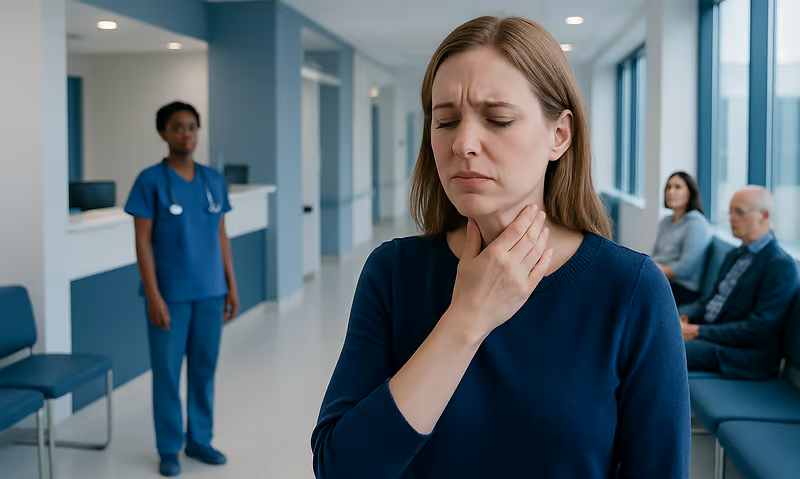
Most nuclear energy examples do not cause symptoms for the public. Symptoms develop only when exposure is significant enough to injure tissues. Early signs of substantial whole-body exposure may include nausea, vomiting, weakness, headache, dizziness, or fatigue. These symptoms are not specific and can also occur with many other illnesses, so exposure history is very important.
With higher doses, symptoms may progress over hours to days and can include diarrhea, fever, skin redness, mouth sores, easy bruising, bleeding, or signs of infection due to bone marrow suppression. Hair loss may occur after certain exposures. In severe cases, changes in mental status, dehydration, or organ failure can develop and need urgent medical attention.
Localized exposure can affect one part of the body rather than the whole body. For example, skin exposed to a radiation source may become red, painful, swollen, blistered, or ulcerated. Internal contamination, such as inhaling or swallowing radioactive material, may have different effects depending on the substance involved and which organ it collects in.
Long-term health effects differ from acute symptoms. They may include an increased risk of certain cancers after enough exposure, especially if protective measures were absent. Patients who are concerned about a past exposure may benefit from discussing risk assessment with a qualified clinician, especially if they already have a condition such as cancer or other health concerns requiring ongoing care.
Causes and risk factors
The main cause of radiation-related illness is exposure to ionizing radiation at a dose high enough to damage cells. This may happen through external exposure from a radiation source outside the body, contamination of the skin or clothing, or internal contamination through inhalation, ingestion, or a wound. The likelihood of health effects depends on the dose, duration, distance from the source, and shielding in place.
Risk is highest in uncommon situations such as major industrial or reactor accidents, mishandling of radioactive materials, or occupational exposure without proper protection. Medical exposure can also contribute, but in healthcare settings the benefits and risks are assessed carefully, and doses are controlled. Planned medical uses are very different from accidental or uncontrolled exposure.
Individual factors can also influence risk. Children may be more sensitive to some radiation effects because their tissues are still developing. Pregnancy requires special caution because the fetus can be affected depending on gestational age and dose. People with serious underlying illness may have less reserve if they develop dehydration, infection, or bone marrow suppression after exposure.
Concern about cancer risk is common. Radiation can increase the chance of some cancers over time, but risk is not the same for every exposure. Healthcare teams may use imaging, laboratory tests, and follow-up evaluation when there is concern for conditions such as thyroid cancer after specific types of exposure involving radioactive iodine.
How doctors diagnose radiation-related illness
Diagnosis begins with a clear exposure history. Doctors ask when and where the exposure happened, how long it lasted, whether there was direct contact with a source, and whether contamination of clothes, skin, food, or water might have occurred. They also assess symptoms, timing, and any emergency response actions already taken.
A physical examination looks for signs such as dehydration, skin changes, fever, mouth sores, bruising, or neurologic symptoms. Blood tests are often used to check blood cell counts because radiation can affect the bone marrow. Repeated blood tests over time may help estimate the severity of exposure and guide treatment.
When contamination is possible, special equipment may be used to detect radioactive material on the body or in bodily fluids. Imaging may be needed if doctors suspect internal organ injury or another condition that could explain the symptoms. In complicated cases, patients may be assessed by emergency medicine, hematology, toxicology, dermatology, or oncology specialists.
Because symptoms like nausea, fatigue, or rash have many possible causes, doctors also consider other diagnoses. Some patients may need evaluation for infections, poisoning, gastrointestinal illness, skin disorders, or blood problems. If a serious blood disorder is suspected after radiation exposure, referral pathways may overlap with care used in bone marrow transplantation evaluation, although not every patient needs this level of treatment.
Treatment options and supportive care
Treatment depends on whether the issue is external exposure, skin contamination, internal contamination, or acute radiation syndrome. The first priority is safety: removing the person from the source and preventing further exposure. If contamination is suspected, healthcare teams may carefully remove clothing and wash the skin to reduce radioactive material on the body.
Supportive care is the foundation of treatment. This may include fluids, anti-nausea medicine, pain relief, wound care, treatment of infections, and monitoring of blood counts. Severe cases may require hospitalization, protective isolation, blood product support, or treatment to stimulate bone marrow recovery.
Some patients need targeted therapies that reduce absorption of specific radioactive materials or help the body eliminate them. Others may need treatment for skin injury, gastrointestinal damage, or complications affecting the lungs or nervous system. If exposure contributes to a later diagnosis of a blood cancer or another malignancy, care may involve specialists in oncology and individualized treatment planning.
Long-term follow-up can be important after significant exposure. Doctors may monitor for delayed effects, reproductive concerns, thyroid problems, or cancers depending on the exposure pattern. Near the end of the care pathway, some international patients may seek multidisciplinary evaluation; Acibadem International’s specialists in JCI-accredited hospitals diagnose and treat radiation-related complications and associated conditions when appropriate.
Prevention and self-care
The most effective prevention follows three principles: time, distance, and shielding. Spending less time near a radiation source, increasing distance from it, and using appropriate protective barriers all reduce exposure. In workplaces and healthcare settings, training, badges or dosimeters, secure handling procedures, and regulatory standards are essential.
For the general public, routine self-care mainly means following official guidance during an emergency rather than trying to self-diagnose. If authorities advise sheltering indoors, evacuation, or avoiding certain food or water sources, these instructions should be followed carefully. Potassium iodide should only be taken if public health authorities or a doctor specifically recommend it for a particular incident.
After suspected contamination, it is sensible to remove outer clothing, place it in a sealed bag if instructed, shower with lukewarm water, and avoid harsh scrubbing that could injure the skin. People should not use home remedies or unverified products to “detox” radiation. If there is uncertainty about exposure, contacting emergency services, poison information resources, or a healthcare professional is safer than guessing.
When to seek medical care
Medical care is needed urgently after known or strongly suspected significant radiation exposure, especially if symptoms begin soon afterward. Warning signs include repeated vomiting, severe weakness, confusion, fainting, fever, extensive skin burns or blistering, trouble breathing, persistent diarrhea, bleeding, or signs of dehydration. Pregnancy, childhood exposure, or contamination through a wound also increase the need for prompt professional assessment.
Non-urgent medical advice may still be useful after a possible low-level exposure, even if there are no symptoms. A doctor can review what happened, estimate risk, and decide whether testing or follow-up is appropriate. This is also helpful for people with anxiety after a radiation event, because clear information often reduces unnecessary fear.
If symptoms are severe or exposure happened in an industrial, laboratory, or disaster setting, emergency services should be contacted right away. People should share as much detail as possible about the source, location, duration, and any decontamination steps already taken. Quick, informed care can improve safety and guide the next steps.
Frequently asked questions
What are the main nuclear energy examples?
Common nuclear energy examples include nuclear power plants, research reactors, naval propulsion systems, and facilities that produce medical isotopes. Industrial sterilization and some inspection technologies also use radioactive materials under strict safety controls.
Does living near a nuclear power plant cause symptoms?
Routine living near a properly regulated nuclear facility does not usually cause symptoms. Health effects are related to significant radiation exposure, and normal operations are designed to keep public exposure very low.
What are the first symptoms of significant radiation exposure?
Early symptoms can include nausea, vomiting, fatigue, weakness, headache, or dizziness. These symptoms are not unique to radiation, so doctors rely on the timing of symptoms and a clear exposure history to judge the risk.
Can radiation exposure lead to cancer later on?
Yes, enough ionizing radiation can increase the long-term risk of some cancers. The level of risk depends on the dose, the body area exposed, the age at exposure, and whether the exposure was one-time or repeated.
How is radiation sickness treated?
Treatment focuses on stopping further exposure, decontamination if needed, and supportive medical care such as fluids, medicines, and monitoring. Severe cases may require hospitalization, blood count support, and specialist treatment for organ complications.
Should someone take potassium iodide after any radiation event?
No. Potassium iodide is only useful in specific situations, mainly when radioactive iodine exposure is expected, and it should be taken only if public health authorities or a doctor advises it.
References
- World Health Organization
- International Atomic Energy Agency
- Centers for Disease Control and Prevention
- United States Environmental Protection Agency
- National Cancer Institute
This article is for general information only and is not a substitute for professional medical advice. Please consult a qualified doctor about your individual situation.
Explore treatments in Turkey — costs, top hospitals & a free quote
JCI-accredited · board-certified surgeons · reply within 24h
Add us as a Preferred Source to see more of our trusted health content across Google Search, AI Overviews and Discover.