Nystagmus Treatment: How It Works, Results and What to Expect

Nystagmus is an involuntary, repetitive eye movement that may be present from infancy or develop later in life. Treatment aims to address the cause where possible and improve vision, comfort, head posture and daily functioning.
Key Takeaways
- Nystagmus is an involuntary, repetitive eye movement that may be present from infancy or develop later in life.
- Treatment aims to address the cause where possible and improve vision, comfort, head posture and daily functioning.
- Eye-muscle surgery does not usually eliminate nystagmus completely, but it may improve a head turn or enlarge the most useful viewing position.
- Sudden-onset nystagmus, especially with dizziness, weakness, severe headache or trouble speaking, needs urgent medical assessment.
- Many people with long-standing nystagmus study, work, drive when eligible and lead full, independent lives with appropriate support.
Nystagmus treatment is individualized because involuntary eye movements can have different causes, ages of onset and effects on vision. Care may include correcting vision, treating an underlying condition, reducing symptoms with selected medicines, or considering eye-muscle surgery when an abnormal head posture or a favorable viewing position affects daily life.
Nystagmus Treatment: How It Works
Nystagmus treatment works by identifying why the eyes move involuntarily and then addressing the factors that can be improved. Depending on the person, this may mean correcting refractive error with glasses or contact lenses, treating an inner-ear, neurological or medication-related cause, supporting low vision, or considering surgery on the eye muscles. The best approach is based on the type of nystagmus, age at onset, visual function and symptoms.
Some people have infantile nystagmus syndrome, which typically begins early in life and is often stable over time. Others develop acquired nystagmus later, sometimes alongside vertigo, imbalance, double vision or other neurological symptoms. Acquired nystagmus needs careful evaluation because treatment is directed primarily at its cause.
In long-standing nystagmus, there may be a null point: a direction of gaze where the eye movements are smaller and vision is clearer. A person may turn or tilt the head to use this position. Glasses, prisms in selected cases, rehabilitation strategies and eye-muscle surgery may help reduce the practical impact of this pattern.
Assessment, Diagnosis and Candidacy for Treatment
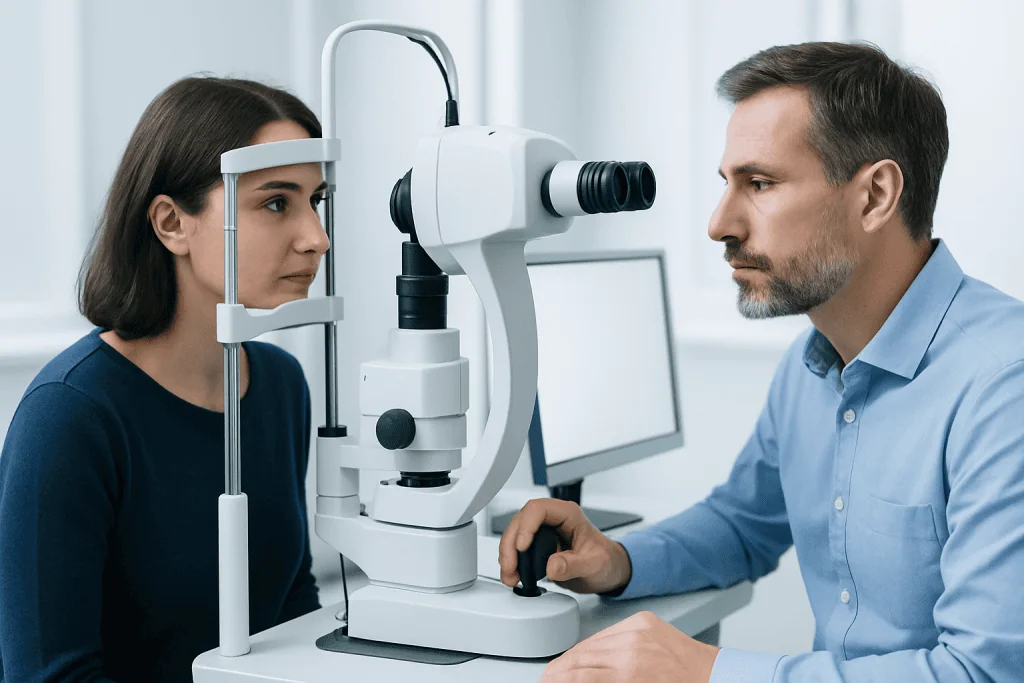
An ophthalmologist begins with a detailed history, including when the movements started, whether they are constant or intermittent, family history, medications, visual symptoms and any dizziness or balance concerns. The eye examination assesses visual acuity, eye alignment, the direction and pattern of movement, retinal and optic nerve health, and whether there is a null point or significant head posture.
Testing may include refraction to determine whether glasses can sharpen vision, imaging of the retina, visual field testing, and specialized measurements of eye movements. Children may need assessment for conditions affecting the retina, optic nerve or visual development. Adults with new nystagmus may also need neurological examination, hearing or vestibular testing, blood tests, or brain imaging when clinically indicated.
Eye-muscle surgery is generally considered when a consistent head turn, chin position or tilt is causing discomfort or limiting function, or when surgery may improve the useful range of vision. It is not suitable for every type of nystagmus, and an eye specialist should explain what improvement is realistic for the individual.
A multidisciplinary assessment can be valuable when symptoms involve both vision and balance. For example, vertigo-related conditions may need evaluation alongside vertigo care, while neurological symptoms require prompt review by the appropriate specialist.
Nystagmus Surgery: Step by Step and Expected Results
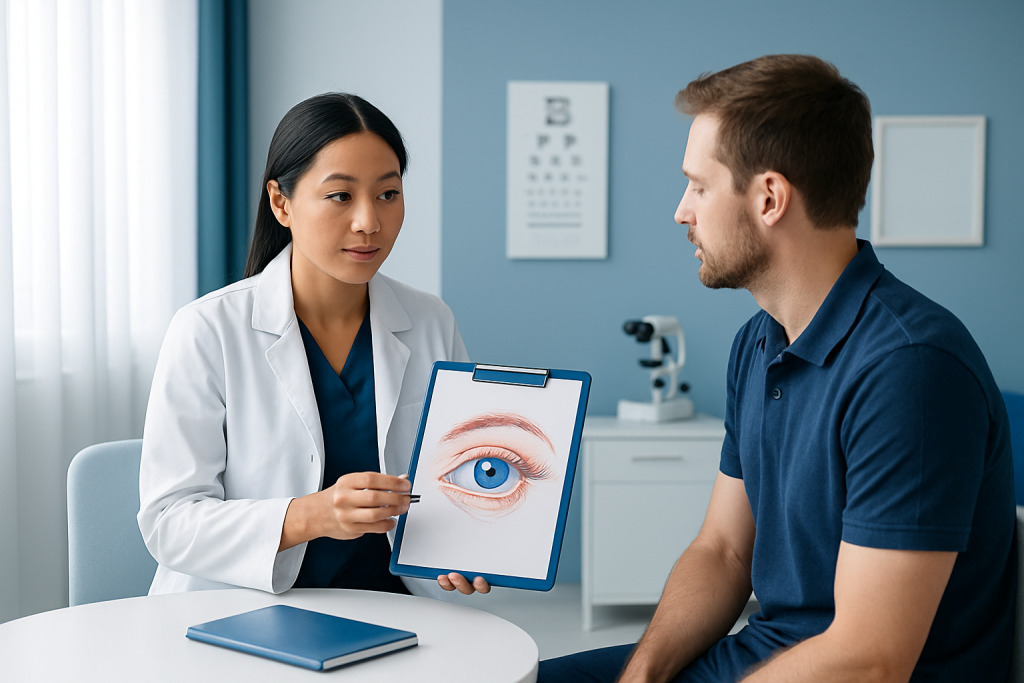
Nystagmus surgery is most often eye-muscle surgery. Rather than operating on the eye itself, the surgeon adjusts selected muscles on the outside of the eye to shift the null point closer to straight-ahead gaze or to reduce an associated eye misalignment. This can allow a person to hold the head in a more comfortable, natural position when looking ahead.
Before surgery, the ophthalmic team measures eye movements, alignment and head posture carefully, sometimes over more than one visit. The procedure is usually performed under general anesthesia in children and may be performed with general or local anesthesia with sedation in selected adults. The surgeon makes a small incision in the tissue covering the eye, repositions or shortens selected muscles, and closes the area with fine stitches.
The goal is functional improvement, not necessarily complete stopping of eye movements. Benefits may include less head turn, improved comfort, a wider area of relatively clearer vision, better eye alignment, and sometimes a modest improvement in visual acuity. Outcomes vary because nystagmus has many causes and because visual clarity also depends on the retina, optic nerve and brain-based visual processing.
People considering surgery can discuss eye-muscle surgery for alignment and head posture with an ophthalmologist experienced in pediatric or adult motility disorders. In some cases, further treatment or an adjustment procedure may be needed if alignment or head posture changes over time.
Recovery, Benefits and Risks of Nystagmus Surgery
After eye-muscle surgery, the eye may be red, watery, mildly swollen or sore for several days. A gritty sensation and light sensitivity are also common during early healing. The care team may recommend prescribed eye drops or ointment, temporary activity restrictions and follow-up visits to check healing, eye alignment and visual function.
Many people return to light daily activities within several days, while visible redness can take a few weeks to settle. Recovery timelines differ with age, the muscles treated, the surgical technique and individual healing. The surgeon will provide specific guidance about school, work, swimming, contact lens use and exercise.
Potential benefits include improved head posture, reduced neck strain, improved appearance of eye alignment where relevant, and a more comfortable forward gaze. Potential risks include infection, bleeding, scarring, temporary or persistent double vision, undercorrection or overcorrection of alignment, and the possibility that symptoms or head posture may not improve as hoped. Serious complications are uncommon, but all surgical risks should be reviewed before consent.
Non-surgical options remain important before and after surgery. These can include accurate glasses or contact lens correction, tinted lenses for glare sensitivity, visual aids, occupational support, and treatment for a specific underlying cause. In selected acquired cases, medicines may be considered by an appropriate specialist, balancing possible benefit against side effects.
Can Nystagmus Get Better?
Nystagmus can get better in some situations, particularly when it is caused by a treatable factor such as a medication effect, certain vestibular disorders, inflammation or a correctable visual problem. The amount and speed of improvement depend on the underlying cause. A clinician can advise whether the pattern is likely to be temporary, stable or progressive.
Infantile nystagmus often persists, but its day-to-day effect can change as a child grows, visual needs evolve and helpful strategies are introduced. Vision may improve with proper refractive correction, management of coexisting eye conditions and support for learning. Some people also find that fatigue, stress, illness or visual concentration makes the movements more noticeable temporarily.
Even when the movements themselves do not disappear, treatment may improve practical vision and comfort. Addressing a null point, reducing glare, using magnification where needed and adapting work or school environments can make a meaningful difference. Regular eye care helps ensure new visual concerns are not overlooked.
Can You Live a Normal Life With Nystagmus?
Many people with nystagmus live active, independent lives. They may attend school, work in a wide range of roles, use digital devices, travel and participate in hobbies and sports. The level of impact varies, mainly according to visual acuity, sensitivity to glare, depth perception, balance symptoms and whether another eye or neurological condition is present.
Practical adjustments can support daily function. These may include using the best optical correction, choosing good lighting, increasing text size or contrast, taking visual breaks, and positioning screens or reading materials at the most comfortable angle. Children may benefit from seating arrangements and educational support that allow clear access to classroom materials.
Driving eligibility depends on local law and measured visual standards, not on the diagnosis alone. A person with nystagmus should discuss vision requirements with their eye specialist and follow local licensing guidance. Anyone who experiences fluctuating vision, dizziness or double vision should avoid driving until assessed.
Is Nystagmus Something to Worry About?
Long-standing nystagmus that has already been assessed is often manageable and does not automatically indicate a dangerous condition. However, it deserves appropriate eye care because it can be associated with vision problems that may benefit from treatment or support. Follow-up is especially important for children, whose visual development should be monitored.
New nystagmus in an adult, or a clear sudden change in established eye movements, should be assessed promptly. It may occur with inner-ear conditions, medication effects, migraine, neurological disorders or other causes. The presence of associated symptoms helps guide how urgently care is needed.
Seek emergency medical care for sudden eye movements accompanied by weakness or numbness on one side, facial drooping, difficulty speaking, severe new headache, fainting, confusion, inability to walk, chest pain or sudden loss of vision. These symptoms can have causes that require urgent evaluation.
When to Seek Medical Care
A baby or child with rhythmic eye movements should be examined by an eye specialist, particularly if the movements begin in the first months of life, seem to worsen, or occur with poor visual attention, light sensitivity or an unusual head posture. Early assessment can identify treatable visual conditions and provide support during visual development.
Adults should arrange medical assessment for newly noticed nystagmus, persistent dizziness, imbalance, double vision, new hearing symptoms or a change in vision. A clinician can determine whether the pattern is related to the eyes, inner ear, medication or nervous system and coordinate testing where needed.
Acibadem International’s multidisciplinary specialists and JCI-accredited hospitals can assess and treat nystagmus and related visual or balance concerns for international patients. Care plans may involve ophthalmology, neurology, otolaryngology and rehabilitation services depending on the suspected cause.
Frequently asked questions
What is the success rate of nystagmus surgery?
There is no single success rate because surgery is performed for different patterns of nystagmus and different goals. It is most reliably used to improve an abnormal head posture or bring a null point closer to straight-ahead gaze; it may also improve comfort and functional vision. It usually does not completely stop nystagmus, and the surgeon can explain likely benefits based on individual measurements.
Can you live a normal life with nystagmus?
Yes. Many people with nystagmus lead full, independent lives, although some need visual aids, workplace or school adjustments, or treatment for related conditions. The impact differs from person to person and is influenced by visual acuity, glare sensitivity, balance symptoms and the underlying cause.
Is nystagmus something to worry about?
Nystagmus that began in infancy and has been properly evaluated is often a long-term but manageable condition. New or sudden nystagmus, especially with dizziness, weakness, severe headache, double vision or problems with speech or walking, needs urgent medical assessment. Any new visual symptom should be discussed with a clinician.
Can nystagmus get better?
It can improve when the underlying cause is treatable, such as a medication effect or certain inner-ear disorders. Long-standing infantile nystagmus may not disappear, but glasses, visual support and, in selected cases, surgery can improve functional vision, comfort or head posture. An eye specialist can assess what improvement is realistic.
Are glasses helpful for nystagmus?
Glasses are helpful when refractive error such as short-sightedness, long-sightedness or astigmatism contributes to reduced vision. They do not usually stop the eye movements, but clearer vision can improve daily functioning. Contact lenses may be useful for some people and should be discussed with an eye-care professional.
What type of doctor treats nystagmus?
An ophthalmologist, particularly one with expertise in pediatric ophthalmology, strabismus or neuro-ophthalmology, commonly evaluates nystagmus. Depending on symptoms and cause, a neurologist, otolaryngologist or vestibular specialist may also be involved. Coordinated care is particularly useful for newly acquired nystagmus or nystagmus with balance symptoms.
References
- American Academy of Ophthalmology
- National Eye Institute
- NHS
- American Association for Pediatric Ophthalmology and Strabismus
- Merck Manual Consumer Version
This article is for general information only and is not a substitute for professional medical advice. Please consult a qualified doctor about your individual situation.
Joint and spine care in Turkey — expert assessment & treatment
JCI-accredited · board-certified surgeons · reply within 24h
Add us as a Preferred Source to see more of our trusted health content across Google Search, AI Overviews and Discover.