Oatmeal Bath — Explained by Medical Evidence, Not Myths

An oatmeal bath may help relieve itching, dryness, and mild skin irritation. Colloidal oatmeal is the preferred form because it disperses evenly in water and coats the skin.
Key Takeaways
- An oatmeal bath may help relieve itching, dryness, and mild skin irritation.
- Colloidal oatmeal is the preferred form because it disperses evenly in water and coats the skin.
- It is supportive care, not a cure, and works best alongside a doctor’s treatment plan when needed.
- Lukewarm water and short soaking times are usually gentler on the skin than hot baths.
- Medical review is important if symptoms are severe, infected, widespread, or not improving.
An oatmeal bath is a simple skin-soothing soak made with finely ground or colloidal oatmeal. Medical evidence supports its use for dry, itchy, and irritated skin because it helps protect the skin barrier, hold moisture, and reduce irritation.
What an Oatmeal Bath Really Is
An oatmeal bath is a bath made with very finely ground oats, ideally colloidal oatmeal, mixed into lukewarm water. It is used to calm dry, itchy, or inflamed skin. Unlike many home remedies that rely on tradition alone, oatmeal bath use has a medical basis: oat compounds can help support the skin barrier, reduce water loss, and soothe irritation.
The main reason it helps is not that it “pulls out toxins” or “detoxes” the body. Instead, colloidal oatmeal forms a protective layer on the skin, attracts and holds moisture, and contains natural substances with anti-inflammatory and antioxidant effects. This makes it a practical option for symptom relief in conditions that cause itching or irritation.
An oatmeal bath is most often used as comfort care for dry skin, eczema-prone skin, mild rashes, or skin discomfort after environmental exposure. It can also be useful when skin feels tight, rough, or sensitive. However, it should not replace medical evaluation when symptoms are severe, persistent, or unusual.
How Oatmeal Helps the Skin
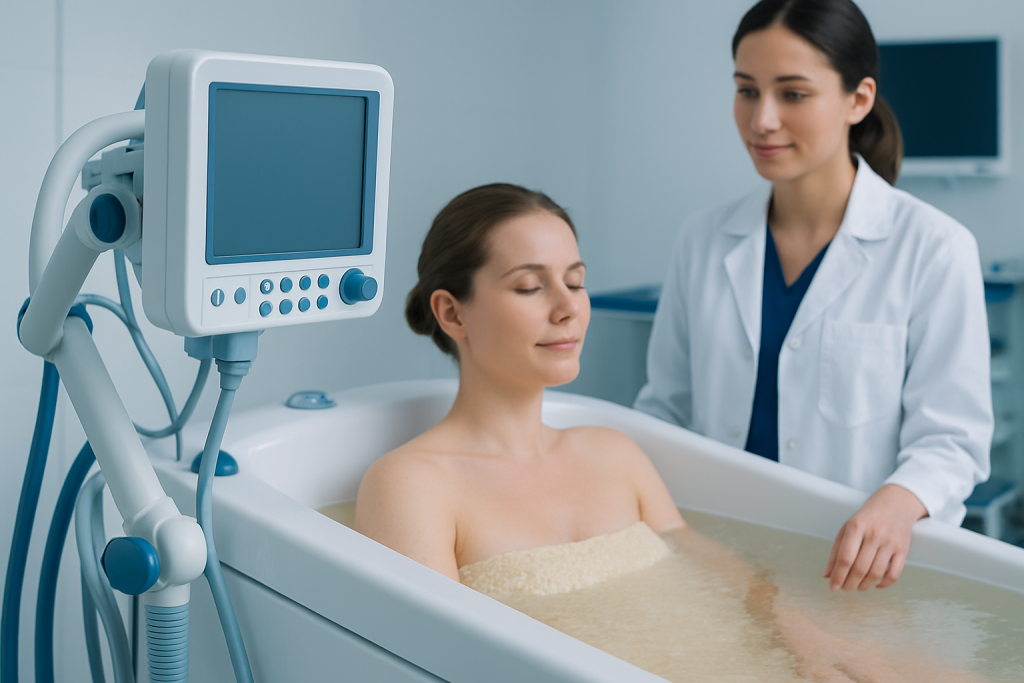
Oats contain beta-glucans, starches, lipids, and antioxidant compounds that can benefit the outer layer of the skin. These components help reduce dryness by improving moisture retention and supporting the skin’s natural barrier. When the barrier is stronger, the skin is less likely to feel itchy, cracked, or easily irritated.
Colloidal oatmeal also has soothing properties that may help decrease the sensation of itching. This is especially relevant in dry-skin states and inflammatory skin conditions, where itching can lead to scratching and further damage. By reducing irritation, oatmeal may help interrupt this cycle and make the skin more comfortable.
Another important point is that oatmeal baths are generally gentle when prepared correctly. They are usually better tolerated than heavily fragranced bath products, bubble baths, or harsh cleansers, which may worsen skin irritation. For this reason, oatmeal is often included in skin-care products designed for sensitive skin.
Even so, “natural” does not automatically mean suitable for everyone. People with known oat allergy, very broken skin, or uncertain rashes should ask a clinician before trying it, especially for infants, older adults, or anyone with widespread skin disease.
When an Oatmeal Bath May Be Helpful

An oatmeal bath may be helpful for symptoms rather than for a single diagnosis. It is commonly used when skin is itchy, dry, rough, mildly inflamed, or uncomfortable. People often find it useful during flare-ups of skin sensitivity, in cold or dry weather, or after exposures that leave the skin irritated.
It may be recommended as part of self-care for conditions such as eczema, also called atopic dermatitis, where the skin barrier is weaker and itching is common. In that setting, oatmeal can complement standard skin care such as gentle cleansing and regular moisturizing. Readers who want to understand this condition further may find atopic dermatitis helpful background.
Some people also use oatmeal baths for mild irritation related to contact triggers, dry winter skin, or temporary itching during recovery from minor skin stress. It may soothe discomfort in people with sensitive skin, although the exact benefit can vary from person to person.
However, oatmeal baths are not the right approach for every rash. Skin symptoms can be caused by infection, allergies, inflammatory disease, medication reactions, or other conditions that need targeted treatment. If symptoms are unclear or worsening, a clinical diagnosis is more useful than trying multiple home remedies.
How to Make and Use an Oatmeal Bath Safely
The preferred option is colloidal oatmeal, which is processed to disperse well in water. Plain, unflavored oats that are ground into a very fine powder may also be used, but they should be finely milled so they do not sit in clumps or act like a rough scrub. Products with added fragrance, sugars, or flavorings should be avoided.
To prepare the bath, the water should be lukewarm rather than hot, because heat can worsen dryness and itching. The oatmeal should mix into the water so the bath looks milky and feels silky rather than gritty. Soaking is usually kept brief, often around 10 to 15 minutes, to avoid over-drying the skin.
After the bath, the skin should be patted dry gently instead of rubbed. A fragrance-free moisturizer should then be applied while the skin is still slightly damp to help lock in moisture. This step is important because bathing alone, even with oatmeal, will not fully protect the skin barrier unless moisture is replaced afterward.
- Use lukewarm water, not hot water.
- Choose colloidal oatmeal or very finely ground plain oats.
- Avoid vigorous scrubbing.
- Pat the skin dry gently.
- Apply a bland moisturizer soon after the bath.
- Be careful when standing up, as the tub may become slippery.
Limits, Risks, and Common Myths
One of the most common myths is that an oatmeal bath can treat any rash. In reality, it may soothe symptoms, but it does not diagnose or cure the underlying cause. If a rash is due to bacterial infection, fungal infection, scabies, or a significant allergic reaction, more specific treatment is needed.
Another myth is that more is always better. Very frequent bathing, long soaking, or using water that is too hot can strip natural oils from the skin and make symptoms worse. In some people, repeated exposure to any product, including natural products, may also lead to irritation.
There is also a small risk of allergy or sensitivity. People with a known oat allergy should not use an oatmeal bath unless a doctor advises otherwise. If the skin stings more, becomes redder, develops swelling, or symptoms clearly worsen after use, it is best to stop and seek medical advice.
Finally, oatmeal baths should not be applied to severe open wounds or used as a substitute for prescribed care in chronic skin disease. When a skin condition needs specialist assessment, evaluation by a dermatologist and treatments such as dermatology care may be the more appropriate next step.
How It Fits Into a Medical Treatment Plan
From a medical perspective, an oatmeal bath is best seen as supportive skin care. It may reduce discomfort and improve day-to-day symptom control, but it works best when combined with an overall plan based on the cause of the skin problem. That plan may include trigger avoidance, gentle cleansers, regular moisturizers, and prescribed medicines when necessary.
For example, in eczema-prone skin, moisturization and anti-inflammatory treatment may be more important than the bath itself. In other cases, a clinician may recommend allergy review, infection treatment, or a different diagnosis altogether. If the itching is intense, widespread, or recurrent, a medical visit can help clarify the reason.
People with persistent rashes, scaling, or recurrent flare-ups may need a broader assessment of skin health. Some conditions can look similar but require different management, such as psoriasis or other inflammatory skin diseases. In those situations, symptom relief from an oatmeal bath can be useful, but it should not delay diagnosis.
When specialized care is needed, options may include allergy evaluation for suspected triggers or a structured skin-care plan developed by a clinician. Near the end of the care pathway, Acibadem International’s multidisciplinary specialists in JCI-accredited hospitals diagnose and treat skin-related conditions for international patients.
When to Seek Medical Care
Medical care should be sought if itching or rash is severe, spreading quickly, interfering with sleep, or not improving with basic skin care. It is also important to seek help if the skin becomes painful, warm, swollen, or starts to ooze, as these can suggest infection or a more significant inflammatory problem.
Children, older adults, and people with chronic illnesses may need earlier assessment because their skin can be more vulnerable. A doctor should also review symptoms if there is fever, a new medication exposure, facial swelling, trouble breathing, or signs of dehydration. These symptoms need prompt attention and should not be managed as a simple home-care issue.
If the skin problem keeps returning, appears in the same places, or is associated with known triggers, a clinician can help identify the cause and recommend prevention strategies. In some cases, referral for specialist dermatology assessment is the most practical next step.
Frequently asked questions
What does an oatmeal bath do for the skin?
An oatmeal bath can help soothe dry, itchy, and irritated skin. It works mainly by supporting the skin barrier, holding moisture at the skin surface, and calming mild inflammation.
Is colloidal oatmeal better than regular oatmeal?
Yes, colloidal oatmeal is usually preferred because it is processed into a fine form that mixes evenly with bathwater and coats the skin more effectively. Regular oats can be used if ground very finely, but coarse oatmeal may be messy and less comfortable.
How long should someone stay in an oatmeal bath?
A short soak is generally best, often about 10 to 15 minutes. Staying too long in water can sometimes dry the skin further, especially if the water is hot.
Can an oatmeal bath treat eczema?
It can help relieve eczema symptoms such as itch and dryness, but it does not cure eczema. Most people need a broader skin-care routine that may include moisturizers and, when prescribed, anti-inflammatory treatment.
Are oatmeal baths safe for children?
They are often used for children with dry or itchy skin, but care should be taken to use lukewarm water and avoid slipping in the tub. If a child has severe rash, broken skin, fever, or worsening symptoms, a doctor should be consulted.
Can someone be allergic to an oatmeal bath?
Yes, although it is not common, people with an oat allergy or sensitivity may react to oatmeal on the skin. If redness, swelling, stinging, or worsening itching happens after use, it is best to stop and seek medical advice.
This article is for general information only and is not a substitute for professional medical advice. Please consult a qualified doctor about your individual situation.
Explore treatments in Turkey — costs, top hospitals & a free quote
JCI-accredited · board-certified surgeons · reply within 24h
Add us as a Preferred Source to see more of our trusted health content across Google Search, AI Overviews and Discover.

More from the Health Library

Sedentary Lifestyle: A Complete Medical Overview

Kt Tape Shoulder: An Evidence-Based Guide for Patients

Swelling Inside Earlobe — Explained by Medical Evidence, Not Myths

Queasy and Light Headed: An Evidence-Based Guide for Patients

Malingering: A Complete Medical Overview