Obgyn: A Complete Medical Overview

Obgyn combines obstetrics, which focuses on pregnancy and childbirth, with gynecology, which focuses on reproductive and pelvic health. Routine obgyn visits support prevention through screenings, contraception counseling, menstrual care, and menopause guidance.
Key Takeaways
- Obgyn combines obstetrics, which focuses on pregnancy and childbirth, with gynecology, which focuses on reproductive and pelvic health.
- Routine obgyn visits support prevention through screenings, contraception counseling, menstrual care, and menopause guidance.
- An obgyn evaluates symptoms such as abnormal bleeding, pelvic pain, unusual discharge, fertility concerns, and pregnancy-related issues.
- Diagnosis may include a medical history, physical exam, pelvic exam, ultrasound, lab tests, and cervical cancer screening.
- Treatment ranges from lifestyle guidance and medication to minimally invasive procedures and surgery, depending on the condition.
Obgyn refers to obstetrics and gynecology, the medical specialty that cares for reproductive health, pregnancy, childbirth, and many conditions affecting the female reproductive system. An obgyn physician provides preventive screening, diagnosis, treatment, and long-term care across different life stages, from adolescence through menopause and beyond.
What obgyn means and what it covers
Obgyn is short for obstetrics and gynecology. Obstetrics focuses on pregnancy, prenatal care, childbirth, and the period after delivery. Gynecology focuses on the health of the reproductive organs, menstrual cycles, contraception, sexual health, fertility, menopause, and many non-pregnancy-related concerns.
An obgyn physician, also called an obstetrician-gynecologist, may provide both types of care. Some doctors focus mainly on gynecology, while others concentrate more on pregnancy and delivery. In daily practice, obgyn care often includes preventive visits, screening tests, treatment of common symptoms, and management of acute or long-term conditions.
This specialty is important because reproductive and pelvic health can change over time. Adolescents may need guidance for menstrual problems, adults may seek contraception or pregnancy care, and older adults may need support for menopause, pelvic floor symptoms, or cancer screening. Obgyn care is designed to adapt to these changing needs with a whole-person approach.
How obgyn supports health across life stages
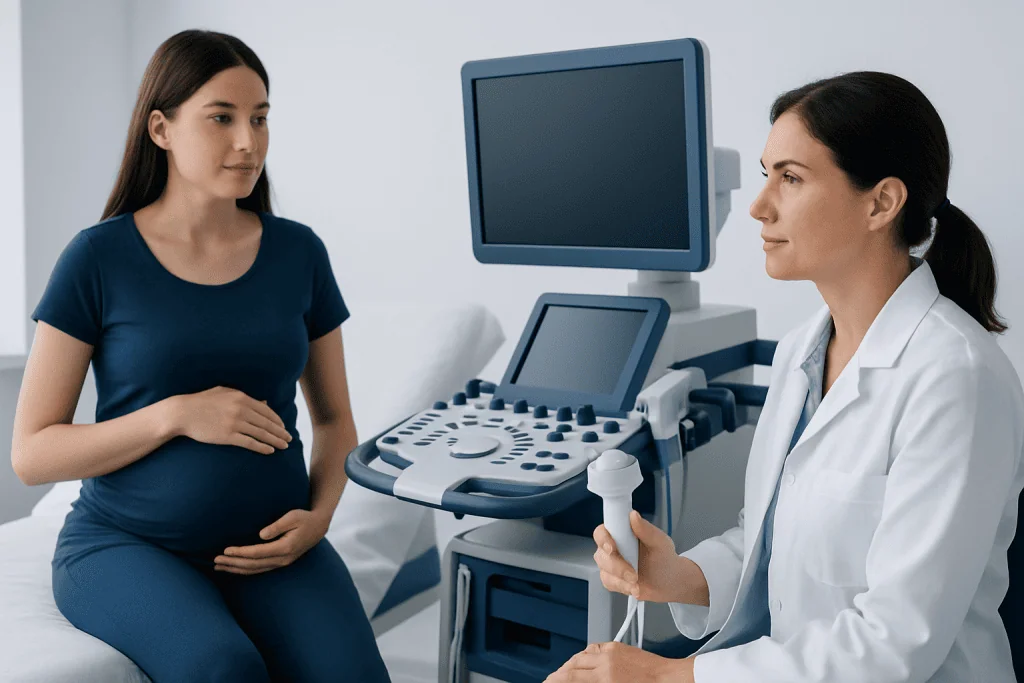
Obgyn care is not limited to pregnancy. It often begins in adolescence, when a young person may have questions about periods, severe cramps, acne linked to hormones, or concerns about cycle irregularity. Early visits are usually focused on education, symptom review, and preventive care rather than invasive testing.
During the reproductive years, common reasons to see an obgyn include contraception counseling, preconception planning, routine cervical screening, sexually transmitted infection testing, evaluation of pelvic pain, and support for fertility concerns. Pregnancy care also falls within this stage and may include routine prenatal visits, fetal monitoring, screening for complications, and postpartum follow-up.
Later in life, obgyn care often shifts toward perimenopause and menopause symptoms, bone and heart health counseling, evaluation of abnormal bleeding, pelvic organ support problems, and cancer screening. Some patients also need coordinated care for conditions such as ovarian cancer or abnormal cervical findings. By following patients over time, obgyn specialists can recognize patterns and tailor care to age, symptoms, goals, and overall health.
Common symptoms and conditions an obgyn evaluates
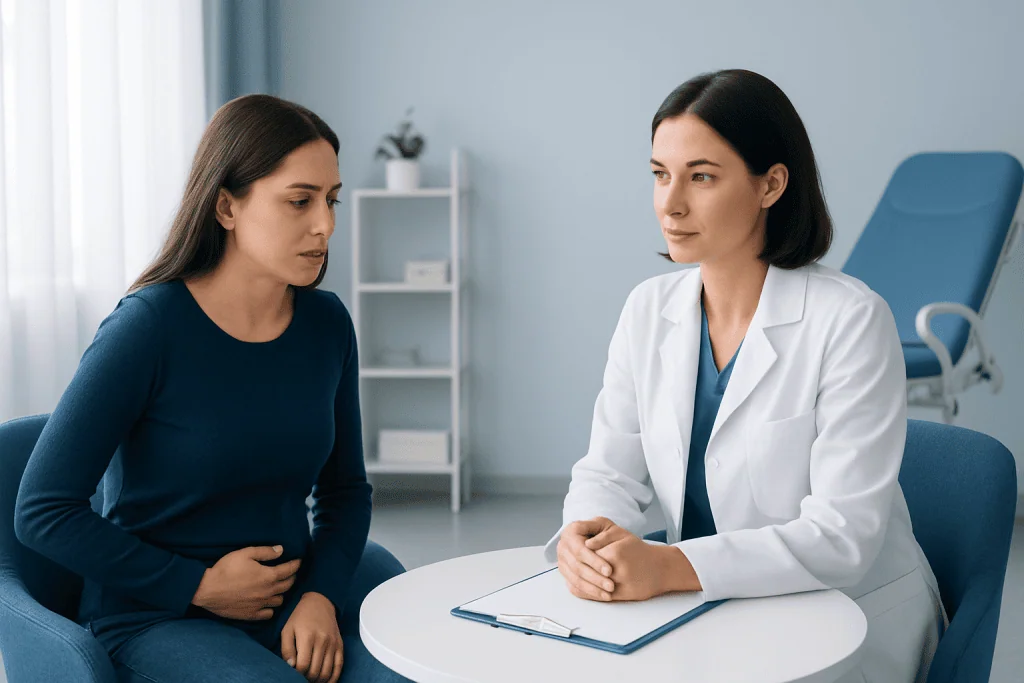
People often think of obgyn only when they are pregnant, but many other symptoms may need assessment. An obgyn commonly evaluates heavy periods, missed periods, irregular cycles, severe menstrual pain, bleeding between periods, bleeding after menopause, pelvic pressure, pain during sex, vaginal dryness, unusual discharge, itching, or sores.
Other reasons for referral include fertility difficulties, recurrent pregnancy loss, urinary leakage, pelvic organ prolapse, breast concerns, and chronic pelvic pain. During pregnancy, warning symptoms can include bleeding, severe vomiting, decreased fetal movement, severe headache, swelling, or signs of early labor. Many of these symptoms have treatable causes, but they should be assessed rather than ignored.
Conditions managed in obgyn include fibroids, ovarian cysts, endometriosis, polycystic ovary syndrome, infections, menopause-related symptoms, and cancers of the reproductive organs. Depending on the concern, an obgyn may also coordinate care with specialists in endocrinology, oncology, urology, colorectal surgery, radiology, or maternal-fetal medicine.
- Menstrual and hormonal concerns
- Contraception and sexual health
- Pregnancy and postpartum care
- Fertility evaluation
- Pelvic floor disorders
- Benign and cancerous gynecologic conditions
How an obgyn visit and diagnosis usually work
An obgyn assessment usually starts with a detailed medical history. The doctor may ask about menstrual patterns, pregnancies, medications, surgeries, family history, contraception, sexual health, pain, bleeding, discharge, and any symptoms affecting daily life. These questions help narrow the possible causes and guide the need for tests.
A physical examination may include blood pressure, abdominal examination, breast examination, and pelvic examination, depending on the reason for the visit and the patient’s age, symptoms, and comfort. Not every visit requires a pelvic exam. When it is needed, the doctor explains the process and aims to make it as comfortable as possible.
Tests may include cervical screening, vaginal or cervical swabs, pregnancy testing, urine testing, blood tests for hormones or anemia, and imaging such as pelvic ultrasound. In some cases, more specialized procedures are recommended, including colposcopy, hysteroscopy, or biopsy. If surgery or advanced imaging is needed, the obgyn may discuss options such as MRI or ultrasound as part of the evaluation.
The goal of diagnosis is not just to name a condition but to understand how it affects the patient’s health, fertility plans, quality of life, and long-term risks. This allows care to be individualized rather than based on symptoms alone.
Treatment options in obgyn
Obgyn treatment depends on the diagnosis, symptom severity, age, and personal goals. For many conditions, first-line care may include education, watchful follow-up, symptom tracking, and lifestyle measures. For example, menstrual symptoms may improve with cycle management strategies, while menopausal symptoms may respond to non-hormonal support or hormone-based treatment when appropriate.
Medication may be used for pain relief, infections, heavy bleeding, hormonal imbalance, endometriosis symptoms, or fertility-related concerns. Contraceptive methods may be recommended not only to prevent pregnancy but also to treat bleeding disorders, cramps, acne, or cycle irregularity. During pregnancy, treatment plans are selected carefully to balance maternal and fetal safety.
Procedures and surgery are sometimes necessary. These may include colposcopy, removal of polyps, treatment of precancerous cervical changes, hysteroscopy, laparoscopy, myomectomy, or hysterectomy. Conditions such as endometriosis may require a combination of medical and surgical care, while uterine fibroids may be assessed with options including robotic surgery in selected cases.
When cancer is suspected or confirmed, care is usually provided by a multidisciplinary team. This may involve gynecologic oncology, pathology, radiology, surgery, and medical treatments such as chemotherapy when indicated. The right plan depends on accurate diagnosis, stage, symptoms, and the patient’s broader health needs.
Prevention, routine screening, and self-care
Preventive obgyn care helps detect problems early and supports reproductive wellness before symptoms appear. Routine visits may include cervical cancer screening, contraception review, sexually transmitted infection assessment when appropriate, vaccination counseling, breast awareness guidance, and support for healthy pregnancy planning. Screening schedules vary by age, medical history, and national guidelines.
Self-care also matters. Keeping track of menstrual cycles, bleeding patterns, pain episodes, and pregnancy symptoms can help patients notice changes early. A balanced diet, physical activity, adequate sleep, stress management, smoking avoidance, and safer sex practices all contribute to reproductive and overall health.
Preconception care is another important part of prevention. People planning a pregnancy may benefit from review of medications, chronic health conditions, vaccinations, and nutritional support before conception. Those with a family history of cancer, clotting disorders, or early menopause may also need earlier or more tailored assessment.
Patients should feel comfortable asking about symptoms that seem minor or embarrassing. Early discussion can prevent delays in care and may reduce complications from infections, anemia, pregnancy problems, or untreated pelvic conditions.
When to seek medical care
It is sensible to arrange an obgyn visit for persistent or unexplained symptoms such as heavy bleeding, missed periods without a clear reason, severe cramps, pelvic pain, pain with sex, unusual discharge, genital sores, urinary leakage, or difficulty becoming pregnant. Bleeding after menopause should always be assessed. Pregnancy-related concerns, including bleeding, severe headache, reduced fetal movement, or possible early labor, also need prompt medical advice.
Urgent medical care may be needed for severe abdominal or pelvic pain, fainting, very heavy bleeding, signs of ectopic pregnancy, high fever, or sudden swelling and severe headache during pregnancy. These symptoms can have different causes, but they should not be self-treated without professional evaluation.
For patients who need coordinated international care, Acibadem International’s multidisciplinary specialists and JCI-accredited hospitals diagnose and treat gynecologic and obstetric conditions for international patients. Even so, the first step is always timely assessment by a qualified clinician who can decide whether monitoring, testing, or urgent treatment is most appropriate.
Frequently asked questions
What is the difference between obstetrics and gynecology?
Obstetrics focuses on pregnancy, childbirth, and care after delivery. Gynecology focuses on reproductive health outside pregnancy, including menstrual problems, contraception, pelvic pain, menopause, and screening.
When should someone start seeing an obgyn?
A first visit may be helpful in adolescence if there are menstrual concerns, severe cramps, questions about puberty, or a need for sexual health advice. A person does not need to be sexually active to see an obgyn, and early visits are often educational and preventive.
Does every obgyn appointment include a pelvic exam?
No. The need for a pelvic exam depends on the reason for the visit, the person's age, symptoms, and screening needs. Many appointments focus on discussion, preventive care, test review, or pregnancy follow-up without requiring a pelvic exam.
Can an obgyn help with fertility concerns?
Yes. An obgyn can begin the evaluation of infertility by reviewing menstrual history, ovulation patterns, prior pregnancies, medical conditions, and basic test results. Depending on the findings, the doctor may start treatment or refer to a fertility specialist.
What symptoms should not be ignored?
Heavy bleeding, severe pelvic pain, bleeding after menopause, unusual discharge with fever, missed periods with pain, and pregnancy-related bleeding should all be assessed. Sudden severe pain, fainting, or signs of pregnancy complications may require urgent care.
How often are routine obgyn checkups needed?
The timing varies by age, symptoms, pregnancy status, screening schedule, and personal risk factors. Many people benefit from regular preventive visits, but the exact interval should be based on a doctor's advice and current health needs.
References
- American College of Obstetricians and Gynecologists
- Centers for Disease Control and Prevention
- World Health Organization
- Office on Women's Health
- National Institute for Health and Care Excellence
This article is for general information only and is not a substitute for professional medical advice. Please consult a qualified doctor about your individual situation.
IVF & fertility treatment in Turkey — success rates and costs
JCI-accredited · board-certified surgeons · reply within 24h
Add us as a Preferred Source to see more of our trusted health content across Google Search, AI Overviews and Discover.
Check your numbers in seconds
BMI, calories, due date, blood pressure and 30+ more clinical calculators — free, instant, doctor-reviewed ranges.