Obinutuzumab: A Complete Medical Overview

Obinutuzumab is a targeted anti-CD20 antibody, not traditional chemotherapy. It is used for selected conditions such as chronic lymphocytic leukemia, some non-Hodgkin lymphomas, and in some cases lupus nephritis.
Key Takeaways
- Obinutuzumab is a targeted anti-CD20 antibody, not traditional chemotherapy.
- It is used for selected conditions such as chronic lymphocytic leukemia, some non-Hodgkin lymphomas, and in some cases lupus nephritis.
- Treatment is given by IV infusion, often alongside other medicines, with premedication to reduce infusion reactions.
- Common concerns include infusion reactions, infections, low blood counts, and hepatitis B reactivation in at-risk patients.
- Regular blood tests and follow-up visits are important throughout treatment.
Obinutuzumab is a monoclonal antibody medicine used to treat certain blood cancers and, in some settings, autoimmune kidney disease. It works by targeting CD20 on B cells, and it is usually given by intravenous infusion with careful monitoring for infusion reactions, infections, and blood count changes.
Overview: what obinutuzumab is and what it treats
Obinutuzumab is a prescription biologic medicine called a monoclonal antibody. It is designed to attach to a protein called CD20 found on the surface of B lymphocytes, a type of white blood cell. By targeting these cells, obinutuzumab can help control diseases in which abnormal or overactive B cells play a central role.
It is most commonly used for certain blood cancers, especially <a href="https://acibademinternational.com/diseases/chronic-lymphocytic-leukemia/”>chronic lymphocytic leukemia and some forms of non-Hodgkin lymphoma. In selected patients, it may also be used in immune-mediated disease such as lupus nephritis, where reducing harmful B-cell activity can help protect the kidneys. The exact use depends on the diagnosis, stage of disease, previous treatments, and the person’s overall health.
Obinutuzumab is not taken as a pill at home. It is given through a vein as an infusion in a hospital or infusion center, where a care team can monitor for reactions and adjust treatment if needed. Many people receive it as part of a treatment plan that may also include other anti-cancer drugs, steroids, or supportive medicines.
How obinutuzumab works in the body
Obinutuzumab belongs to a group of medicines known as anti-CD20 therapies. After it binds to CD20 on B cells, it helps the immune system recognize and destroy those cells. It can also directly trigger cell death. This targeted mechanism is different from traditional chemotherapy, which affects many fast-growing cells throughout the body.
Because it reduces B cells, obinutuzumab can be helpful in conditions where these cells are cancerous or are contributing to harmful immune activity. At the same time, lowering B-cell numbers can increase the risk of infection and may temporarily affect how the body responds to vaccines. That is why treatment planning usually includes infection screening, blood tests, and discussion of vaccination timing.
Patients often hear obinutuzumab discussed alongside other CD20-targeting medicines. While these medicines share a broad purpose, they are not identical in structure, dosing schedule, or approved uses. A specialist chooses among them based on the specific condition, prior therapies, coexisting health issues, and the goals of treatment.
Who may receive obinutuzumab

Doctors may recommend obinutuzumab for adults with certain B-cell cancers or immune-related kidney disease when clinical guidelines and the person’s health profile suggest it is appropriate. Common oncology uses include chronic lymphocytic leukemia and selected types of lymphoma. In kidney medicine, it may be considered in carefully selected cases of lupus nephritis as part of a broader treatment strategy.
Before starting treatment, the care team reviews medical history, current symptoms, prior cancer or immune therapies, and any history of infections. Conditions such as hepatitis B, repeated serious infections, severe lung disease, heart problems, or major immune suppression may affect whether obinutuzumab is a suitable option or whether extra monitoring is needed.
Pregnancy, breastfeeding, and future fertility plans should also be discussed before therapy begins. As with many immune-targeting medicines, doctors may advise avoiding pregnancy during treatment and for a period afterward. Decisions are individualized, so patients should ask their treating specialist how these precautions apply to their situation.
How treatment is given and what to expect during infusion
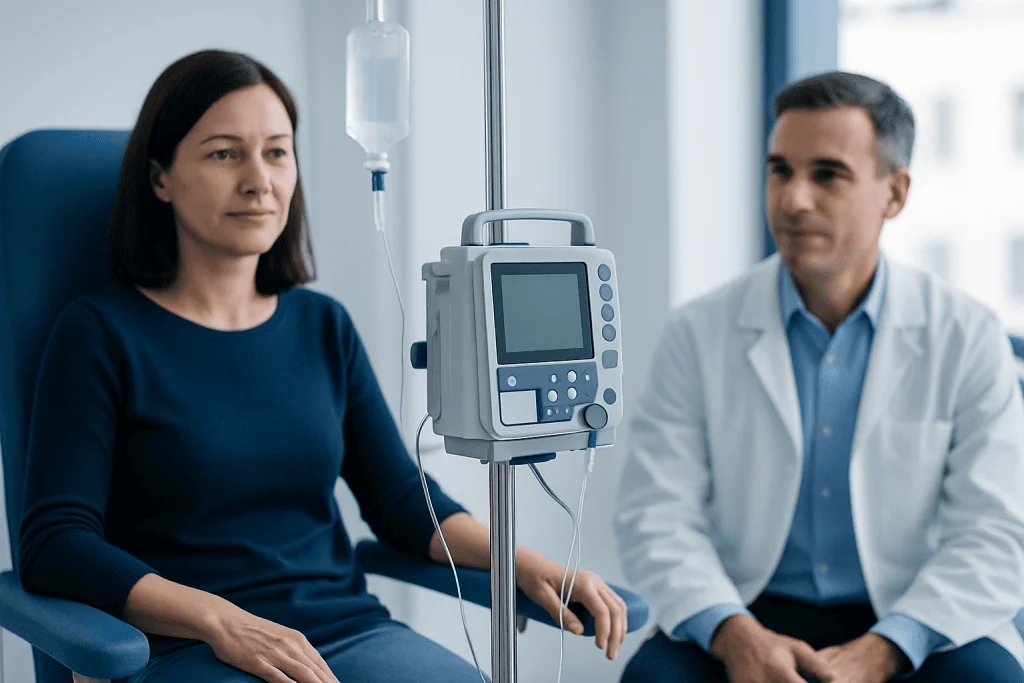
Obinutuzumab is administered by intravenous infusion according to a schedule set by the treating specialist. The first dose is often given more slowly because infusion-related reactions are more likely early in treatment. Later infusions may be given more quickly if the medicine has been tolerated well, but monitoring remains important throughout each session.
Before the infusion, patients commonly receive medicines such as acetaminophen, an antihistamine, and sometimes a corticosteroid to reduce the chance of a reaction. The care team checks vital signs and watches for symptoms such as fever, chills, flushing, rash, shortness of breath, chest discomfort, dizziness, or changes in blood pressure. If a reaction happens, the infusion may be paused, slowed, or treated with additional medications.
Obinutuzumab may be used alone in some situations, but many patients receive it together with other treatments, including chemotherapy or other oncology medicines. Depending on the diagnosis, supportive care may include hydration, infection prevention strategies, or tumor lysis monitoring. For many blood cancers, treatment planning takes place within a broader medical oncology program that coordinates infusions, laboratory follow-up, and symptom management.
Infusion visits can last several hours, especially at the beginning. It is often helpful for patients to bring a list of medications, wear comfortable clothing, and arrange transport if premedications may cause drowsiness. The treating team provides instructions about eating, drinking, and medicines to take or avoid before each visit.
Benefits, side effects, and important safety risks
The main goal of obinutuzumab treatment is to control disease by reducing harmful B cells. In cancer care, this may mean shrinking disease, improving remission rates, delaying progression, or helping other drugs work better. In immune-mediated kidney disease, the aim is to reduce inflammation and help preserve kidney function. The likely benefit varies from person to person, and doctors discuss it in the context of the individual diagnosis.
Common side effects can include infusion reactions, fatigue, fever, nausea, diarrhea, constipation, cough, low white blood cells, low platelets, and increased risk of infection. Not everyone experiences these effects, and many can be managed with close monitoring and supportive care. Blood tests are usually done regularly to look for changes that may not cause symptoms right away.
Some safety risks require special attention. Obinutuzumab can reactivate hepatitis B in people who have had prior infection, so screening is typically done before treatment. Rare but serious complications may include severe infections, tumor lysis syndrome, serious allergic reactions, and progressive multifocal leukoencephalopathy, a very uncommon brain infection. Although these problems are not common, patients should know what warning signs to report promptly.
Patients should tell their doctor about new fever, persistent cough, burning with urination, unusual bruising or bleeding, severe weakness, confusion, vision changes, or numbness. It is also important to mention planned vaccines, dental work, or other procedures. Live vaccines are generally avoided during periods of significant immune suppression unless a doctor specifically advises otherwise.
Tests, monitoring, and follow-up during treatment
Careful monitoring is an important part of safe obinutuzumab treatment. Before starting, doctors commonly order blood counts, kidney and liver tests, and infection screening, especially for hepatitis B. Depending on the condition being treated, additional testing may include imaging, bone marrow evaluation, kidney studies, or urine testing.
During treatment, regular follow-up helps the team judge both safety and effectiveness. Blood tests can identify low white cells, anemia, low platelets, or changes in liver and kidney function. Physical examination and symptom review help detect infection, treatment reactions, or signs that the disease is improving or needs a change in approach.
Monitoring may continue for some time after the last infusion because B-cell recovery can take months. For some patients, scans or repeat disease assessments are used to measure response. In a specialized center, this follow-up may be coordinated with services such as hematology and oncology nursing support so that treatment decisions can be adjusted promptly if needed.
Self-care and infection prevention during obinutuzumab therapy
Patients can support their treatment by paying attention to infection prevention and general health. Good hand hygiene, avoiding close contact with people who are clearly unwell, staying well hydrated, and getting enough rest are simple but useful steps. A balanced diet and light activity, when tolerated, may also help maintain strength during treatment.
Medication safety matters as well. Patients should keep an up-to-date list of all prescription drugs, over-the-counter medicines, vitamins, and herbal products, and share it with every clinician involved in their care. They should not start new medicines or vaccines without checking first, because some may interact with treatment plans or immune status.
Emotional support can be just as important as physical care. Receiving infusion treatment for cancer or autoimmune disease can feel overwhelming, especially when schedules, tests, and side effects are new. Practical planning, clear communication with the care team, and support from family, friends, or counseling services can make treatment easier to navigate.
Near the end of treatment planning, some patients choose centers that can coordinate specialist care across oncology, hematology, nephrology, and supportive services. Acibadem International’s multidisciplinary specialists and JCI-accredited hospitals diagnose and treat patients receiving therapies such as obinutuzumab, including international patients who need organized follow-up.
When to seek medical care
Patients should contact their treatment team promptly if they develop fever, chills, shortness of breath, chest pain, severe rash, worsening cough, painful urination, unusual bleeding, or symptoms of dehydration such as very low urine output. These may be signs of infection, an infusion reaction, or blood count changes that need medical attention.
Urgent care is especially important for severe weakness, confusion, trouble speaking, new vision problems, one-sided numbness, or a seizure. Although uncommon, neurological symptoms can signal a serious complication and should not be ignored. Patients should also call if side effects are persistent enough to interfere with eating, drinking, daily activities, or taking other necessary medicines.
Even if symptoms seem mild, it is better to ask than to wait. Early advice can help prevent complications and may allow side effects to be managed before they become more disruptive. Patients should use the emergency contact instructions provided by their treating clinic, especially after infusions and outside normal office hours.
Frequently asked questions
Is obinutuzumab chemotherapy?
Obinutuzumab is not traditional chemotherapy. It is a targeted monoclonal antibody that acts on CD20-positive B cells. However, it is sometimes given together with chemotherapy or other anti-cancer medicines.
What conditions is obinutuzumab used to treat?
Obinutuzumab is used for certain blood cancers, especially chronic lymphocytic leukemia and some forms of non-Hodgkin lymphoma. In some treatment settings, it may also be used for lupus nephritis. The exact indication depends on the person’s diagnosis and clinical situation.
What are the most common side effects of obinutuzumab?
Common side effects include infusion reactions, fatigue, fever, nausea, diarrhea, constipation, cough, and low blood counts. Because it affects the immune system, infections can occur more easily. The care team monitors patients closely so side effects can be treated early.
Why is hepatitis B testing needed before obinutuzumab?
Obinutuzumab can reactivate hepatitis B in people who had the infection in the past, even if they are not currently ill from it. Screening before treatment helps doctors identify this risk. If needed, antiviral prevention and closer monitoring can be arranged.
How long does an obinutuzumab infusion take?
Infusion times vary, especially between the first and later doses. The first infusion is usually slower because reactions are more likely at the beginning of treatment. If it is well tolerated, later visits may be shorter, but timing depends on the protocol and the individual response.
Can patients receive vaccines while taking obinutuzumab?
Vaccination plans should be discussed with the treating doctor before and during treatment. Because obinutuzumab affects B cells, vaccine responses may be reduced, and live vaccines are often avoided during periods of immune suppression. Timing can sometimes be adjusted to improve safety and effectiveness.
References
- U.S. Food and Drug Administration
- National Cancer Institute
- American Cancer Society
- Leukemia & Lymphoma Society
- National Institute of Diabetes and Digestive and Kidney Diseases
This article is for general information only and is not a substitute for professional medical advice. Please consult a qualified doctor about your individual situation.
Explore treatments in Turkey — costs, top hospitals & a free quote
JCI-accredited · board-certified surgeons · reply within 24h
Add us as a Preferred Source to see more of our trusted health content across Google Search, AI Overviews and Discover.
Check your numbers in seconds
BMI, calories, due date, blood pressure and 30+ more clinical calculators — free, instant, doctor-reviewed ranges.

More from the Health Library



Related Specialists

Prof. Dr. Burcu Yavuz
Psychiatry
Prof. Dr. Hakan Turan Çift
Orthopedic Surgery & Traumatology
Dr. Davit Çukran
Internal Medicine
Assoc. Prof. Dr. Selin Özaltın
Gynecology & Obstetrics