Occipital Nerve Stimulation for Chronic Headache: Who May Benefit?

Occipital nerve stimulation uses mild electrical impulses near the occipital nerves at the back of the head. It is generally reserved for selected patients with chronic headaches that remain disabling despite comprehensive treatment.
Key Takeaways
- Occipital nerve stimulation uses mild electrical impulses near the occipital nerves at the back of the head.
- It is generally reserved for selected patients with chronic headaches that remain disabling despite comprehensive treatment.
- Careful diagnosis is essential because not all headaches respond to occipital nerve stimulation.
- A specialist team weighs potential benefits, risks, and long-term device management before treatment.
- The goal is often to reduce headache frequency, severity, and disability rather than to promise a cure.
Occipital nerve stimulation is a neuromodulation treatment that may help some people with chronic, hard-to-treat headache disorders. It is usually considered only after careful diagnosis and after standard therapies have not provided enough relief or have caused difficult side effects.
Overview
Occipital nerve stimulation for chronic headache is a form of neuromodulation, which means it uses controlled electrical signals to change how pain pathways behave. In this treatment, thin leads are placed under the skin near the occipital nerves, located at the back of the head. These leads connect to a small implanted pulse generator that sends gentle impulses designed to reduce pain signaling.
This approach is not a first-line headache treatment. It is usually considered for people with chronic, disabling headaches that continue despite appropriate medications, lifestyle strategies, and other specialist-guided therapies. The aim is commonly to improve daily functioning and quality of life by lowering headache burden rather than completely eliminating symptoms.
Occipital nerve stimulation has been studied most often in difficult headache conditions such as chronic migraine, occipital neuralgia, and some other refractory head pain syndromes. Because headache disorders vary widely, specialists first make sure the diagnosis is accurate and that more established treatment options have been used appropriately.
Who May Benefit?
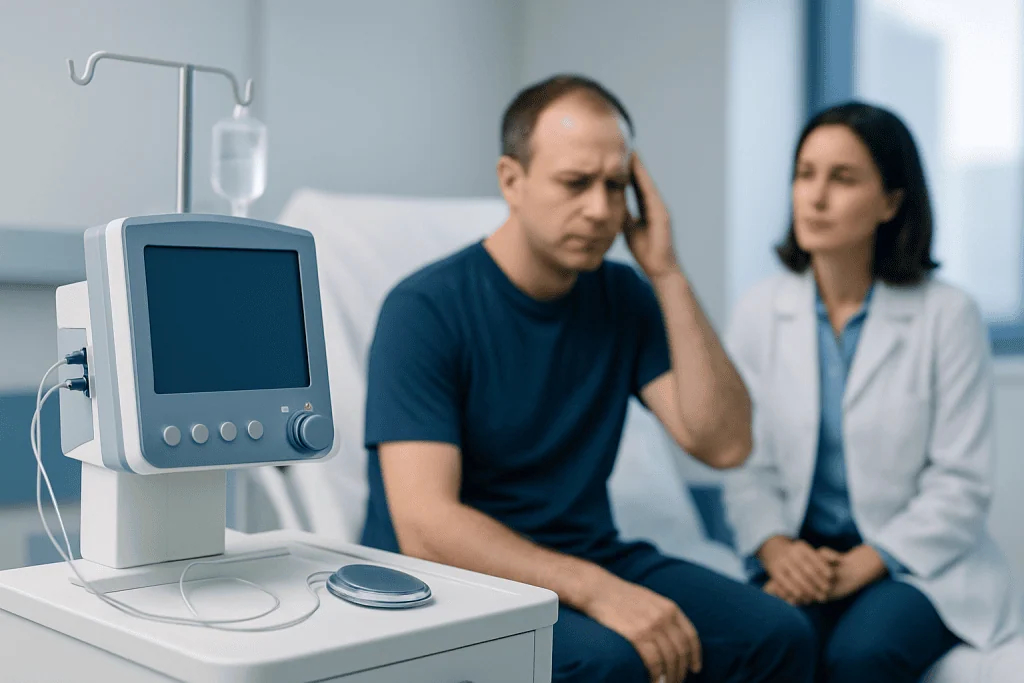
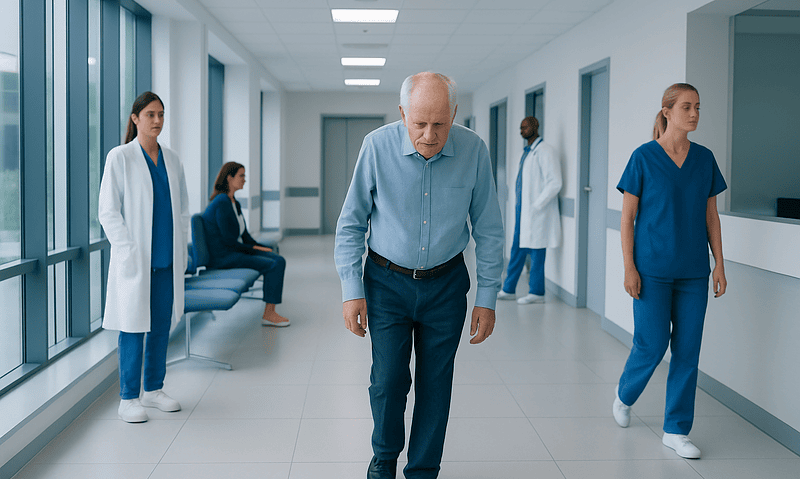
The people most likely to be considered for occipital nerve stimulation are those with chronic headaches that have become persistent and disabling over time. In general, this means headaches occurring very frequently, often for months or longer, with a major impact on work, sleep, concentration, social life, or emotional well-being. Candidates typically have already tried several evidence-based treatments under the care of a headache specialist.
Benefit may be more likely when the pain pattern involves the back of the head or upper neck, or when the headache disorder has features known to involve the occipital nerves and related pain pathways. Examples can include carefully selected cases of chronic migraine or occipital neuralgia. Some patients with other refractory headache syndromes may also be evaluated, but suitability depends on the exact diagnosis and response to prior care.
Doctors also look at the whole person, not only the headache label. They assess medication use, coexisting neck pain, sleep problems, mood symptoms, and any history of surgery or implanted devices. A person may be a better candidate when they understand the realistic goals of treatment, can attend follow-up visits, and are comfortable with the idea of a surgically implanted device that requires ongoing management.
- Chronic, disabling headache despite comprehensive treatment
- Clear diagnosis confirmed by a specialist
- Inadequate response or intolerance to standard therapies
- No untreated condition that better explains the pain
- Willingness to discuss risks, follow-up, and device care
How It Works
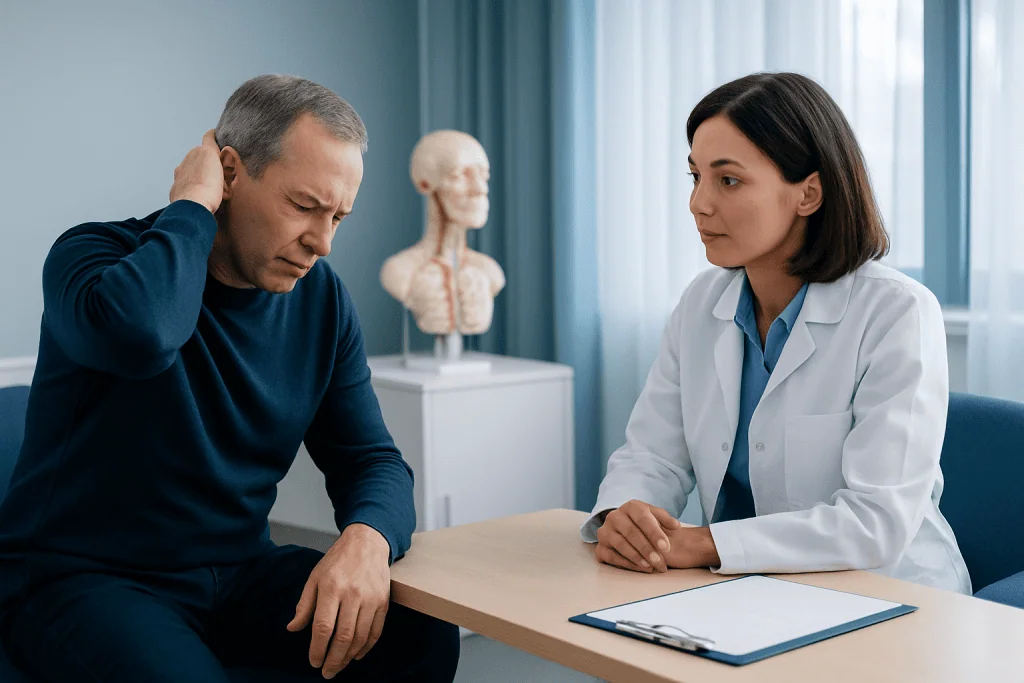
The occipital nerves carry sensation from the back of the scalp. In some headache disorders, these nerves and connected pain networks may become overly sensitive. Occipital nerve stimulation is intended to modify this abnormal signaling. Although the exact mechanisms are still being studied, mild electrical stimulation may influence pain processing in both the peripheral nerves and the central nervous system.
Traditionally, some systems produced a tingling sensation in the treated area, while newer devices may use different stimulation patterns. The way a person experiences the stimulation can vary. Settings are adjusted over time to balance comfort and symptom improvement, which is why follow-up appointments are an important part of treatment.
The procedure itself usually involves implanting leads under the skin across the back of the head, then connecting them to a battery-powered generator placed under the skin in another area, often near the chest, abdomen, or upper buttock depending on the device and the surgical plan. In selected cases, doctors may perform a trial period first, but practice differs among centers and by condition.
Evaluation and Diagnosis Before Treatment
Before considering occipital nerve stimulation, the first step is a thorough headache evaluation. This includes a detailed history of headache pattern, associated symptoms, triggers, prior medication trials, and any emergency warning signs. Headache specialists also review whether the pain fits a primary headache disorder such as migraine, or whether another cause needs to be ruled out.
Examination may include a neurologic assessment and, when appropriate, imaging or other tests to exclude structural or secondary causes of headache. The goal is to avoid using an implanted treatment for a condition that may respond better to a different therapy. For example, some patients may actually need treatment for neck-related pain, medication overuse, sleep disorders, or another neurologic condition.
Many centers also assess psychological readiness and overall health before implantation. This is not because the pain is “all in the mind,” but because chronic pain, surgery, and implanted devices can affect coping, expectations, and long-term success. A multidisciplinary approach is often helpful, involving headache medicine, pain medicine, neurology, and in some cases neurosurgical evaluation or specialist neurology care.
Treatment Options and What to Expect
Occipital nerve stimulation is generally considered only after standard treatment options have been explored. Depending on the diagnosis, these may include preventive medicines, acute headache treatments, physical therapy, trigger management, sleep optimization, and treatment of mood or stress-related contributors. Some patients may also have procedures such as nerve blocks or other targeted therapies before moving to implantation.
If a patient is judged to be a suitable candidate, the care team discusses the procedure, expected benefits, and possible complications in detail. The main goal is often a meaningful reduction in headache days, pain intensity, or disability. Some people improve enough to function better and use fewer rescue medicines, while others may have a smaller benefit or may not respond.
Possible risks include infection, pain at the implant site, lead movement, skin irritation, battery issues, and the need for additional procedures to adjust or replace components. Because of these considerations, occipital nerve stimulation is usually offered by experienced teams familiar with pain management and advanced headache treatment. Near the end of the care journey, some international patients may choose centers such as Acibadem International, where multidisciplinary specialists in JCI-accredited hospitals evaluate and treat complex headache conditions.
Benefits, Limits, and Long-Term Care
For carefully selected patients, occipital nerve stimulation may reduce headache frequency, lessen pain intensity, and improve participation in daily life. It may also help lower reliance on some medications, especially when side effects or overuse have become a problem. Success is usually measured by better function and a more manageable symptom pattern rather than by a complete cure.
At the same time, it is important to understand the limits of this therapy. Response is variable, and research has shown that not every patient benefits. Headache disorders are complex, and an implanted device does not replace the need for broader care such as medication review, trigger management, sleep support, and treatment of associated anxiety or depression when present.
Long-term follow-up is essential. Device settings may need adjustment, batteries may eventually require replacement or recharging depending on the system, and any new symptoms should be assessed promptly. Ongoing communication with the treating team helps ensure that the therapy remains safe, comfortable, and aligned with the patient’s goals.
When to See a Doctor
A person should seek medical advice if headaches are frequent, worsening, or interfering with daily life, especially if standard treatments are no longer working well. Specialist review is also important when headaches occur on many days each month, when medications are being used more often, or when pain is concentrated in the back of the head and neck and remains unexplained.
Urgent medical assessment is needed for headache with warning signs such as sudden severe onset, fever, confusion, weakness, seizures, vision loss, or headache after a significant head injury. These symptoms may point to a condition other than a primary headache disorder and should not be managed with long-term pain treatments alone.
For patients already considering occipital nerve stimulation, the best next step is a consultation with a qualified headache or neuromodulation specialist. A careful, personalized discussion can clarify whether this treatment fits the diagnosis, whether other options should be tried first, and what realistic outcomes can be expected.
Frequently asked questions
What is occipital nerve stimulation for chronic headache?
It is a treatment that uses a small implanted device to send mild electrical impulses to the occipital nerves at the back of the head. The goal is to reduce pain signaling in selected people with chronic, treatment-resistant headache disorders.
Is occipital nerve stimulation used for all headaches?
No. It is not appropriate for every type of headache and is usually reserved for carefully selected patients with chronic, disabling symptoms that have not improved enough with standard treatment. A precise diagnosis is essential before this option is considered.
Who is usually considered a candidate?
Candidates are often people with refractory chronic headache who have already tried several evidence-based treatments under specialist care. Doctors also look at general health, medication history, psychological readiness, and whether the person can manage long-term follow-up.
Does occipital nerve stimulation cure chronic headache?
It is not generally described as a cure. The main aim is to reduce headache burden, which may include fewer headache days, less severe pain, better function, and improved quality of life.
What are the risks of the procedure?
Possible risks include infection, discomfort at the implant site, lead migration, device problems, and the need for revision procedures. These risks are discussed carefully before treatment so the patient can make an informed decision with the care team.
Will a person still need other headache treatments after implantation?
Often, yes. Occipital nerve stimulation is usually part of a broader treatment plan that may still include medications, lifestyle measures, and follow-up with headache specialists. Many people do best when the device is combined with comprehensive long-term care.
References
- International Headache Society
- American Headache Society
- National Institute of Neurological Disorders and Stroke
- National Institute for Health and Care Excellence
- World Federation of Neurology
This article is for general information only and is not a substitute for professional medical advice. Please consult a qualified doctor about your individual situation.
Explore treatments in Turkey — costs, top hospitals & a free quote
JCI-accredited · board-certified surgeons · reply within 24h
Add us as a Preferred Source to see more of our trusted health content across Google Search, AI Overviews and Discover.