Occipital Nerve Stimulation for Headache Disorders: Who Is a Candidate?

Occipital nerve stimulation is usually considered only after standard headache treatments have not provided enough relief. It is most often evaluated for selected patients with chronic, disabling headache disorders such as chronic migraine or cluster headache.
Key Takeaways
- Occipital nerve stimulation is usually considered only after standard headache treatments have not provided enough relief.
- It is most often evaluated for selected patients with chronic, disabling headache disorders such as chronic migraine or cluster headache.
- A clear diagnosis and specialist assessment are essential before deciding whether this procedure is appropriate.
- Benefits can include fewer headache days or reduced intensity, but results vary from person to person.
- Like any implanted device therapy, it carries risks such as infection, lead movement, and the need for follow-up care.
Occipital nerve stimulation is a neuromodulation treatment considered for some people with severe headache disorders that have not improved with standard care. Candidacy depends on the headache diagnosis, prior treatments, overall health, and a careful assessment by experienced specialists.
Overview: What Is Occipital Nerve Stimulation?
Occipital nerve stimulation is a type of neuromodulation that uses mild electrical impulses to influence the occipital nerves, which run from the upper neck to the back of the head. These nerves can play a role in certain headache conditions and pain pathways. The treatment is designed to change how pain signals are processed rather than cure the underlying headache disorder.
The system usually includes thin wires called leads placed under the skin near the occipital nerves and a small pulse generator that provides electrical stimulation. In some cases, a temporary trial may be done first to see whether symptoms improve before a permanent system is implanted. The exact approach can vary based on the center, the person’s anatomy, and the headache diagnosis.
Occipital nerve stimulation is generally not a first-line treatment. It is usually considered for people with severe, frequent, or disabling headaches who have already tried multiple evidence-based treatments without adequate relief or who could not tolerate those treatments. Because headache disorders are complex, decisions about this therapy are typically made by a multidisciplinary team that may include headache specialists, pain physicians, neurologists, and neurosurgeons.
Which Headache Disorders May Be Considered?
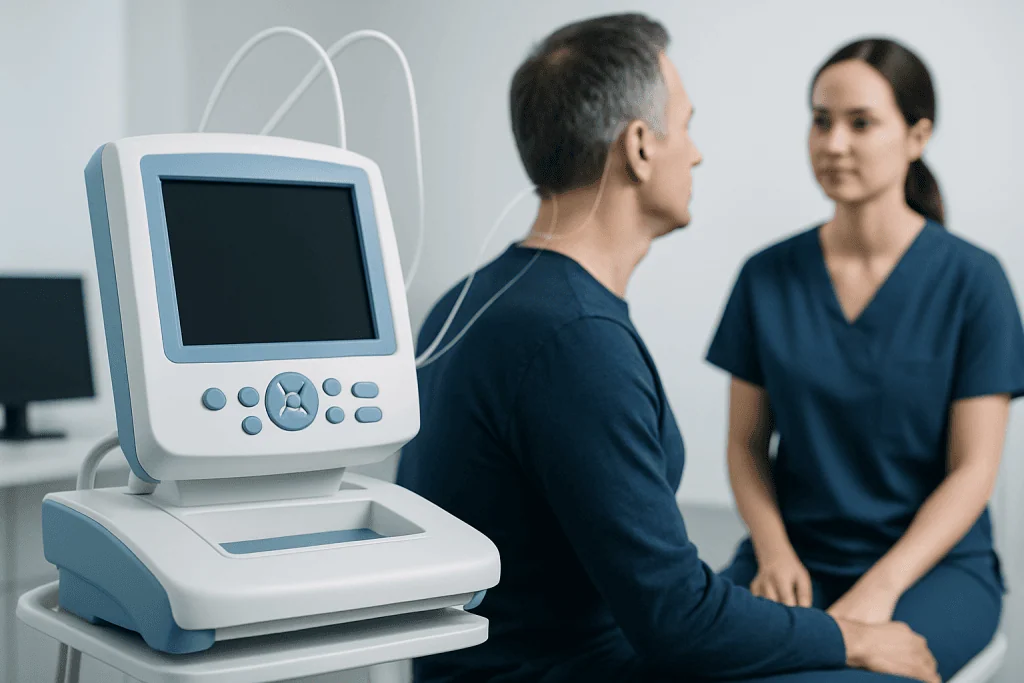
Occipital nerve stimulation has been studied most often in people with chronic, treatment-resistant headache disorders. These may include chronic migraine, some cases of cluster headache, occipital neuralgia, and certain other refractory headache syndromes. In this setting, “refractory” or “treatment-resistant” generally means that symptoms remain disabling despite appropriate medical treatment and follow-up.
It is important to understand that not every person with frequent headaches is a candidate. Common tension-type headaches, medication-overuse headache, secondary headaches caused by another medical problem, or headaches that have not yet been fully evaluated may require a different approach first. For example, a patient may need medication adjustments, lifestyle changes, management of sleep problems, or treatment of an underlying condition before a device-based therapy is considered.
Specialists often make a careful distinction between headache types because treatment success depends heavily on an accurate diagnosis. People with conditions such as migraine or severe cluster headache may be assessed differently from those whose pain mainly comes from the neck, scalp, or another source. When headache features overlap, further testing or observation over time may be needed.
Who Is a Candidate?

A good candidate for occipital nerve stimulation is usually someone with a well-defined headache disorder that remains severe and disabling despite appropriate standard treatment. This often means the person has tried several preventive and acute therapies under specialist care, including non-drug strategies when suitable, without enough benefit. The headaches should have a significant impact on daily activities, work, sleep, or quality of life.
Doctors also look for realistic expectations. Occipital nerve stimulation may reduce headache frequency, intensity, or reliance on certain medications, but it does not help everyone and is not guaranteed to eliminate pain completely. People considering the procedure should understand that improvement can be gradual and that the device may need programming adjustments and long-term follow-up.
Other factors matter as well. A person may be a better candidate if there is no untreated infection, no major medical condition making surgery unsafe, and no unresolved issue that would interfere with wound healing or device management. Psychological readiness is also important, because living with an implanted device requires follow-up visits, symptom tracking, and communication with the care team.
In many centers, patient selection includes a review of past treatments, headache diaries, imaging or other tests when indicated, and discussion of alternative options. For some individuals, specialists may recommend trying other therapies first, such as advanced medication strategies, nerve blocks, or selected interventional procedures, before moving to an implanted neuromodulation device.
How Doctors Evaluate Candidacy
Evaluation usually begins with confirming the diagnosis. A headache specialist takes a detailed history, including where the pain starts, how long attacks last, associated symptoms such as nausea or light sensitivity, and what treatments have already been tried. A physical and neurological examination helps identify features that support a primary headache disorder or suggest another cause that should be addressed first.
Doctors often ask patients to keep a headache diary. This record may include the number of headache days, pain severity, triggers, medications used, and how headaches affect daily life. A diary helps the team understand how disabling the condition is and provides a baseline for judging whether later treatment is truly helping.
Imaging or additional tests may be recommended if the symptoms are unusual, new, or changing, or if the examination suggests a secondary cause. Depending on the case, the workup may also include review by specialists in neurology, pain medicine, and neurosurgery. Some people benefit from other targeted treatments first, such as nerve blocks or a structured plan for chronic headache management.
Shared decision-making is a key part of the process. The team discusses expected benefits, possible complications, practical aspects of living with the device, and whether a trial period is appropriate. This careful evaluation helps ensure that occipital nerve stimulation is reserved for people most likely to benefit and least likely to be harmed.
What the Procedure Involves and Possible Benefits
During occipital nerve stimulation, leads are placed under the skin at the back of the head or upper neck, close to the occipital nerves. These leads connect to a small implanted pulse generator, usually placed under the skin elsewhere on the body. In some centers, a temporary trial is used first; if meaningful symptom relief occurs, a permanent device may then be considered.
The goal is to modulate pain signaling. Some patients notice a reduction in the number of headache days, less severe attacks, or improved ability to function during daily activities. Others may find that they can reduce use of certain rescue medications under medical guidance. The degree of benefit varies, and some patients do not respond enough to justify long-term implantation.
Programming and follow-up are important parts of treatment. After implantation, the device may need adjustment to find settings that provide the best symptom control with the fewest unwanted sensations. In selected cases, occipital nerve stimulation may be part of a broader care plan that also includes medication management, physical approaches, or additional procedures such as pain management support.
Risks, Limitations, and Reasons Someone May Not Be a Candidate
As with any implanted device procedure, occipital nerve stimulation has risks. These can include infection, bleeding, discomfort at the implant site, movement of the leads, equipment malfunction, skin irritation, and the need for revision surgery. The care team explains these possibilities carefully before any procedure is planned.
There are also limitations in how well the treatment works. Not every headache disorder responds, and even in appropriate candidates, symptom relief may be partial rather than complete. A person may still need medications, trigger management, or other therapies after implantation. Because results can vary, specialists try to select patients thoughtfully and set clear goals in advance.
Someone may not be a candidate if the headache diagnosis is uncertain, the headaches have not been treated with standard therapies yet, or a reversible cause has not been excluded. Active infection, significant medical instability, or inability to attend follow-up can also make the procedure less suitable. In some cases, untreated mental health concerns or unrealistic expectations may need to be addressed first to support safe and effective care.
Questions to Ask and When to Seek Specialist Care
People considering occipital nerve stimulation may find it helpful to ask whether their diagnosis is fully confirmed, what treatments have already been tried, and what realistic outcomes can be expected. It is also reasonable to ask about the likely need for a trial phase, possible complications, battery maintenance or replacement, and how often follow-up visits are required. Clear answers can help patients make an informed decision.
Specialist care is especially important when headaches are frequent, disabling, or resistant to treatment. A referral to a headache specialist or neuromodulation team may be appropriate if standard medicines and preventive strategies have not provided enough relief, or if the diagnosis remains uncertain. People with new neurological symptoms, a sudden severe headache, fever, confusion, weakness, or other warning signs should seek urgent medical evaluation rather than assuming the problem is a typical headache disorder.
Occipital nerve stimulation should be part of a comprehensive treatment discussion, not a stand-alone decision. In experienced centers, options may include medication review, lifestyle measures, interventional techniques, and, when appropriate, advanced neuromodulation therapies. Acibadem International’s multidisciplinary specialists in JCI-accredited hospitals evaluate and treat complex headache disorders for international patients, helping determine whether device-based therapy is suitable.
Frequently asked questions
Is occipital nerve stimulation a cure for headache disorders?
No. Occipital nerve stimulation is intended to help manage symptoms by changing pain signaling, not to cure the underlying headache disorder. Some people experience fewer headache days or less severe pain, while others may have only limited benefit.
Who is most likely to be considered for occipital nerve stimulation?
It is usually considered for people with severe, disabling, treatment-resistant headache disorders who have already tried appropriate standard therapies. A clear diagnosis, thorough evaluation, and realistic expectations are essential before moving forward.
Can people with migraine be candidates for this treatment?
Yes, selected people with chronic migraine that remains difficult to control despite specialist-guided treatment may be evaluated. However, candidacy depends on the individual history, previous therapies, overall health, and whether other options should be tried first.
What are the main risks of occipital nerve stimulation?
Potential risks include infection, pain at the implant site, lead movement, device problems, skin irritation, and the possible need for another procedure to adjust or replace parts of the system. A specialist team reviews these risks carefully before treatment is planned.
Is a trial period always done before permanent implantation?
Not always, but many centers consider a temporary trial helpful to see whether stimulation provides meaningful symptom relief. The exact process depends on the treatment team, the diagnosis, and the patient’s overall situation.
What should a patient bring to a specialist evaluation?
A headache diary, a list of current and past medications, previous imaging or consultation reports, and notes about how headaches affect daily life can all be useful. This information helps the specialist assess diagnosis, severity, and whether occipital nerve stimulation may be appropriate.
References
- International Headache Society
- American Headache Society
- National Institute of Neurological Disorders and Stroke
- National Institute for Health and Care Excellence
- Mayo Clinic
This article is for general information only and is not a substitute for professional medical advice. Please consult a qualified doctor about your individual situation.
Explore treatments in Turkey — costs, top hospitals & a free quote
JCI-accredited · board-certified surgeons · reply within 24h
Add us as a Preferred Source to see more of our trusted health content across Google Search, AI Overviews and Discover.