Occluded: Symptoms, Causes, and Treatment — Complete Patient Guide

Occluded is a general medical term that means blocked or closed. Symptoms vary by location and may include pain, pressure, swelling, numbness, shortness of breath, or loss of function.
Key Takeaways
- Occluded is a general medical term that means blocked or closed.
- Symptoms vary by location and may include pain, pressure, swelling, numbness, shortness of breath, or loss of function.
- Some causes are minor and temporary, while others need urgent medical attention, especially if blood flow is affected.
- Diagnosis usually involves a physical exam and may include imaging, blood tests, or specialist evaluation.
- Treatment aims to remove the blockage, restore normal function, and prevent complications.
Occluded means blocked, closed, or obstructed. In medicine, it most often describes a blood vessel, airway, sinus, ear passage, or tooth that is partly or completely blocked, and treatment depends on where the blockage is and how severe it is.
What does occluded mean in medicine?
Occluded means blocked, sealed, or closed off. Doctors use the word to describe many different situations, such as an occluded artery, an occluded airway, an occluded sinus passage, or even an occluded dental surface. The term itself is not a diagnosis. Instead, it describes what is happening in a part of the body.
Because the word is broad, the health impact can range from mild to serious. A small blockage in the nose may cause congestion and pressure, while an occluded blood vessel can reduce blood flow to tissues and may require urgent care. Understanding the location of the occlusion is the first step in knowing what it means for a person’s health.
In everyday medical use, people most often encounter the term in relation to circulation. When a vessel becomes narrowed or blocked, the body part supplied by that vessel may not get enough oxygen and nutrients. This can affect the heart, brain, legs, kidneys, eyes, or other organs, depending on the vessel involved.
Common symptoms of an occlusion
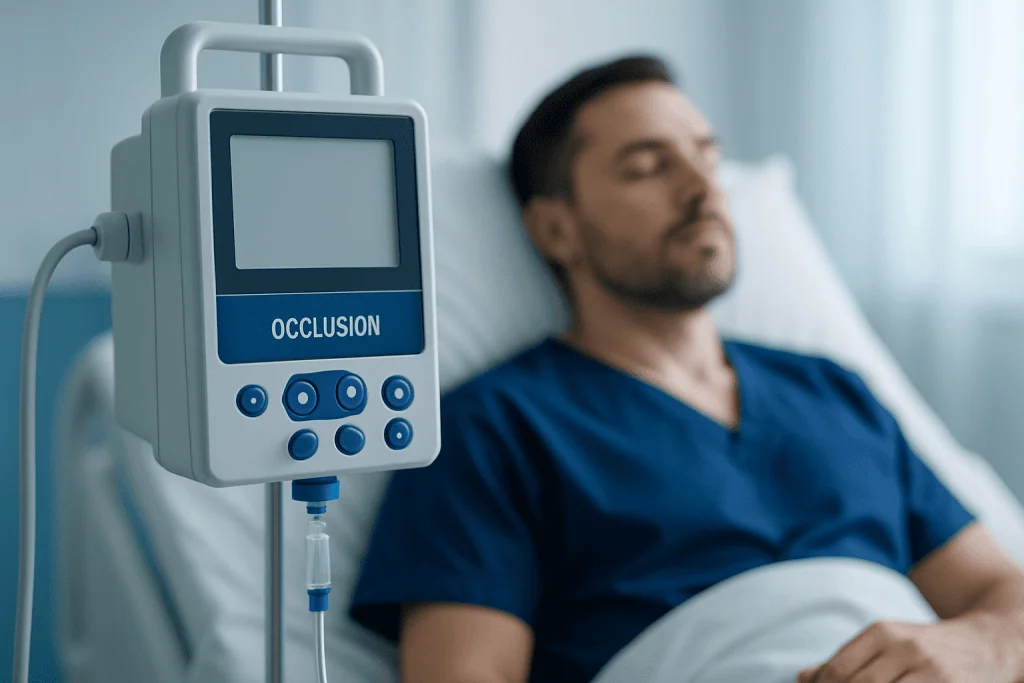
Symptoms of an occlusion depend on where the blockage occurs and whether it is partial or complete. In general, blocked structures tend to cause pressure, pain, swelling, reduced function, or a change in normal sensation. A person may notice symptoms suddenly, such as with a blood clot, or gradually, as with progressive narrowing from plaque buildup.
Possible symptoms include:
- Pain, cramping, or heaviness in an arm or leg
- Numbness, tingling, weakness, or cool skin
- Chest discomfort or shortness of breath
- Headache, dizziness, vision changes, or trouble speaking
- Nasal congestion, facial pressure, or ear fullness
- Tooth discomfort or bite-related problems in dental contexts
When blood flow is involved, symptoms can be especially important. For example, leg pain while walking may suggest reduced circulation, while sudden weakness on one side of the body can point to an urgent brain-related event. If symptoms begin abruptly or are severe, prompt medical evaluation is important.
Causes and risk factors

An occlusion can happen for many reasons. In blood vessels, common causes include atherosclerosis, which is the buildup of fatty plaque inside artery walls, and blood clots that form in or travel to a vessel. In other parts of the body, blockage may result from inflammation, infection, thick mucus, swelling, scar tissue, foreign material, or structural changes.
Risk factors depend on the organ system involved, but several are especially relevant for vascular occlusion. These include smoking, high blood pressure, diabetes, high cholesterol, obesity, older age, limited physical activity, and a family history of cardiovascular disease. Some people also have a higher clot risk because of certain medical conditions, prolonged immobility, recent surgery, or hormone-related factors.
In the legs, blocked arteries may occur as part of peripheral artery disease. In the heart, an occluded coronary artery can reduce blood supply to the heart muscle. In the brain, vessel blockage may lead to an ischemic stroke. Not every occlusion is due to vascular disease, but persistent or unexplained symptoms should be checked by a qualified doctor.
How doctors diagnose an occluded area
Diagnosis begins with a careful history and physical examination. A doctor will ask when symptoms started, whether they are getting worse, and what makes them better or worse. The exam may include checking pulses, skin color, temperature, swelling, breathing, neurological function, or local tenderness, depending on the suspected site of occlusion.
Tests are chosen based on the likely cause. For vascular concerns, doctors may use blood pressure comparisons between limbs, ultrasound, Doppler studies, CT angiography, MR angiography, or standard angiography. Blood tests may help identify inflammation, infection, anemia, clotting problems, or organ stress. If symptoms suggest chest pain or heart-related complications, an electrocardiogram and cardiac tests may also be needed.
For nonvascular occlusion, diagnosis may involve nasal endoscopy, ear examination, dental evaluation, X-rays, CT scans, or other targeted studies. The goal is not only to confirm the blockage but also to understand its cause, severity, and whether nearby tissues have been damaged. This helps guide the safest and most effective treatment plan.
Treatment options for occluded conditions
Treatment depends entirely on where the occlusion is, what caused it, and how urgent the problem is. Mild or temporary blockages may improve with observation, hydration, medications, or treatment of infection or inflammation. More serious occlusions, especially those affecting blood flow, may require hospital-based care to restore circulation and protect organs.
In vascular medicine, treatment can include lifestyle changes, medicines to reduce clotting risk, cholesterol-lowering therapy, blood pressure control, and diabetes management. Some patients need minimally invasive procedures to open narrowed or blocked vessels, such as angioplasty and stenting or atherectomy. Others may be evaluated with coronary angiography or require procedures for severe limb ischemia, depending on the location of the blockage.
When there is advanced artery disease in the legs, treatment planning may overlap with care for peripheral artery disease and, in selected cases, peripheral bypass surgery. For sinus, ear, or airway-related occlusion, treatment may focus on reducing swelling, clearing mucus, treating infection, or addressing structural problems. Dental occlusion problems are treated differently and may involve bite adjustment or other dental care.
The best treatment plan is individualized. Doctors consider symptom severity, the risk of tissue damage, a person’s general health, and whether the blockage is new, chronic, partial, or complete. Follow-up is important to make sure symptoms improve and to reduce the chance of the problem returning.
Prevention and self-care
Not every occlusion can be prevented, but many vascular causes are closely linked to overall cardiovascular health. Helpful steps include not smoking, staying physically active, eating a balanced diet, managing stress, and keeping blood pressure, blood sugar, and cholesterol within target ranges. Taking prescribed medicines consistently is also an important part of prevention for people with known vascular disease.
Self-care should match the suspected cause. For example, staying hydrated and following medical advice during a sinus or respiratory illness may help ease congestion, while people at risk of clots may be advised to move regularly during long travel or recovery periods. A person should avoid trying to self-treat severe pain, sudden numbness, or signs of poor circulation at home.
It can also help to notice patterns. Symptoms that repeatedly happen with activity, after meals, during infections, or with certain positions may give useful clues to a doctor. Keeping track of when symptoms start, how long they last, and whether they are getting worse can make evaluation more accurate and timely.
When to seek medical care
Medical care is appropriate whenever symptoms of a possible occlusion are new, persistent, worsening, or difficult to explain. This is especially true when there is pain, swelling, color change, weakness, or reduced function in a limb, or pressure and breathing symptoms that do not settle. A clinician can determine whether the issue is minor and self-limited or whether it needs urgent treatment.
Emergency care is important for symptoms that may suggest sudden loss of blood flow or a heart or brain event. These include chest pain, severe shortness of breath, fainting, sudden trouble speaking, facial droop, one-sided weakness, sudden vision loss, a cold pale limb, or intense pain that starts abruptly. Rapid treatment can reduce the risk of lasting damage.
For international patients who need evaluation or treatment, Acibadem International’s multidisciplinary specialists and JCI-accredited hospitals diagnose and treat occlusive conditions across cardiology, vascular medicine, neurology, and related fields. A structured assessment helps clarify the cause and guide the most appropriate next steps.
Frequently asked questions
What does occluded mean?
Occluded means blocked, closed, or obstructed. In medicine, it can describe a vessel, passage, airway, sinus, or another body structure that is no longer fully open.
Is an occlusion always serious?
No. Some occlusions are mild and temporary, such as congestion related to inflammation or mucus. Others are more serious, especially if blood flow to the heart, brain, or limbs is reduced.
What are the symptoms of an occluded artery?
Symptoms depend on which artery is affected. They may include pain, cramping, numbness, weakness, cool skin, chest discomfort, shortness of breath, or sudden neurological symptoms if the brain is involved.
How is an occlusion diagnosed?
Doctors usually start with a medical history and physical exam. Depending on the suspected location, they may order ultrasound, CT or MRI scans, angiography, blood tests, or other targeted evaluations.
Can an occlusion go away on its own?
Some minor blockages related to swelling or mucus may improve as the underlying problem resolves. A vascular occlusion or clot should not be assumed to go away without medical supervision, because delayed care can increase complications.
How is an occluded blood vessel treated?
Treatment may involve medicines, risk-factor control, and procedures to restore blood flow. The exact approach depends on the vessel involved, the cause of the blockage, and whether symptoms are sudden or chronic.
When should someone go to the emergency room for possible occlusion?
Emergency care is important for chest pain, severe shortness of breath, sudden weakness, trouble speaking, sudden vision loss, or a cold painful limb. These symptoms can signal a dangerous loss of blood flow and need immediate assessment.
References
- World Health Organization
- American Heart Association
- National Heart, Lung, and Blood Institute
- Centers for Disease Control and Prevention
- National Institute of Neurological Disorders and Stroke
This article is for general information only and is not a substitute for professional medical advice. Please consult a qualified doctor about your individual situation.
Explore treatments in Turkey — costs, top hospitals & a free quote
JCI-accredited · board-certified surgeons · reply within 24h
Add us as a Preferred Source to see more of our trusted health content across Google Search, AI Overviews and Discover.
Check your numbers in seconds
BMI, calories, due date, blood pressure and 30+ more clinical calculators — free, instant, doctor-reviewed ranges.