Ocular Myasthenia Gravis: Droopy Eyelids, Double Vision, and Testing

Ocular myasthenia gravis affects the muscles that move the eyes and lift the eyelids. Typical symptoms include fluctuating droopy eyelids, double vision, and worsening with fatigue.
Key Takeaways
- Ocular myasthenia gravis affects the muscles that move the eyes and lift the eyelids.
- Typical symptoms include fluctuating droopy eyelids, double vision, and worsening with fatigue.
- Diagnosis may involve an eye and neurologic examination, blood tests, imaging, and specialized bedside or electrical tests.
- Treatment often includes medicines, symptom management, and monitoring for signs that the disease is affecting other muscles.
- Prompt medical evaluation is important if swallowing, speaking, breathing, or generalized weakness develops.
Ocular myasthenia gravis is a form of myasthenia gravis that affects the muscles controlling the eyelids and eye movements. It commonly causes droopy eyelids and double vision, and careful testing helps confirm the diagnosis and guide treatment.
Overview
Ocular myasthenia gravis is an autoimmune neuromuscular condition that affects the muscles controlling eye movement and eyelid position. In this disorder, the body’s immune system interferes with communication between nerves and muscles at the neuromuscular junction. As a result, the eyelids may droop and the eyes may not move together normally, leading to double vision.
The word “ocular” means the condition is limited to the eye muscles and eyelids. Some people have symptoms only in this area, while others may later develop weakness in other muscles, which is then considered generalized myasthenia gravis. Because symptoms often change during the day and can mimic other eye or nerve conditions, diagnosis may take a careful and step-by-step approach.
A reassuring point is that ocular myasthenia gravis is treatable. Although symptoms can be frustrating and may affect reading, driving, work, or daily routines, many people improve with the right combination of medicines, lifestyle adjustments, and follow-up care from specialists in neuroophthalmology and neurology.
Symptoms
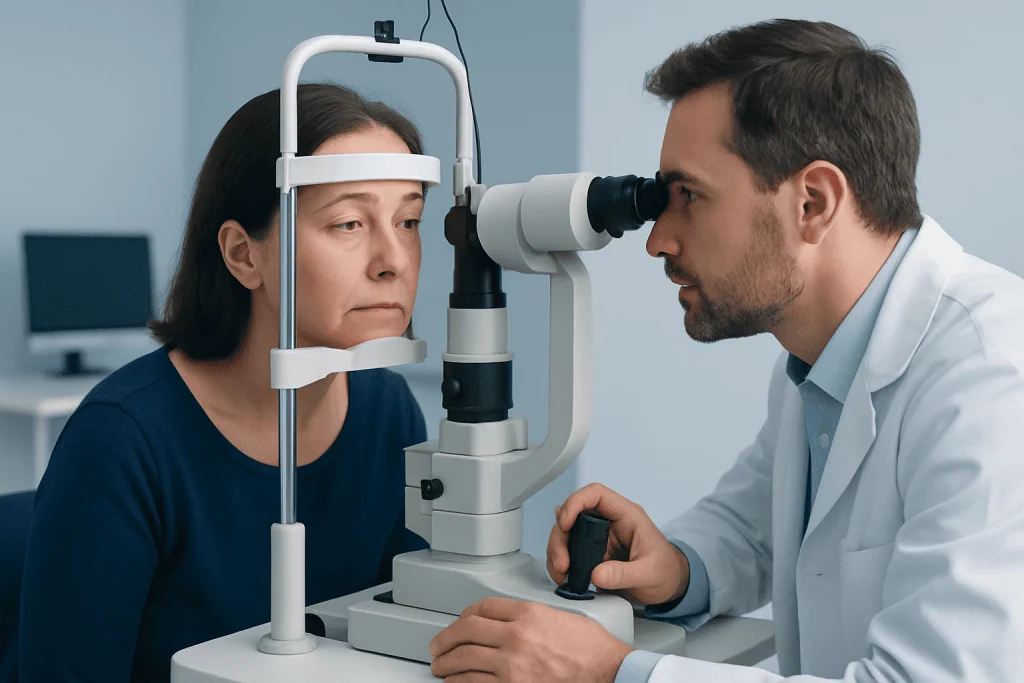
The most common symptoms of ocular myasthenia gravis are droopy eyelids, called ptosis, and double vision, called diplopia. One eyelid may droop more than the other, or both may be involved. The drooping can come and go, and it often becomes more noticeable later in the day or after prolonged activity such as reading, screen use, or driving.
Double vision happens because the eye muscles become weak and do not coordinate normally. Some people notice horizontal double vision, while others see images separated vertically or diagonally. The symptom may appear only when looking in certain directions, and it can improve temporarily with rest.
A key feature is fluctuation. Symptoms may be mild in the morning and worse in the evening, or they may vary from one day to the next. Bright light, stress, illness, heat, and lack of sleep can make weakness more noticeable in some people.
- Drooping of one or both eyelids
- Double vision that changes during the day
- Eye strain or trouble focusing for long periods
- Symptoms that worsen with fatigue and improve with rest
Causes and Risk Factors

Ocular myasthenia gravis is caused by an autoimmune process. In many cases, the immune system makes antibodies that interfere with proteins needed for normal nerve-to-muscle signaling, most commonly acetylcholine receptors. In some people, other antibodies may be involved. When the signal from the nerve does not reach the muscle effectively, the muscle becomes weak more easily.
The exact reason this autoimmune response starts is not always clear. As with other autoimmune disorders, it may result from a combination of genetic susceptibility and environmental triggers. Symptoms can first appear at different ages and in people of any sex, although patterns may vary across age groups.
The thymus gland can play a role in myasthenia gravis, and doctors sometimes evaluate it with chest imaging. Certain medications may worsen myasthenia symptoms in susceptible people, so it is important for patients to tell their care team about all prescription drugs, over-the-counter medicines, and supplements they use. Ocular symptoms can also overlap with other conditions, so clinicians may consider alternatives such as thyroid eye disease, cranial nerve palsies, or brain tumor-related neurologic problems when evaluating new double vision or eyelid drooping.
How Ocular Myasthenia Gravis Is Diagnosed
Diagnosis begins with a detailed history and physical examination. A doctor will ask when symptoms started, whether they fluctuate, what makes them worse, and whether there are any signs of weakness elsewhere in the body. During the examination, eyelid position, eye alignment, eye movements, and signs of fatigability are assessed carefully.
Blood tests can help identify antibodies associated with myasthenia gravis, though some people with purely ocular symptoms may have negative antibody tests. Bedside tests may also support the diagnosis. For example, improvement of ptosis after resting or briefly cooling the eyelid can suggest myasthenia. Specialized tests such as single-fiber electromyography or repetitive nerve stimulation may be used when the diagnosis remains uncertain.
Imaging is sometimes part of the workup, not because a scan alone diagnoses ocular myasthenia gravis, but because doctors may need to look for related or alternative causes. Chest imaging may be done to evaluate the thymus gland, and brain or orbital imaging may be considered when symptoms are atypical. In some cases, clinicians may use MRI imaging or CT scanning to help rule out other conditions affecting the eye muscles, nerves, or brain.
Since double vision and eyelid drooping have many possible causes, diagnosis often involves excluding other disorders while piecing together clinical clues. This process can take time, but a careful evaluation helps ensure that treatment is appropriate and safe.
Treatment Options
Treatment depends on symptom severity, examination findings, test results, and whether the condition remains limited to the eyes or affects other muscles. Medicines that improve communication between nerves and muscles may help reduce eyelid drooping and ease some visual symptoms. When autoimmune activity needs to be controlled more directly, doctors may recommend immunosuppressive treatment.
Short-term symptom relief and long-term disease control are both important goals. Some people respond well to medication alone, while others need adjustments over time. If double vision is troublesome, temporary strategies such as covering one eye or using prism correction in glasses may help in selected cases. Treatment plans are individualized because the pattern of symptoms can vary widely from one person to another.
Doctors also monitor for progression beyond the eyes. Weakness involving the face, speech, chewing, swallowing, neck, arms, legs, or breathing requires prompt reassessment. If symptoms extend beyond the eye muscles, the condition may be managed as myasthenia gravis more broadly, and treatment may become more intensive. In selected situations, especially if thymus abnormalities are present, surgery such as thymectomy may be discussed.
For international patients who need coordinated evaluation, Acibadem International’s multidisciplinary specialists and JCI-accredited hospitals diagnose and treat ocular and generalized myasthenia conditions with individualized care plans.
Prevention and Self-Care
There is no known way to prevent ocular myasthenia gravis from developing, but daily habits can help manage symptoms and reduce strain. Because weakness often worsens with fatigue, planning visually demanding tasks for times of day when symptoms are milder can be useful. Regular sleep, pacing activities, and allowing breaks during reading or screen use may help.
Heat, fever, infections, and emotional stress can sometimes make symptoms more noticeable. Staying hydrated, treating infections promptly, and following general healthy routines may support overall well-being. If one eye is patched to manage double vision, it should be done according to a clinician’s advice, since needs can differ depending on the visual pattern and daily activities.
People with ocular myasthenia gravis should keep an updated list of medications and ask a doctor or pharmacist before starting new ones. Some drugs can worsen myasthenic weakness. It is also sensible to be cautious with driving or operating machinery if vision becomes blurred or double, and to seek professional advice about safe return to these activities.
When to See a Doctor
Anyone with new droopy eyelids or double vision should see a doctor promptly, especially if symptoms are persistent, recurrent, or worsening. Although ocular myasthenia gravis is one possible cause, these symptoms can also occur with other eye, nerve, muscle, thyroid, or brain conditions, so professional assessment is important.
Urgent medical attention is needed if there are signs that weakness is spreading beyond the eyes. Red flags include trouble speaking clearly, difficulty chewing or swallowing, shortness of breath, marked neck weakness, or generalized fatigue that feels unusual or severe. These symptoms may suggest broader muscle involvement and require immediate evaluation.
Regular follow-up is also valuable after diagnosis. Monitoring helps doctors assess treatment response, adjust medications, watch for side effects, and check for signs of progression. Early communication about changes in symptoms often leads to better day-to-day control and safer care.
Frequently asked questions
Is ocular myasthenia gravis the same as generalized myasthenia gravis?
No. Ocular myasthenia gravis affects only the muscles that move the eyes and lift the eyelids, while generalized myasthenia gravis involves other muscle groups as well. However, some people who start with ocular symptoms may later develop more widespread weakness.
Can ocular myasthenia gravis cause permanent vision loss?
Ocular myasthenia gravis does not usually damage the eye itself or cause permanent vision loss. The main visual problem is double vision from weak eye muscles and droopy eyelids that may block part of the visual field. These symptoms can often be managed with appropriate treatment.
Why do symptoms seem worse at the end of the day?
A hallmark of myasthenia gravis is that muscles fatigue with repeated use. As the eye muscles and eyelid muscles work throughout the day, weakness may become more noticeable. Rest often brings temporary improvement.
What tests are commonly used to confirm ocular myasthenia gravis?
Doctors often use a combination of medical history, eye examination, blood tests for myasthenia-related antibodies, and sometimes electrical tests such as single-fiber electromyography. Bedside assessments that look for fatigability or improvement after cooling may also be helpful. Imaging may be used to rule out other causes or to evaluate the thymus gland.
Can ocular myasthenia gravis go away on its own?
Symptoms can fluctuate and may improve for periods of time, but the condition generally needs medical follow-up. Some people have long phases of relative stability, while others require ongoing treatment to control symptoms. Because the condition can change over time, regular review with a doctor is important.
Is it safe to drive with ocular myasthenia gravis?
It depends on symptom control. If double vision or drooping eyelids interfere with clear, reliable vision, driving may not be safe until symptoms are treated or stabilized. A doctor can advise based on the person's symptoms, visual function, and local driving regulations.
References
- National Institute of Neurological Disorders and Stroke
- National Eye Institute
- American Academy of Ophthalmology
- Myasthenia Gravis Foundation of America
- National Organization for Rare Disorders
This article is for general information only and is not a substitute for professional medical advice. Please consult a qualified doctor about your individual situation.
Myasthenia Gravis in Turkey — costs, top hospitals & a free quote
JCI-accredited · board-certified surgeons · reply within 24h
Add us as a Preferred Source to see more of our trusted health content across Google Search, AI Overviews and Discover.