Myasthenia Gravis Treatment
Myasthenia gravis treatment controls autoimmune muscle weakness with neurologist-led diagnosis, medicines, immunotherapy and, when appropriate, thymectomy planning to reduce symptoms and prevent crises.
Quick answer
Myasthenia gravis treatment aims to control an autoimmune disorder that causes fluctuating muscle weakness by confirming the diagnosis and using medicines, immunotherapy, and supportive care to reduce symptoms and prevent serious breathing or swallowing complications. At Acibadem in Turkey, care is led by neurology specialists who assess disease severity, plan therapies such as anticholinesterase drugs, immunosuppressive treatment, plasmapheresis or IVIG…
Myasthenia Gravis Treatment: Regaining Control When Muscle Weakness Feels Unpredictable
Myasthenia gravis can be unsettling because symptoms often change from hour to hour. You may feel nearly normal in the morning and struggle later with drooping eyelids, double vision, chewing, speaking, swallowing, climbing stairs, lifting your arms or taking a deep breath. For many patients and families, the most difficult part is not only the weakness itself, but the uncertainty: Will this get worse? Could breathing be affected? Will I need lifelong medication? Is surgery necessary?
Myasthenia gravis is a treatable autoimmune neuromuscular disorder. With careful neurologist-led diagnosis and a personalized treatment plan, many people achieve meaningful symptom control, return to daily activities and reduce the risk of serious complications such as myasthenic crisis. Treatment is not one-size-fits-all. It may include symptom-relieving medication, immune-directed therapy, short-term rescue treatment during worsening episodes, respiratory support when needed and, for selected patients, surgical removal of the thymus gland, known as thymectomy.
For international patients considering care abroad, the priorities are clear: an accurate diagnosis, an experienced neurology team, access to advanced testing, coordinated care if surgery is indicated, clear communication in your language and a safe plan for follow-up after you return home. At Acibadem, myasthenia gravis care is built around these needs, with neurologists, thoracic surgeons, intensive care specialists, radiologists, rehabilitation teams and international patient coordinators working together when appropriate.
What Myasthenia Gravis Treatment Is
Myasthenia gravis treatment aims to reduce autoimmune attack at the neuromuscular junction, the point where nerves communicate with muscles. In most patients, the immune system produces antibodies that interfere with acetylcholine receptors or related proteins needed for muscle activation. As a result, muscles fatigue abnormally with use and improve after rest.
Treatment has several goals. The first is to improve day-to-day strength and reduce fluctuating symptoms. The second is to calm the immune process that drives the condition. The third is to prevent severe worsening, especially breathing or swallowing weakness. The fourth is to identify whether the thymus gland is involved, because thymic abnormalities can influence treatment planning.
Common components of treatment include:
- Symptomatic medication: Medicines that improve communication between nerves and muscles, often used to reduce weakness during daily activities.
- Immune-modifying treatment: Corticosteroids or other immunosuppressive medicines may be used to reduce antibody-driven inflammation over time.
- Rapid-acting immunotherapy: Intravenous immunoglobulin or plasma exchange may be used during significant worsening, before surgery or in myasthenic crisis.
- Targeted biologic therapies: In selected patients, newer immune-directed treatments may be considered, depending on antibody status, disease severity, previous response and availability.
- Thymectomy: Surgical removal of the thymus gland may be recommended for patients with thymoma and for certain patients with generalized myasthenia gravis, particularly when acetylcholine receptor antibodies are present.
- Supportive care and rehabilitation: Respiratory monitoring, swallowing assessment, physical therapy and medication review help reduce complications and improve safety.
The best plan depends on your type of myasthenia gravis, age, antibody profile, severity, other medical conditions, pregnancy plans, infection risk, imaging findings and personal goals. For some people, treatment begins with medication and monitoring. For others, urgent hospital care is needed. When thymectomy is appropriate, timing and surgical approach are planned carefully to minimize risk and support recovery.
Who May Need Treatment for Myasthenia Gravis
Anyone with suspected or confirmed myasthenia gravis should be evaluated by a neurologist familiar with neuromuscular disorders. Symptoms can be subtle at first and may be mistaken for eye strain, stress, stroke, thyroid disease, fatigue, vocal cord problems or psychiatric causes. Early specialist assessment is important because the pattern of weakness and the risks are different from ordinary tiredness.
Typical symptoms include drooping eyelids, double vision, blurred vision that changes during the day, facial weakness, difficulty chewing, nasal or slurred speech, choking or coughing while eating, trouble swallowing pills or liquids, neck weakness, arm or leg fatigue and shortness of breath with exertion or while lying down. Symptoms often worsen with repeated use of a muscle and improve with rest. Heat, infection, surgery, emotional stress, sleep deprivation and certain medications can make weakness worse.
Diagnosis usually begins with a detailed history and neurological examination. The neurologist looks for fatigable weakness, eye movement abnormalities, eyelid drooping, facial expression changes, speech fatigue and limb strength patterns. Because myasthenia gravis can affect breathing and swallowing, respiratory function and bulbar symptoms are assessed carefully when symptoms suggest risk.
Diagnostic testing may include blood tests for antibodies such as acetylcholine receptor antibodies, MuSK antibodies and, in selected cases, other antibody markers. Some patients have “seronegative” myasthenia gravis, meaning standard antibody tests are negative despite clinical disease. In these cases, electrophysiological testing becomes especially important.
Electrodiagnostic studies may include repetitive nerve stimulation and single-fiber electromyography, which evaluate how reliably nerves activate muscles. These tests help confirm impaired neuromuscular transmission. Imaging of the chest, usually with CT or MRI, is used to evaluate the thymus gland and look for thymoma or thymic enlargement. Blood tests may also assess thyroid disease, inflammation, infection risk and organ function before immune therapy.
Patients may need treatment if symptoms interfere with vision, speech, swallowing, breathing, mobility, work, driving or daily independence. Treatment is also needed when test results confirm active disease, when symptoms are progressing, when crisis risk is present or when thymus imaging shows a tumor requiring surgical evaluation.
Conditions and Indications Addressed by Myasthenia Gravis Treatment
Myasthenia gravis care addresses a spectrum of disease rather than a single presentation. Some patients have symptoms limited mainly to the eyes, while others have generalized weakness affecting the face, throat, neck, limbs or respiratory muscles. Treatment is tailored to disease pattern and risk.
Ocular myasthenia gravis affects the eye muscles and eyelids. Patients may experience drooping eyelids or double vision, often fluctuating throughout the day. Some people remain ocular, while others later develop generalized symptoms. Treatment may include symptomatic medication, immune therapy when symptoms are disabling or persistent, and monitoring for progression.
Generalized myasthenia gravis affects muscles beyond the eyes. It may involve the face, throat, neck, arms, legs or breathing muscles. Generalized disease often requires a broader immune treatment strategy and closer follow-up.
Bulbar myasthenia gravis refers to weakness affecting speech, chewing and swallowing. This form requires careful assessment because swallowing difficulty can lead to dehydration, poor nutrition or aspiration, where food or liquid enters the airway.
Respiratory involvement is among the most serious indications for urgent treatment. Shortness of breath, weak cough, inability to count aloud comfortably, difficulty lying flat or rapidly worsening weakness may signal impending crisis and should be treated as a medical emergency.
Myasthenic crisis occurs when respiratory muscles become too weak to maintain adequate breathing, or when severe bulbar weakness threatens airway protection. Crisis is treated in a hospital, often with intensive care monitoring, respiratory support and rapid immune therapy such as plasma exchange or intravenous immunoglobulin.
Thymoma-associated myasthenia gravis requires coordinated neurologic and thoracic surgical care. Thymoma is a tumor of the thymus gland and generally requires surgical evaluation, even when myasthenia symptoms are mild.
Medication-triggered or infection-triggered worsening may occur when a patient with known myasthenia gravis receives drugs that aggravate neuromuscular transmission or develops an infection. Treatment includes addressing the trigger while adjusting myasthenia therapy safely.
How Myasthenia Gravis Treatment Is Performed Step by Step
Initial Evaluation and Risk Assessment
Your care usually begins with a detailed neurology consultation. The physician reviews symptom timing, triggers, medications, previous test results, autoimmune history, infections, surgeries, pregnancy status and family observations. Because symptoms fluctuate, videos of eyelid drooping, speech changes or fatigability can sometimes be useful.
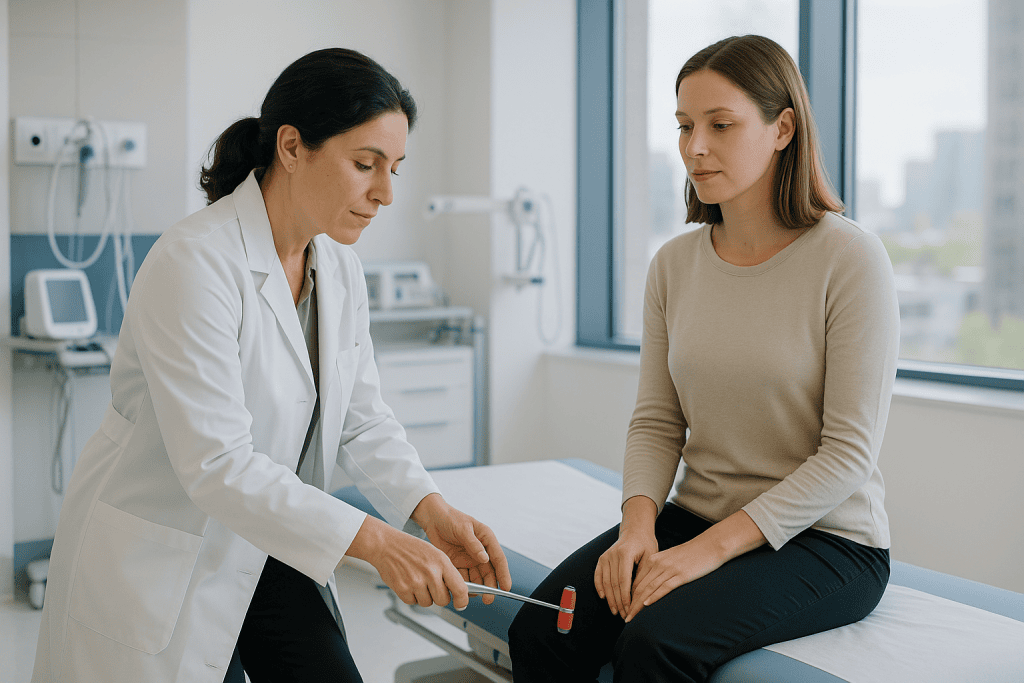
A neurological examination assesses eye movements, eyelid strength, facial muscles, speech, swallowing clues, neck strength, limb power, reflexes and endurance. If breathing symptoms are present, respiratory measurements may be performed. The care team also reviews medications that may worsen myasthenia gravis, such as certain antibiotics, heart rhythm medicines, magnesium-containing products or muscle relaxants. Medication changes are made only with appropriate medical supervision, especially when other serious conditions are being treated.
Diagnostic Testing and Classification
Blood antibody testing helps classify the disease and guides treatment choices. Electrodiagnostic testing can confirm impaired nerve-to-muscle signaling and may be particularly helpful when antibody tests are negative. Chest imaging evaluates the thymus gland. Additional testing may be recommended to assess thyroid function, diabetes risk, bone health, liver and kidney function, infection exposure or vaccination status before longer-term immune suppression.
Modern diagnostic pathways help distinguish myasthenia gravis from conditions that may look similar, including thyroid eye disease, cranial nerve palsies, motor neuron disease, inflammatory muscle disease, mitochondrial disorders, stroke, Lambert-Eaton myasthenic syndrome and medication-related weakness. This distinction matters because treatment strategies differ significantly.
Creating the Treatment Plan
Once the diagnosis and severity are understood, the neurologist develops a personalized plan. Mild ocular symptoms may be managed differently from rapidly progressive generalized weakness. A patient who has swallowing difficulty may need urgent intervention, while another with stable symptoms may begin outpatient therapy with close monitoring.
Symptomatic medication may be started to improve muscle strength during the day. The dose is adjusted based on benefit and side effects such as abdominal cramps, diarrhea, sweating or excessive salivation. These medicines can improve function but do not treat the underlying autoimmune process, so immune therapy may also be needed.
Corticosteroids are commonly used to reduce autoimmune activity. Because steroids can cause side effects, the plan may include careful dose escalation, monitoring and eventual reduction when possible. Steroid-sparing immunosuppressive medicines may be considered for longer-term control. These medicines take time to work and require laboratory monitoring. The choice depends on the patient’s overall health, infection risks, liver and kidney function, age and reproductive considerations.
For more severe symptoms, rapid-acting treatment may be used. Intravenous immunoglobulin provides pooled antibodies that modulate the immune response. Plasma exchange removes circulating antibodies from the blood. These treatments are often used for crisis, significant worsening, preoperative optimization or when faster improvement is needed while slower immune therapies take effect.
Planning Thymectomy When Appropriate
Thymectomy is considered in two main situations: when imaging shows thymoma, and in selected patients with generalized myasthenia gravis where evidence supports benefit, especially acetylcholine receptor antibody-positive disease. The decision is individualized. The neurologist and thoracic surgeon consider age, symptom severity, antibody status, imaging findings, treatment response and surgical risk.
Before surgery, the goal is to make myasthenia gravis as stable as possible. This may involve medication adjustment, respiratory evaluation and, in some patients, intravenous immunoglobulin or plasma exchange before the operation. Anesthesia planning is especially important because some medications used during surgery can affect neuromuscular transmission. The anesthesiology team prepares a strategy that accounts for myasthenia-specific risks.
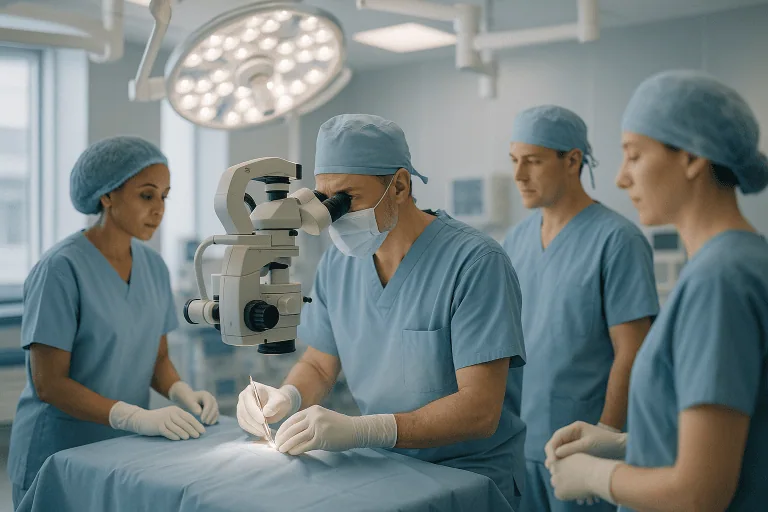
Thymectomy may be performed through different surgical approaches, including minimally invasive chest surgery or open surgery, depending on thymus anatomy, suspected tumor characteristics, patient factors and surgeon judgment. The operation removes thymic tissue and, when present, thymoma. The procedure itself typically takes several hours, and hospital stay varies according to surgical approach, recovery, respiratory strength and overall health.
Technology and Monitoring Used During Care
Myasthenia gravis care relies on accurate testing and close monitoring rather than one single device. Diagnostic technology may include high-resolution chest imaging, electrophysiological testing for neuromuscular transmission and laboratory antibody analysis. During hospitalization, respiratory monitoring helps detect early breathing decline. In surgery, modern anesthesia monitoring, imaging-based planning and minimally invasive surgical systems may support precision and safety when appropriate.
Technology is most helpful when integrated into expert clinical decision-making. For example, chest imaging does not simply show whether the thymus is enlarged; it helps determine whether surgical consultation is needed and what approach may be safest. Electrodiagnostic testing does not replace the neurologist’s examination; it strengthens diagnostic confidence and guides treatment when symptoms are complex.
Recovery and Follow-Up
Recovery depends on the treatment used and the severity of disease. Symptomatic medication may work relatively quickly, while immune therapies often require weeks to months to show their full effect. Intravenous immunoglobulin or plasma exchange may improve symptoms faster, but the duration of benefit varies and may need to be combined with longer-term therapy.
After thymectomy, recovery includes wound healing, pain control, breathing exercises, gradual activity increase and ongoing neurologic management. Improvement in myasthenia symptoms after thymectomy, when it occurs, is usually gradual rather than immediate. Many patients continue medication for some time after surgery, with adjustments based on symptoms and neurological assessment.
Follow-up is essential. Myasthenia gravis can change over time, and treatment must be adjusted to balance symptom control with medication safety. International patients should have a clear written plan for medications, warning signs, laboratory monitoring, vaccination considerations and coordination with their local physician after returning home.
Why Acting Early Matters
Early diagnosis and treatment can reduce the risk of preventable complications. Untreated or undertreated myasthenia gravis may progress from mild weakness to disabling fatigue, falls, choking episodes, aspiration pneumonia or respiratory failure. Delays can also allow medication side effects or incorrect treatments to accumulate if the diagnosis is uncertain.
Acting early is particularly important when symptoms involve swallowing, speech or breathing. These functions can deteriorate quickly during infection, after surgery or when exposed to medications that worsen neuromuscular weakness. A patient who is coughing during meals, losing weight, unable to swallow liquids safely or becoming short of breath should not wait for a routine appointment.
Early care also helps identify thymoma. While thymoma is not present in most patients, it requires timely evaluation when found. Chest imaging is therefore a standard part of the diagnostic pathway in many patients with confirmed myasthenia gravis.
Prompt treatment can also help preserve daily life. Double vision may interfere with driving or work. Limb weakness may limit independence. Speech fatigue may affect professional and social confidence. The sooner the disease is classified and treated, the sooner the care team can reduce risk and help patients adapt safely.
Benefits of Myasthenia Gravis Treatment
The benefits of treatment depend on disease type and severity, but the main goals are symptom control, safety and long-term disease management.
| Benefit | What It Means for You |
|---|---|
| Improved muscle strength and endurance | Medication and immune therapy can reduce fatigable weakness, helping with vision, speech, chewing, swallowing, walking and daily tasks. |
| Reduced risk of severe worsening | A structured plan helps identify warning signs early and may lower the chance of crisis-related complications. |
| More accurate diagnosis | Specialized testing helps distinguish myasthenia gravis from other neurological or muscular conditions that require different treatment. |
| Personalized immune control | Treatment can be adjusted according to antibody status, severity, side effects, age, other illnesses and future plans such as pregnancy. |
| Safe surgical planning when needed | If thymectomy is appropriate, neurologic optimization and anesthesia planning help reduce procedure-related risks. |
| Better long-term monitoring | Regular follow-up supports medication safety, relapse prevention and coordination with your home physician. |
Recovery Timeline After Myasthenia Gravis Treatment
Recovery varies widely, but the timeline below summarizes what many patients can expect during treatment and follow-up.
| Time Period | What Patients Can Expect |
|---|---|
| Day 1 | Evaluation focuses on symptom severity, breathing and swallowing safety, medication review and diagnostic planning. If symptoms are severe, hospital monitoring or rapid immunotherapy may begin. |
| First Week | Some patients notice improvement with symptomatic medication or rapid-acting treatment. Tests may be completed, and the care team may adjust medication doses or discuss thymus imaging results. |
| First Month | Immune therapy plans are refined. Side effects are monitored. Patients who undergo thymectomy focus on wound healing, breathing exercises and gradual return to activity. |
| Months 2 to 6 | Longer-term immune treatments may begin to show more consistent benefit. Medication reduction may be considered only when symptoms are stable and the neurologist advises it. |
| Longer Term | Follow-up continues to monitor relapse risk, medication safety, respiratory or swallowing symptoms and quality of life. Many patients require ongoing management, even when symptoms are well controlled. |
Factors That Influence Outcomes and a Good Result
A good result in myasthenia gravis treatment means more than a single test result. It means fewer symptoms, lower risk of crisis, safe medication use, preserved independence and a plan that fits the patient’s life. Several factors influence this outcome.
Accurate classification is one of the most important factors. Ocular, generalized, MuSK-associated, acetylcholine receptor antibody-positive, seronegative and thymoma-associated disease may behave differently and respond differently to treatment. The more precise the diagnosis, the more targeted the plan can be.
Severity at presentation matters. Patients with respiratory or bulbar involvement require more urgent and intensive management. Early recognition of swallowing or breathing weakness can prevent complications.
Response to medication varies. Some patients respond well to initial therapy, while others need a combination of treatments or newer immune-directed options. Side effects also influence choices. A treatment that works biologically may not be appropriate if it creates unacceptable risks for a specific patient.
Thymus findings can change the treatment pathway. Thymoma requires surgical evaluation. In selected non-thymoma patients, thymectomy may reduce disease burden over time, but expected benefit and timing should be discussed carefully.
Other medical conditions affect decisions. Diabetes, osteoporosis, high blood pressure, kidney disease, liver disease, chronic infections, cancer history and pregnancy plans may influence the selection and monitoring of immune therapy.
Medication safety is essential. Many common medicines can worsen myasthenia gravis in susceptible patients. Patients benefit from carrying an updated medication list and informing every physician, dentist or pharmacist that they have myasthenia gravis.
Follow-up discipline strongly affects long-term control. Laboratory monitoring, symptom tracking, infection prevention, vaccination planning and timely adjustment of therapy help reduce avoidable setbacks. International patients should plan how follow-up will be shared between the treating center and their physician at home.
Lifestyle and trigger management also play a role. Adequate sleep, pacing activities, avoiding overheating, treating infections early and planning around fatigue can improve daily functioning. Physical activity is usually encouraged within safe limits, but overexertion during active disease may worsen symptoms.
Why International Patients Choose Acibadem for Myasthenia Gravis Care
International patients with myasthenia gravis often need more than a prescription. They need a clear diagnosis, coordinated decision-making and practical support across languages, travel schedules and medical systems. Acibadem provides myasthenia gravis care within JCI-accredited hospitals, where neurology, thoracic surgery, radiology, anesthesiology, intensive care and rehabilitation services can be coordinated according to each patient’s needs.
The diagnostic process is led by physicians experienced in neurological disorders, supported by modern laboratory testing, electrophysiological assessment and advanced imaging. This is important for patients who have received conflicting opinions, have incomplete test results or have symptoms that do not fit a simple pattern. When necessary, cases can be discussed through specialist collaboration so that medical, surgical and intensive care perspectives are aligned.
For patients who may need thymectomy, coordinated planning is especially valuable. The neurologist evaluates disease stability and crisis risk, while the thoracic surgeon assesses thymus imaging and surgical options. The anesthesiology team considers myasthenia-specific medication sensitivities and postoperative respiratory safety. This collaborative planning helps reduce avoidable risk and supports a more informed decision about surgery.
Acibadem’s international patient services support patients before arrival, during treatment and after discharge. Assistance may include appointment planning, medical record review, language interpretation, coordination between departments, hospital admission support and communication of medical plans. For patients traveling from the United States, Europe, the Middle East, Africa or other regions, these services can make complex neurological care easier to navigate.
Treatment plans are individualized rather than based only on a diagnosis label. A patient with mild ocular symptoms, a young adult with generalized acetylcholine receptor antibody-positive disease, an older patient with multiple medical conditions and a patient with thymoma all require different pathways. The aim is to choose the right level of treatment at the right time, with careful attention to safety, patient preferences and continuity of care after returning home.
Advanced technology is used where it adds clinical value: imaging to evaluate the thymus and plan surgery, electrodiagnostic testing to support diagnosis, laboratory testing to guide immune therapy, respiratory monitoring during severe episodes and minimally invasive surgical techniques when appropriate. The focus is not technology for its own sake, but technology integrated with experienced clinical judgment.
For many international patients, a second opinion is an important step. A second opinion may clarify whether symptoms are truly due to myasthenia gravis, whether current medication is appropriate, whether thymectomy should be considered, or whether a different immune therapy strategy may be reasonable. Bringing previous test results, imaging, medication history and symptom records allows the team to provide a more useful assessment.
Taking the Next Step
Myasthenia gravis can be unpredictable, but it is a condition with well-established diagnostic pathways and a range of effective treatment options. The most important step is to understand your specific form of the disease, identify any immediate risks and build a treatment plan that is medically sound and practical for your life.
If you or a loved one has been diagnosed with myasthenia gravis, is experiencing worsening weakness, or has been advised to consider thymectomy, you may benefit from a specialist consultation or second opinion. Acibadem can review your medical history, test results and imaging, then help outline the next appropriate steps for diagnosis, treatment or follow-up planning.
This information is general and is not a substitute for professional medical advice. Diagnosis and treatment decisions should always be made with a qualified physician who can evaluate your individual condition.
Preparation
- A neurologist reviews symptoms, previous test results, medications and any history of breathing or swallowing problems. Blood tests, nerve studies, imaging for thymus evaluation and pulmonary assessment may be requested. Patients should not stop prescribed medicines unless instructed by their doctor.
Aftercare
- Follow the medication schedule closely and attend regular neurology follow-ups to monitor strength, breathing and side effects. Seek urgent care for worsening swallowing, breathing difficulty or sudden severe weakness. Avoid known triggers such as infections, overheating, missed doses and certain medicines unless approved by your doctor.
Frequently Asked Questions
What affects the cost of myasthenia gravis treatment?
The final cost depends on disease severity, diagnostic testing, medication plan, need for infusion therapy or plasma exchange, hospital admission, crisis monitoring, thymectomy assessment and follow-up requirements. Travel logistics and interpreter support may also affect the overall package.
How can I get a personalised quote from Acibadem?
You can request a free consultation and share your medical reports, medication list, antibody results, imaging, electrophysiology reports and recent hospital notes if available. The neurology team can review your case and prepare a personalised care plan and quote.
Is thymectomy always needed for myasthenia gravis?
No. Thymectomy is recommended only for selected patients, such as those with thymus-related findings or specific clinical features. A neurologist and thoracic surgeon decide suitability after reviewing symptoms, test results, imaging and surgical risk.
Can international patients receive diagnosis and treatment planning in one trip?
In many cases, consultations, key tests and treatment planning can be coordinated around travel dates, depending on medical urgency and appointment availability. Some patients may need staged treatment, monitoring or follow-up after returning home.
Does a package include medicines and advanced therapies?
Package content varies by individual treatment plan. Some quotes may include consultations, tests and hospital services, while long-term medicines, biologic therapy, infusions or emergency care may be quoted separately based on specialist recommendations.
Is this information medical or financial advice?
No. This is general educational information. Diagnosis, treatment suitability and costs should be confirmed through a specialist evaluation and a personalised quotation.
Medically reviewed by the Acıbadem International Medical Board June 20, 2026
See our medical review board →
Update history
- PublishedJune 8, 2026
- Medical review approvedJune 20, 2026
- Last content updateSeptember 8, 2026
References2
- Myasthenia gravis medlineplus.gov
- Myasthenia gravis nhs.uk
Trusted care for international patients
From the Acibadem Blog
Why Myasthenia Gravis Evaluation Includes Thymus Imaging and Breathing Tests
Myasthenia gravis evaluation includes thymus imaging because the thymus gland, which sits behind the breastbone, is abnormal in many people with the condition and…

When Is Thymectomy Considered for Myasthenia Gravis? How Neurologists and Surgeons Decide
Thymectomy is usually recommended for anyone with myasthenia gravis who also has a thymoma, a tumor of the thymus gland, regardless of how mild…

Living With Myasthenia Gravis: Energy Pacing, Heat and Keeping to the Medication Schedule
Living with myasthenia gravis mostly means managing a fluctuating supply of muscle strength: pacing activity so demanding tasks fall in stronger hours, avoiding overheating…