Oncologic Pain Specialist North Brunswick: An Evidence-Based Patient Guide

Cancer pain is common but should not be accepted as inevitable or left untreated. An oncologic pain specialist evaluates the cause, severity, pattern, and impact of pain before recommending care.
Key Takeaways
- Cancer pain is common but should not be accepted as inevitable or left untreated.
- An oncologic pain specialist evaluates the cause, severity, pattern, and impact of pain before recommending care.
- Treatment may include non-opioid and opioid medicines, nerve-pain medicines, radiation, procedures, rehabilitation, and supportive care.
- Interventional pain procedures can be considered when medicines do not provide enough relief or cause unacceptable side effects.
- New, severe, or rapidly worsening pain should be discussed promptly with the oncology team, especially when accompanied by weakness, fever, or bowel or bladder changes.
An oncologic pain specialist helps people with cancer-related pain find safer, more effective relief while supporting daily function and quality of life. Care is individualized and may combine medicines, procedures, rehabilitation, emotional support, and treatment of the cancer itself.
Overview: What an Oncologic Pain Specialist Does
An oncologic pain specialist North Brunswick patients may seek is a clinician with expertise in evaluating and treating pain related to cancer, cancer treatment, or both. This may be a pain medicine physician, anesthesiologist, palliative care physician, medical oncologist, neurologist, or another specialist working closely with an oncology team. The goal is not simply to lower a pain score; it is to improve comfort, sleep, mobility, mood, and the ability to continue meaningful daily activities.
Cancer pain can arise from a tumor pressing on tissue, bone involvement, nerve irritation, inflammation, surgery, chemotherapy, radiation therapy, or complications such as infection. It can also have more than one cause at the same time. A careful assessment helps distinguish pain mechanisms and guides treatment choices rather than relying on a single approach for every person.
Pain care is often most effective when delivered alongside cancer treatment and supportive care. Depending on the underlying cause, the team may coordinate with medical oncology, radiation oncology, surgery, rehabilitation, nutrition, psychology, and palliative care. Palliative care can be involved at any stage of cancer and focuses on symptom relief and quality of life; it is not limited to end-of-life care.
How Cancer Pain Is Evaluated
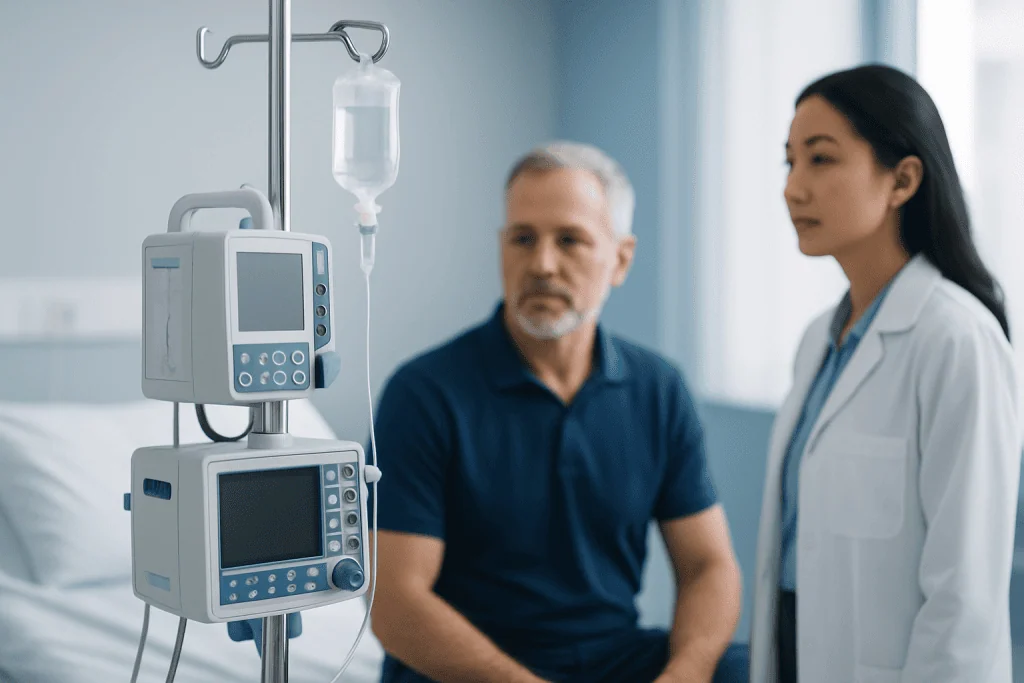
The first appointment usually begins with a detailed discussion of the pain. The specialist asks where it occurs, when it began, whether it is constant or comes in episodes, what it feels like, and what makes it better or worse. Burning, tingling, electric-shock sensations, and numbness may suggest nerve-related pain, while deep aching pain may be associated with bone or soft-tissue involvement.
The clinician will also review current cancer treatment, past operations, imaging, medical conditions, allergies, and all medicines and supplements. This matters because pain medicines can interact with anticancer drugs or may need adjustment for kidney, liver, breathing, or heart conditions. The consultation should also address practical concerns such as fatigue, constipation, nausea, sleep, emotional distress, work, and caregiving demands.
A physical and neurologic examination may identify tenderness, muscle weakness, altered sensation, swelling, limited movement, or other clues about the pain source. Blood tests, X-rays, CT, MRI, bone scans, or other imaging may be used when the symptoms suggest a new cancer-related problem or another treatable cause. The assessment may also identify related cancer pain patterns that need coordinated oncology and symptom-management care.
Treatment Planning: How It Works and Who May Benefit

Most people with cancer-related pain can benefit from a pain-management review when pain interferes with function, sleep, appetite, treatment participation, or emotional well-being. A referral can be appropriate at diagnosis, during active treatment, after treatment, or when cancer is advanced. It is particularly helpful for persistent pain, complex pain with several causes, pain that has not improved with first-line options, or side effects that limit the use of medication.
The treatment plan is based on the likely pain mechanism, the person’s goals, cancer status, other health conditions, and personal preferences. For example, pain from bone metastases may respond to cancer-directed treatment such as radiation therapy, while pain caused by nerve injury may require medicines that target nerve signaling. Pain after surgery may improve with rehabilitation, scar management, medicines, or selected nerve-focused procedures.
Medicines may include acetaminophen or anti-inflammatory drugs when appropriate, medicines for neuropathic pain, topical treatments, and opioid medicines for moderate to severe cancer pain. Opioids can be valuable when prescribed and monitored carefully, but they are not the only option and may cause constipation, drowsiness, nausea, or confusion. The care team regularly reviews benefits, side effects, safe storage, and whether treatment should be adjusted.
Non-drug measures are also important. Physical therapy, gentle movement, occupational therapy, counseling, relaxation strategies, sleep support, and treatment for anxiety or depression can complement medical pain treatment. These approaches do not imply that pain is “all in the mind”; they address the many physical and emotional factors that can influence how pain is experienced.
Interventional Procedures: Step by Step
When medication and supportive measures are insufficient, or when side effects are difficult to manage, an interventional pain procedure may be considered. These procedures aim to interrupt pain signals, reduce inflammation around a painful structure, stabilize a weakened bone, or deliver medicine closer to the spinal cord. Whether a procedure is suitable depends on the pain location, imaging findings, platelet count, infection risk, blood-thinning medicines, overall health, and treatment goals.
Before a procedure, the specialist reviews expected benefits, alternatives, and possible complications. Some people need blood tests or imaging, and certain medicines may need temporary adjustment under medical guidance. The clinician explains fasting instructions, transport needs, and whether sedation may be used. The procedure is typically planned with input from the oncology team so that it fits safely around chemotherapy, radiation, surgery, or other treatments.
During a nerve block or related injection, the skin is cleaned and numbed. Using ultrasound, X-ray, CT guidance, or another imaging method, the clinician places a needle near the selected nerve or nerve bundle and injects local anesthetic, steroid medicine, or another agent as appropriate. A diagnostic block may be used first to see whether temporarily numbing a nerve improves the pain before a longer-lasting treatment is considered.
Other options may include epidural or intrathecal medication delivery, neurolytic blocks for selected severe pain syndromes, or procedures addressing painful vertebral fractures. A tailored pain management plan may combine procedures with medicines and rehabilitation rather than replacing all other care. The exact approach should be discussed with a qualified clinician who can explain the expected duration of relief and appropriate follow-up.
Benefits, Risks, and Recovery Timeline
The potential benefit of cancer pain treatment is improved comfort and function, including better sleep, walking, appetite, participation in treatment, and time with family and friends. Some treatments provide relatively quick relief, while others require gradual dose adjustments or several weeks to show their full effect. Pain management is usually an ongoing process, because symptoms and treatment needs can change as cancer treatment progresses.
Recovery after a clinic-based injection or nerve block is often brief. A person may be monitored for a period after the procedure, particularly if sedation was used, and may need someone else to drive them home. Mild soreness or bruising at an injection site can occur. Depending on the procedure and medicine used, relief may begin within hours or days, while more involved procedures may require a longer recovery plan.
Risks vary by treatment. Medicines can cause side effects such as constipation, nausea, sleepiness, dizziness, or medication interactions. Procedures can involve bleeding, infection, allergic reaction, temporary weakness or numbness, a pain flare, and rarely nerve injury or other serious complications. The specialist weighs these risks against the likely benefit and takes precautions such as image guidance and medication review when indicated.
Patients should follow the team’s written instructions after any procedure and report symptoms that are unexpected or severe. Keeping a pain diary can be helpful: it records pain intensity, breakthrough episodes, activity limits, medicine effects, and side effects. This information allows the team to make more precise treatment adjustments at follow-up visits.
Self-Care and Support Between Appointments
Self-care does not replace professional treatment, but it can help people maintain comfort and independence. A regular routine of gentle movement, stretching, or therapist-guided exercise may reduce stiffness and deconditioning when medically safe. Pacing activities, using supportive equipment, and taking planned rest breaks can prevent pain flares without requiring complete inactivity.
Constipation prevention is especially important for people taking opioid medicines. The oncology or pain team can recommend an individualized bowel plan, hydration guidance, and dietary adjustments when appropriate. Patients should not stop, increase, share, or combine prescription pain medicines with alcohol, sedatives, or other substances without discussing this with their clinician.
Stress, fear, poor sleep, and isolation can make pain harder to manage. Counseling, support groups, mindfulness-based techniques, breathing exercises, spiritual care, and family education may all be useful components of comprehensive care. Rehabilitation and supportive services can also assist with fatigue, mobility changes, work concerns, and practical adaptations at home.
For international patients, Acibadem International’s multidisciplinary specialists and JCI-accredited hospitals can assess cancer-related symptoms and coordinate treatment planning across oncology, pain medicine, rehabilitation, and supportive care services.
When to Seek Medical Care
People should contact their oncology or pain team promptly for new pain, pain that is worsening, pain that wakes them from sleep, or pain that is no longer controlled by the agreed treatment plan. It is also important to report new medicine side effects, including severe constipation, excessive drowsiness, confusion, vomiting, or difficulty staying awake. Early communication often allows the team to make adjustments before pain becomes more disruptive.
Urgent medical assessment is needed for sudden severe back or neck pain with new weakness, numbness, difficulty walking, or changes in bladder or bowel control. These symptoms can sometimes indicate pressure on the spinal cord and require rapid evaluation. Fever, chills, redness or drainage at a procedure site, sudden shortness of breath, chest pain, or severe allergic symptoms also need urgent care.
Patients should seek emergency help for uncontrolled severe pain, new seizure activity, fainting, or an inability to wake normally after taking pain medicine. The safest next step depends on the individual’s condition, so people should follow the emergency instructions provided by their oncology team and use local emergency services when necessary.
Frequently asked questions
What is an oncologic pain specialist?
An oncologic pain specialist is a clinician experienced in treating pain caused by cancer or cancer treatment. They assess the source and type of pain, then work with the oncology team to create an individualized plan that may include medication, rehabilitation, procedures, and supportive care.
When should someone ask for a cancer pain referral?
A referral is reasonable whenever pain affects sleep, movement, mood, appetite, work, or cancer treatment. It can also help when pain medicines are not providing enough relief or are causing difficult side effects. A person does not need to wait until pain becomes severe to request support.
Does seeing a pain specialist mean cancer treatment is no longer working?
No. Pain management can be useful during diagnosis, active treatment, survivorship, and advanced illness. It is often provided alongside treatments intended to control or cure cancer, as well as alongside supportive care.
Are opioids always needed for cancer pain?
No. The best treatment depends on the cause and severity of pain. Some people benefit from non-opioid medicines, nerve-pain medicines, radiation, rehabilitation, psychological support, or procedures, while others may need opioids as one part of a monitored plan.
What happens after a nerve block for cancer pain?
After a nerve block, the care team monitors the patient briefly and provides instructions about activity, driving, and symptoms to report. Temporary numbness, weakness, or injection-site soreness can occur, depending on the treatment area and medicines used. The specialist schedules follow-up to assess the amount and duration of relief.
Can cancer pain be treated without a procedure?
Yes. Many people improve with a combination of cancer-directed treatment, medicines, physical therapy, activity adjustments, sleep support, and emotional care. Procedures are generally considered when they may address a clear pain source or when other options have not provided adequate relief.
References
- National Cancer Institute
- American Cancer Society
- American Society of Clinical Oncology
- European Society for Medical Oncology
- World Health Organization
This article is for general information only and is not a substitute for professional medical advice. Please consult a qualified doctor about your individual situation.
Oncology care in Turkey — second opinion and treatment plan
JCI-accredited · board-certified surgeons · reply within 24h
Add us as a Preferred Source to see more of our trusted health content across Google Search, AI Overviews and Discover.