Oncology Treatment: How It Works, Results and What to Expect
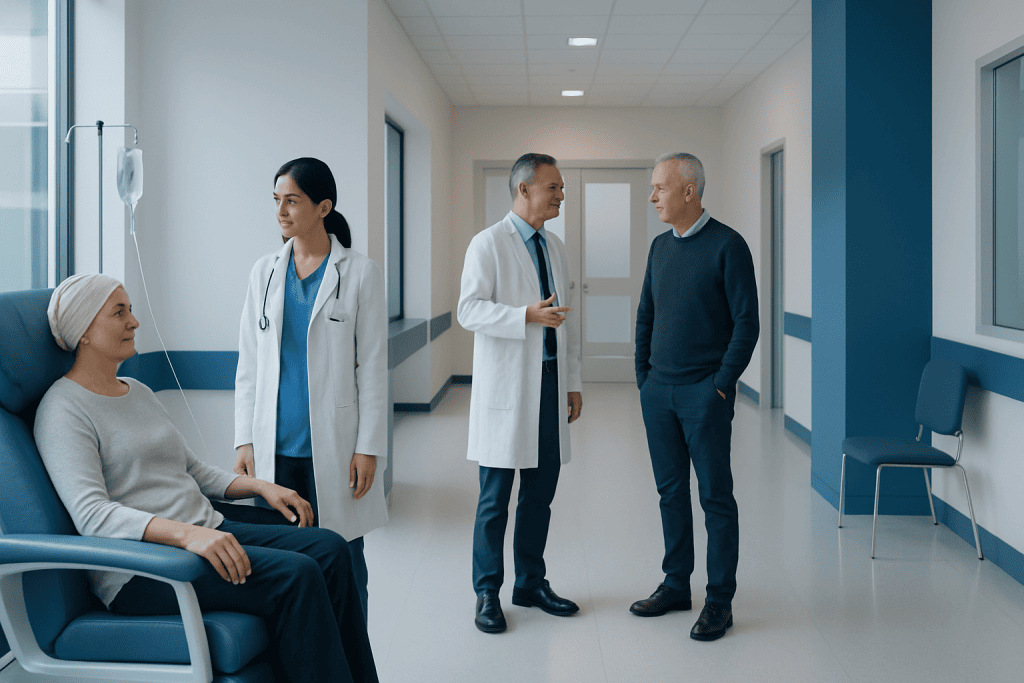
Oncology treatment may include surgery, radiation therapy, chemotherapy, immunotherapy, targeted therapy, hormone therapy and supportive care. A multidisciplinary team uses pathology, imaging, cancer stage and, when appropriate, biomarker testing to individualize treatment.
Key Takeaways
- Oncology treatment may include surgery, radiation therapy, chemotherapy, immunotherapy, targeted therapy, hormone therapy and supportive care.
- A multidisciplinary team uses pathology, imaging, cancer stage and, when appropriate, biomarker testing to individualize treatment.
- Treatment response is assessed through symptoms, examinations, scans and laboratory tests rather than one sign alone.
- Side effects vary by treatment and can often be prevented, reduced or treated with early communication and supportive care.
- A treatment plan can change over time when test results, response, side effects or personal priorities change.
Oncology treatment is a personalized plan that may use surgery, radiation therapy, systemic medicines and supportive care to remove, control or slow cancer while protecting quality of life. The recommended approach depends on the cancer type, stage, molecular features, overall health and the person’s goals and preferences.
Overview: how oncology treatment works
Oncology treatment is medical care for cancer. Its purpose may be to cure the cancer, remove it completely, lower the chance that it returns, control its growth, relieve symptoms or support comfort and quality of life. Many people receive more than one type of treatment, either at the same time or in a planned sequence.
The main options are surgery, radiation therapy and systemic treatments that travel through the bloodstream, such as chemotherapy, immunotherapy, targeted therapy and hormone therapy. A team usually considers the cancer’s location, stage, grade, pathology findings, genetic or biomarker results, previous treatment, general health and the individual’s wishes before recommending a plan.
Cancer care also includes supportive or palliative care. This is not limited to end-of-life care; it can be introduced at any stage to help manage pain, fatigue, nausea, nutrition concerns, emotional wellbeing and practical challenges. It can be provided alongside treatment intended to cure or control cancer.
Who may benefit and how a treatment plan is chosen
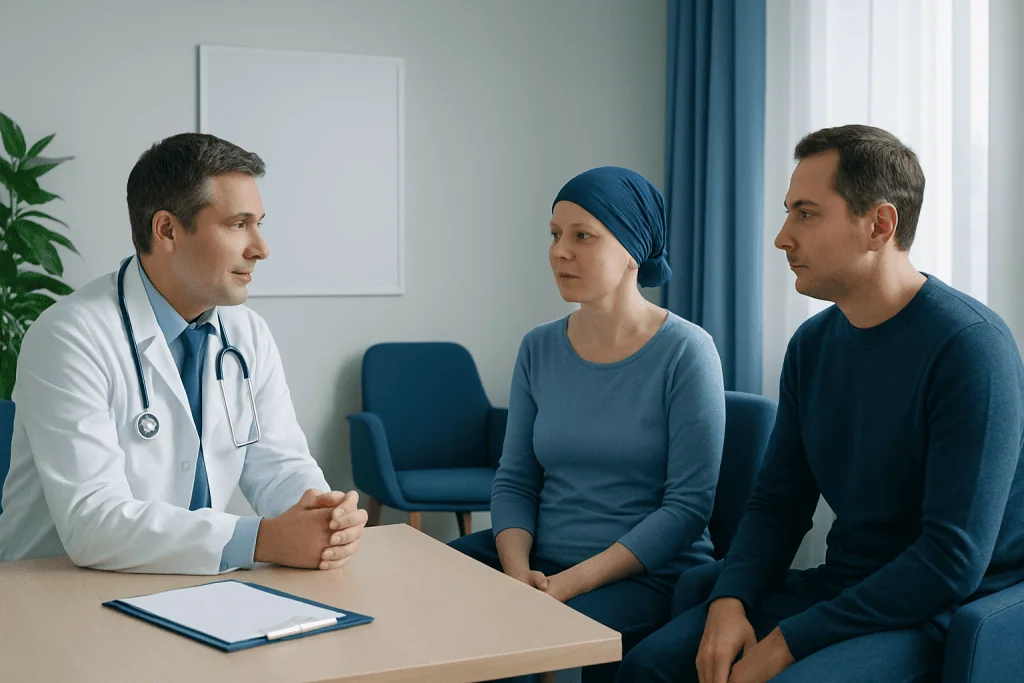
Most people diagnosed with cancer should discuss their case with an oncology team. The best oncology treatment is not the same for every person with the same cancer name. Two tumors can behave differently because of their stage, cell type and molecular characteristics, and people may have different health conditions, daily responsibilities and priorities.
Before treatment begins, clinicians commonly review biopsy results, imaging and blood tests. They determine whether the cancer appears localized, regional or metastatic, although staging systems differ by cancer type. Some cancers are also tested for proteins, genes or other biomarkers that can indicate whether a targeted medicine or immunotherapy may be useful.
Care is often planned through a multidisciplinary discussion involving medical oncologists, surgical oncologists, radiation oncologists, pathologists, radiologists, nurses and other specialists. Depending on the diagnosis, related information about breast cancer or lung cancer may help patients understand why the recommended pathway differs between cancers.
Before consenting, a person should understand the goal of treatment, expected benefits, likely side effects, alternatives, timing and how treatment may affect work, fertility, mobility or other aspects of life. Seeking a second opinion can be appropriate, particularly for an uncommon cancer, a complex decision or a treatment plan that is unclear.
What happens step by step during oncology treatment
The process usually begins with confirmation of the diagnosis. A biopsy identifies the cancer cells, while scans and other tests help establish extent. The team then explains the proposed sequence of care. For example, surgery may come first for a localized tumor, while medicines may be given before surgery to shrink a tumor or after surgery to reduce recurrence risk.
Surgery aims to remove a tumor and, in some cases, nearby lymph nodes. cancer surgery may be curative, diagnostic, reconstructive or palliative, depending on the clinical situation. Recovery needs vary considerably with the operation, the site treated and a person’s baseline health.
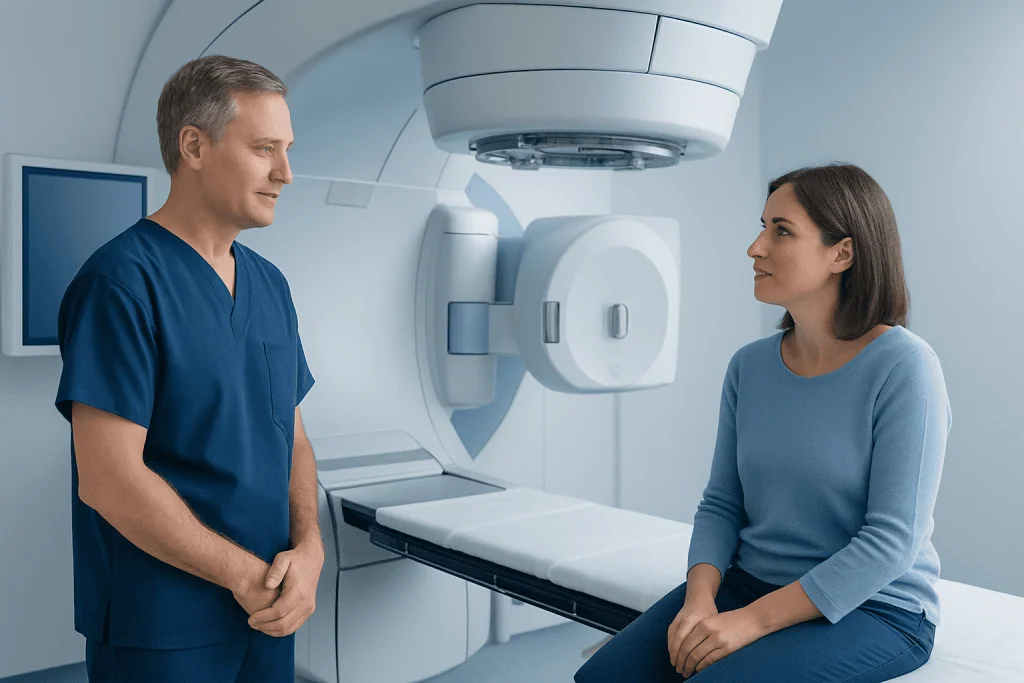
Radiation therapy uses carefully planned high-energy radiation to damage cancer cells in a specific area. radiation oncology planning typically includes imaging, mapping and several treatment sessions when external-beam radiation is used. Systemic therapy may be delivered by infusion, injection or tablets in cycles or continuously, depending on the medicine and cancer type.
Appointments during treatment include checks for side effects, blood tests when needed and adjustments to the plan. Patients should report new or worsening symptoms promptly rather than waiting for the next scheduled visit. The oncology team can advise which symptoms require urgent assessment.
Benefits, risks and recovery timeline
Potential benefits of oncology treatment include eliminating cancer, shrinking a tumor before another treatment, reducing the risk of recurrence, slowing cancer growth and easing symptoms. The likelihood of benefit depends on the cancer and treatment goal. Clinicians should explain whether the plan is intended to be curative, preventive after initial treatment, disease-controlling or symptom-focused.
Risks depend on the treatment. Surgery can involve pain, bleeding, infection, blood clots and changes in function related to the operated area. Radiation can cause fatigue and skin or organ-specific effects in the treated region. Chemotherapy may affect blood counts, energy, appetite, digestion, nerves or hair, while immunotherapy can sometimes cause inflammation in healthy organs. Targeted and hormone therapies have their own potential effects.
Recovery is individual. Some people return to many usual activities soon after an outpatient treatment, while recovery after major surgery may take weeks or longer. Fatigue can build during radiation or systemic therapy and may improve gradually after treatment ends. Follow-up care may continue for years and can include rehabilitation, surveillance testing and management of longer-term effects.
Supportive care can make treatment more manageable. Nutrition support, physical activity suited to ability, symptom medicines, fertility counseling, mental health care and rehabilitation may all be relevant. medical oncology teams coordinate systemic therapy and supportive measures while monitoring safety and response.
How do you know if cancer treatments are working?
Oncologists evaluate response using several sources of information, not symptoms alone. Depending on the cancer, this can include physical examinations, imaging scans, blood tests, tumor markers and, occasionally, repeat biopsies. Tests are scheduled at intervals that fit the treatment and cancer type, because checking too early may not provide useful information.
A reduction in tumor size can be encouraging, but it is not the only meaningful outcome. Some treatments are successful because they stop further growth, reduce the chance of recurrence after surgery or relieve symptoms. With certain immunotherapies, scans can initially look worse because immune cells have entered the tumor area, so results need careful specialist interpretation.
Feeling better can be a positive sign, but it does not always confirm tumor response; likewise, side effects do not prove that a treatment is working. If results show that cancer is not responding or side effects are unacceptable, the team may discuss changing medicines, adding a local treatment, considering a clinical trial or shifting the focus of care.
What do oncologists not tell you?
Most oncologists aim to communicate openly, but cancer information can be complex and people may not absorb every detail in one visit. Rather than assuming something has been withheld, it can help to ask direct questions about the purpose of treatment, what success would look like, the uncertainty around outcomes and what happens if the first plan does not work.
Some practical topics may need to be raised by the patient or family: expected time away from work, transport, caregiving, sexual health, fertility preservation, nutrition, financial or insurance support, emotional wellbeing and the availability of palliative care. These topics are important parts of cancer care and can be addressed by nurses, social workers, psychologists, dietitians and other members of the team.
Patients can bring a written list of questions, take notes or ask a trusted person to attend appointments. It is reasonable to ask for plain-language explanations, copies of reports and time to consider options when the clinical situation allows. No treatment can guarantee a particular result, but clear communication supports informed decisions.
What does the 62-day rule mean for cancer treatment?
The 62-day rule is a cancer-care timing target used in the United Kingdom’s National Health Service. Broadly, it refers to the aim for a person urgently referred for suspected cancer to start their first definitive cancer treatment within 62 days of referral. It is a healthcare-system performance measure, not a medical rule that applies universally to every country or every cancer.
The appropriate timing of treatment depends on how urgently the cancer needs treatment and on the tests required to make a safe, accurate plan. In some cases, additional imaging, pathology review, biomarker testing, preoperative assessment or fertility counseling is important before treatment starts. In others, urgent treatment may be necessary.
Anyone concerned about waiting times should ask their oncology team what is happening next, whether all needed tests have been arranged and whether symptoms require earlier assessment. A clinician can explain the local pathway and whether the planned timing is appropriate for the individual diagnosis.
What three cancers are the hardest to treat?
There is no single agreed list of the three hardest cancers to treat. Difficulty depends on stage at diagnosis, whether the cancer has spread, tumor biology, available treatments and a person’s health. It is more accurate to discuss the outlook for a specific diagnosis with the treating team than to rank cancers broadly.
Some cancers, including pancreatic cancer, glioblastoma and certain lung cancers, can be particularly challenging because they may be diagnosed at a later stage, grow aggressively or have limited treatment options in some situations. However, outcomes vary widely, and advances in surgery, radiation techniques, molecular testing and systemic therapies continue to change care.
A diagnosis described as difficult to treat does not mean that treatment is not possible or that supportive care is the only option. A specialist review can clarify available treatments, clinical trials where appropriate, symptom support and realistic goals based on the individual cancer rather than general comparisons.
When to seek medical care
A person should contact their oncology team promptly for new or worsening symptoms during treatment, especially fever or chills, shortness of breath, chest pain, uncontrolled vomiting or diarrhea, confusion, severe weakness, unexpected bleeding, a rapidly worsening rash, severe pain or inability to drink fluids. The team should provide written instructions and an emergency contact route tailored to the treatment being received.
Emergency medical care is appropriate for severe breathing difficulty, chest pain, signs of stroke, fainting, severe allergic symptoms or heavy bleeding. People who are not yet under cancer care should arrange a medical assessment for persistent unexplained symptoms such as a new lump, unusual bleeding, lasting changes in bowel or bladder habits, unexplained weight loss or a cough that does not improve.
Acibadem International’s multidisciplinary specialists and JCI-accredited hospitals diagnose and treat cancer for international patients, coordinating surgical, radiation and medical oncology care when appropriate. Patients should rely on their own qualified healthcare team for individualized treatment decisions and urgent advice.
Frequently asked questions
What are the main types of oncology treatment?
The main cancer treatments are surgery, radiation therapy, chemotherapy, immunotherapy, targeted therapy and hormone therapy. A person may receive one treatment or a combination, along with supportive care to manage symptoms and side effects.
Can oncology treatment cure cancer?
Some cancers can be cured, particularly when treatment removes or destroys all detectable cancer and reduces the chance of recurrence. In other situations, treatment may control cancer for a long time or relieve symptoms. The goal depends on the specific cancer and its stage.
How long does cancer treatment usually last?
Treatment duration varies greatly. Surgery may involve a single procedure, while radiation commonly takes place over a planned series of visits and systemic therapy may continue for months or longer. The oncology team can explain the expected schedule and how it may change based on response or side effects.
Should someone get a second opinion before cancer treatment?
A second opinion can be helpful for complex, rare or advanced cancers, or whenever a person wants greater confidence in the diagnosis or plan. It may confirm the recommendation or identify other reasonable options. It should be arranged without unnecessarily delaying time-sensitive treatment.
Can cancer treatment side effects be prevented?
Not all side effects can be prevented, but many can be reduced or treated. The care team may recommend medicines, dietary adjustments, activity changes, skin care, infection precautions or referrals to supportive specialists. Reporting symptoms early is one of the most useful steps a patient can take.
What questions should patients ask their oncologist?
Helpful questions include the goal of treatment, expected benefits, common and serious risks, alternatives, treatment schedule and how response will be measured. Patients may also ask about fertility, daily activities, nutrition, emotional support, clinical trials and who to call about urgent symptoms.
References
- World Health Organization
- National Cancer Institute
- American Cancer Society
- European Society for Medical Oncology
- National Health Service
This article is for general information only and is not a substitute for professional medical advice. Please consult a qualified doctor about your individual situation.
Oncology care in Turkey — second opinion and treatment plan
JCI-accredited · board-certified surgeons · reply within 24h
Add us as a Preferred Source to see more of our trusted health content across Google Search, AI Overviews and Discover.