Open Sore — Explained by Medical Evidence, Not Myths

An open sore is not a diagnosis by itself; it is a sign with many possible causes. Most minor sores heal with gentle cleaning, protection, and time, but persistent or worsening sores need evaluation.
Key Takeaways
- An open sore is not a diagnosis by itself; it is a sign with many possible causes.
- Most minor sores heal with gentle cleaning, protection, and time, but persistent or worsening sores need evaluation.
- Warning signs include increasing redness, swelling, pus, bad odor, fever, severe pain, or blackened tissue.
- People with diabetes, poor circulation, reduced mobility, or weakened immunity have a higher risk of complications.
- Medical treatment depends on the cause and may include dressings, infection treatment, pressure relief, or specialist wound care.
An open sore is a visible break in the skin or lining of the body that exposes underlying tissue and may ooze, crust, or heal slowly. Some sores improve with simple wound care, but others signal infection, poor circulation, pressure injury, diabetes, or another health condition that needs medical attention.
What an Open Sore Means
An open sore is a break in the skin or a body lining, such as the mouth or genital area, where the protective surface has been lost. In everyday language, people may use the term for cuts, ulcers, pressure injuries, infected blisters, or wounds that are not healing as expected. The key point is that an open sore is a description of what can be seen, not the cause behind it.
Medical evidence shows that sores develop for many reasons. They may follow trauma, friction, burns, skin disease, infection, poor blood flow, nerve damage, or prolonged pressure on one area of the body. Some sores are shallow and heal within days, while others are deeper and need professional care to prevent infection, tissue damage, or scarring.
Because the causes vary widely, the most useful question is not only “how to dry it up” or “which cream to use,” but also “why did it appear and why is it not healing?” That is especially important when a sore comes back, grows larger, appears without a clear injury, or affects someone with diabetes or circulation problems.
Common Symptoms and How Sores Can Look
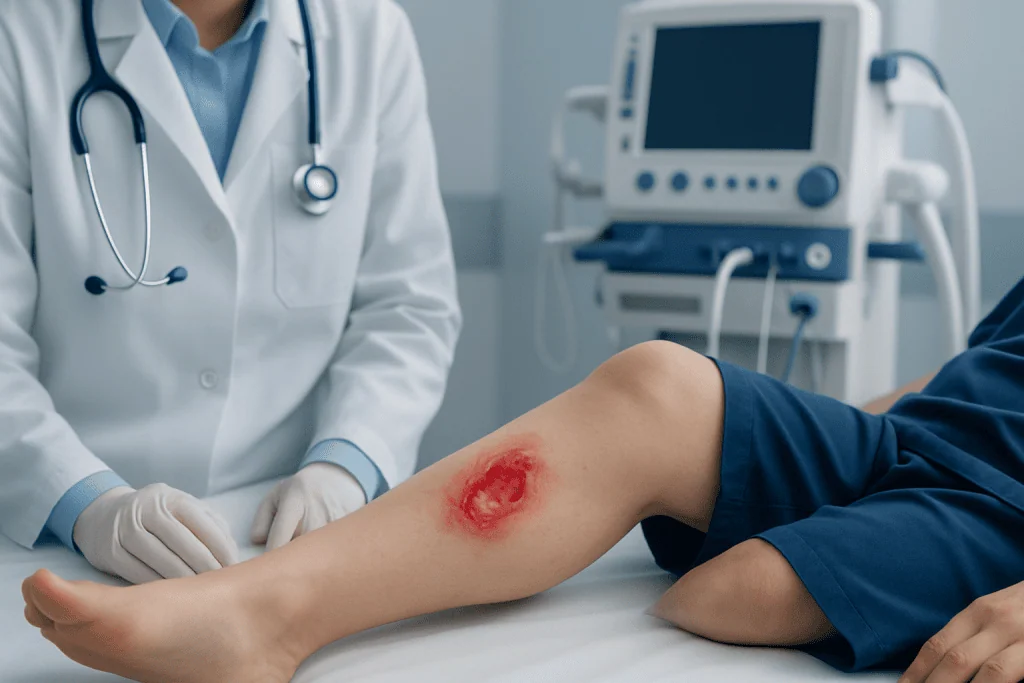
An open sore may look red, pink, raw, yellow, or dark depending on its cause and stage of healing. It can be moist, crusted, or draining clear fluid, blood, or pus. Some sores are painful, burning, or itchy, while others cause little pain, especially in people with nerve damage.
Features that help describe a sore include its size, depth, edges, location, and whether the surrounding skin is warm, swollen, hard, dry, or discolored. For example, pressure-related sores often develop over bony areas such as the heels, hips, tailbone, or elbows. Sores related to poor venous circulation may appear on the lower legs, while sores linked to diabetes can develop on the feet.
People should not assume that a sore is minor just because it is small. A small opening can hide deeper tissue involvement, and a painless sore may still be serious. Medical evaluation is especially important when a sore is spreading, smells unpleasant, forms a black scab, or has redness that extends into the surrounding skin.
- Pain, tenderness, burning, or itching
- Redness, swelling, warmth, or drainage
- Crusting, bleeding, or delayed healing
- Changes in skin color around the area
- Fever or feeling unwell, which may suggest infection
Causes and Risk Factors

Open sores can result from simple skin injury, but many arise when healing is slowed or tissue is damaged repeatedly. Common causes include cuts, scrapes, burns, insect bites, friction from shoes, and pressure from staying in one position for too long. Skin conditions such as eczema, contact dermatitis, or blistering disorders may also leave open areas when the skin barrier breaks down.
Infection is another important cause. Bacteria can infect a minor wound and turn it into a draining, painful sore. Viral infections, such as cold sores or genital herpes, may produce open lesions after blisters break. Some chronic sores are ulcers caused by poor blood flow, vein disease, diabetes, or reduced sensation in the feet. In a few cases, a sore that does not heal may be linked to skin cancer or another serious condition and should not be ignored.
Certain factors make complications more likely. These include diabetes, smoking, obesity, limited mobility, poor nutrition, advanced age, immune suppression, and vascular disease. People with nerve damage may not notice an injury early, allowing it to worsen. Relevant underlying conditions may include diabetic foot problems or varicose veins with chronic leg swelling and skin changes.
How Doctors Diagnose the Cause
Diagnosis starts with a careful history and physical examination. A clinician will ask when the sore began, whether there was an injury, how quickly it has changed, and whether there is pain, drainage, fever, numbness, or swelling. They will also review medical conditions such as diabetes, circulation problems, autoimmune disease, and recent medications that may affect healing.
During the examination, the doctor checks the sore’s depth, edges, color, drainage, smell, and surrounding skin. They may also assess blood flow, sensation, swelling, and signs of pressure or repeated friction. If infection is suspected, a sample may be taken for testing. Blood tests, imaging, or vascular studies may be used when deeper infection, poor circulation, or hidden tissue damage is a concern.
Some long-lasting sores need biopsy to rule out cancer or unusual inflammatory disease. This step can sound worrying, but it is a practical way to clarify the diagnosis when a wound behaves differently from a routine injury. Identifying the cause is what guides the right treatment, because the approach for an infected cut is very different from the approach for a pressure ulcer or circulation-related ulcer.
Treatment Options for an Open Sore
Treatment depends on the cause, location, depth, and whether infection or poor circulation is present. Basic care often includes gentle cleansing, protecting the area with an appropriate dressing, reducing pressure or friction, and keeping the surrounding skin healthy. It is generally best to avoid harsh antiseptics, repeated scrubbing, or unproven home remedies that can irritate tissue and slow healing.
If infection is present, treatment may include topical or oral medication chosen by a doctor. If dead tissue is preventing healing, debridement may be needed to remove it safely. Pressure sores improve only when pressure is relieved consistently, while diabetic foot ulcers often require off-loading, foot protection, and close follow-up. Some wounds also benefit from advanced dressings or specialist wound care to support healing.
When poor blood flow is the main issue, treating the circulation problem is often essential. A sore caused by venous disease may improve with compression if a clinician confirms it is safe, while arterial ulcers may need vascular assessment before compression is used. In selected cases, doctors may recommend varicose vein treatment or vascular surgery as part of the broader plan.
For international patients with complex or slow-healing wounds, Acibadem International’s multidisciplinary specialists in JCI-accredited hospitals evaluate the underlying cause and coordinate medical, surgical, and wound-management care when needed.
Self-Care, Prevention, and What Not to Do
Many minor sores can be cared for safely at home while they heal, but the goal should be to support natural healing rather than “drying out” the wound aggressively. Gentle washing with clean water or saline, careful drying of the surrounding skin, and a clean dressing are often enough. Hands should be washed before and after touching the area.
Prevention focuses on reducing repeat injury and improving the conditions the skin needs to recover. That may mean wearing properly fitting shoes, changing position frequently if mobility is limited, managing blood sugar, stopping smoking, staying hydrated, and getting enough protein and nutrients. Daily skin checks are especially important for people with diabetes, poor circulation, or reduced sensation.
Some common habits can make sores worse. Picking scabs, using tight bandages without advice, applying strong chemicals, or taking leftover antibiotics without a doctor’s guidance may delay healing or mask a problem. If a wound is not improving within a reasonable time, or if it worsens despite home care, professional evaluation is the safer choice.
- Clean gently and protect the sore from further rubbing or pressure
- Change dressings as advised and watch for new redness or drainage
- Control chronic conditions such as diabetes and circulation disorders
- Avoid smoking, which can impair blood flow and healing
- Seek advice before using medicated creams on a persistent sore
When to Seek Medical Care
Medical care is appropriate any time an open sore is deep, caused by a bite or burn, located on the foot of a person with diabetes, or not healing as expected. It is also wise to get checked if the sore keeps returning, appears without a clear reason, or develops over a mole, scar, or area of chronic skin change. These situations may need more than routine first aid.
Urgent assessment is needed if there are signs of infection or tissue damage. Warning signs include rapidly spreading redness, increasing warmth or swelling, pus, a foul odor, fever, severe or worsening pain, red streaks, or black or grey tissue. A person should also seek prompt care if they feel faint, confused, or very unwell.
Even when symptoms are mild, a healthcare professional should review sores that persist for several weeks, especially in older adults or in people with diabetes, vein disease, or limited mobility. Early treatment can reduce the risk of infection, hospitalization, and long-term skin breakdown.
Frequently asked questions
Is an open sore the same as an ulcer?
Not always. An open sore is a general term for a break in the skin or lining, while an ulcer usually refers to a deeper sore that may heal slowly and is often linked to pressure, poor circulation, diabetes, or another medical cause. A doctor can tell the difference by examining the area and looking at the wider health picture.
How long should an open sore take to heal?
A small, uncomplicated sore may improve within days to a couple of weeks. Healing can take longer if the wound is deep, repeatedly irritated, infected, or affected by diabetes or poor blood flow. If it is not clearly improving, medical advice is important.
Should an open sore be kept dry or moist?
Many wounds heal best in a protected, slightly moist environment rather than being left open to dry out completely. The right dressing depends on the type of sore and how much it drains. A clinician can advise on the safest approach for a specific wound.
What are signs that an open sore is infected?
Common signs include increasing redness, warmth, swelling, pain, pus, bad odor, and delayed healing. Fever, chills, or red streaks from the wound can mean the infection is spreading and should be assessed urgently. Any infected-looking sore on the foot of a person with diabetes deserves prompt attention.
Can an open sore heal on its own?
Yes, many minor sores do heal with simple cleaning, protection, and time. However, healing is less likely if the sore is under constant pressure, has poor circulation, is repeatedly traumatized, or is infected. Persistent or unusual sores should not be managed by trial and error for too long.
When is an open sore a possible sign of something serious?
A sore may point to a more serious problem if it does not heal, comes back often, appears without an injury, or develops alongside weight loss, fever, leg swelling, numbness, or darkening tissue. A chronic sore can occasionally be related to skin cancer or a circulation problem. That is why a lasting sore should be professionally evaluated rather than ignored.
References
- World Health Organization
- Centers for Disease Control and Prevention
- National Institute of Diabetes and Digestive and Kidney Diseases
- American Academy of Dermatology
- National Health Service
This article is for general information only and is not a substitute for professional medical advice. Please consult a qualified doctor about your individual situation.
Persistent digestive symptoms? Get evaluated in Turkey
JCI-accredited · board-certified surgeons · reply within 24h
Add us as a Preferred Source to see more of our trusted health content across Google Search, AI Overviews and Discover.