Open Wound: What Patients Need to Know

An open wound can range from a small cut to a deeper injury involving tissue beneath the skin. Early cleaning, bleeding control, and a clean dressing help reduce infection risk.
Key Takeaways
- An open wound can range from a small cut to a deeper injury involving tissue beneath the skin.
- Early cleaning, bleeding control, and a clean dressing help reduce infection risk.
- Redness that spreads, increasing pain, pus, bad odor, or fever may suggest infection.
- Some wounds need stitches, surgical care, or tetanus protection depending on the cause and depth.
- People with diabetes, poor circulation, or weakened immunity may need earlier medical evaluation.
An open wound is a break in the skin or deeper tissue that leaves the body exposed to germs, bleeding, and irritation. Many minor wounds heal with prompt cleaning and proper dressing, but deeper, dirty, or non-healing wounds should be assessed by a healthcare professional.
Overview: What an Open Wound Means
An open wound is an injury in which the skin is broken, exposing tissue underneath. This can happen after a cut, scrape, puncture, tear, bite, or surgical injury. The main concerns are bleeding, contamination, pain, and how well the tissue heals over time.
Not all open wounds are the same. A superficial abrasion may affect only the outer layer of skin, while a deep laceration or puncture can reach fat, muscle, tendons, or other structures. The type, depth, and location of the wound help determine whether home care is enough or whether medical treatment is needed.
Wound healing usually follows a predictable process. The body first works to stop bleeding, then manages inflammation, builds new tissue, and gradually strengthens the repaired area. Healing can be delayed by infection, repeated friction, poor blood flow, certain medications, smoking, or conditions such as diabetes.
Common Types and Symptoms
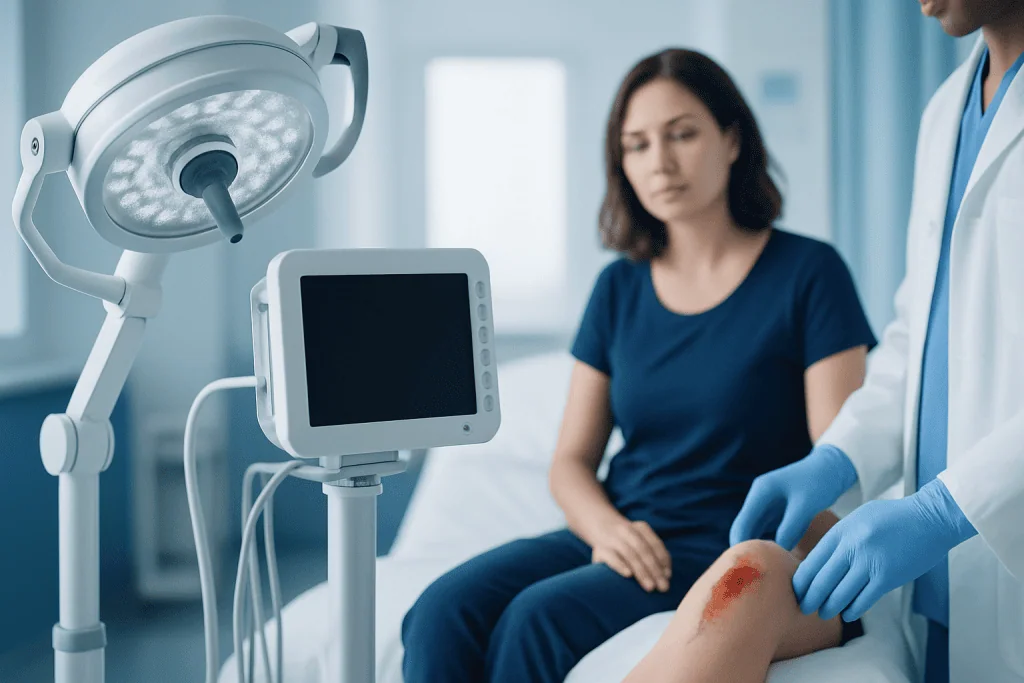
Open wounds are often described by how they happen. A cut from a sharp object is called a laceration or incision, a scrape is an abrasion, a pointed object can cause a puncture wound, and a forceful impact may create a tear or avulsion. Pressure-related skin breakdown and surgical wounds are also forms of open wounds.
Typical symptoms include pain, bleeding, swelling, tenderness, and visible skin separation. Some wounds also ooze clear fluid for a short time as part of normal healing. A scab may form, or the wound may remain moist under a dressing while new tissue grows.
Symptoms that may suggest a more serious injury include heavy bleeding, loss of movement, numbness, exposed fat or muscle, debris embedded in the wound, or a wound edge that gapes open. Infection warning signs can include increasing redness, warmth, swelling, pus, worsening pain, a foul smell, or fever.
- Abrasions: surface scraping and raw skin
- Lacerations: cuts with separated wound edges
- Punctures: small entry point but potentially deeper injury
- Avulsions: tissue torn away or hanging loose
- Bites: higher infection risk because of bacteria from the mouth
Causes, Risk Factors, and Why Some Wounds Heal Slowly
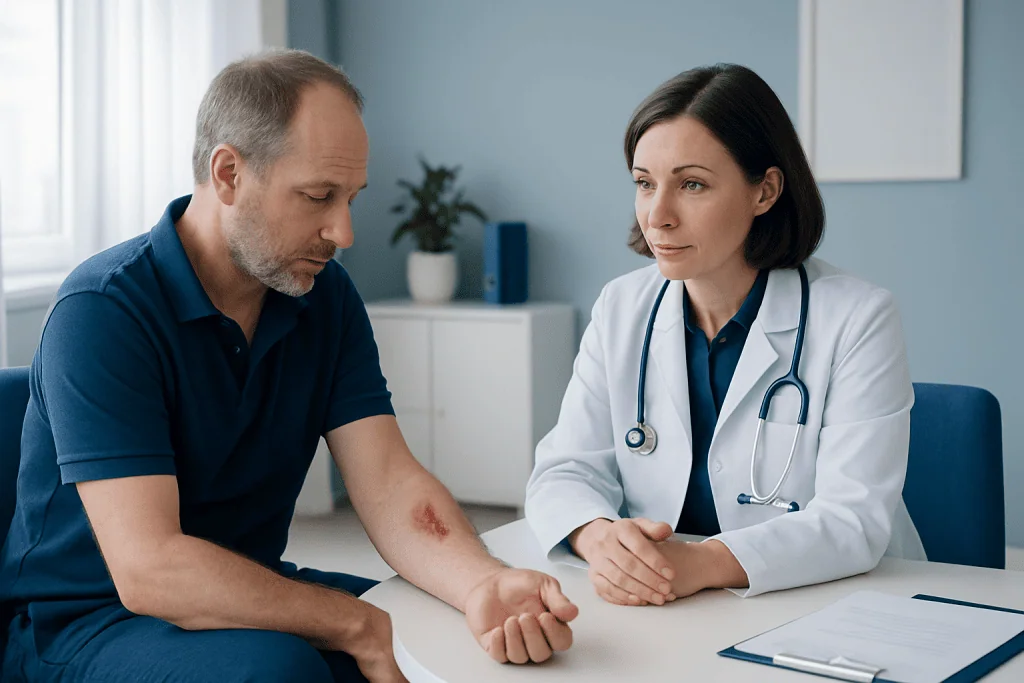
Open wounds can result from everyday accidents, sports injuries, workplace injuries, falls, road traffic accidents, animal bites, or surgery. The amount of contamination matters. A wound caused by dirt, metal, glass, or a bite may carry a higher chance of infection than a clean cut from a household item.
Some people are more likely to have delayed healing or complications. Risk factors include older age, smoking, poor nutrition, obesity, poor circulation, nerve damage, and immune suppression. Chronic conditions such as diabetes and vascular disease can reduce blood flow or sensation, making wounds easier to miss and slower to heal. In certain cases, persistent wounds may become diabetic foot ulcers or other chronic skin injuries.
Medicines can also affect healing. Blood thinners may make bleeding harder to control, while steroids and some cancer treatments may slow tissue repair. Repeated pressure, friction, or moisture can further damage skin and interfere with recovery, especially on the feet, lower legs, or areas under dressings.
First Aid and Day-to-Day Open Wound Care
Immediate first aid focuses on safety, bleeding control, and gentle cleaning. Hands should be cleaned first if possible. Direct pressure with clean gauze or cloth is often enough for minor bleeding. Once bleeding is controlled, the wound can usually be rinsed with clean running water to remove dirt and reduce contamination.
After cleaning, a healthcare professional may advise applying a suitable wound product and covering the area with a clean dressing. Keeping the wound slightly moist, rather than letting it dry out completely, often supports healing and may reduce scarring. Dressings should be changed as instructed or sooner if they become wet, dirty, or loose.
At home, people should watch for changes rather than only the wound’s appearance on the first day. Mild tenderness and redness around the edges may happen early, but worsening swelling, increased drainage, spreading redness, or stronger pain deserve attention. Ongoing wound support may include specialized wound care when a wound is slow to improve or needs expert dressing selection.
- Wash hands before touching the wound or dressing
- Use clean water to rinse away visible debris
- Avoid picking at scabs or repeatedly disturbing healing tissue
- Protect the area from friction, pressure, and further injury
- Follow medical advice about dressings, bathing, and activity
How Doctors Diagnose an Open Wound
Diagnosis begins with a physical examination. A doctor looks at the wound’s size, depth, location, contamination, bleeding, and whether deeper structures may be involved. Sensation, movement, circulation, and pain are also checked, especially if the wound is near fingers, joints, the face, or the feet.
Additional tests are not always needed for simple wounds. However, imaging may be used if there is concern about a foreign body such as glass, bone injury, or damage below the skin surface. If infection is suspected, a clinician may assess the surrounding skin and sometimes order tests based on the person’s symptoms and medical history.
Chronic or complex wounds may need a broader evaluation to identify why healing has stalled. This may include checking blood sugar control, circulation, pressure points, nutrition, or signs of infection in deeper tissue. In selected cases, surgical teams, dermatology, endocrinology, vascular specialists, or plastic and reconstructive surgery teams may help plan wound closure and tissue repair.
Treatment Options for Minor, Deep, and Infected Wounds
Treatment depends on the wound type and the person’s overall health. Minor wounds may need cleaning, dressing, pain management, and observation. Deeper wounds may require closure with stitches, staples, adhesive strips, or medical glue. A doctor may also remove dead tissue or debris to create a cleaner surface for healing.
Antibiotics are not needed for every open wound, but they may be recommended when there is clear infection, a bite injury, heavy contamination, or high risk of complications. Tetanus protection is another important part of care. The need for a tetanus booster depends on the wound and the person’s vaccination history.
Some wounds benefit from advanced approaches, especially if healing is delayed. These can include debridement, pressure relief, moisture-balancing dressings, infection control, and management of underlying conditions such as diabetes or poor circulation. If a wound is extensive, complex, or difficult to close, surgical treatment may be considered to remove damaged tissue or repair affected structures.
For international patients with complex wounds or healing problems, Acibadem International’s multidisciplinary specialists in JCI-accredited hospitals provide diagnosis and treatment plans tailored to the cause, wound depth, and overall health needs.
Prevention, Healing Support, and Scar Care
Many open wounds can be prevented through everyday safety habits. Wearing protective footwear and gloves, using appropriate sports or work equipment, and reducing fall risks at home can lower the chance of injury. People with reduced sensation in the feet should inspect their skin regularly, especially if they have diabetes or circulation problems.
Healing support also matters after the injury occurs. Good nutrition, enough protein, hydration, not smoking, and managing chronic conditions can all help the body repair tissue. Keeping pressure off vulnerable areas and following dressing instructions reduce setbacks and may shorten recovery time.
Scar formation is part of normal healing, but the final appearance varies by wound depth, location, and skin type. Once the skin has closed, clinicians may suggest strategies such as sun protection and scar-friendly skin care. However, any product used on or near a healing wound should be discussed with a healthcare professional first, especially if the area remains open or sensitive.
When to Seek Medical Care
Medical care is important if an open wound is deep, wide, dirty, caused by a bite, or does not stop bleeding with steady pressure. A prompt evaluation is also recommended for wounds involving the face, eyes, hands, genitals, joints, or feet, and for any injury with numbness, weakness, or trouble moving the area.
People should contact a doctor if they notice spreading redness, increasing swelling, pus, worsening pain, fever, or an unpleasant smell. These signs do not always mean a serious infection, but they should not be ignored. Early treatment can prevent deeper tissue damage and help preserve function.
Individuals with diabetes, poor circulation, immune suppression, or a history of slow healing should seek advice sooner rather than later. A wound that remains open, repeatedly breaks down, or seems to be getting larger deserves professional assessment.
Frequently asked questions
What is considered an open wound?
An open wound is any injury that breaks the skin and exposes the tissue beneath it. It can be as minor as a scrape or as significant as a deep cut, puncture, or tear.
Can an open wound heal on its own?
Many small, clean wounds heal on their own with proper first aid and regular dressing changes. Deeper, contaminated, or slow-healing wounds may need medical treatment to reduce infection risk and support closure.
How can someone tell if an open wound is infected?
Possible signs of infection include redness that spreads, warmth, swelling, pus, worsening pain, bad odor, or fever. Because some early irritation can look similar, a clinician should assess symptoms that are increasing rather than improving.
Should an open wound be kept dry or covered?
In general, a clean, covered wound heals better than one that is repeatedly exposed and irritated. A healthcare professional may recommend a dressing that protects the area while maintaining a suitable healing environment.
When are stitches needed for an open wound?
Stitches may be needed when wound edges are far apart, bleeding is difficult to control, or the injury is deep and may heal poorly without closure. Timing matters, so it is best to have a fresh wound assessed promptly.
Do all open wounds need antibiotics?
No. Antibiotics are not routinely needed for every wound. They may be used when there is clear infection, a high-risk bite, significant contamination, or a person's medical condition raises the risk of complications.
This article is for general information only and is not a substitute for professional medical advice. Please consult a qualified doctor about your individual situation.
Explore treatments in Turkey — costs, top hospitals & a free quote
JCI-accredited · board-certified surgeons · reply within 24h
Add us as a Preferred Source to see more of our trusted health content across Google Search, AI Overviews and Discover.

More from the Health Library
Cryo Facial: A Complete Medical Overview

Thieves Oil: A Complete Medical Overview

Calcaneus Fracture: A Complete Medical Overview

Emulsifier: An Evidence-Based Guide for Patients

Grounding Mat: An Evidence-Based Guide for Patients