Ophthalmology: A Complete Medical Overview

Ophthalmology is a medical specialty dedicated to eye health, vision, and diseases of the eyes. An ophthalmologist is a medical doctor who can examine the eyes, prescribe treatment, and perform surgery.
Key Takeaways
- Ophthalmology is a medical specialty dedicated to eye health, vision, and diseases of the eyes.
- An ophthalmologist is a medical doctor who can examine the eyes, prescribe treatment, and perform surgery.
- Regular eye exams can detect common conditions such as cataracts, glaucoma, diabetic eye disease, and retinal problems.
- Symptoms like sudden vision loss, severe eye pain, flashes, or new floaters need prompt medical attention.
- Protective eyewear, chronic disease control, and healthy lifestyle habits support long-term eye health.
Ophthalmology is the branch of medicine that diagnoses, treats, and helps prevent disorders of the eyes and visual system. It covers routine vision care, medical treatment of eye disease, emergency eye problems, and specialized eye surgery when needed.
What ophthalmology means in medical care
Ophthalmology is the medical specialty concerned with the eyes, vision, and the structures that support sight. It includes prevention, diagnosis, medical treatment, and surgery for a wide range of eye conditions. In practical terms, ophthalmology helps people preserve vision, manage eye disease, treat injuries, and improve daily visual function.
An ophthalmologist is a physician trained in both medicine and eye care. Unlike providers who focus only on vision correction, ophthalmologists can evaluate the whole eye, recognize how general health affects vision, prescribe medications, and perform procedures or operations when necessary. This makes ophthalmology important not only for blurred vision, but also for conditions linked to aging, diabetes, autoimmune disease, high blood pressure, trauma, and infections.
Modern ophthalmology covers many subspecialties, such as cornea and external eye disease, retina, glaucoma, pediatric ophthalmology, oculoplastics, neuro-ophthalmology, and refractive surgery. This broad scope means care can range from a routine eye examination to advanced treatment for complex disorders affecting the lens, optic nerve, retina, or eye muscles.
What conditions ophthalmologists diagnose and treat
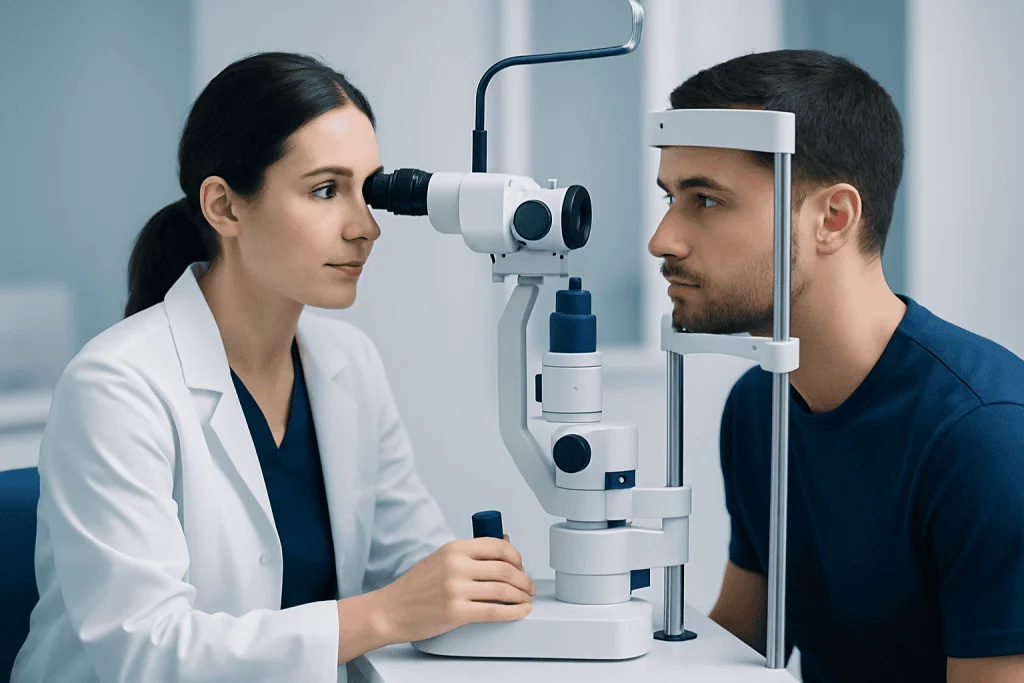
Ophthalmologists care for both common and complex eye problems. Many people see an eye specialist for everyday concerns such as blurred vision, dry eyes, allergies, eye strain, redness, or age-related changes in sight. Others need assessment for chronic conditions that may develop gradually and cause few symptoms at first.
Examples of diseases commonly managed in ophthalmology include cataracts, glaucoma, retinal disorders, diabetic eye disease, macular degeneration, uveitis, corneal disease, eyelid disorders, and eye infections. They also evaluate injuries from chemicals, foreign bodies, sports accidents, or workplace trauma. Some conditions can threaten vision if treatment is delayed, so specialist assessment can be important even when symptoms seem mild.
Ophthalmology also overlaps with broader medical care. Diabetes, hypertension, thyroid disease, autoimmune disorders, neurological conditions, and infections can all affect the eyes. A detailed eye examination may sometimes be the first place where signs of a wider health problem are identified. When needed, ophthalmologists work with internists, endocrinologists, neurologists, rheumatologists, pediatricians, and emergency physicians.
Patients may hear about specific eye disorders such as glaucoma or cataracts during an evaluation. In these cases, the ophthalmology team explains how the condition affects vision, whether it is stable or progressive, and which follow-up tests or treatments are most appropriate.
Symptoms and signs that may need an eye evaluation

Eye symptoms can develop suddenly or gradually. Some are minor and temporary, while others signal a problem that should be checked by a doctor. Changes that affect only one eye can be especially important because they may be harder to notice at first.
Common reasons to seek ophthalmology care include:
- Blurred, dim, or fluctuating vision
- Difficulty seeing at night or trouble with glare
- Eye pain, pressure, redness, or light sensitivity
- Dryness, burning, itching, or excessive tearing
- New floaters, flashes of light, or shadows in the field of vision
- Double vision
- Swelling of the eyelids or discharge from the eye
- Headaches related to focusing or visual effort
In children, warning signs may include frequent eye rubbing, squinting, crossing of the eyes, sitting too close to screens, poor visual tracking, or school difficulties related to seeing clearly. Older adults may notice gradual loss of central or peripheral vision, color changes, or increased sensitivity to bright light. Even without obvious symptoms, routine exams remain important because some diseases, especially glaucoma and diabetic retinal disease, may progress silently.
How ophthalmologists examine the eyes
Ophthalmology uses a combination of medical history, visual testing, and examination of the eye’s structures. The doctor will usually ask about symptoms, general health, medications, family history, past injuries, and whether systemic conditions such as diabetes or autoimmune disease are present. This background often helps guide which tests are needed.
A standard assessment may include checking visual acuity, eye pressure, pupil responses, eye movements, peripheral vision, and the health of the eyelids, cornea, lens, retina, and optic nerve. Special instruments allow the ophthalmologist to look at the front and back of the eye in detail. In some cases, eye drops are used to dilate the pupils so the retina and optic nerve can be examined more thoroughly.
Additional tests may be recommended depending on the suspected problem. These can include optical coherence tomography to assess the retina or optic nerve, visual field testing, corneal topography, ultrasound, retinal imaging, or measurement of the eye’s focusing power. If cataracts are affecting daily activities, a full evaluation may lead to discussion of cataract surgery. For retinal disease, imaging helps monitor damage and guide treatment plans, including care for retinal detachment when urgent signs are present.
Treatment options in ophthalmology
Treatment in ophthalmology depends on the cause, severity, and impact of the condition. Some problems improve with observation, lifestyle changes, lubricating drops, allergy treatment, or prescription medications. Others may require laser therapy, in-office procedures, or surgery to protect vision or restore comfort. The aim is not only to treat the immediate issue but also to preserve long-term eye function.
Medical treatments can include antibiotic, antiviral, anti-inflammatory, pressure-lowering, or lubricating eye drops, as well as tablets or injections in selected cases. Chronic diseases such as glaucoma often require long-term monitoring and treatment adjustments. Eye specialists also coordinate with other doctors when systemic conditions such as diabetes, thyroid disease, or inflammatory disorders are contributing to eye symptoms.
Surgical care is an important part of ophthalmology. Common procedures include laser eye surgery for selected refractive problems, surgery for cataracts, and advanced treatment for retinal or eyelid conditions. For patients with vitreoretinal disease, procedures such as vitrectomy may be recommended to treat bleeding, retinal tears, certain macular disorders, or complications of diabetes. The doctor explains the goals, expected recovery, possible risks, and whether treatment is urgent or elective.
Because eye conditions vary widely, treatment plans are individualized. Factors such as age, occupation, visual needs, general health, and whether one or both eyes are affected all influence decisions. A clear explanation and regular follow-up help patients understand how to use medications correctly and when to return for monitoring.
Protecting eye health in daily life
Good eye care is not limited to treating disease after symptoms appear. Preventive steps can lower the risk of injury, support comfortable vision, and help detect conditions earlier. Adults with diabetes, high blood pressure, autoimmune disease, or a strong family history of eye problems often benefit from regular ophthalmic review even when they feel well.
Practical self-care measures include wearing sunglasses that block ultraviolet light, using protective eyewear during sports or hazardous work, managing screen time with regular breaks, and maintaining good contact lens hygiene. People who spend long hours on digital devices may reduce strain by blinking more often, adjusting screen position, and using artificial tears if recommended.
General health also matters. Controlling blood sugar and blood pressure, not smoking, staying physically active, and eating a balanced diet rich in vegetables and other nutrient-dense foods can support eye health over time. Patients should avoid using someone else’s eye drops or delaying treatment for red, painful, or injured eyes. If a chemical enters the eye, immediate rinsing with clean water and urgent medical advice are important.
When to seek medical care
Some eye symptoms should not wait for a routine appointment. Prompt medical care is recommended for sudden vision loss, severe eye pain, flashes of light with many new floaters, a dark curtain over part of the vision, chemical exposure, significant injury, or a red eye with marked sensitivity to light. These symptoms can be associated with urgent conditions that may threaten sight if treatment is delayed.
Medical advice is also important for persistent blurred vision, worsening headaches with visual symptoms, double vision, new swelling around the eye, or redness that does not improve. People with diabetes should have regular eye checks even if they notice no problems, because retinal changes can begin before vision is clearly affected. Children with suspected vision problems should be assessed rather than waiting for them to “grow out of it.”
Near the end of the care pathway, patients may benefit from coordinated support from specialists in different fields. Acibadem International’s multidisciplinary specialists and JCI-accredited hospitals diagnose and treat a wide range of eye conditions for international patients, from routine evaluations to complex surgical care.
Frequently asked questions
What is ophthalmology?
Ophthalmology is the medical specialty focused on the eyes, vision, and diseases that affect them. It includes routine eye examinations, diagnosis of eye disorders, medical treatment, and surgical care when needed.
What is the difference between an ophthalmologist and an optometrist?
An ophthalmologist is a medical doctor who can diagnose eye disease, prescribe medications, and perform surgery. An optometrist provides vision testing and many aspects of primary eye care, but does not perform the full range of medical and surgical treatments offered by an ophthalmologist.
How often should a person have an eye exam?
The ideal schedule depends on age, symptoms, and medical history. People with diabetes, glaucoma risk, previous eye disease, or vision changes may need more frequent checks, while others can follow a routine schedule recommended by their eye doctor.
Can eye diseases develop without symptoms?
Yes. Some important eye conditions, especially glaucoma and diabetic retinal disease, may progress quietly in the early stages. Regular eye examinations help detect these problems before they cause significant vision loss.
Are all vision problems treated with surgery?
No. Many eye conditions are managed with glasses, lubricating drops, medications, observation, or laser-based treatments. Surgery is used when it offers the best chance to improve vision, relieve symptoms, or prevent further damage.
When is an eye problem considered urgent?
Urgent symptoms include sudden vision loss, severe pain, many new floaters, flashes of light, chemical injury, or trauma to the eye. These symptoms should be assessed promptly because some causes can affect vision permanently if care is delayed.
References
- American Academy of Ophthalmology
- National Eye Institute
- Centers for Disease Control and Prevention
- World Health Organization
- American Association for Pediatric Ophthalmology and Strabismus
This article is for general information only and is not a substitute for professional medical advice. Please consult a qualified doctor about your individual situation.
Explore treatments in Turkey — costs, top hospitals & a free quote
JCI-accredited · board-certified surgeons · reply within 24h
Add us as a Preferred Source to see more of our trusted health content across Google Search, AI Overviews and Discover.
Check your numbers in seconds
BMI, calories, due date, blood pressure and 30+ more clinical calculators — free, instant, doctor-reviewed ranges.

More from the Health Library



Related Specialists
Dr. Rezan Yildirim
Gynecology & Obstetrics
Prof. Dr. Hale Göksever Çelik
Gynecology & Obstetrics
Dr. Ersın Adem Hadzhıyuseın
Inpatient Clinic Physicians
Dr. Adnan Abbasoğlu
Orthopedic Surgery & Traumatology