Optometrist — Explained by Medical Evidence, Not Myths

An optometrist provides primary vision and eye care, including routine eye exams and prescriptions for glasses or contact lenses. Optometrists can detect many common eye conditions and refer patients to ophthalmologists when medical or surgical treatment is needed.
Key Takeaways
- An optometrist provides primary vision and eye care, including routine eye exams and prescriptions for glasses or contact lenses.
- Optometrists can detect many common eye conditions and refer patients to ophthalmologists when medical or surgical treatment is needed.
- Regular eye exams can help find vision changes and some eye diseases before symptoms become obvious.
- Blurred vision, eye pain, sudden vision changes, flashes, or new floaters should be assessed promptly.
- Children, older adults, people with diabetes, and contact lens users often benefit from regular eye checkups.
An optometrist is a healthcare professional trained to examine the eyes, assess vision, prescribe glasses or contact lenses, and identify many common eye problems. They play an important role in routine eye care and often help patients know when a medical or surgical eye specialist should be involved.
What is an optometrist?
An optometrist is a licensed eye care professional who provides primary vision care. In practical terms, this means examining how well the eyes see, checking whether glasses or contact lenses are needed, and looking for signs of common eye conditions that may affect vision or eye comfort.
Many people use the term “eye doctor” broadly, but there are different types of professionals in eye care. An optometrist focuses on vision testing, routine eye health assessment, and the management of many non-surgical eye problems. If a patient needs an operation or treatment for a more complex eye disease, the optometrist may refer them to an ophthalmologist, a medical doctor who specializes in eye disease and surgery.
This role is important because eye problems do not always cause symptoms early on. During a routine visit, an optometrist may notice changes related to refractive errors, dry eye, cataracts, glaucoma risk, or diabetic eye disease. That makes eye exams useful not only for clearer vision, but also for protecting long-term eye health.
What does an optometrist do during an eye exam?
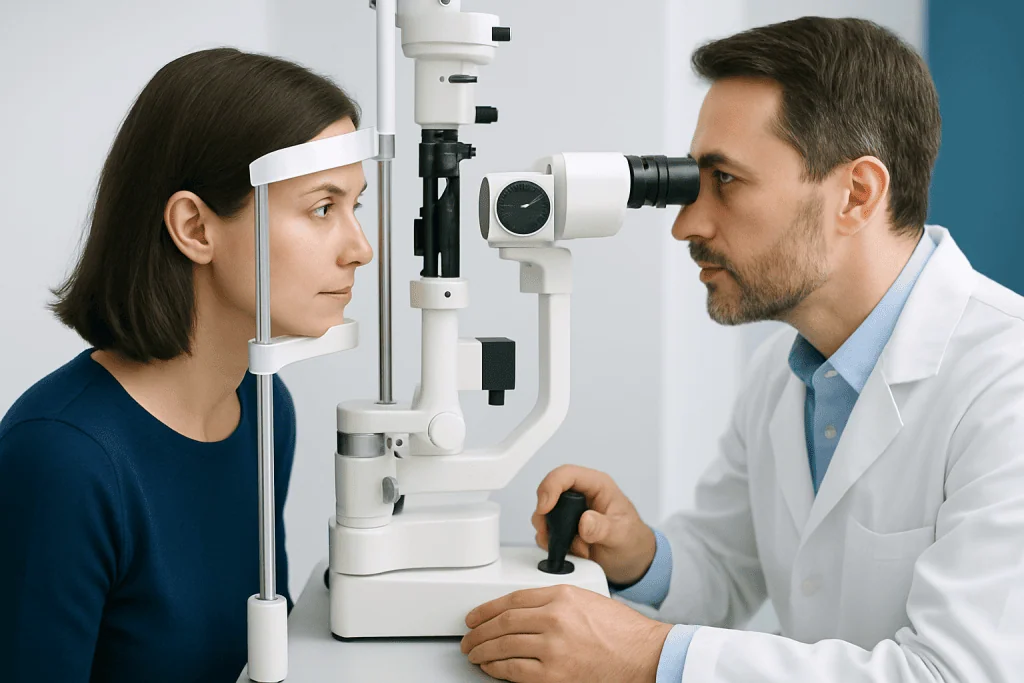
An eye exam usually begins with a discussion about symptoms, medical history, medications, and daily visual needs. The optometrist may ask whether the patient has trouble reading, driving at night, focusing on screens, or wearing contact lenses comfortably. Family history can also matter, especially for conditions such as glaucoma.
The examination often includes visual acuity testing, which measures how clearly a person sees at distance and near. Refraction is then used to determine whether glasses or contact lenses can improve vision. The optometrist also evaluates how the eyes move, how the pupils react, and how well the eyes work together.
In addition, the optometrist checks overall eye health. This may involve examining the front of the eye, measuring eye pressure when appropriate, and looking at the retina and optic nerve. Depending on the findings, they may recommend follow-up care, treatment for a common condition such as dry eye, or referral for more specialized evaluation such as laser eye surgery or cataract surgery when clinically appropriate.
Optometrist vs ophthalmologist: what is the difference?
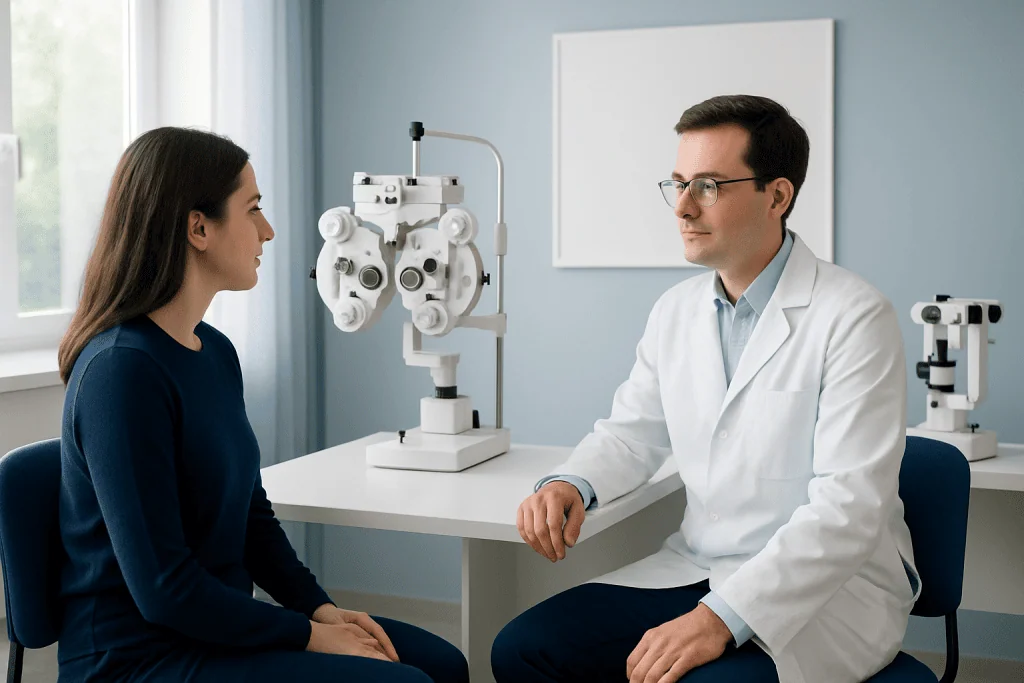
The main difference is the scope of practice. An optometrist provides routine vision care, performs eye exams, prescribes glasses and contact lenses, and manages many common eye concerns. An ophthalmologist is a physician who diagnoses and treats eye diseases medically and surgically.
For example, if someone needs an updated glasses prescription, contact lens fitting, or an evaluation for eye strain, an optometrist is often the first professional they see. If that exam suggests a condition needing advanced treatment, such as a visually significant cataract or possible glaucoma, the optometrist may coordinate referral to an ophthalmologist.
Some patients also see orthoptists, opticians, or other eye care team members. Opticians fit and dispense glasses or lenses based on a prescription, but they do not diagnose eye disease. Understanding these roles can help patients choose the right starting point while ensuring that eye symptoms are assessed efficiently.
Which conditions can an optometrist help identify?
Optometrists commonly identify refractive errors such as nearsightedness, farsightedness, astigmatism, and age-related near vision difficulty. These are frequent causes of blurred vision and often improve with glasses, contact lenses, or, for selected patients, procedures such as smart lenses or other refractive solutions after specialist assessment.
They also frequently evaluate symptoms related to dry eye, eye fatigue, allergies affecting the eyes, and contact lens discomfort. In many cases, these issues can be managed conservatively with environmental changes, tear substitutes, lid hygiene, or prescription treatment when needed.
Just as importantly, an optometrist may detect early signs of eye disease even when the patient feels well. These may include changes associated with glaucoma, diabetic retinopathy, cataracts, retinal problems, or macular disease. While not every abnormal finding means serious illness, timely recognition allows further testing or referral to protect vision as early as possible.
- Blurred vision at distance or near
- Headaches or eyestrain linked to focusing
- Dryness, burning, or gritty sensation
- Difficulty with night driving
- Changes noticed during school, work, or screen use
Who should see an optometrist regularly?
Routine eye care is helpful across the lifespan. Children may need eye exams to check for refractive errors, eye teaming problems, or visual development concerns that can affect reading and learning. Adults often seek care for prescription updates, screen-related symptoms, or age-related vision changes.
Some groups benefit especially from regular follow-up. These include older adults, people with diabetes, those with a family history of glaucoma or other eye disease, contact lens users, and anyone taking medications that can affect the eyes. Even when vision seems normal, scheduled exams can reveal silent changes that are easier to manage early.
The ideal frequency of visits varies by age, risk factors, and existing conditions. A qualified eye care professional can advise how often review is needed. For someone with a stable prescription and no risk factors, visits may be less frequent than for a person with diabetes, high eye pressure, or ongoing eye symptoms.
When to seek medical care
Some eye symptoms should not wait for a routine appointment. Prompt medical assessment is important for sudden vision loss, a new curtain-like shadow, flashes of light, a sudden shower of floaters, significant eye pain, severe redness, or injury to the eye. These symptoms can have several causes, and some need urgent treatment to protect sight.
Medical care is also advisable when blurred vision is new, worsening, or affecting daily activities; when headaches are frequent with visual tasks; or when contact lenses become painful or difficult to tolerate. A child who squints, tilts the head, rubs the eyes often, or struggles at school may also need an eye evaluation.
If symptoms suggest a disease that needs specialist treatment, the patient may be referred for ophthalmic care, including assessments relevant to retinal detachment or other urgent retinal conditions. In complex cases, Acibadem International’s multidisciplinary specialists and JCI-accredited hospitals evaluate and treat eye conditions for international patients.
How to prepare for an optometrist visit and support eye health
Preparing for an eye appointment can make the visit more useful. Patients may bring their current glasses, contact lens information, a list of medications, and notes about symptoms such as when blurring occurs or whether screen use, reading, or driving makes it worse. Mentioning medical conditions like diabetes, migraine, or autoimmune disease can also help guide the exam.
For people who wear contact lenses, following cleaning and replacement instructions carefully is an important part of eye safety. It is generally wise to avoid sleeping in lenses unless specifically approved, and to stop lens wear and seek advice if pain, redness, or light sensitivity develops. Good habits can reduce discomfort and lower the risk of infection.
Everyday eye health also benefits from simple measures. These include taking breaks during prolonged screen use, wearing protective eyewear when needed, controlling chronic conditions such as diabetes and blood pressure, and not smoking. While not every eye disease can be prevented, these steps support comfort, clearer vision, and long-term eye wellbeing.
Frequently asked questions
Is an optometrist a doctor?
An optometrist is a licensed healthcare professional trained in eye and vision care. They are not the same as ophthalmologists, who are medical doctors specializing in eye disease and surgery.
Can an optometrist prescribe glasses and contact lenses?
Yes. One of the main roles of an optometrist is to test vision and prescribe glasses or contact lenses when needed. They may also assess whether contact lenses are suitable and advise on safe lens use.
Can an optometrist detect eye disease?
Yes, optometrists can identify signs of many common eye conditions during routine examinations. If a problem needs advanced medical or surgical treatment, they usually refer the patient to an ophthalmologist.
How often should someone see an optometrist?
The right schedule depends on age, symptoms, medical history, and risk factors. Children, older adults, people with diabetes, contact lens users, and those with a family history of eye disease may need more regular exams.
Should someone see an optometrist even if vision seems fine?
Often, yes. Some eye conditions can develop gradually without obvious symptoms, so a routine eye exam may detect changes before they affect daily life. Preventive eye care can help protect long-term vision.
When should eye symptoms be treated as urgent?
Sudden vision loss, flashes, many new floaters, eye injury, severe pain, or marked redness should be assessed promptly. These symptoms do not always mean a serious condition, but they deserve timely professional evaluation.
References
- American Academy of Ophthalmology
- American Optometric Association
- National Eye Institute
- Centers for Disease Control and Prevention
- World Health Organization
This article is for general information only and is not a substitute for professional medical advice. Please consult a qualified doctor about your individual situation.
Explore treatments in Turkey — costs, top hospitals & a free quote
JCI-accredited · board-certified surgeons · reply within 24h
Add us as a Preferred Source to see more of our trusted health content across Google Search, AI Overviews and Discover.