Oral Rehydration Therapy for Gastroenteritis: How It Works, Results and What to Expect

Oral rehydration solution contains a carefully balanced combination of water, glucose, and electrolytes that improves fluid absorption in the intestine. Small, frequent sips are often more successful than drinking a large amount at once, especially when nausea or vomiting is present.
Key Takeaways
- Oral rehydration solution contains a carefully balanced combination of water, glucose, and electrolytes that improves fluid absorption in the intestine.
- Small, frequent sips are often more successful than drinking a large amount at once, especially when nausea or vomiting is present.
- Commercial oral rehydration solutions are generally preferable to sports drinks, juices, soft drinks, or plain water alone for significant diarrhea.
- Most mild dehydration begins to improve within hours, but recovery from gastroenteritis can take several days.
- Young children, older adults, pregnant people, and people with chronic illness may need earlier medical advice if gastroenteritis develops.
Oral rehydration therapy for gastroenteritis is a practical, evidence-based way to replace the water and essential salts lost through diarrhea and vomiting. Most people can use an oral rehydration solution at home when symptoms are mild to moderate, while severe dehydration or concerning symptoms require prompt medical assessment.
Overview: What Oral Rehydration Therapy Does
Oral rehydration therapy for gastroenteritis replaces fluids and electrolytes lost through diarrhea, vomiting, fever, and reduced food or drink intake. It uses an oral rehydration solution (ORS), which contains water, glucose, and salts in proportions designed to help the small intestine absorb fluid effectively. It is widely used for viral gastroenteritis, often called a stomach virus, as well as other causes of acute diarrhea.
The central goal is not to stop diarrhea immediately, but to prevent or correct dehydration while the illness settles. For many adults and children with mild or moderate dehydration who can drink safely, oral rehydration is effective and avoids the need for intravenous fluids. It should be used alongside rest, gradual return to normal eating, and medical assessment when warning signs occur.
Gastroenteritis can have several causes, including viruses, bacteria, contaminated food, medication effects, or travel-related infections. A clinician may investigate persistent, severe, bloody, or recurrent symptoms to identify the cause and guide care.
How Oral Rehydration Therapy Works
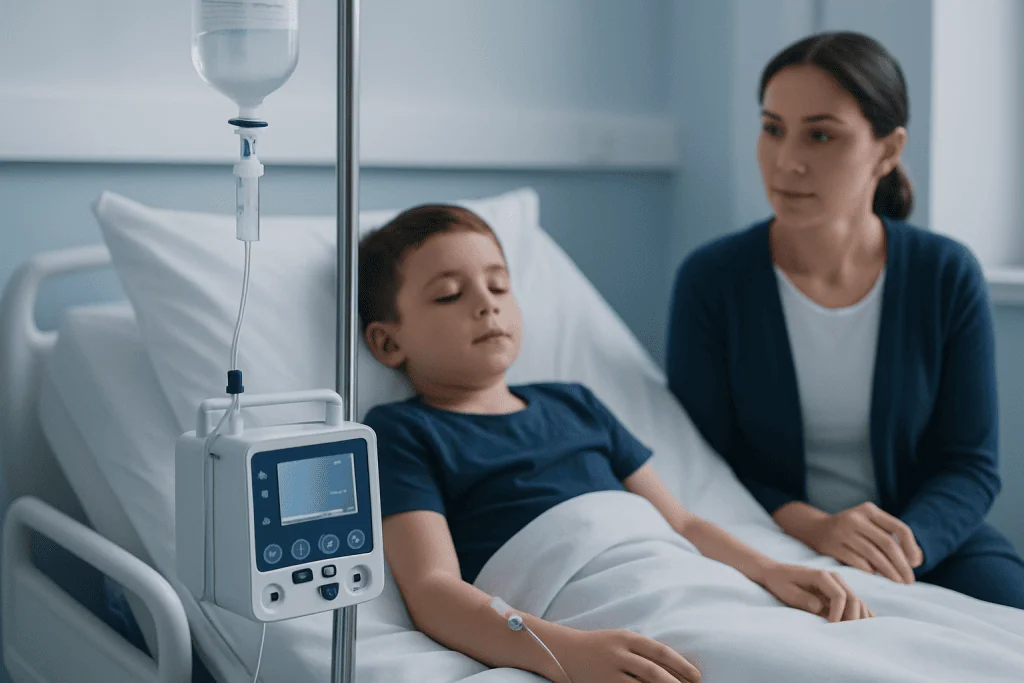
During gastroenteritis, the body loses not only water but also electrolytes such as sodium and potassium. These minerals support normal nerve, muscle, and fluid balance. Diarrhea can continue even when the intestinal lining is irritated, so drinking plain water alone may not replace what has been lost and, in large quantities, may further dilute blood sodium levels.
ORS works through a natural transport system in the small intestine. Glucose and sodium are absorbed together through the intestinal wall, and water follows. This mechanism generally continues to function even during many diarrheal illnesses, making a properly prepared ORS particularly useful when fluid losses are ongoing.
Ready-to-use products and powders mixed exactly as directed are the safest options. If a powder is diluted with too little water, it can contain excessive salt; if too much water is used, it may not adequately replace electrolytes. A pharmacist or healthcare professional can help select an age-appropriate product.
Who Can Use It and What to Expect Step by Step

Oral rehydration therapy is suitable for many people with uncomplicated acute gastroenteritis who are alert, able to swallow, and not severely dehydrated. It can be used by adults and children, although infants and young children need particularly close observation because dehydration can develop more quickly. People with kidney disease, heart failure, diabetes, or conditions requiring fluid restriction should seek individualized advice.
The process is usually straightforward. The person prepares a commercial ORS according to the package instructions, then takes small, repeated amounts rather than trying to drink a full glass quickly. If vomiting occurs, it is often helpful to pause briefly and restart with very small sips, spoonfuls, or syringe-fed amounts for young children. Gradually increasing the amount as tolerated can reduce nausea.
- Use a commercially prepared ORS or packet mixed with the stated amount of clean water.
- Offer frequent small amounts, particularly after loose stools or vomiting episodes.
- Continue breastfeeding for infants and young children who are breastfed.
- Resume familiar, easy-to-tolerate foods as appetite returns; prolonged fasting is usually unnecessary.
- Monitor urine output, alertness, thirst, dizziness, and the frequency of diarrhea or vomiting.
Antibiotics, anti-diarrheal medicines, and anti-nausea medicines are not automatically needed for gastroenteritis. Their role depends on the likely cause, age, medical history, and severity of symptoms, so a clinician should advise on whether they are appropriate.
Benefits, Limitations, and Possible Risks
The main benefit of oral rehydration therapy is that it can restore circulating fluid and electrolytes without needles, hospital equipment, or the risks associated with intravenous access. It is usually accessible, can be started early, and allows many people to recover comfortably at home. It also supports the body while the underlying infection or irritation improves.
Its limitations are important. ORS does not treat every cause of diarrhea, does not replace medical evaluation for severe illness, and may be difficult to use if someone cannot keep any fluid down. People with severe dehydration, altered mental status, shock, significant abdominal pain, or suspected bowel obstruction may need intravenous fluids and urgent medical care.
Risks are generally low when an ORS is prepared and used correctly. Problems can arise if products are mixed incorrectly, if very sugary drinks are used instead of ORS, or if fluid intake is excessive in a person with a medical condition that limits fluids. A doctor should assess persistent diarrhea, signs of dehydration, or symptoms that do not follow an expected short-term course.
How Long Does Oral Rehydration Solution Take to Work?
Many people begin to feel some improvement in thirst, dry mouth, dizziness, or weakness within a few hours of taking and retaining oral rehydration solution. The exact timing depends on how much fluid has been lost, whether vomiting continues, the person’s age and health, and how consistently the solution can be taken.
ORS can begin supporting absorption soon after it reaches the small intestine, but it does not make diarrhea stop immediately. A person may need to continue drinking small amounts for as long as fluid losses continue. Improvement is usually reflected by more regular urination, less intense thirst, improved alertness, and better ability to stand or move without light-headedness.
If symptoms are worsening despite oral fluids, or if a person cannot drink enough to replace losses, medical evaluation is needed. This is especially important for babies, frail older adults, and people with chronic medical conditions.
Does Gatorade Help With Gastroenteritis?
A sports drink such as Gatorade may provide some fluid and electrolytes, but it is not the same as an oral rehydration solution. Sports drinks are designed primarily for sweat loss during exercise and may contain more sugar and less sodium than is ideal for diarrhea-related dehydration. The higher sugar content can sometimes worsen diarrhea by drawing water into the bowel.
For mild symptoms in a healthy adult, a sports drink may be better than taking no fluids at all if ORS is not immediately available. However, a commercial oral rehydration solution is usually the more appropriate choice when vomiting or diarrhea is significant, particularly for children or people at greater risk of dehydration.
Soft drinks, fruit juices, energy drinks, and undiluted sweet beverages are less suitable because their sugar content may aggravate diarrhea. Plain water is useful as part of overall fluid intake but may not adequately replace electrolytes when losses are substantial.
Why Is Oral Rehydration Better Than IV?
For mild to moderate dehydration in a person who is awake and able to drink, oral rehydration is often preferred because it is effective, noninvasive, and can usually be given outside a hospital. It uses the intestine’s normal absorption process and avoids the discomfort, infection risk, bruising, and monitoring associated with an intravenous line.
Intravenous fluids are not inferior; they are essential when oral treatment is not safe or not sufficient. This may include severe dehydration, ongoing vomiting that prevents fluid intake, confusion, very low blood pressure, poor circulation, or a serious underlying illness. The choice is based on clinical need rather than convenience alone.
A healthcare team may start intravenous fluids and later transition to oral fluids as the person improves. Acibadem International’s multidisciplinary specialists and JCI-accredited hospitals can assess dehydration and provide appropriate outpatient or hospital-based care for international patients.
How Long Does It Take to Rehydrate After a Stomach Virus?
With mild gastroenteritis and consistent oral fluid intake, hydration often improves over several hours to a day. However, diarrhea, reduced appetite, fatigue, and temporary bowel sensitivity may last longer. Viral gastroenteritis commonly improves over a few days, although the duration varies with the virus and the person’s overall health.
Recovery is not measured only by the number of bowel movements. Useful signs include urinating regularly, lighter-colored urine, reduced thirst, improved energy, a moist mouth, and the ability to eat and drink without repeated vomiting. It is sensible to continue replacing fluids after each episode of diarrhea until bowel function is returning to normal.
Rest, gradual meals, and avoiding alcohol may support recovery. Seek medical advice if diarrhea lasts longer than expected, returns repeatedly, follows recent antibiotic use or international travel, or is accompanied by fever, blood, or significant pain.
When to Seek Medical Care
Prompt medical care is needed for signs of severe dehydration or serious illness. These include confusion, fainting, marked drowsiness, very little or no urine, inability to keep liquids down, rapid breathing, severe weakness, or symptoms of poor circulation such as cold or clammy skin. Emergency assessment is particularly important if a person becomes difficult to wake or is not acting normally.
A clinician should also assess blood or black material in stool, vomit that looks like blood or coffee grounds, severe or worsening abdominal pain, persistent high fever, green vomit, or diarrhea that is prolonged or severe. Babies and young children should be assessed early if they have fewer wet diapers, no tears when crying, a dry mouth, unusual sleepiness, or a sunken soft spot on the head.
Pregnant people, adults over 65, people with weakened immune systems, and those with kidney, heart, or metabolic conditions should contact a healthcare professional sooner when gastroenteritis occurs. Medical advice is also appropriate after possible food poisoning, contaminated water exposure, or recent travel when symptoms are significant.
Frequently asked questions
What is the best drink for dehydration from gastroenteritis?
A commercial oral rehydration solution is generally the best option because it contains water, glucose, and electrolytes in balanced amounts. It is usually preferable to juice, soft drinks, energy drinks, or sports drinks when diarrhea or vomiting is significant. Small, frequent amounts are often easier to tolerate.
Can oral rehydration therapy be used for children?
Yes, oral rehydration therapy is commonly used for children with diarrhea or vomiting, but children can become dehydrated quickly and need careful monitoring. Age-appropriate ORS products should be prepared exactly as directed. Parents or caregivers should seek medical advice promptly if a child is very sleepy, has reduced urination, cannot drink, or has concerning symptoms.
Should a person eat while using oral rehydration solution?
Once vomiting has eased and the person can tolerate fluids, a gradual return to regular foods is usually appropriate. Simple, familiar foods may be easier to manage at first, but prolonged fasting is usually not necessary. Breastfed infants should generally continue breastfeeding.
Can someone make oral rehydration solution at home?
Commercially prepared oral rehydration solutions are preferred because their ingredients are accurately balanced. Home recipes can be measured incorrectly, which may make them ineffective or unsafe, particularly for children. If a commercial product is unavailable, guidance from a local healthcare professional or public health authority is advisable.
Can gastroenteritis cause dehydration without vomiting?
Yes. Frequent watery diarrhea alone can cause substantial fluid and electrolyte losses, especially in infants, children, older adults, and people with chronic illness. Fever, sweating, and poor fluid intake can add to the risk. Oral rehydration can be helpful even when vomiting is not present.
When is intravenous fluid treatment needed for gastroenteritis?
Intravenous fluids may be needed when dehydration is severe, a person cannot keep oral fluids down, or there are signs of poor circulation or altered mental status. A clinician also may recommend IV treatment for people with significant medical conditions or unusually severe symptoms. The decision is based on an in-person assessment of hydration and overall condition.
References
- World Health Organization
- Centers for Disease Control and Prevention
- National Institute of Diabetes and Digestive and Kidney Diseases
- American Academy of Pediatrics
- National Health Service
This article is for general information only and is not a substitute for professional medical advice. Please consult a qualified doctor about your individual situation.
Gastroenteritis in Turkey — costs, top hospitals & a free quote
JCI-accredited · board-certified surgeons · reply within 24h
Add us as a Preferred Source to see more of our trusted health content across Google Search, AI Overviews and Discover.

Gastroenterology
Diagnosis and treatment of the digestive system and liver, with advanced endoscopy.
46 specialists in this unit