Organ Transplant Surgery: Step-by-Step From Evaluation to Recovery

Organ transplant surgery involves detailed medical, psychological, and social evaluation before a patient is approved. A donor organ may come from a deceased donor or, for some organs, a living donor.
Key Takeaways
- Organ transplant surgery involves detailed medical, psychological, and social evaluation before a patient is approved.
- A donor organ may come from a deceased donor or, for some organs, a living donor.
- After surgery, regular follow-up and immunosuppressive medication are essential to protect the transplanted organ.
- Recovery differs by organ type, overall health, and whether complications occur.
- Healthy daily habits and prompt attention to warning signs help support long-term transplant success.
Organ transplant surgery is a carefully planned treatment that replaces a failing organ with a healthy donor organ. Understanding each step, from evaluation and waiting lists to surgery, recovery, and lifelong follow-up, can help patients and families feel more prepared.
Overview of Organ Transplant Surgery
Organ transplant surgery is a procedure in which a diseased or failing organ is replaced with a healthy organ from a donor. It may be considered when other treatments are no longer enough to maintain health or quality of life. Common transplants include kidney, liver, heart, lung, and pancreas transplants, although some patients may also need combined or more specialized procedures.
The transplant journey is usually longer than the operation itself. It begins with a thorough evaluation to confirm that transplant is appropriate, safe, and likely to help. Patients then move through several stages that may include placement on a waiting list, donor matching, surgery, hospital recovery, and long-term follow-up care.
Each transplant plan is individualized. The exact process depends on the organ involved, the urgency of the condition, whether a living donor is available, and the patient’s overall health. In many cases, a transplant is managed by a multidisciplinary team that includes transplant surgeons, organ specialists, nurses, pharmacists, dietitians, psychologists, and social workers.
Who May Need a Transplant and How Evaluation Works
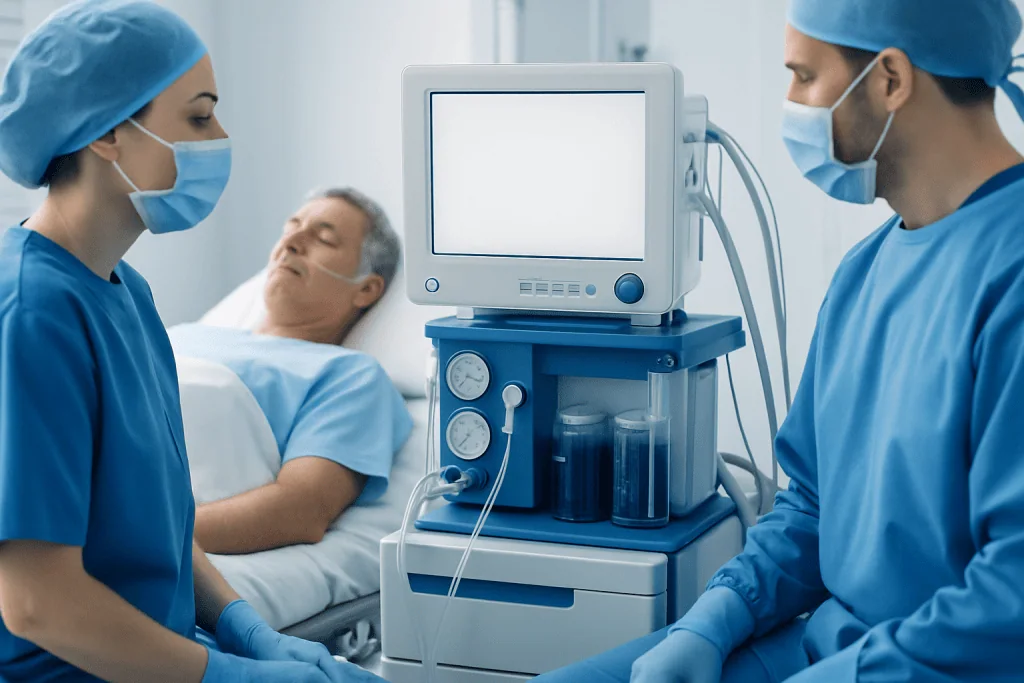
A transplant may be recommended when an organ has become severely damaged and is no longer functioning well enough despite medical treatment. Examples include end-stage kidney disease, advanced liver failure, severe heart failure, and some chronic lung diseases. The goal is not only to prolong life, but also to improve daily functioning and well-being when possible.
The evaluation process is designed to answer several important questions: whether transplant is medically necessary, whether the patient is healthy enough for surgery, and whether the person can manage the demanding care required afterward. Evaluation often includes blood tests, imaging scans, heart and lung assessments, infection screening, cancer screening, and organ-specific tests. A review of current medications and previous operations is also important.
Transplant teams also assess emotional readiness, support systems, and practical issues such as transportation, finances, and access to follow-up care. This is because successful transplantation depends on more than surgery alone. Patients usually need lifelong medication, frequent appointments, and careful self-monitoring, especially during the first months after the operation.
At the end of the evaluation, the transplant team decides whether the patient is a suitable candidate. Sometimes a person is approved immediately; in other cases, additional treatment, rehabilitation, weight management, or infection control may be needed before listing. For some patients, related procedures such as kidney transplant or liver transplant are discussed in detail during this stage.
Donor Options and the Waiting List

Donor organs may come from a deceased donor or, for certain organs, a living donor. Kidneys and part of the liver are the most common examples of living donation. Living donor transplant can reduce waiting time and may allow surgery to be planned in a more controlled way. However, both donor and recipient must undergo careful evaluation to protect safety and confirm compatibility.
If a living donor is not available or suitable, patients may be placed on a transplant waiting list. Placement on a waiting list does not mean surgery will happen immediately. The timing depends on factors such as blood type, body size, medical urgency, organ availability, and compatibility testing.
Matching aims to reduce the risk of rejection and improve outcomes. Depending on the organ, the team may review tissue typing, antibody levels, crossmatch results, and the condition of the donor organ. The transplant center explains how organ offers are reviewed and what a patient should do when called, including fasting instructions, medications, and arriving at the hospital promptly.
Waiting can be emotionally difficult. During this time, patients are encouraged to keep all appointments, stay as healthy as possible, and report any new illness to the transplant team. Changes in health can affect transplant timing and safety, so regular contact with the team remains essential.
What Happens During Transplant Surgery
When a suitable organ becomes available, the patient is admitted to the hospital for final checks before surgery. These may include repeat blood tests, imaging, and a physical examination to confirm there is no active infection or other problem that could delay the procedure. The anesthesia team also reviews the plan and explains how pain control and monitoring will be managed.
During organ transplant surgery, the surgical team removes or bypasses the diseased organ as needed and places the donor organ in the body. The exact technique depends on the organ being transplanted. Some surgeries remove the original organ, while in others, such as many kidney transplants, the native organ may remain in place and the donor organ is connected in a different location.
Surgeons then connect blood vessels and, when relevant, ducts or airways so the new organ can function. The team carefully monitors circulation, bleeding, and organ performance during the operation. Some procedures are shorter and more straightforward than others, while complex heart, liver, or lung transplants may take many hours.
After surgery, patients are moved to a recovery area or intensive care unit for close observation. Depending on the case, treatments such as ventilator support, drains, intravenous medications, or frequent blood tests may be needed in the early postoperative period. For certain patients, information about options such as heart transplant or lung transplant may already have been reviewed before this stage.
Recovery in the Hospital and the First Months at Home
Recovery begins immediately after surgery. In the hospital, the team watches for signs that the new organ is working well and for early complications such as bleeding, infection, blood clots, fluid imbalance, or rejection. Patients gradually begin moving, eating, breathing deeply, and participating in physical activity as advised, because these steps support healing.
Hospital stay varies depending on the organ transplanted and the patient’s condition. Some people recover steadily and go home within days to a few weeks, while others need a longer stay for closer monitoring or treatment of complications. Before discharge, the team provides detailed instructions on medicines, wound care, diet, activity, hygiene, and follow-up appointments.
The first months at home are especially important. Patients usually need frequent clinic visits and laboratory tests so the team can adjust medication and identify problems early. Family members or caregivers often play a key role by helping with schedules, transportation, and medication routines.
Recovery is not only physical. It is common for patients to experience fatigue, mood changes, or anxiety during this period. Many transplant programs offer emotional support, counseling, education, and rehabilitation services to help patients rebuild strength and confidence over time.
Medicines, Rejection, and Long-Term Follow-Up
After organ transplant surgery, most patients need immunosuppressive medication for life. These medicines reduce the activity of the immune system so it is less likely to attack the transplanted organ. Because the immune system naturally recognizes the donor organ as foreign, medication is a central part of long-term transplant care.
Even with treatment, rejection can still happen. Rejection may be acute, occurring soon after transplant, or chronic, developing more slowly over time. It does not always cause obvious symptoms at first, which is why regular blood tests, organ function tests, scans, and sometimes biopsies are so important.
Immunosuppressive medicines can also increase the risk of infection and may have side effects such as changes in blood pressure, blood sugar, kidney function, bone health, or cholesterol levels. The transplant team balances these risks carefully and may adjust medicines over time. Patients should never stop or change their medication schedule without medical guidance.
Long-term follow-up also focuses on prevention. Doctors monitor for cardiovascular health, cancer screening needs, vaccination planning, nutrition, bone health, and mental well-being. In patients with organ-specific concerns, transplant teams may also monitor related conditions such as kidney failure or liver failure that shaped the original treatment plan.
Self-Care, Lifestyle, and When to Seek Medical Help
Healthy daily habits help protect the transplanted organ. Patients are usually advised to take every medication exactly as prescribed, attend all follow-up visits, wash hands regularly, avoid exposure to infections when possible, eat a balanced diet, and return to activity gradually. Smoking and recreational drug use should be avoided, and alcohol use should only be discussed with the transplant team because recommendations vary by organ type and medical history.
Many people also need practical routines that make transplant care easier. Examples include using pill organizers, setting reminders, checking blood pressure or weight if advised, and keeping an updated list of medications. Sun protection is often recommended because some immunosuppressive medicines can increase skin cancer risk.
Patients should contact their transplant team promptly if they develop warning signs such as fever, chills, shortness of breath, reduced urine output, yellowing of the skin or eyes, swelling, unusual pain, vomiting, severe diarrhea, wound redness, or problems taking medicines. These symptoms do not always mean rejection, but they do need medical attention.
For international patients seeking coordinated care, Acibadem International’s multidisciplinary specialists and JCI-accredited hospitals diagnose and treat transplant conditions with individualized planning and follow-up. Regardless of where care is received, close communication with a qualified transplant team remains the safest way to support recovery and long-term health.
Frequently asked questions
How long does organ transplant surgery take?
The length of surgery depends on the organ being transplanted and the complexity of the case. Some procedures may take a few hours, while others, such as heart, liver, or lung transplants, can take much longer. The surgical team explains the expected timeline before the operation.
Can a person live a normal life after an organ transplant?
Many people return to work, family life, and daily activities after recovery. Long-term success depends on regular follow-up, healthy habits, and taking immunosuppressive medication exactly as prescribed. Life after transplant often involves ongoing medical care, but many patients experience meaningful improvement in quality of life.
What is organ rejection?
Organ rejection happens when the immune system recognizes the transplanted organ as foreign and tries to attack it. It can happen early or later after surgery, even when a patient feels well. This is why regular blood tests, checkups, and anti-rejection medicines are so important.
Are living donor transplants better than deceased donor transplants?
A living donor transplant can offer advantages such as shorter waiting time and more predictable scheduling. However, it is not automatically the best option for every patient, and donor safety is always a priority. The transplant team evaluates whether living donation is medically appropriate and compatible.
How soon can a patient go home after a transplant?
Discharge timing depends on the type of transplant, how well the new organ is working, and whether any complications occur. Some patients go home relatively quickly, while others need a longer hospital stay for monitoring and treatment. The team makes this decision based on safety rather than a fixed schedule.
Will immunosuppressive medication be needed forever?
Most transplant recipients need lifelong immunosuppressive medication to help prevent rejection. The exact medicines and doses may change over time based on test results and side effects. Patients should only make medication changes under the guidance of their transplant doctors.
References
- World Health Organization
- Centers for Disease Control and Prevention
- National Institute of Diabetes and Digestive and Kidney Diseases
- National Heart, Lung, and Blood Institute
- United Network for Organ Sharing
This article is for general information only and is not a substitute for professional medical advice. Please consult a qualified doctor about your individual situation.
Explore treatments in Turkey — costs, top hospitals & a free quote
JCI-accredited · board-certified surgeons · reply within 24h
Add us as a Preferred Source to see more of our trusted health content across Google Search, AI Overviews and Discover.