Orthopedic Surgery: Common Procedures, Candidates, and What to Expect

Orthopedic surgery can help reduce pain, restore function, and improve mobility. Many people are evaluated for surgery only after medications, physical therapy, or injections have not worked well enough.
Key Takeaways
- Orthopedic surgery can help reduce pain, restore function, and improve mobility.
- Many people are evaluated for surgery only after medications, physical therapy, or injections have not worked well enough.
- Common procedures include joint replacement, fracture repair, arthroscopy, spine surgery, and tendon or ligament repair.
- Recovery depends on the procedure, overall health, and commitment to rehabilitation.
- A personalized evaluation helps determine whether surgery is necessary and which approach is most suitable.
Orthopedic surgery includes procedures that diagnose, repair, or replace damaged bones, joints, muscles, tendons, and ligaments. It is usually considered when symptoms limit daily life and non-surgical treatments no longer provide enough relief.
Overview of Orthopedic Surgery
Orthopedic surgery is a medical specialty focused on the musculoskeletal system. This includes bones, joints, cartilage, muscles, tendons, ligaments, and related nerves. Orthopedic surgeons treat injuries, wear-and-tear conditions, deformities, and other problems that affect movement, strength, and comfort.
Some orthopedic procedures are performed to repair sudden injuries such as fractures or torn ligaments. Others are planned to treat chronic conditions like severe arthritis, ongoing back pain caused by structural problems, or joint damage that limits daily activities. The goal is usually to relieve pain, improve function, and help a person return to work, exercise, and everyday routines as safely as possible.
Not all orthopedic care involves surgery. In fact, many patients improve with rest, medications, bracing, physical therapy, lifestyle changes, or injections. Surgery is generally considered when these treatments do not bring enough improvement, or when a condition is unlikely to heal properly without an operation.
Common Orthopedic Procedures
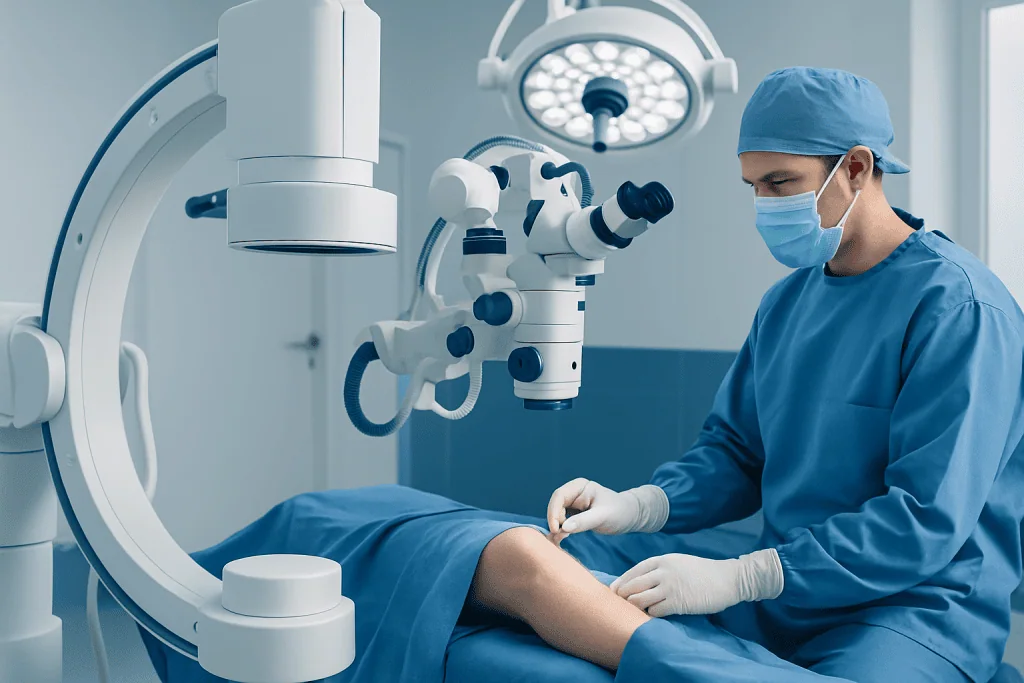
Orthopedic surgery covers a wide range of procedures. The type of operation depends on the body area involved, the severity of damage, the person’s age and activity level, and how symptoms affect quality of life. Some surgeries are done through small incisions using cameras and special instruments, while others require open surgery for better access and reconstruction.
One of the best-known procedures is joint replacement. In this operation, a damaged joint surface is removed and replaced with artificial components. This is most commonly done for the hip or knee, especially in advanced osteoarthritis. Procedures such as knee replacement and hip replacement surgery may help people who have severe pain, stiffness, and limited walking despite conservative treatment.
Other common procedures include:
- Fracture repair using plates, screws, rods, or pins to stabilize broken bones
- Arthroscopy for the knee, shoulder, ankle, or other joints to diagnose and treat internal joint problems
- Ligament and tendon repair, such as reconstruction after sports injuries
- Spine procedures for selected cases of disc disease, instability, or nerve compression
- Hand, foot, and ankle surgery for deformities, nerve compression, or tendon problems
Sports-related procedures are also common. For example, surgeons may repair torn cartilage, stabilize recurrent shoulder dislocations, or treat injuries such as an ACL tear when the knee feels unstable during activity. In some cases, minimally invasive arthroscopy can shorten recovery time compared with larger open procedures, though suitability varies by condition.
Who May Be a Candidate for Orthopedic Surgery
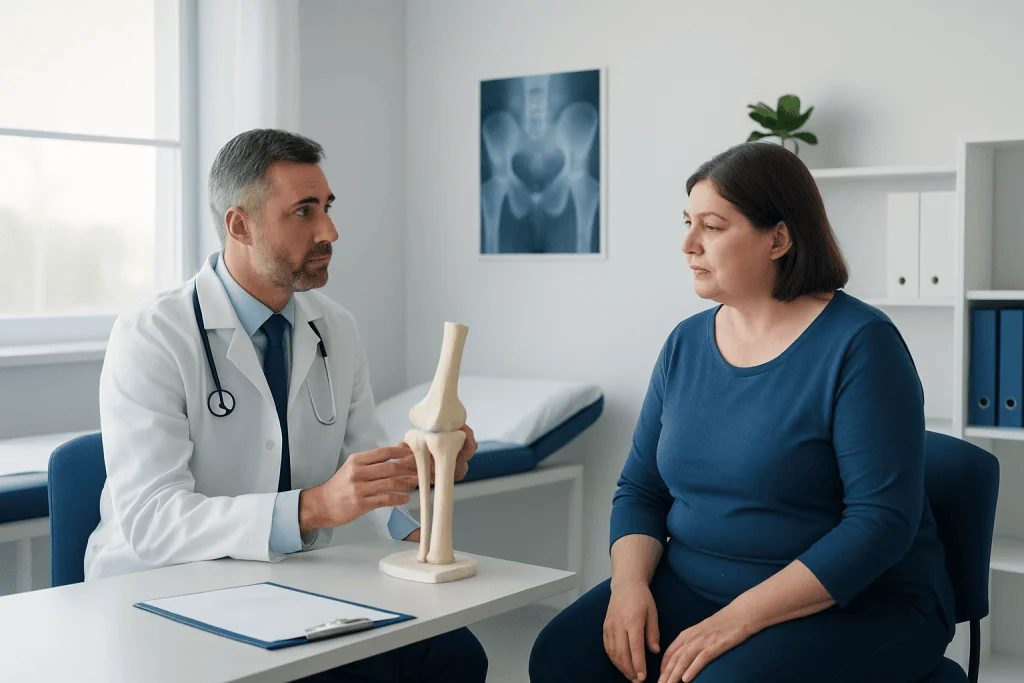
A person may be considered a candidate for orthopedic surgery when symptoms are persistent, progressive, or severe enough to interfere with daily life. Common reasons include ongoing pain, reduced range of motion, weakness, joint instability, difficulty walking, repeated injuries, or a loss of independence in routine activities. Emergency surgery may be needed after some fractures, dislocations, or serious trauma.
Doctors usually weigh several factors before recommending surgery. These include the exact diagnosis, imaging findings, severity of symptoms, response to non-surgical care, overall health, age, activity goals, and personal preferences. For instance, a younger athlete with a complete ligament tear may have different treatment goals than an older adult with mild symptoms.
Orthopedic surgery is not automatically the best choice for everyone. Some people gain excellent relief from physical therapy, weight management, anti-inflammatory medicines, supportive footwear, or guided exercise programs. A careful discussion with an orthopedic specialist helps clarify the likely benefits, possible limitations, and whether the timing is appropriate.
Symptoms and Conditions That May Lead to Surgery
Many orthopedic conditions can eventually lead to surgical treatment if they become advanced or fail to improve with conservative care. These include osteoarthritis, rheumatoid joint damage, tendon tears, ligament injuries, severe fractures, spinal stenosis, herniated discs with nerve compression, deformities, and some overuse injuries. Symptoms often develop gradually, but they can also begin suddenly after an accident.
Signs that may prompt a surgical evaluation include constant or worsening pain, swelling that keeps returning, stiffness that limits bending or walking, numbness or tingling related to nerve compression, repeated joint giving-way, and visible deformity. Trouble sleeping because of pain or being unable to work, climb stairs, or exercise may also suggest that further assessment is needed.
Some examples are especially common. Advanced osteoarthritis may cause severe joint pain and stiffness that no longer responds well to medicines or therapy. A torn rotator cuff can make lifting the arm difficult, while untreated meniscus or cartilage injuries may lead to repeated swelling and joint locking. The underlying cause matters because each condition has different treatment pathways and recovery expectations.
Diagnosis and Pre-Surgical Evaluation
Diagnosis usually begins with a detailed medical history and physical examination. The doctor asks about symptoms, prior injuries, work demands, sports participation, other medical conditions, and previous treatments. During the exam, they check alignment, swelling, tenderness, strength, balance, range of motion, and how a joint or limb functions during movement.
Imaging tests often help confirm the diagnosis and plan treatment. X-rays are commonly used for fractures, arthritis, alignment problems, and joint damage. Magnetic resonance imaging can show soft tissues such as ligaments, cartilage, tendons, and discs. In some cases, computed tomography, ultrasound, blood tests, or nerve studies may also be needed.
If surgery is being considered, the pre-surgical evaluation also looks at general health and readiness for anesthesia. This may include routine blood work, heart assessment, medication review, and discussion of smoking, diabetes, body weight, or other factors that may affect healing. Patients are often advised to ask practical questions about the operation, alternatives, expected benefits, likely risks, hospital stay, pain control, and rehabilitation needs before making a decision.
What to Expect During Treatment and Recovery
The details of treatment vary by procedure, but most orthopedic surgeries follow a similar path. Before the operation, the care team explains fasting instructions, medication adjustments, and what to bring to the hospital. The surgery may be done under general anesthesia, regional anesthesia, or a combination, depending on the procedure and patient factors.
After surgery, monitoring focuses on pain control, circulation, mobility, and early healing. Some people go home the same day, especially after less invasive procedures, while others stay in the hospital for one or more days. Devices such as splints, braces, crutches, walkers, or slings may be used temporarily to protect the repaired area.
Rehabilitation is a key part of recovery. Physical therapy may begin soon after surgery to improve strength, flexibility, balance, and walking pattern. Recovery can take weeks to months depending on the body part, the complexity of the procedure, and whether tissue repair, bone healing, or joint replacement is involved. Following instructions about wound care, activity limits, exercises, and follow-up visits can make a meaningful difference in outcome.
Patients should also know that progress is often gradual. Mild swelling, stiffness, and fatigue are common early on, but persistent worsening pain, fever, drainage from the wound, chest symptoms, or sudden calf swelling should be reported promptly. With appropriate follow-up and rehabilitation, many people steadily regain function and confidence in movement.
Risks, Benefits, and Long-Term Outlook
Like any operation, orthopedic surgery has potential benefits and risks. Benefits may include less pain, better joint stability, improved range of motion, correction of deformity, and a higher level of independence. For many patients, surgery is chosen because the expected improvement outweighs the limitations caused by the underlying condition.
Possible risks can include infection, bleeding, blood clots, nerve or blood vessel injury, stiffness, delayed healing, continued pain, or the need for revision surgery in the future. The level of risk varies depending on the type of surgery, the person’s age, medical conditions, smoking status, and the complexity of the repair. Surgeons take steps to reduce these risks through careful planning, sterile technique, medication management, and structured follow-up.
The long-term outlook depends on both the diagnosis and the procedure performed. Many patients experience meaningful improvement, but surgery does not always restore a joint or limb to its original condition. Healthy habits, ongoing exercise, weight management, and protecting the treated area from repeated strain can help preserve results over time.
Prevention, Self-Care, and When to See a Doctor
Although not every orthopedic problem can be prevented, certain habits may lower the risk of injury and joint damage. Regular exercise helps maintain muscle strength, flexibility, and balance. Supportive footwear, good posture, safe lifting techniques, and proper sports training can also reduce stress on bones and joints. Maintaining a healthy body weight may be especially helpful for the knees, hips, and spine.
Self-care is often important both before and after surgery. This may include following a home exercise plan, using cold packs as advised, pacing activities, stopping smoking, and managing conditions such as diabetes or osteoporosis. People recovering from surgery generally benefit from staying active within the limits set by their care team rather than returning too quickly to full activity.
A doctor should be consulted for persistent joint or back pain, repeated swelling, numbness, weakness, difficulty walking, a suspected fracture, or an injury that does not improve as expected. Urgent assessment is important for severe trauma, obvious deformity, loss of sensation, or sudden inability to bear weight. Near the end of the care journey, some patients may also seek specialist evaluation at centers such as Acibadem International, where multidisciplinary orthopedic teams in JCI-accredited hospitals diagnose and treat musculoskeletal conditions for international patients.
Frequently asked questions
What is orthopedic surgery used for?
Orthopedic surgery is used to treat problems affecting bones, joints, muscles, tendons, and ligaments. It may help repair injuries, correct deformities, relieve chronic pain, or restore movement when non-surgical treatment is not enough.
Is orthopedic surgery always necessary for joint or bone problems?
No. Many orthopedic conditions can be managed with physical therapy, medicines, activity changes, braces, or injections. Surgery is usually considered when symptoms remain significant, function is limited, or the condition is unlikely to improve properly without an operation.
What are the most common orthopedic surgeries?
Common procedures include knee and hip replacement, fracture fixation, arthroscopy, ligament reconstruction, tendon repair, and selected spine operations. The best option depends on the diagnosis, severity of symptoms, and a person's daily needs and activity goals.
How long does recovery from orthopedic surgery take?
Recovery time varies widely. Some minor procedures may allow a return to light activities within weeks, while larger operations such as joint replacement or complex repairs may require several months of rehabilitation. A surgeon and physical therapist can provide a more personalized timeline.
Will physical therapy be needed after orthopedic surgery?
In many cases, yes. Physical therapy often plays an important role in restoring strength, flexibility, balance, and function after surgery. The exact program depends on the procedure and the stage of healing.
What questions should a patient ask before orthopedic surgery?
Helpful questions include why surgery is recommended, what alternatives exist, what benefits and risks to expect, how long recovery may take, and what rehabilitation will involve. It is also useful to ask about anesthesia, hospital stay, return to work, and activity restrictions.
References
- American Academy of Orthopaedic Surgeons
- National Institute of Arthritis and Musculoskeletal and Skin Diseases
- National Health Service
- MedlinePlus
- World Health Organization
This article is for general information only and is not a substitute for professional medical advice. Please consult a qualified doctor about your individual situation.
Joint and spine care in Turkey — expert assessment & treatment
JCI-accredited · board-certified surgeons · reply within 24h
Add us as a Preferred Source to see more of our trusted health content across Google Search, AI Overviews and Discover.

Orthopedics & Spine
Care for bones, joints and the musculoskeletal system, including joint replacement, sports injuries and trauma.
125 specialists in this unit