

Orthopedic Surgery Cost: What Affects the Price?

Orthopedic surgery cost depends mainly on the type and complexity of the procedure. Hospital fees, surgeon experience, anesthesia, implants, and length of stay all influence the final price.
Key Takeaways
- Orthopedic surgery cost depends mainly on the type and complexity of the procedure.
- Hospital fees, surgeon experience, anesthesia, implants, and length of stay all influence the final price.
- Pre-operative tests, medicines, rehabilitation, and follow-up care may add important extra costs.
- Insurance coverage and the country or city where treatment is received can significantly change out-of-pocket expenses.
- A detailed written cost estimate helps patients compare options and plan more confidently.
Orthopedic surgery cost can vary widely because it reflects more than the operation itself. The final price often includes the type of procedure, surgeon and hospital fees, implants, diagnostic tests, anesthesia, hospital stay, and rehabilitation.
Overview: why orthopedic surgery costs vary
Orthopedic surgery cost is not a single fixed number. It usually reflects a combination of medical, technical, and practical factors. A simple day-case procedure may cost much less than a complex surgery that requires advanced imaging, specialized implants, several days in hospital, and months of rehabilitation.
Orthopedic operations cover a broad range of treatments for bones, joints, ligaments, tendons, muscles, and the spine. Examples include arthroscopy, fracture repair, ligament reconstruction, joint replacement, and spine procedures. Because these operations differ in complexity, time in the operating room, equipment needs, and recovery demands, their prices can differ greatly.
Patients often focus first on the surgeon’s fee, but this is only one part of the total. Hospital charges, anesthesia, laboratory tests, imaging, medications, rehabilitation, and follow-up visits may all be included or billed separately. Understanding these components can make planning easier and reduce surprises later.
Main factors that affect orthopedic surgery cost
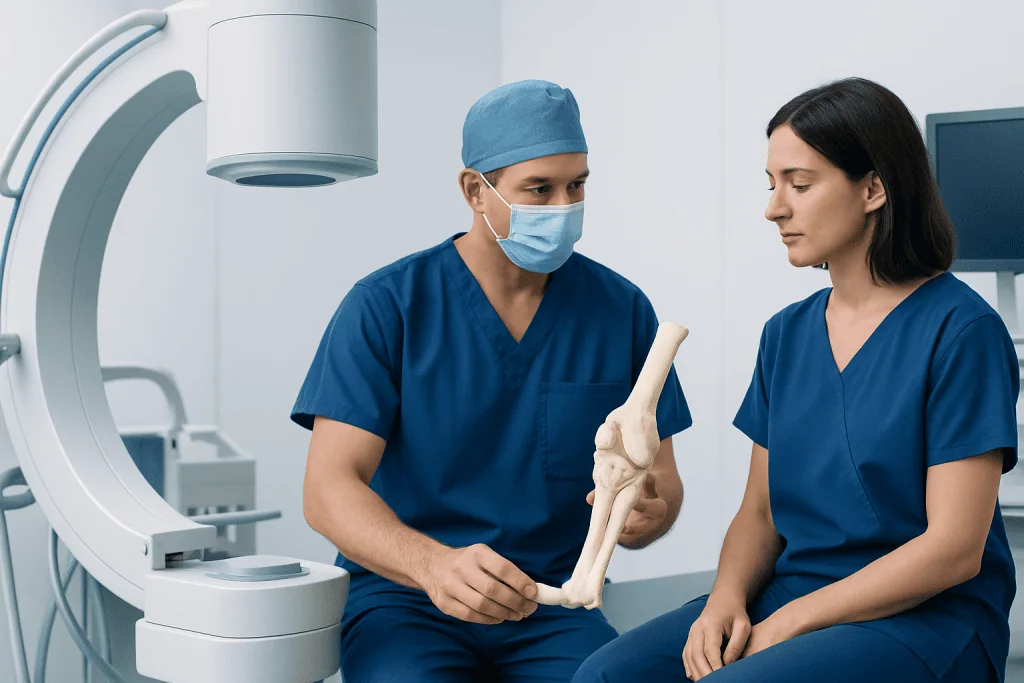
The biggest factor is the type of surgery. Minimally invasive arthroscopy is generally less expensive than major procedures such as joint replacement or complex fracture reconstruction. Operations involving multiple joints, revision surgery, or treatment of severe deformity typically require more time, more planning, and more resources, which can increase the total cost.
The surgeon’s experience and the hospital setting also matter. Highly specialized orthopedic surgeons, especially those performing advanced or uncommon procedures, may charge more. Hospitals with comprehensive surgical services, modern operating rooms, intensive care support, and strong infection-control systems may also have higher fees, although these features can be important for safety and outcomes.
Several practical details can further influence price:
- Whether the surgery is outpatient or requires hospital admission
- The expected length of hospital stay
- The need for special implants, prostheses, plates, screws, or graft materials
- The complexity of anesthesia and perioperative monitoring
- Whether there are other medical conditions that need extra care before or after surgery
Geographic location is another major factor. Costs may vary between countries, between cities, and even between hospitals in the same area. International patients sometimes compare treatment abroad, especially for planned procedures such as knee replacement or hip replacement, but it is still important to compare what is actually included in the estimate.
What is usually included in the total price

A written estimate may include the core parts of surgery, but not every hospital packages care in the same way. In many cases, the quoted price includes the surgeon’s fee, operating room charges, anesthesia, standard hospital nursing care, and routine surgical supplies. However, some items are listed separately, so patients should ask for a clear itemized breakdown.
Implants can be an important part of orthopedic costs. Artificial joints, fixation devices, and biologic materials may differ in design, brand, and intended use. More specialized or customized implants can raise the total price. This is often relevant in surgeries such as shoulder replacement or complex trauma repair.
There may also be pre-operative and post-operative charges outside the operating room. These can include:
- Orthopedic consultation and second opinions
- Blood tests, ECG, X-rays, CT, or MRI scans
- Prescription medications and pain control
- Compression devices, braces, crutches, or walkers
- Physiotherapy and rehabilitation sessions
- Follow-up visits and wound checks
If a patient has another condition such as diabetes, heart disease, or osteoporosis, additional specialist review may be needed before surgery. This can improve safety, but it may also add to the overall cost and timeline.
Procedure complexity and special circumstances
Not all orthopedic operations follow a straightforward course. Revision surgery, in which a previous implant or repair needs to be corrected or replaced, is often more expensive than first-time surgery. These procedures may take longer, involve removal of old hardware, require more advanced planning, and carry a greater need for specialized implants or bone reconstruction techniques.
Emergency surgery may also cost more than planned surgery. An urgent operation for a fracture or dislocation can involve after-hours operating room use, trauma team support, extra imaging, and a longer hospital stay. By contrast, planned procedures usually allow more time to compare hospitals, understand the estimate, and prepare for recovery.
Costs can also rise if there are complications or unexpected findings. These may include infection, blood clots, delayed wound healing, implant problems, or a need for additional procedures. While many patients recover well, it is still wise to ask whether the quote covers possible extra care if the hospital stay becomes longer than expected.
In some cases, orthopedic surgery is part of care for a broader condition, such as scoliosis or severe osteoarthritis. When the underlying problem is complex, treatment planning may involve several specialists, which can affect both the scope and the price of care.
Insurance, payment, and planning ahead
Insurance can substantially change how much a patient pays directly. The final out-of-pocket amount depends on the health plan, approved hospital network, deductible, co-payment, and whether pre-authorization is required. Even when surgery is covered, certain implants, rehabilitation programs, or follow-up services may not be included in full.
For self-paying patients, asking the right questions early can make budgeting more manageable. A useful estimate should explain what is included, what may be charged separately, and what circumstances could change the final bill. It is often sensible to ask for both the expected base cost and the possible range if extra imaging, medicines, or inpatient days become necessary.
When comparing providers, the lowest quote is not always the best choice. Patients may also want to consider the surgeon’s expertise, hospital standards, infection prevention practices, rehabilitation support, and communication. If care is being arranged internationally, travel, accommodation, transfers, and time away from work should also be included in the overall financial plan.
Near the end of the decision process, some patients choose treatment in large multidisciplinary centers. Acibadem International’s JCI-accredited hospitals and orthopedic specialists evaluate and treat international patients, and this can be helpful when coordinated surgery, imaging, and rehabilitation are needed in one place.
Recovery and rehabilitation costs to consider
Recovery is an essential part of orthopedic treatment, and it can have a meaningful effect on total cost. Some surgeries require only basic home recovery and a short follow-up period, while others need a structured rehabilitation plan over several weeks or months. Physical therapy is often especially important after joint replacement, ligament surgery, and certain spine or fracture procedures.
Equipment used during recovery can add extra expense. Depending on the procedure, a patient may need a sling, brace, walker, crutches, raised toilet seat, compression stockings, or cold therapy devices. Home modifications, such as handrails or temporary sleeping arrangements on one floor, may also be helpful after some operations.
Indirect costs are worth considering as well. These may include time off work, help with childcare or household duties, transportation to appointments, and support from family members during early recovery. Although these expenses are not always included in a hospital estimate, they can affect the real-world financial impact of surgery.
Asking about the full recovery pathway before surgery can help patients prepare more realistically. This includes expected return to walking, driving, work, exercise, and the likely number of physiotherapy sessions. A clearer picture of recovery often leads to better budgeting and less stress.
How to compare cost estimates and make an informed choice
When reviewing orthopedic surgery cost estimates, patients may find it helpful to compare similar information line by line. A good starting point is to confirm the exact procedure name, whether implants are included, how many hospital days are covered, and whether anesthesia, medicines, tests, and rehabilitation are part of the package. If one estimate appears much lower, it is worth checking whether important items have been left out.
Patients can also ask practical questions about quality and safety. These might include how often the surgeon performs the procedure, whether minimally invasive techniques are appropriate, how pain is managed after surgery, and what support is available if problems arise during recovery. Clear communication is often just as valuable as the number on the quote.
It may be useful to seek a second opinion, especially for major surgery. Another orthopedic specialist may confirm the recommendation, suggest a different approach, or explain non-surgical options that could delay or avoid an operation in some cases. For example, some joint conditions may first be managed with medicines, injections, exercise therapy, or physical therapy and rehabilitation.
In the end, the best decision balances price, medical need, expected benefit, and confidence in the care team. Taking time to understand the estimate, the treatment plan, and the likely recovery process can help patients move forward with greater peace of mind.
Frequently asked questions
Why does orthopedic surgery cost differ so much between patients?
Costs vary because orthopedic surgery includes many separate elements, not just the operation itself. The procedure type, implant needs, hospital stay, anesthesia, rehabilitation, and a patient's overall health can all change the final price.
Is a higher-priced orthopedic surgery always better?
Not necessarily. A higher price may reflect a more complex case, specialized implants, or treatment in a hospital with advanced services, but it does not automatically mean better care. Patients should consider experience, safety standards, and what is included in the estimate as well as the price.
What extra costs should patients ask about before surgery?
It is helpful to ask about diagnostic tests, anesthesia, implants, medicines, physiotherapy, braces or walking aids, and follow-up visits. Patients should also ask whether unexpected longer hospital stays or complications could lead to extra charges.
Does insurance usually cover orthopedic surgery?
Many insurance plans cover medically necessary orthopedic procedures, but coverage details vary. Patients should check network rules, deductibles, co-payments, pre-authorization requirements, and whether rehabilitation or certain implants are fully covered.
How can someone compare orthopedic surgery quotes fairly?
The safest approach is to compare itemized estimates for the same procedure. Patients should confirm whether the quote includes surgeon fees, hospital charges, implants, anesthesia, tests, medicines, and rehabilitation so they are comparing like with like.
Do minimally invasive procedures cost less?
Sometimes they do, especially if they reduce hospital stay and speed up recovery. However, the cost still depends on the equipment used, the surgeon's expertise, and whether specialized implants or imaging are needed.
References
- American Academy of Orthopaedic Surgeons
- National Institute for Health and Care Excellence
- OrthoInfo
- MedlinePlus
- World Health Organization
This article is for general information only and is not a substitute for professional medical advice. Please consult a qualified doctor about your individual situation.
Joint and spine care in Turkey — expert assessment & treatment
JCI-accredited · board-certified surgeons · reply within 24h

Orthopedics & Spine
Care for bones, joints and the musculoskeletal system, including joint replacement, sports injuries and trauma.
125 specialists in this unitMore from the Health Library



Related Specialists

Assoc. Prof. Dr. Günseli Bozdoğan
Pediatrics
Dr. Maşallah Candemir
Pediatrics
Prof. Dr. Sinan Karaoğlu
Orthopedic Surgery & Traumatology
Dr. Süreyya Menteş
Gynecology & Obstetrics