Orthopedic Surgery: How It Works and When It Is Needed

Orthopedic surgery can relieve pain, improve movement, and restore function. Many orthopedic problems are treated first with medication, physiotherapy, bracing, or injections.
Key Takeaways
- Orthopedic surgery can relieve pain, improve movement, and restore function.
- Many orthopedic problems are treated first with medication, physiotherapy, bracing, or injections.
- Surgery may be needed for fractures, torn ligaments, severe arthritis, spine problems, or tendon injuries.
- Diagnosis usually includes a medical history, physical exam, and imaging tests such as X-rays or MRI.
- Recovery often involves rehabilitation, activity changes, and follow-up care.
- Early evaluation can help prevent worsening joint damage and long-term disability.
Orthopedic surgery is used to treat injuries and conditions affecting bones, joints, muscles, tendons, and ligaments when non-surgical care is not enough. The right procedure depends on the problem, symptoms, overall health, and recovery goals.
Overview
Orthopedic surgery is a medical specialty focused on the musculoskeletal system. This includes bones, joints, cartilage, muscles, tendons, ligaments, and related nerves. Surgery may be recommended to repair damage, correct deformities, stabilize injuries, or replace worn joints when other treatments no longer provide enough relief.
Not every orthopedic condition requires an operation. In many cases, doctors begin with non-surgical care such as rest, activity changes, pain relief medicines, physiotherapy, supportive braces, or injections. Surgery is usually considered when symptoms continue, daily function becomes limited, or there is structural damage that is unlikely to heal well without an operation.
Orthopedic surgery covers many parts of the body, including the shoulder, elbow, wrist, hand, hip, knee, ankle, foot, and spine. Procedures range from minimally invasive arthroscopy to fracture fixation, ligament reconstruction, tendon repair, spinal procedures, and joint replacement. The goal is usually to reduce pain, restore movement, and help the person return to safe everyday activities.
When Orthopedic Surgery May Be Needed

Orthopedic surgery may be needed after a sudden injury or for a long-term degenerative condition. Emergency situations include some fractures, dislocations, open injuries, or injuries that affect blood flow or nerve function. In these cases, prompt treatment can help protect the limb and improve healing.
Elective orthopedic surgery is more often considered when symptoms develop gradually and affect quality of life. A person may have persistent pain, stiffness, swelling, weakness, instability, or reduced range of motion despite a reasonable course of conservative treatment. Surgery may also be advised when joint damage is progressing or when a tendon or ligament tear prevents normal function.
Common reasons doctors recommend orthopedic surgery include:
- Broken bones that are displaced, unstable, or not healing correctly
- Severe osteoarthritis causing ongoing pain and loss of mobility
- Sports injuries such as meniscus tears or ligament ruptures
- Rotator cuff tears and other shoulder injuries
- Carpal tunnel syndrome that does not improve with non-surgical care
- Spinal conditions that compress nerves or affect stability
- Tendon injuries, deformities, or chronic joint instability
The decision is individualized. Age, activity level, general health, treatment goals, job demands, and expected recovery all play a part in deciding whether surgery is the best next step.
Common Types of Orthopedic Surgery
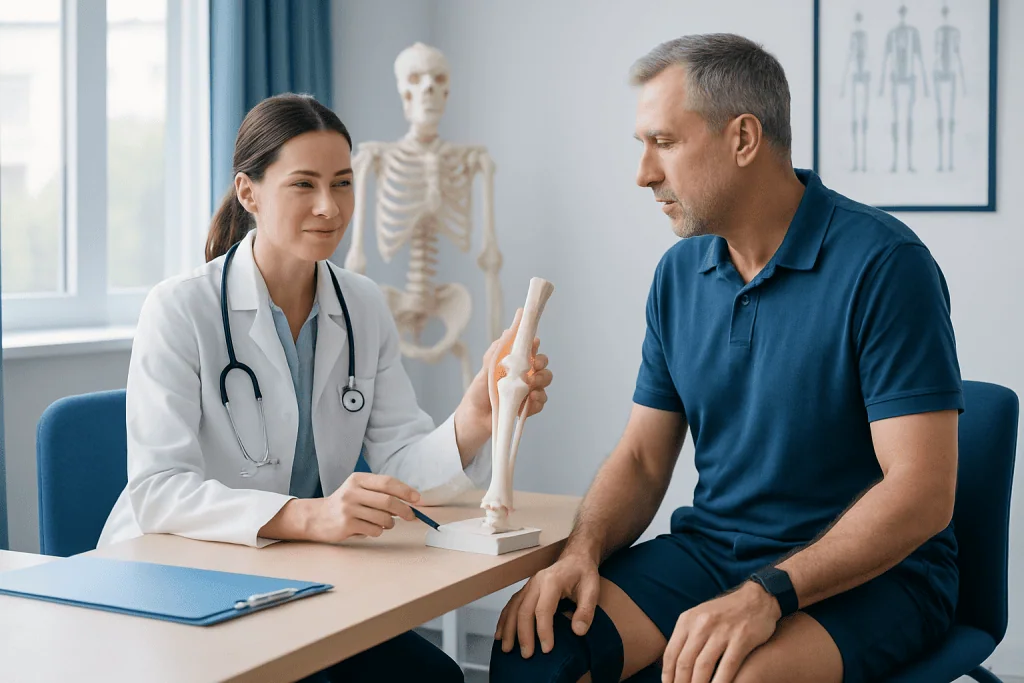
There are many different orthopedic procedures, and each is designed for a specific problem. Arthroscopic surgery uses a small camera and specialized instruments inserted through small incisions. It is often used for certain shoulder, knee, ankle, and wrist problems because it may reduce soft tissue trauma and support recovery planning.
Fracture surgery may involve placing plates, screws, rods, pins, or external fixation devices to hold a bone in the correct position while it heals. Ligament and tendon procedures may reconnect torn tissue, reconstruct a damaged structure, or stabilize a joint. Examples include repairs for a torn rotator cuff and reconstruction for major knee ligament injuries.
Joint replacement is another well-known form of orthopedic surgery. In advanced arthritis or severe joint damage, damaged joint surfaces may be replaced with artificial components. This is commonly done in the hip and knee, and in selected patients it can significantly improve pain and movement. Depending on the condition, doctors may discuss knee replacement, hip replacement, or other reconstructive procedures.
Orthopedic surgeons also treat spine conditions when symptoms come from structural changes, disc problems, instability, or narrowing around nerves. In selected cases, procedures such as decompression or spine surgery may help relieve pressure and improve function. Some people may also require shoulder surgery for persistent pain, instability, or tendon tears.
Symptoms and Conditions That Can Lead to Surgery
Many symptoms can suggest a problem that might eventually need orthopedic surgery, although symptoms alone do not always mean an operation is necessary. Persistent joint pain is one of the most common reasons people seek specialist care. Pain may worsen with movement, weight-bearing, sports, work tasks, or even sleep.
Other important symptoms include swelling, stiffness, locking, catching, joint instability, weakness, numbness, or visible deformity. After an injury, a person may notice bruising, inability to bear weight, or a feeling that the joint is giving way. If these symptoms continue after rest and conservative treatment, further assessment is often needed.
Several common conditions may lead to orthopedic surgery if they become severe. These include advanced arthritis, certain fractures, torn ligaments, tendon ruptures, herniated discs, spinal stenosis, chronic shoulder impingement, and cartilage injuries. Some people may first be diagnosed with conditions such as osteoarthritis or meniscus tear before discussing operative treatment.
In children and older adults, the reasons for surgery may differ. Children may need treatment for certain growth-related deformities or injuries, while older adults more commonly need care for fractures related to falls or wear-and-tear conditions. In every age group, timely diagnosis helps guide the safest and most effective approach.
Diagnosis and Pre-Surgical Evaluation
Before recommending orthopedic surgery, the doctor usually performs a careful evaluation. This starts with a medical history that reviews symptoms, previous injuries, medical conditions, medicines, and how the problem affects work, exercise, sleep, and daily living. A physical examination checks alignment, tenderness, swelling, strength, joint stability, and range of motion.
Imaging tests often help confirm the diagnosis and plan treatment. X-rays are commonly used to assess bones, fractures, joint space narrowing, and alignment. MRI can provide more detail about soft tissues such as cartilage, ligaments, tendons, and discs. CT scans, ultrasound, or nerve tests may be used in selected cases depending on the suspected problem.
Not everyone who has an abnormal scan needs surgery. Doctors usually compare test findings with symptoms, examination results, and response to conservative treatment. This is important because some changes on imaging may not be the true cause of pain.
If surgery is being considered, pre-operative assessment also looks at overall fitness for anesthesia and healing. The care team may review blood tests, heart and lung health, infection risk, and lifestyle factors such as smoking. Patients are often advised about preparing the home, arranging support, and understanding rehabilitation before the procedure takes place.
Treatment Options and Recovery
Orthopedic surgery is only one part of treatment. For many people, non-surgical options remain useful before and after an operation. These may include physiotherapy, anti-inflammatory medicines, pain management strategies, weight management, braces, splints, and guided exercise. Injections may also help in selected cases, although they do not correct all structural problems.
When surgery is chosen, the specific technique depends on the diagnosis, the extent of damage, and the expected outcome. Some procedures are done as day surgery, while others require a short hospital stay. The surgeon will usually explain the benefits, possible risks, expected pain control, wound care, activity restrictions, and approximate recovery timeline.
Rehabilitation is often essential to a good result. Physiotherapy may begin soon after surgery to improve circulation, reduce stiffness, rebuild strength, and restore safe movement patterns. Recovery speed varies widely depending on the procedure and the person. A minor arthroscopic procedure may allow a faster return to activity than major fracture reconstruction or joint replacement.
Possible surgical risks include infection, bleeding, blood clots, stiffness, nerve irritation, implant problems, or incomplete symptom relief. These risks vary by procedure and health status, and the orthopedic team works to reduce them with careful planning and follow-up. Good communication with the surgeon and rehabilitation team helps set realistic expectations for recovery.
Prevention, Self-Care, and When to See a Doctor
Not all orthopedic problems can be prevented, but healthy habits can lower the risk of injury and joint damage. Regular strength and flexibility exercises help support joints and improve balance. Good technique during sports, proper footwear, workplace ergonomics, and protective equipment can also reduce strain and trauma.
Maintaining a healthy body weight can reduce stress on weight-bearing joints such as the hips, knees, and spine. Early treatment for pain, swelling, or instability may prevent further damage. Following a rehabilitation plan after an injury is especially important, because returning to activity too soon may increase the chance of re-injury.
A doctor should assess severe pain, inability to move a limb, major swelling, visible deformity, numbness, weakness, fever with joint pain, or symptoms after a fall or accident. Medical attention is also important if joint pain lasts for weeks, keeps returning, or starts limiting normal activities. Early evaluation can help identify whether non-surgical treatment is enough or whether a surgical opinion is needed.
For people seeking specialist assessment, Acibadem International’s multidisciplinary teams in JCI-accredited hospitals evaluate and treat orthopedic conditions for international patients. The most appropriate plan may involve conservative care, rehabilitation, or surgery depending on the diagnosis and personal needs.
Frequently asked questions
What is orthopedic surgery?
Orthopedic surgery is the branch of surgery that treats problems affecting bones, joints, muscles, tendons, ligaments, and the spine. It may be used to repair injuries, correct deformities, stabilize fractures, or replace damaged joints when non-surgical care is not enough.
Does every orthopedic condition need surgery?
No. Many orthopedic conditions improve with rest, medicines, physiotherapy, braces, exercise changes, or injections. Surgery is usually considered only when symptoms persist, function is limited, or the structure is severely damaged.
How does a doctor decide if orthopedic surgery is necessary?
The decision is based on symptoms, physical examination, imaging tests, overall health, and response to conservative treatment. The doctor also considers the person’s age, activity level, goals, and how much the condition affects daily life.
What are the most common orthopedic surgeries?
Common procedures include fracture fixation, arthroscopic knee or shoulder surgery, ligament reconstruction, tendon repair, spine procedures, and hip or knee replacement. The most suitable operation depends on the exact diagnosis and the extent of damage.
How long does recovery from orthopedic surgery take?
Recovery time varies widely depending on the procedure, the body part involved, and the person’s general health. Some people recover from minor procedures in weeks, while major joint or spine surgeries may require several months of rehabilitation.
Is orthopedic surgery safe?
Orthopedic surgery is generally safe when performed after careful evaluation by a qualified team, but every operation carries some risk. Possible complications include infection, bleeding, blood clots, stiffness, or incomplete symptom relief, and these should be discussed before treatment.
References
- American Academy of Orthopaedic Surgeons
- National Institute of Arthritis and Musculoskeletal and Skin Diseases
- National Health Service
- Mayo Clinic
This article is for general information only and is not a substitute for professional medical advice. Please consult a qualified doctor about your individual situation.
Joint and spine care in Turkey — expert assessment & treatment
JCI-accredited · board-certified surgeons · reply within 24h
Add us as a Preferred Source to see more of our trusted health content across Google Search, AI Overviews and Discover.

Orthopedics & Spine
Care for bones, joints and the musculoskeletal system, including joint replacement, sports injuries and trauma.
125 specialists in this unit